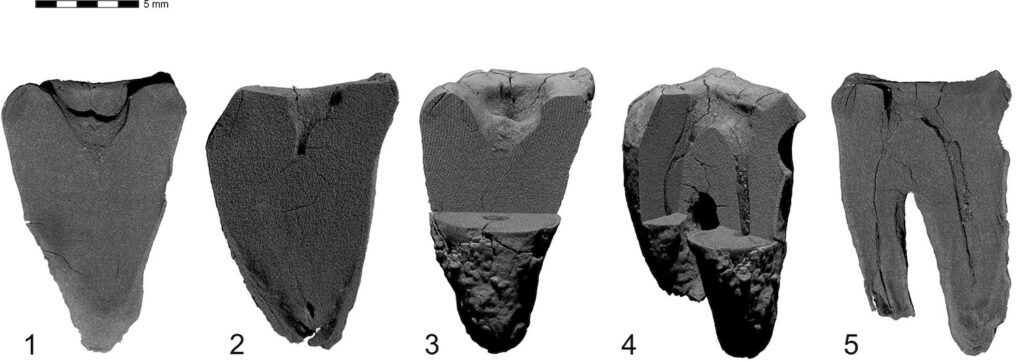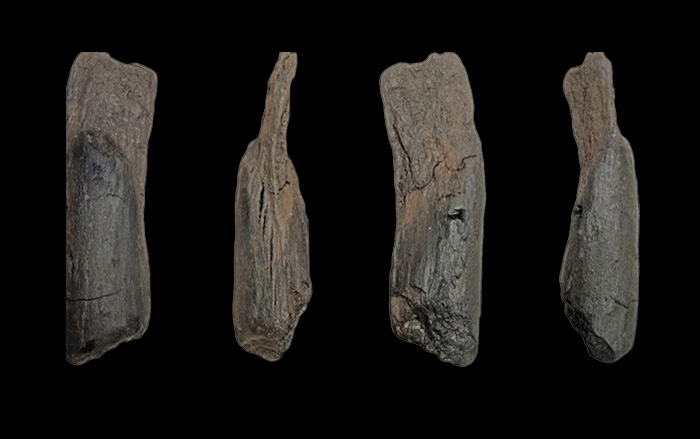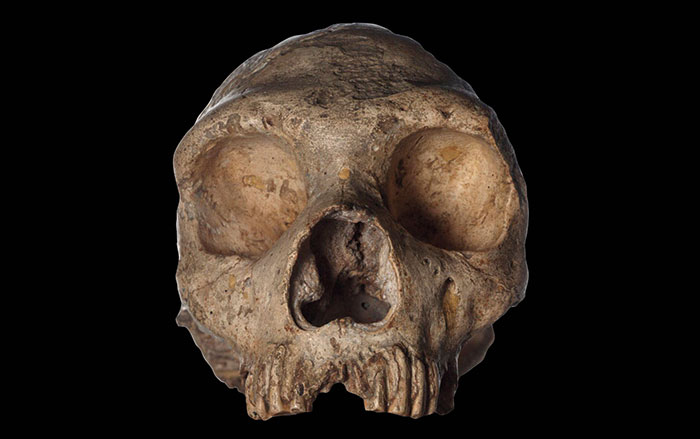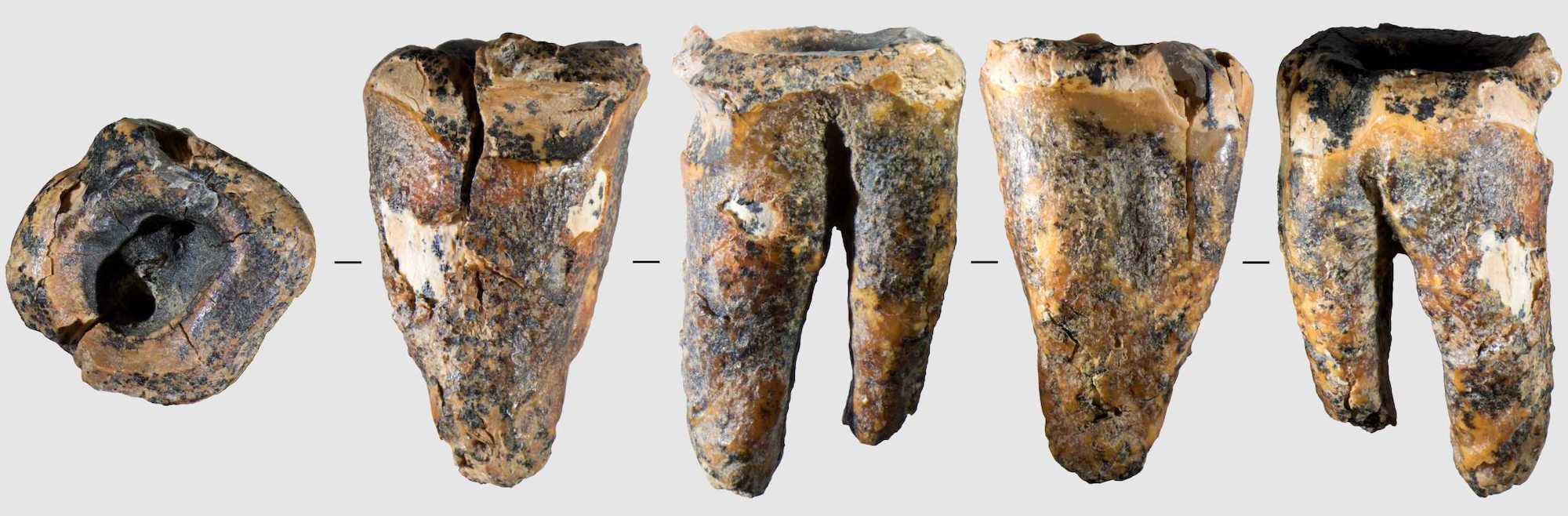
SIBERIA, RUSSIA—According to a CNN report, Neanderthal dentists may have used sophisticated tools to treat toothaches 60,000 years ago. A lone Neanderthal lower molar recently stood out among dozens of hominin teeth, fossils, and other artifacts that archaeologists recovered from the Chagyrskaya Cave in Siberia’s Altai Mountains. The tooth’s crown featured an unusual deep hole that extended into the pulp cavity. After researchers conducted a detailed analysis of the prehistoric tooth and experiments on modern teeth, they concluded that the hole was most likely created when someone used a small stone point to drill into an infected tooth and alleviate pain caused by a cavity. The find represents the earliest evidence for this kind of dental treatment by more than 40,000 years, and the first example of such behavior that has been documented outside of Homo sapiens. “What amazed me was how intuitively the person who owned this tooth understood exactly where the pain was coming from and realized that its source could be removed,” said Alisa Zubova, senior researcher at the Peter the Great Museum of Anthropology and Ethnography at the Russian Academy of Sciences in St. Petersburg. “We have never encountered anything like this before— neither among Neanderthals nor among modern humans from much later periods.” Read the original scholarly article about this research in PLOS One. To read about another study of Neanderthal teeth recovered from a site in Spain, go to "Neanderthal Medicine Chest," one of ARCHAEOLOGY's Top 10 Discoveries of 2012.