

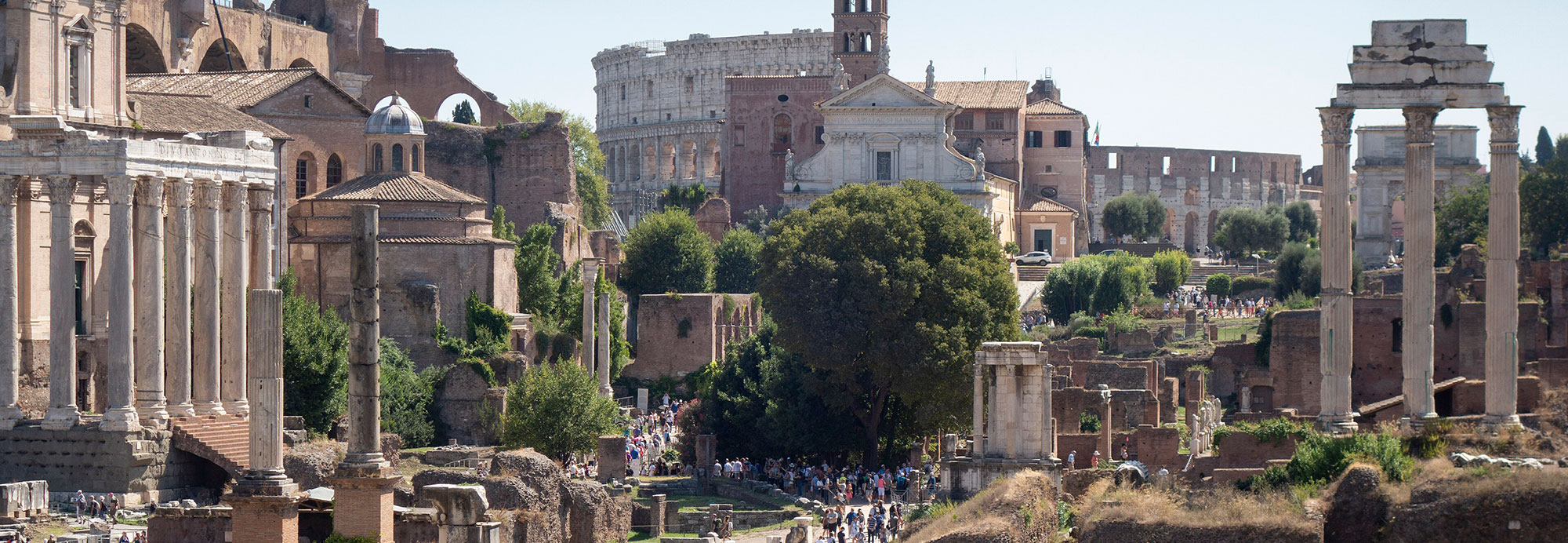
ROME, ITALY—According to a Science in Poland report, a new study of changes to the layout of the Roman Forum over time suggests that it may have been harder for large sections of the crowd to hear political speeches and see the gestures that accompanied them during the Imperial period. Orators delivered their messages from raised platforms called rostra with a combination of speech, gestures, and physical performance. “Gestures could indicate people or places, illustrate the course of events, emphasize the structure of arguments, and express emotions such as anger, indignation, or compassion,” said Kamil Kopij of Jagiellonian University. “In some cases, they even served as a substitute for words, especially in situations where the message had to reach a large and diverse audience,” he continued. Kopij and his team members experimented with making small finger movements and broad arm movements to estimate how many people may have been able to see an orator’s gestures from various distances. They then used this information to evaluate how much of a crowd would be able to follow a speaker using digital reconstructions of the various building phases of the Roman Forum. “During the Late Republic, a larger number of participants could simultaneously observe the orator’s gestures, which enhanced the sense of direct participation and fostered more intense interaction between the crowd and the speaker,” Kopij said. “The Forum’s reconstruction under Caesar and Augustus, however, led to a reduction in the number of people capable of fully reading gestures and to a greater spatial separation of the audience gathered at different podiums. As a result, assemblies became more fragmented and easer to control,” he concluded. Read the original scholarly article about this research in the Journal of Roman Archaeology. To read more about the Roman Forum, go to "A Shrine to Romulus," one of ARCHAEOLOGY's Top 10 Discoveries of 2020.
Did the Layout of the Roman Forum Impact Political Speech?
News May 20, 2026
Recommended Articles
Weapons of the Ancient World May/June 2020
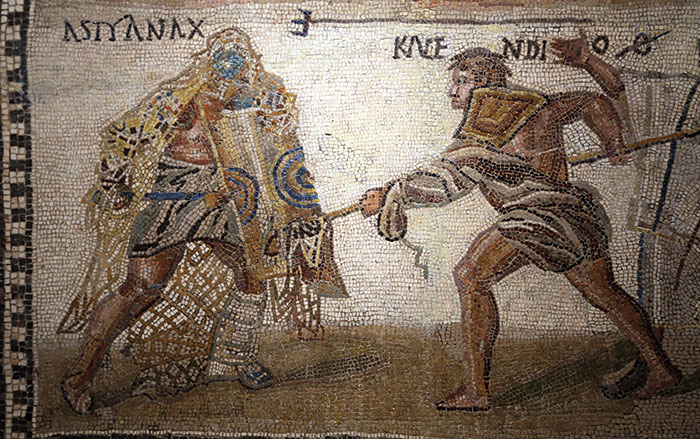
Gladiator Weapons
Digs & Discoveries July/August 2018
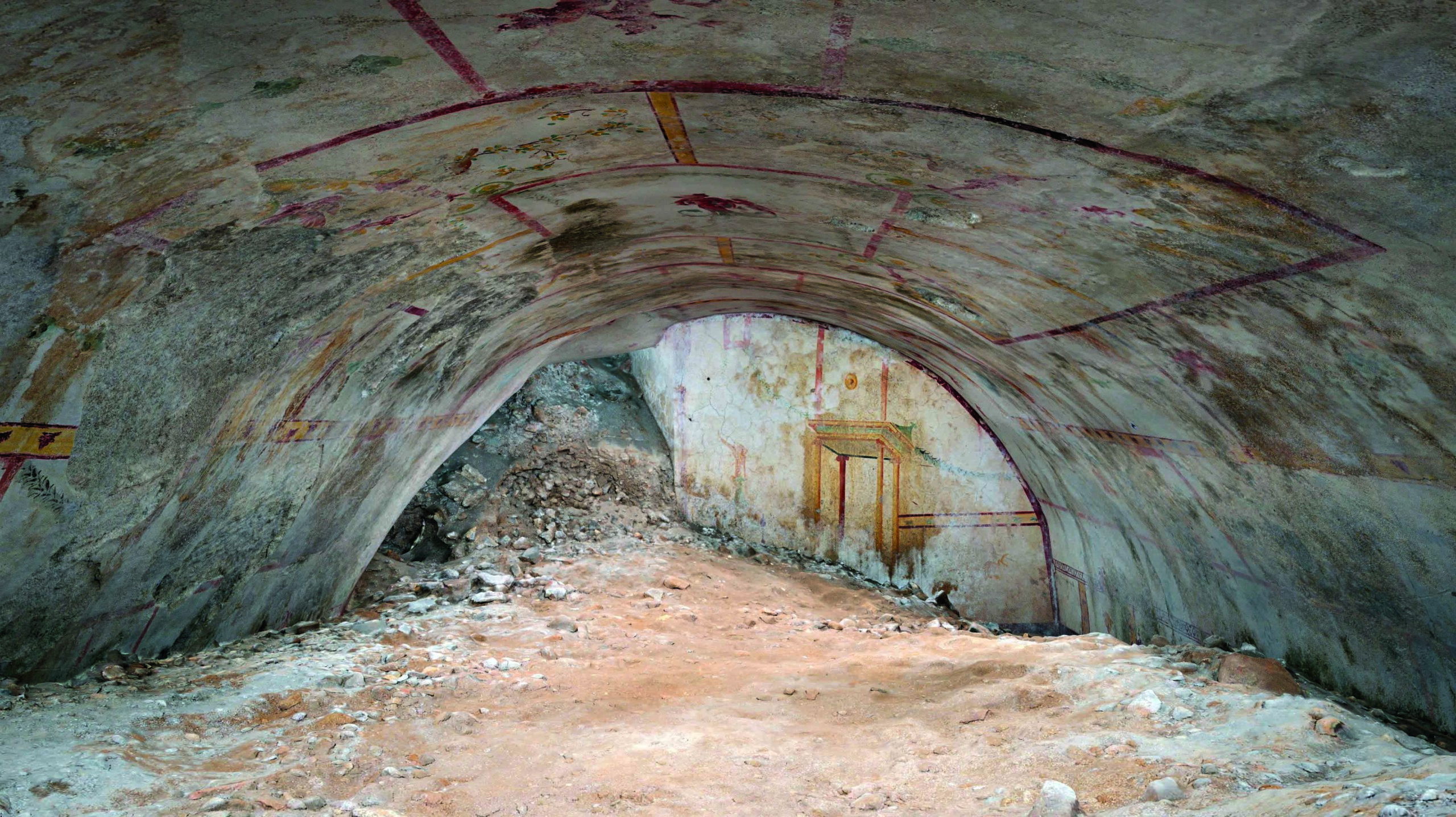
Pompeii Revisited
More to Discover
Features May/June 2026
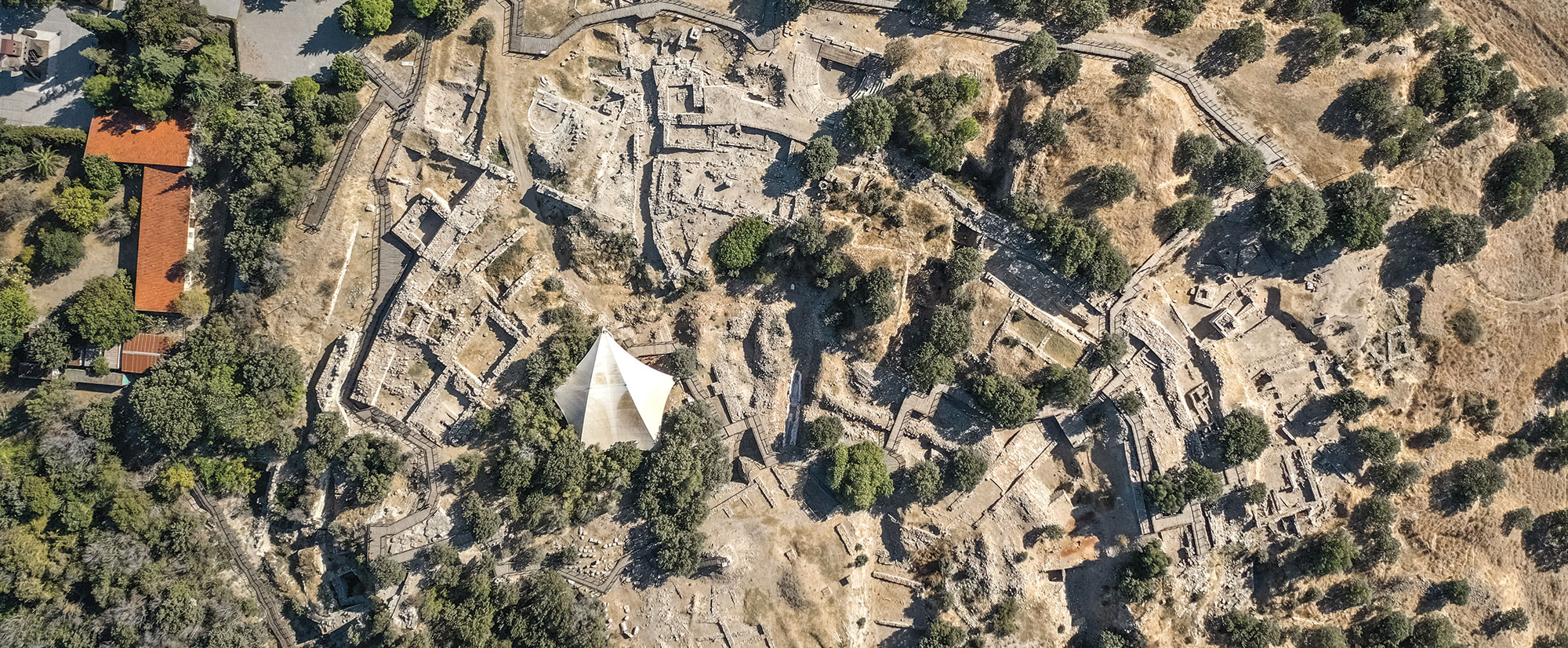
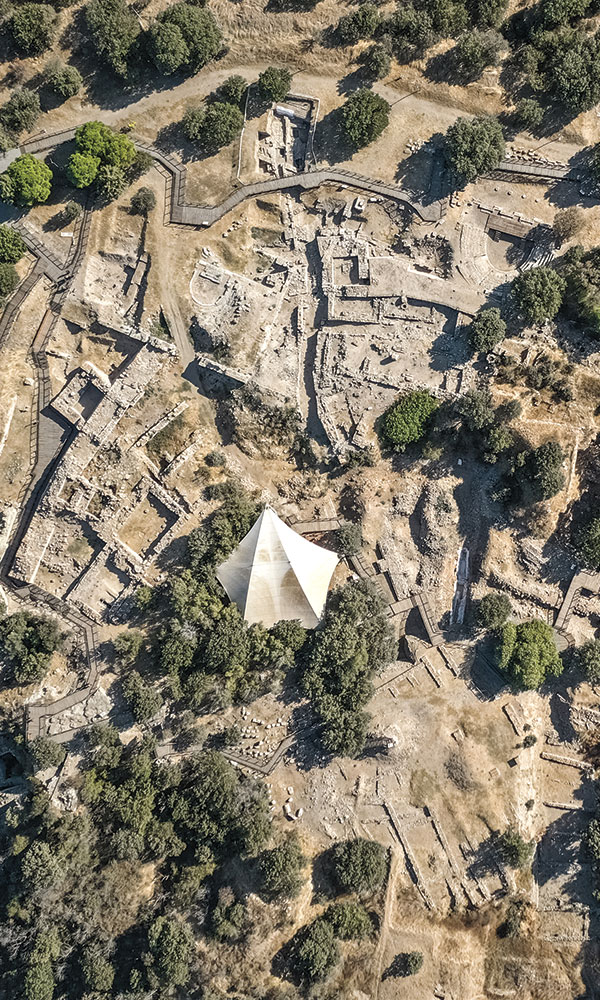
The Unexpected World of the Odyssey
Discovering the surprising inspirations behind Homer’s great tales of the Trojan War
-
Features May/June 2026
Pioneers of Lakefront Living
Why Neolithic and Bronze Age farmers in the Alps built their villages on stilts
 © APM/Frank Müller
 -
Features May/June 2026
The Last Maya Kingdom
On the shores of a lake in Guatemala, the Itzá people defied the Spanish for nearly 200 years
 Courtesy Timothy Pugh/Itzá Archaeological Project
 -
Features May/June 2026
Art for the Ages
A surreal style of painting endured for 4,000 years in the canyonlands of West Texas
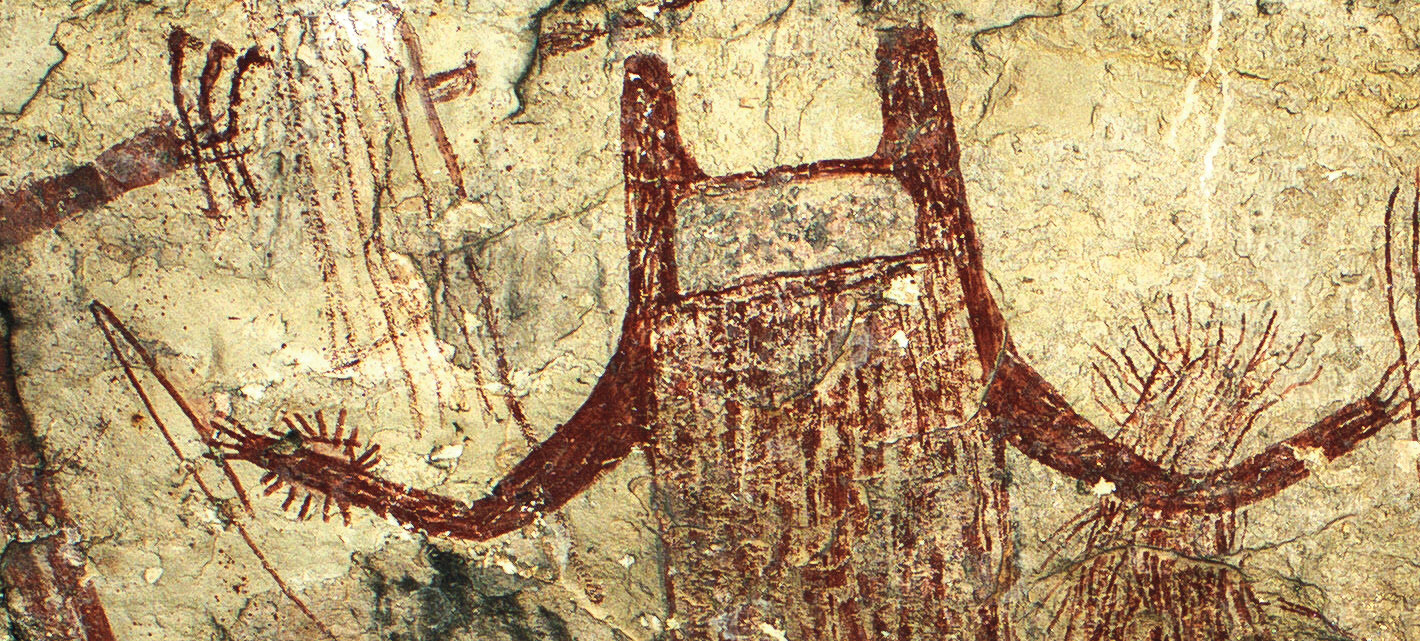 Shumla Archaeological Research and Education Center Archive
 -
Features May/June 2026
Bridge to the Past
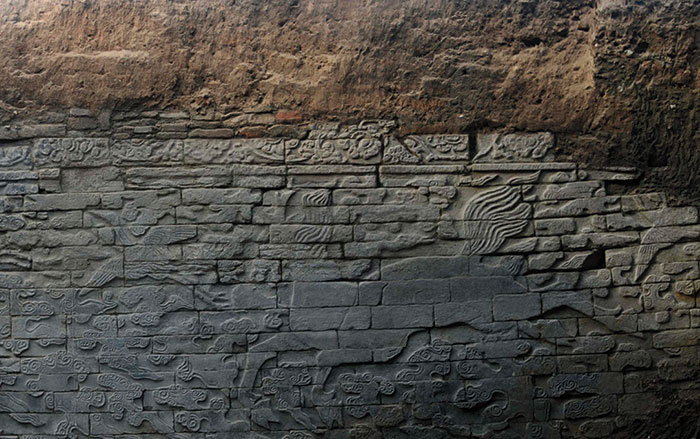
The Yellow River brought both prosperity and calamity to China’s dazzling medieval capital
 Henan Provincial Institute of Cultural Heritage and Archaeology