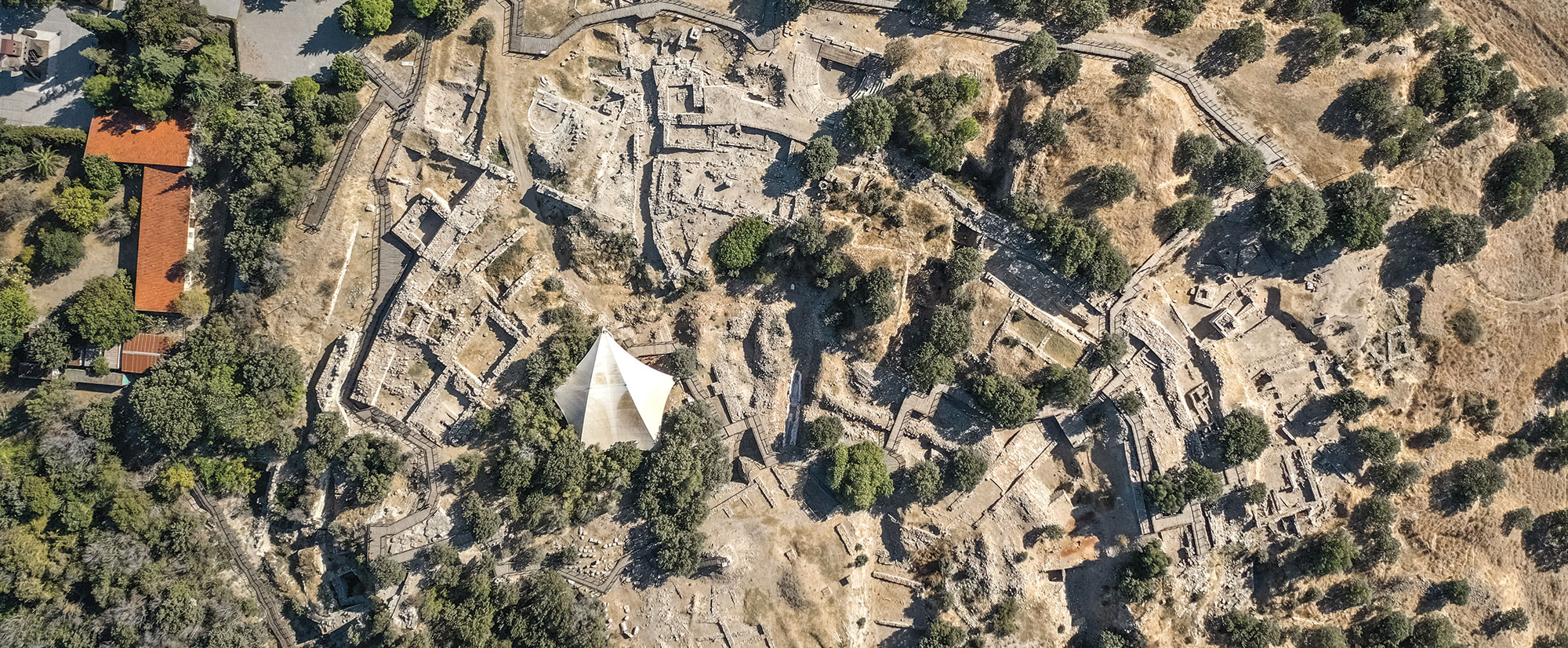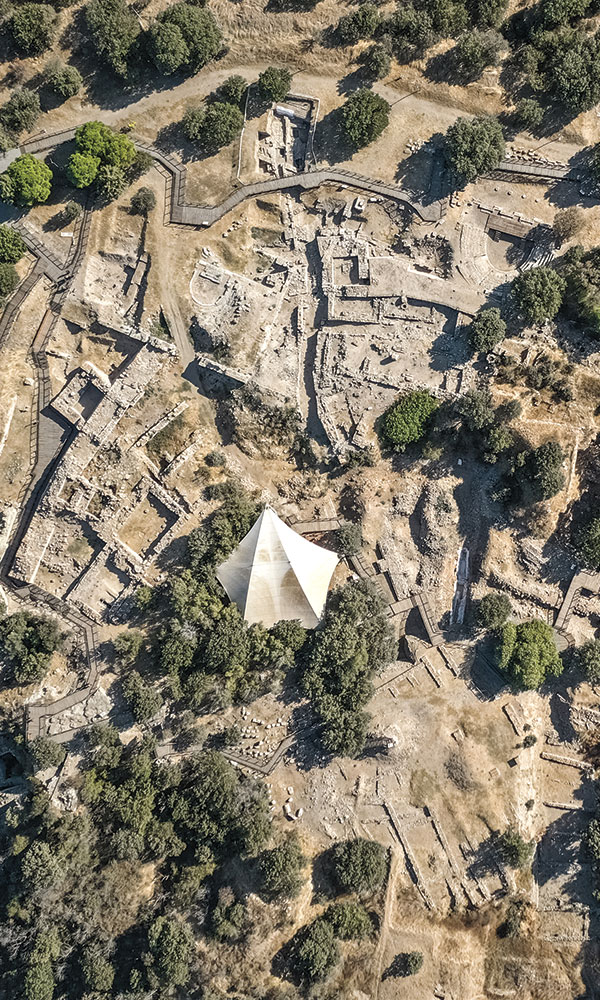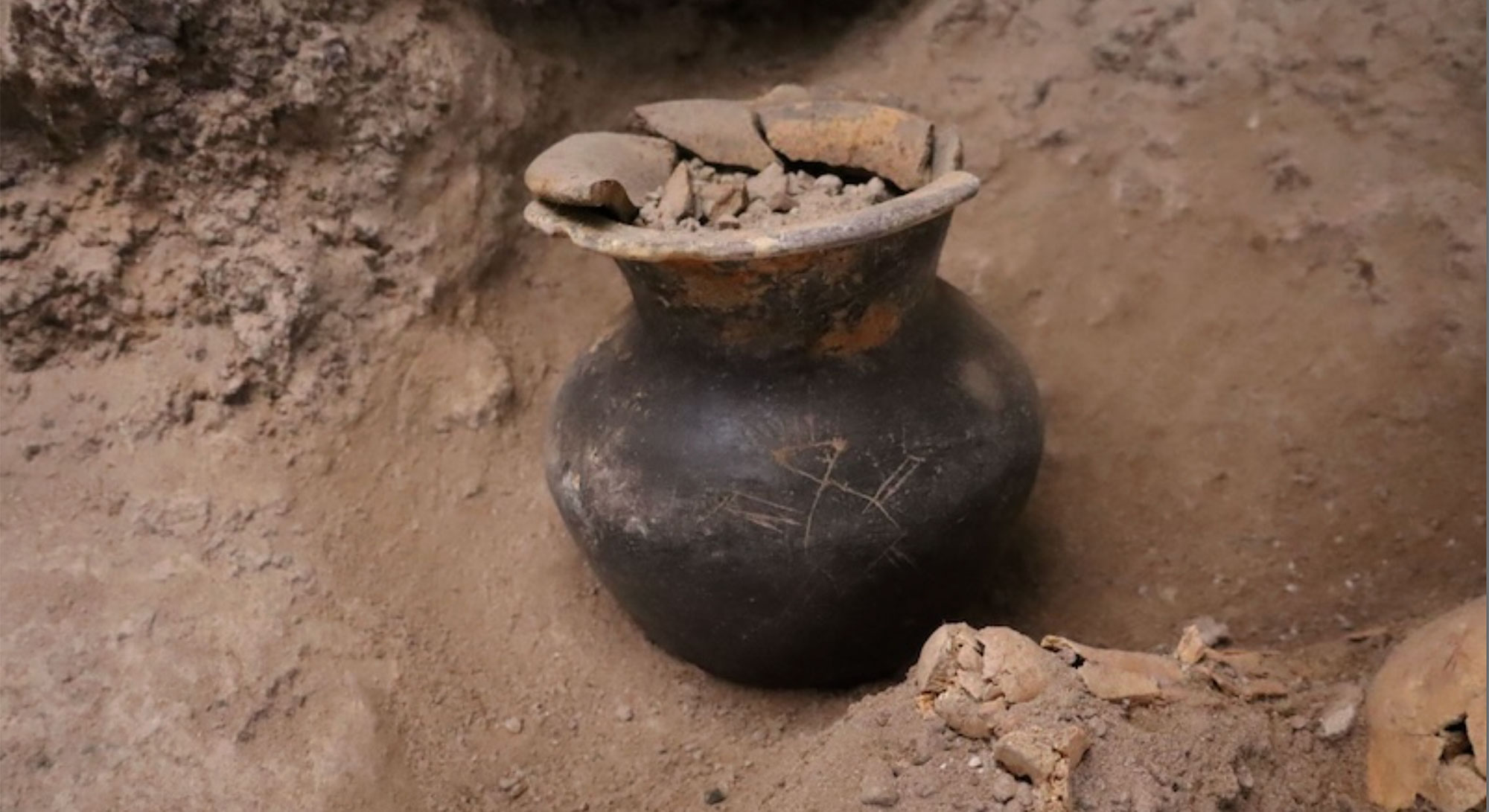
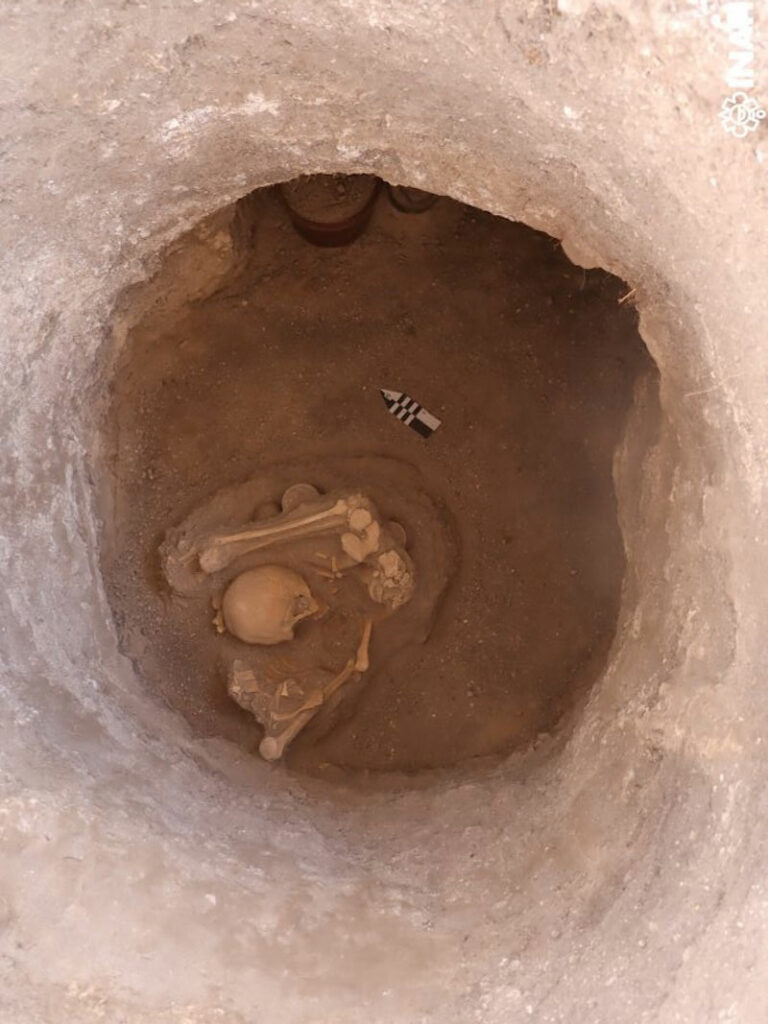
IGNACIO ZARAGOZA, MEXICO—According to the Greek Reporter, eight burials and 47 ceramic vessels were found in a tomb at Tula, an archaeological zone in central-eastern Mexico, during an investigation conducted by researchers from Mexico’s National Institute of Anthropology and History in advance of the Mexico City–Queretaro Passenger Train construction project. Archaeologist Víctor Heredia Guillen said that five shaft-like tombs and other burials were uncovered at a possible residential complex dated to between A.D. 225 and 550. The eight burials were discovered in a shaft tomb on the north side of a residential room. Six of the bodies had been placed in a seated position with ceramic offerings arranged near their feet. One of the burials also contained a small shell ornament and fragments of a pendant made of mother-of-pearl. The two other sets of remains had been moved, suggesting that the tomb had been reused over time. Archaeologist Jonathan Velázquez Palacios said that lime mined at Tula was likely used to make stucco to cover surfaces at Teotihuacan, located some 50 miles away. For more on Tula, go to "Mexico's Butterfly Warriors."