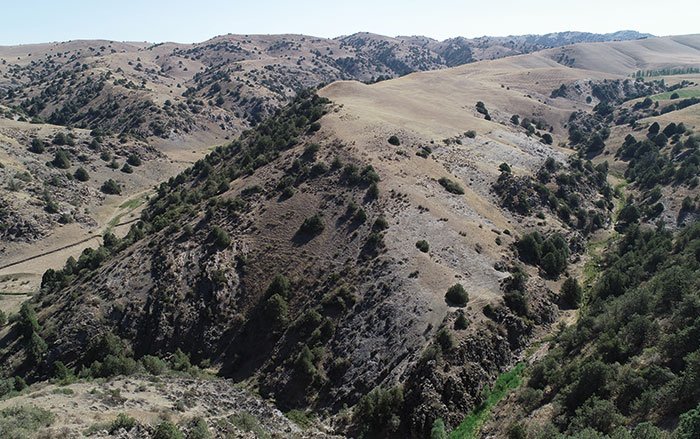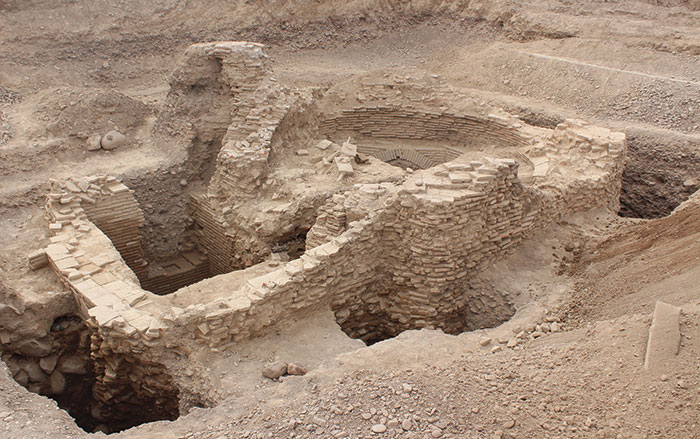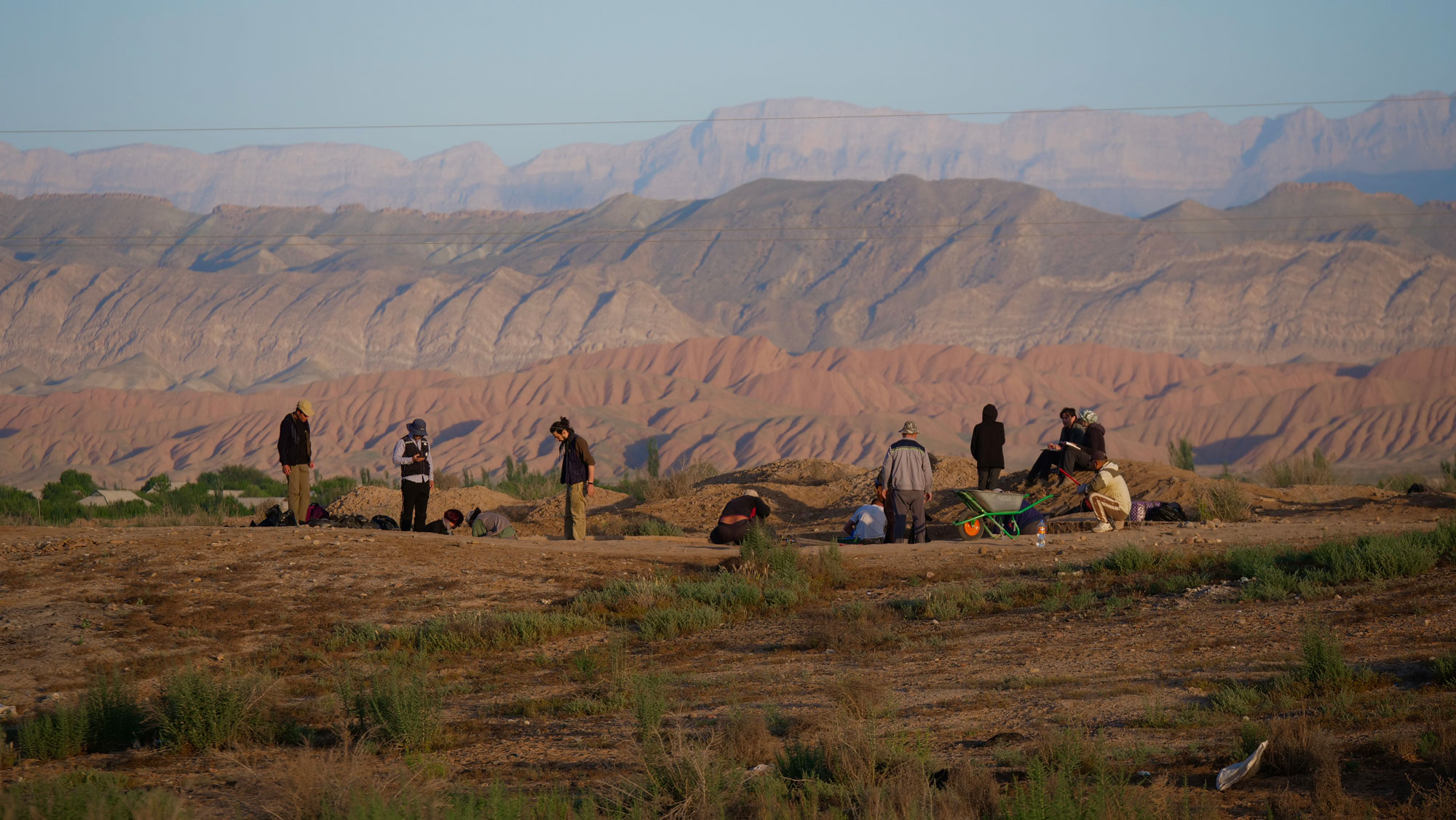
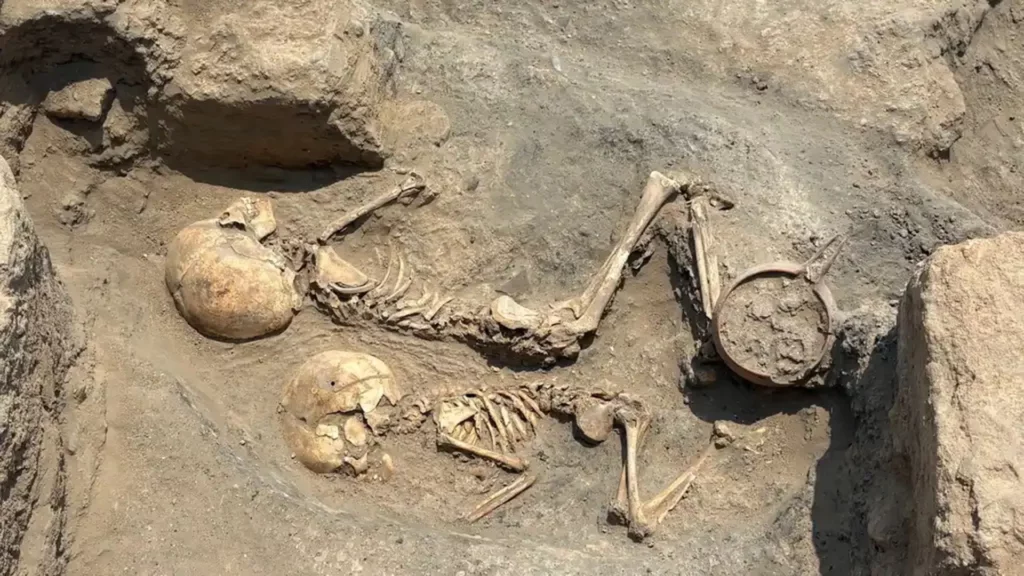
LECCE, ITALY—Evidence of trepanation has been discovered on the skull of a 4,000-year-old child whose remains were unearthed in southern Uzbekistan by a team of archaeologists from the University of Salento, Termez State University and the Samarkand Archaeological Institute, according to a Live Science report. The five-year-old had been buried alongside a younger child at the site of the Oxus settlement of Djarkutan. The surgery had been performed with stone or bone tools, perhaps to treat epilepsy, migraines, or behavioral problems. Continued study of the child’s remains and the Djarkutan settlement may reveal who had performed the surgery, and why it was performed on such a small child. “Djarkutan continues to surprise us,” said Enrico Ascalone of the University of Salento. “A cranial trepanation on a child, 4,000 years ago, in Central Asia: until yesterday it was unthinkable. Today it is in our data,” he said. To read about the lavish burial of an Oxus woman, go to "On Her Own Two Feet."