

BURGOS, SPAIN—Researchers led by Sonia Díaz-Navarro of the University of Burgos examined the skeletons of 48 children recovered from Camino del Molino, a 5,000-year-old circular burial cave in southeastern Spain, according to a Phys.org report. The bones of more than 1,300 people were deposited at the site over a period of more than 700 years. More than 90 percent of the children in the study exhibited changes to their bones associated with disease. About 67 percent had porous bones, in addition to changes related to respiratory diseases. “The pattern we see probably reflects a broader burden of recurrent or prolonged respiratory disease rather than a single pathogen,” Díaz-Navarro said. The children were likely exposed to indoor smoke, dust, particles from crafting and food processing, and close contact with animals, which may have had an impact on their health, she explained. The highest rates of bone changes were found among children between the ages of one and four and 10 and 14 years old. These changes include grooves and pitting inside the skulls, vertebrae, hip, and pelvic bones, as can occur in early stage tuberculosis infections. The study also suggests that individuals who had been ill did not receive different treatment after death. “This is particularly important because Camino del Molino includes individuals with very visible or significant conditions,” Díaz-Navarro said. The researchers plan to look for traces of tuberculosis bacteria and other pathogens, investigate possible relationships among the dead, and reconstruct their diets. Read the original scholarly article about this research in the International Journal of Paleopathology. To read about two adolescents who succumbed to a respiratory disease at Roman Butrint, go to "The Persistence of Brucellosis."
Signs of Respiratory Illness Found on 5,000-Year-Old Children's Bones in Spain
News June 5, 2026
Recommended Articles
Digs & Discoveries January/February 2026
Full Nesters

Digs & Discoveries March/April 2025
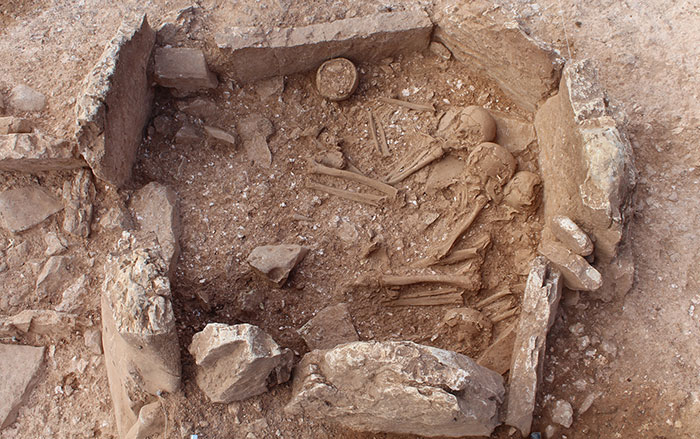
Iberian Gender Imbalance
Digs & Discoveries September/October 2024
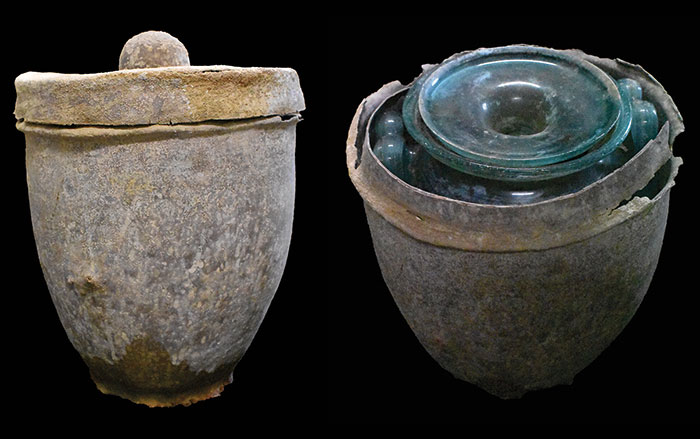
A Nightcap for the Ages
Artifacts March/April 2024
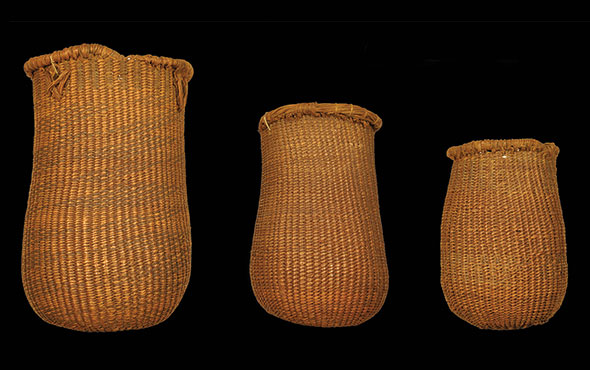
Mesolithic Baskets
More to Discover
Features May/June 2026
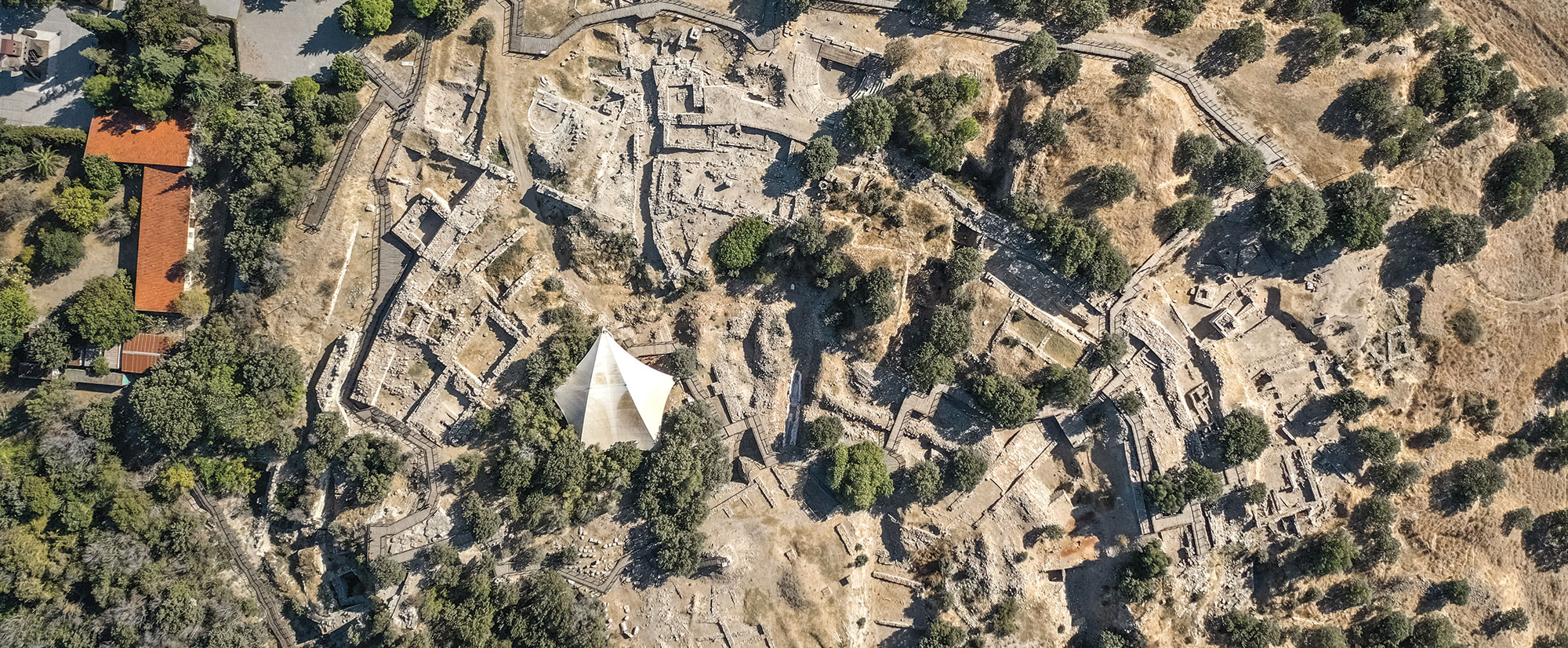
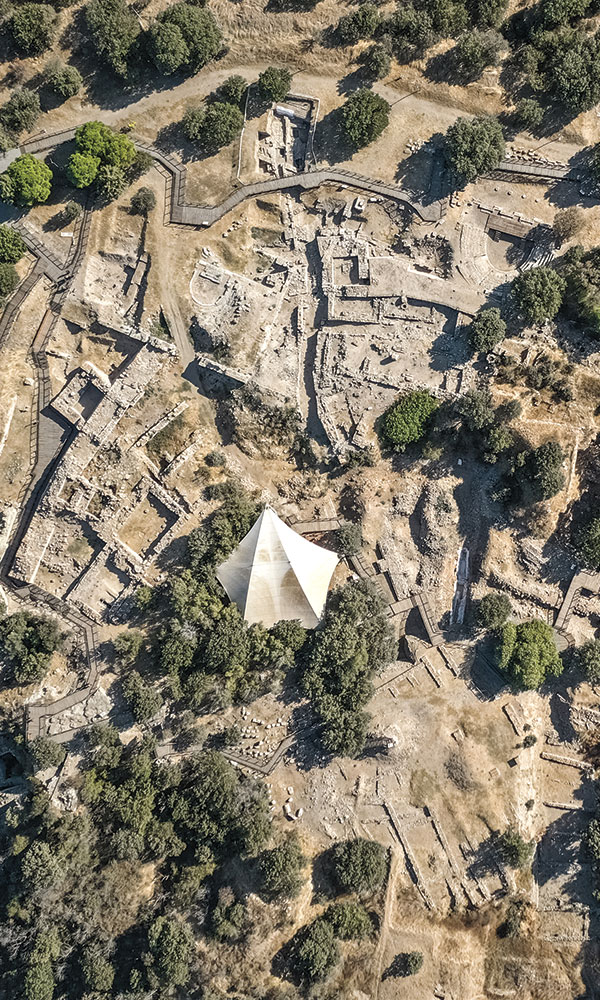
The Unexpected World of the Odyssey
Discovering the surprising inspirations behind Homer’s great tales of the Trojan War
-
Features May/June 2026
Pioneers of Lakefront Living
Why Neolithic and Bronze Age farmers in the Alps built their villages on stilts
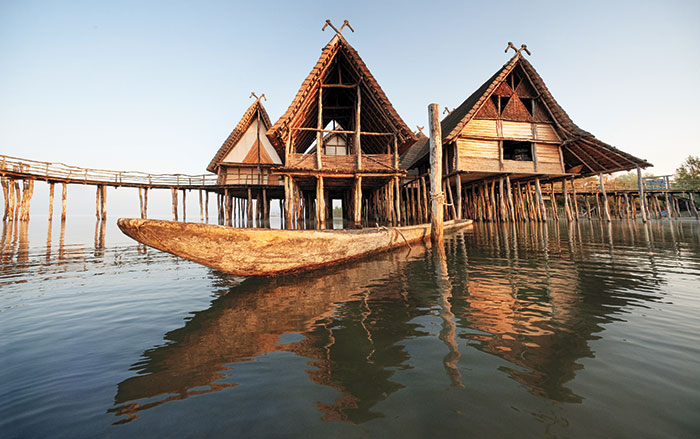 © APM/Frank Müller
 -
Features May/June 2026
The Last Maya Kingdom
On the shores of a lake in Guatemala, the Itzá people defied the Spanish for nearly 200 years
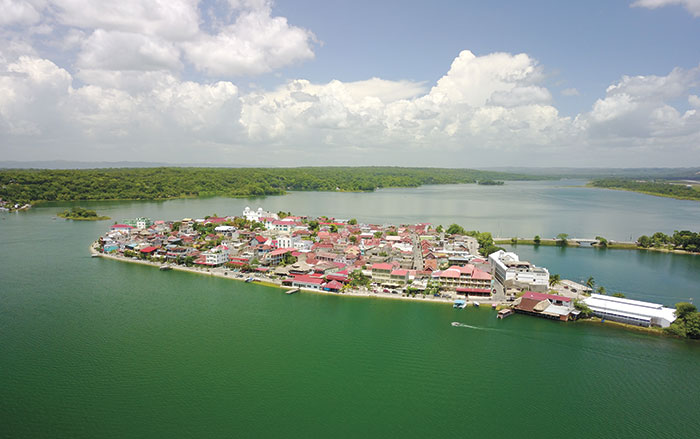 Courtesy Timothy Pugh/Itzá Archaeological Project
 -
Features May/June 2026
Art for the Ages
A surreal style of painting endured for 4,000 years in the canyonlands of West Texas
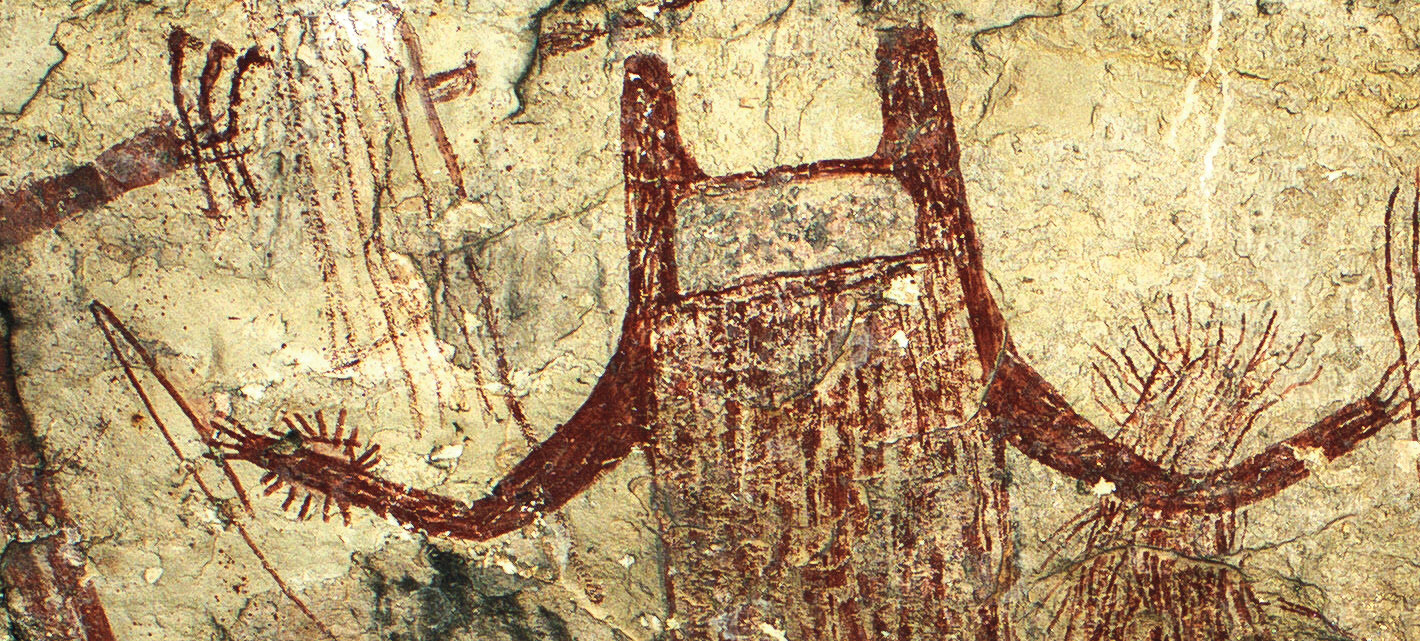 Shumla Archaeological Research and Education Center Archive
 -
Features May/June 2026
Bridge to the Past
The Yellow River brought both prosperity and calamity to China’s dazzling medieval capital
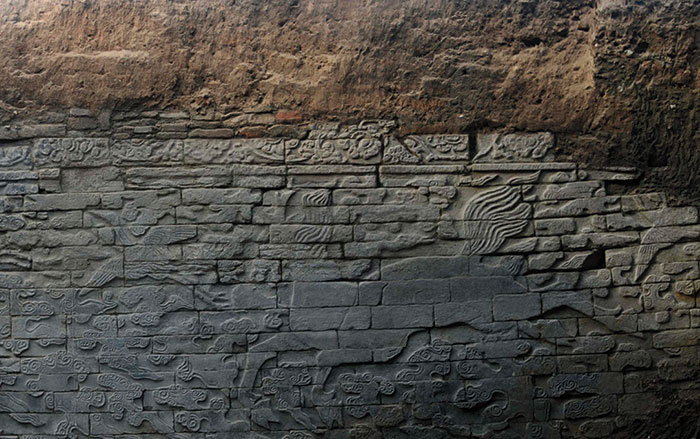 Henan Provincial Institute of Cultural Heritage and Archaeology