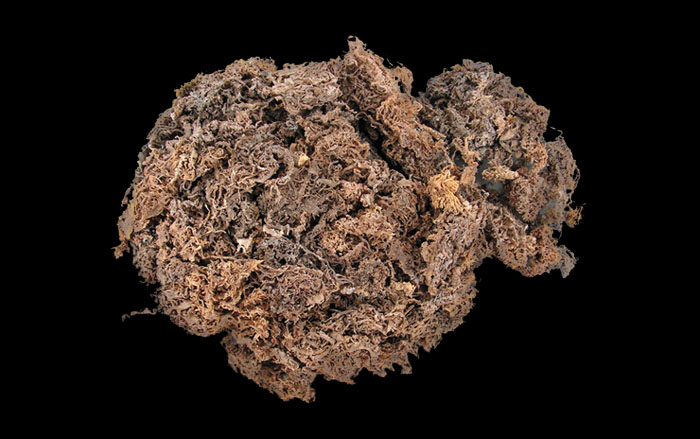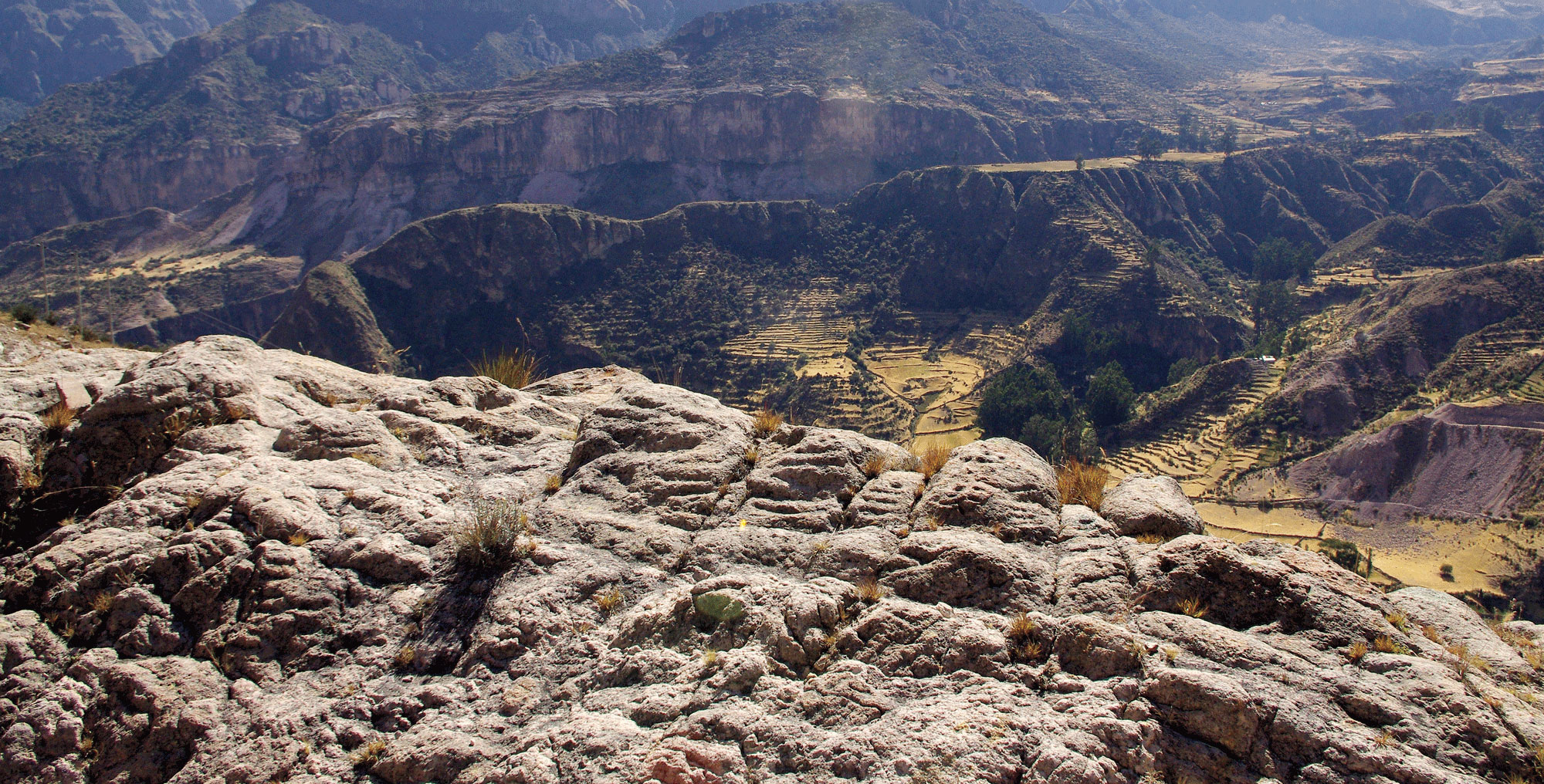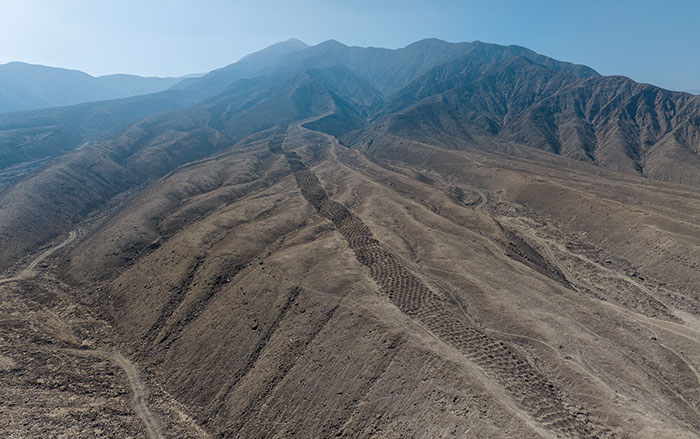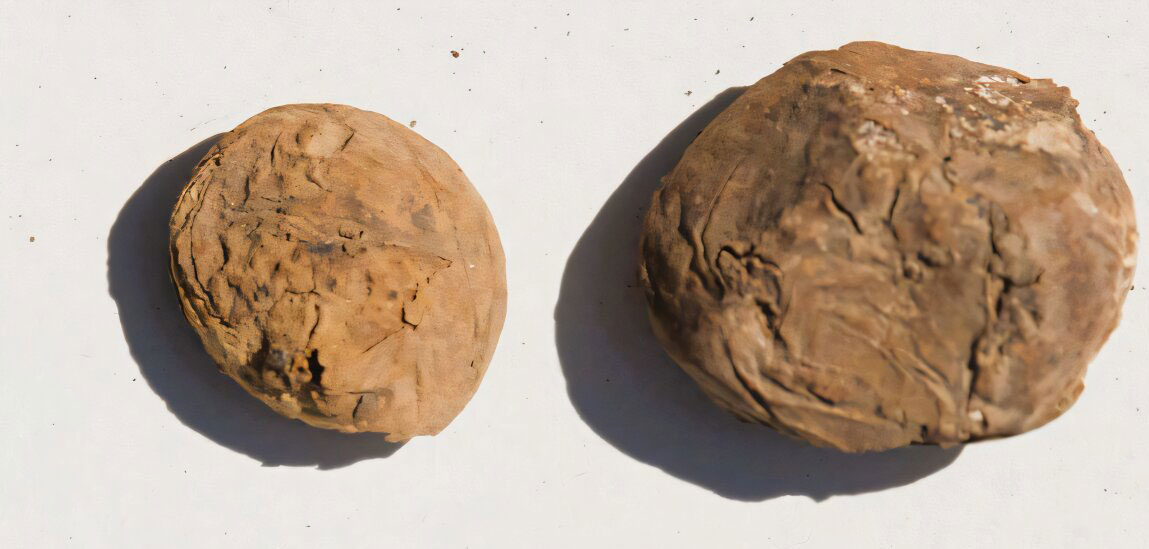
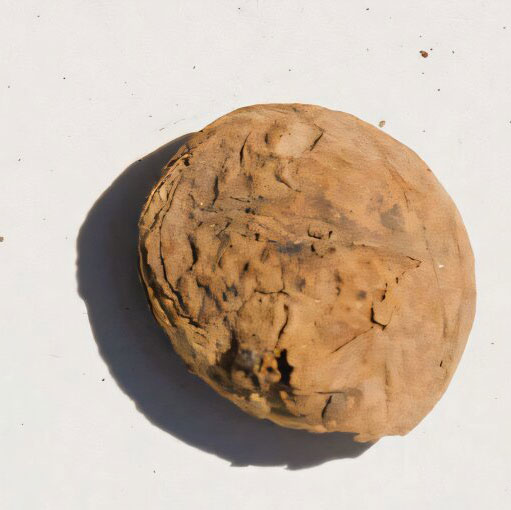
ALBERTA, CANADA—Two freeze-dried potatoes estimated to be 500 years old were discovered in a ceramic jar set into a floor at Tambo Viejo, a coastal Inca site in southern Peru’s arid Acarí Valley, according to a Phys.org report. Lidio Valdez of the University of Calgary said that freeze-dried potatoes, known as chuño, can only be created by exposing whole potatoes to extreme winter night frosts in the mountains, then thawing them in the sun, and repeating the cycle. The potatoes are then trampled and dried. The variety of potatoes found at Tambo Viejo were naturally toxic, and would have also required soaking for several weeks after the freezing process had been completed, and then dried out. The resulting food product is lightweight and can last for years, Valdez explained. The presence of chuño in the Acarí Valley indicates that the food had been transported across the Inca Empire from the Andes Mountains, he added. Chemical analysis of the chuño may allow Valdez and his colleagues to discover where the potatoes had been grown. To read more about the origins of this starchy staple, go to "In Search of Prehistoric Potatoes."