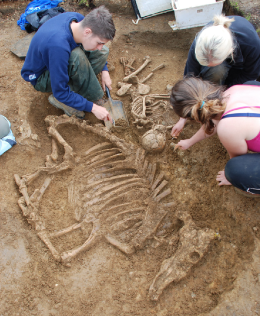
In Oakington, England, a team of archaeologists led by Duncan Sayer of the University of Central Lancashire has excavated a late-fifth-century A.D. Anglo-Saxon grave containing the remains of a wealthy woman and a cow. The grave is the first of its kind in Europe. “It matches the female role in Anglo-Saxon society,” says Sayer. “The cow was much more a symbol of economic and domestic power.”
Livestock for the Afterlife
Recommended Articles
Off the Grid January/February 2026
Prophetstown, Indiana
Letter from France January/February 2026
Neolithic Cultural Revolution
How farmers came together to build Europe’s most grandiose funerary monuments some 7,000 years ago
Features January/February 2026
The Cost of Doing Business
Piecing together the Roman empire’s longest known inscription—a peculiarly precise inventory of prices
Features January/February 2026
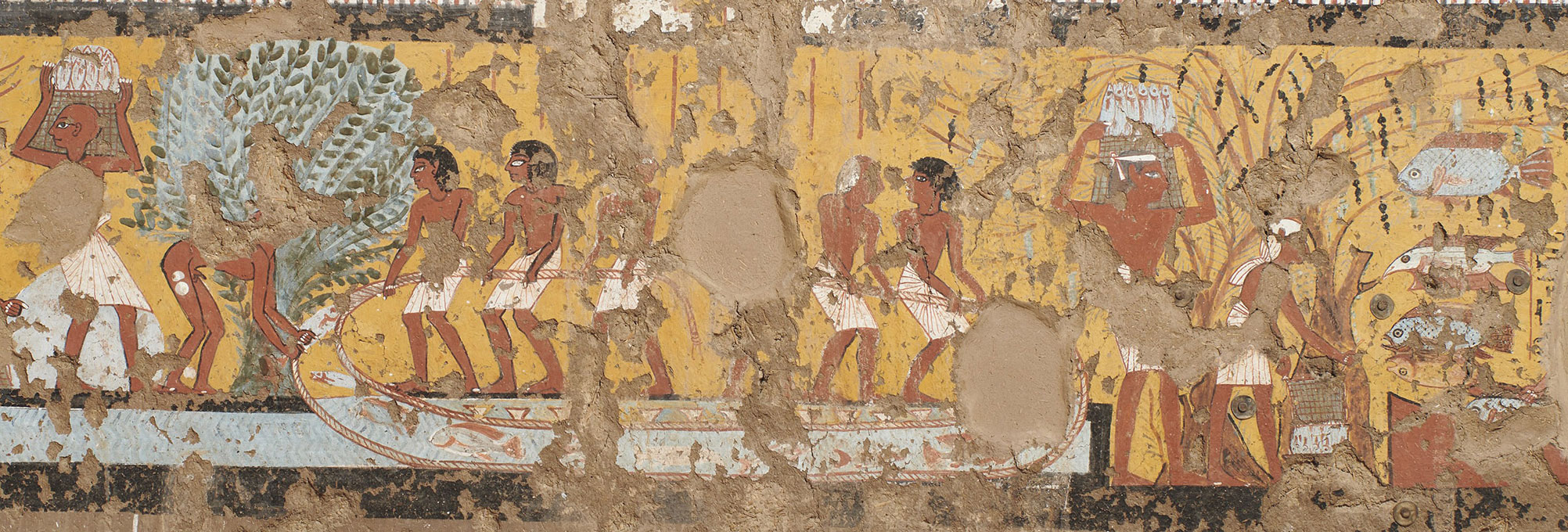
The Birds of Amarna
An Egyptian princess seeks sanctuary in her private palace
-
Features November/December 2012
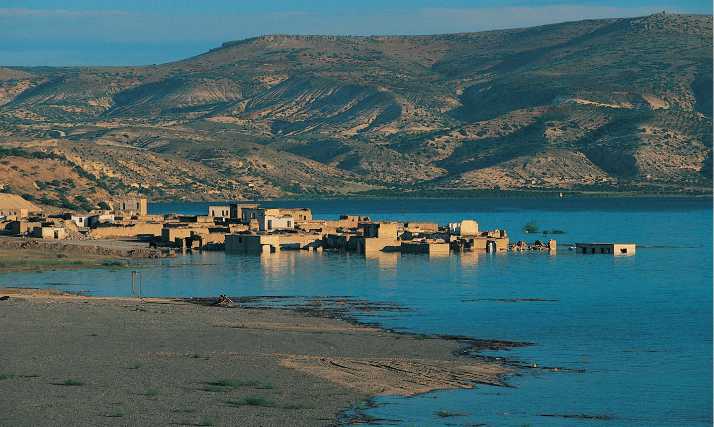
Zeugma After the Flood
New excavations continue to tell the story of an ancient city at the crossroads between east and west
(Hasan Yelken/Images & Stories) -
Letter from India November/December 2012
Living Heritage at Risk
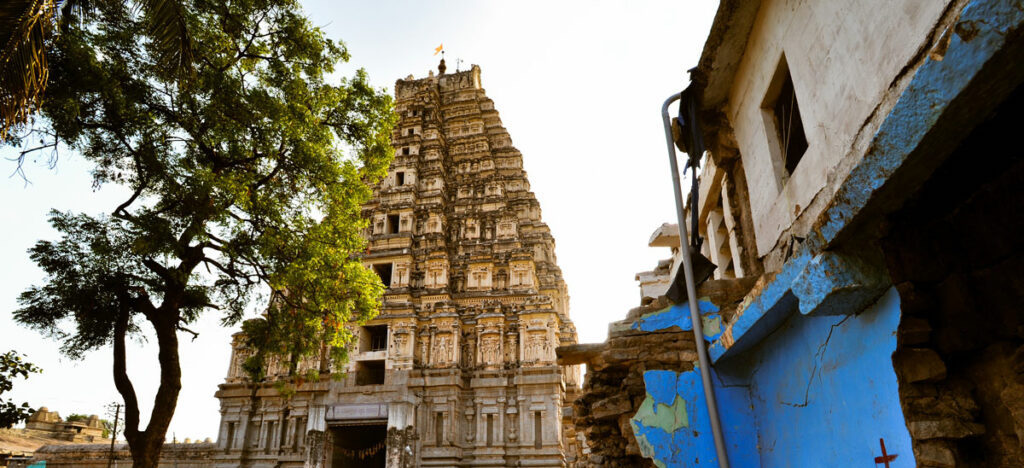
Searching for a new approach to development, tourism, and local needs at the grand medieval city of Hampi
(Gethin Chamberlain) -
Artifacts November/December 2012
Beaker Vessels
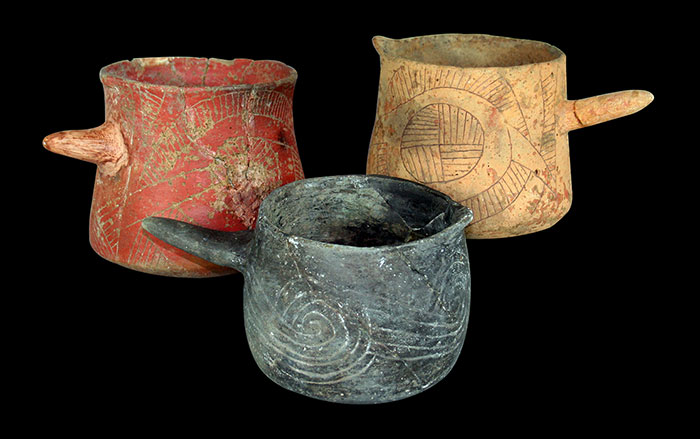
Ceramic beakers were the vessels of choice for the so-called “Black Drink” used at Cahokia by Native Americans in their purification rituals
(Linda Alexander, photographer, use with permission of the Illinois State Archaeological Society) -
Digs & Discoveries November/December 2012
The Desert and the Dead
(Courtesy Bernardo Arriaza)