

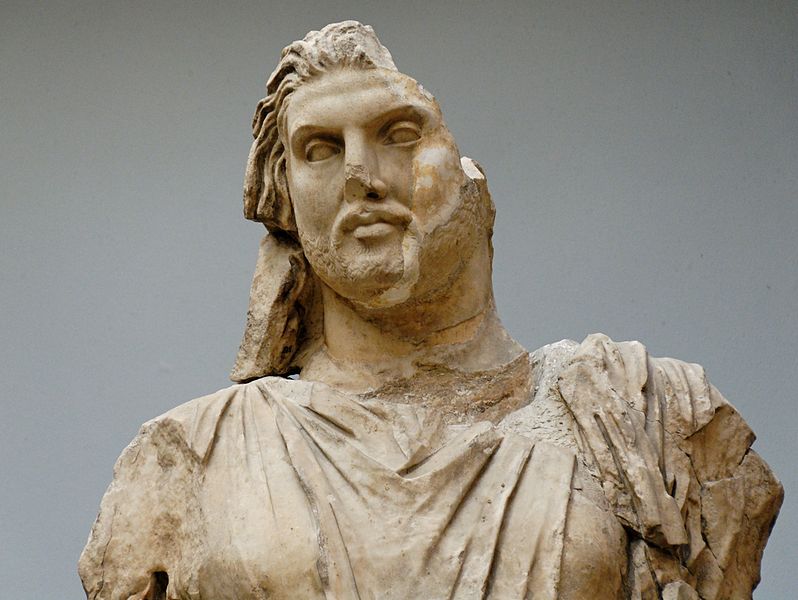
BODRUM, TURKEY—Turkish authorities reportedly plan to appeal to the European court of human rights for the return of statues from the Mausoleum of Halicarnassus. Located in Bodrum, in southwestern Turkey, the pyramid-shaped monument to Mausolus, king of Caria, was built in 350 B.C. and topped with a sculpture of a four-horse chariot and decorated with other elaborate marble figures. It is thought to have collapsed during an earthquake sometime in the medieval period. “These pieces were acquired during the course of two British initiatives, both with firmans–legal permits issued by the Ottoman authorities–that granted permission for the excavation of the site and removal of the material from the site…to the British Museum,” responded a spokeswoman from the British Museum.
Turkey Wants Halicarnassus Statues Returned
News December 12, 2012
Recommended Articles
Off the Grid September/October 2026
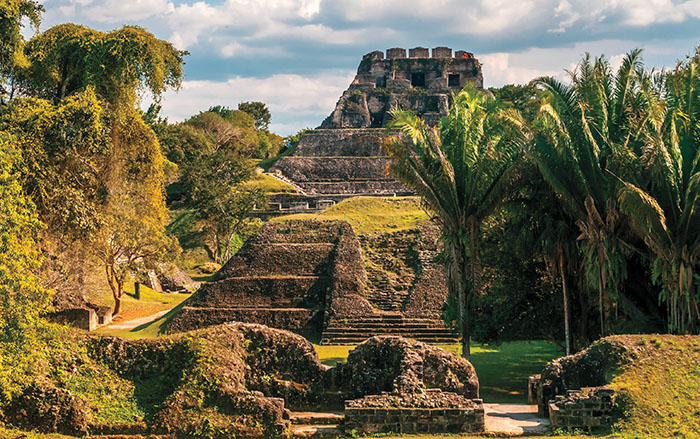
Xunantunich, Belize
Letter from Ireland September/October 2026
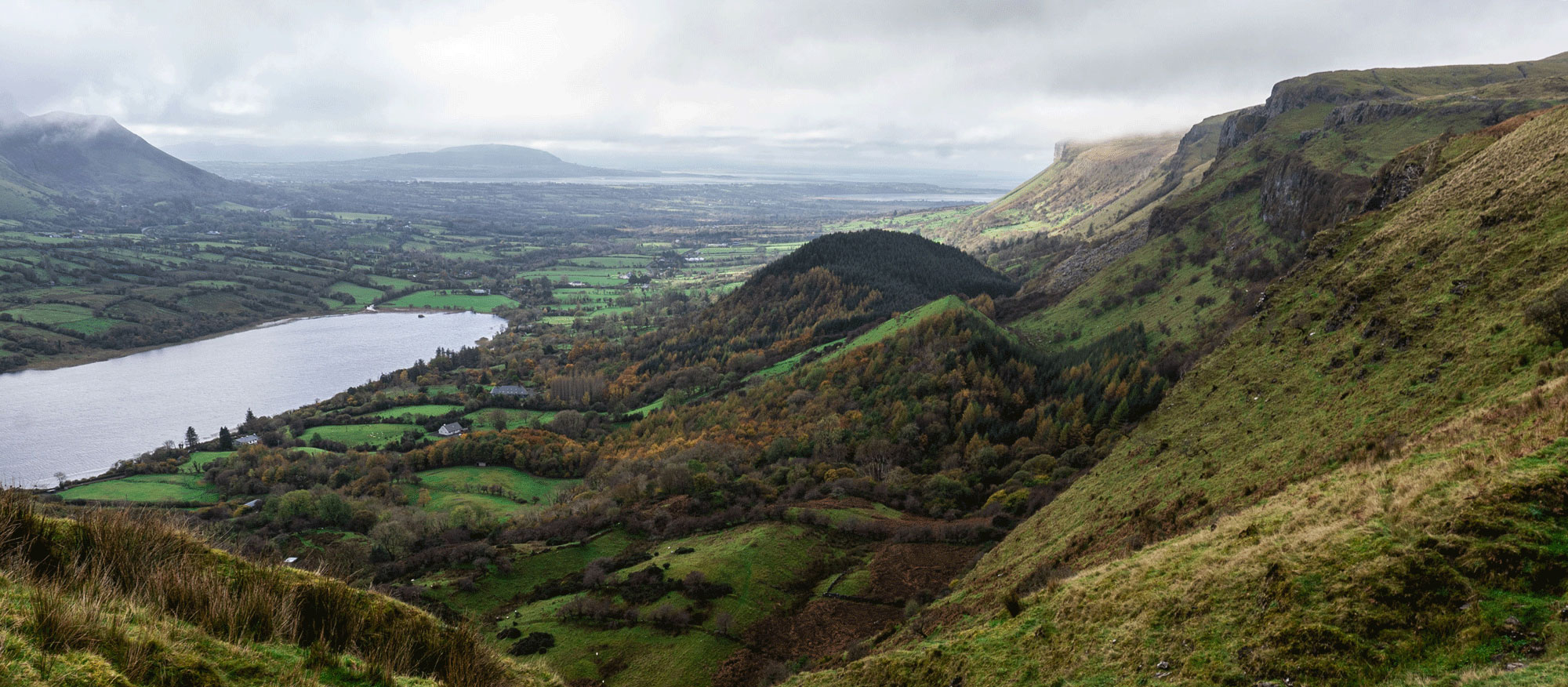
A War Between Friends
How IRA volunteers survived the Irish Civil War in a secret mountain hideout
Features September/October 2026
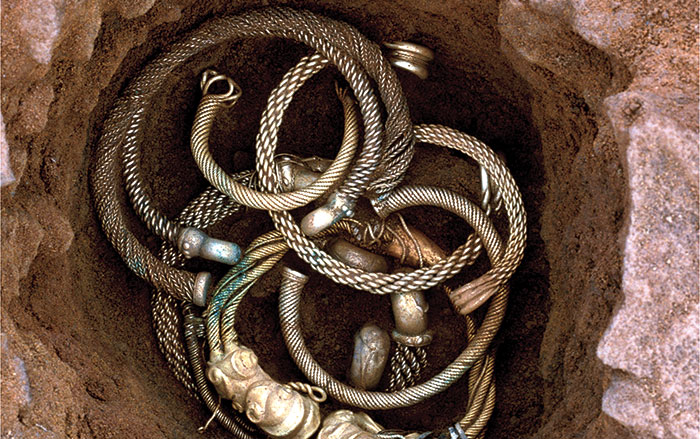
A Change in Fashion
Hoards of lavish gold and silver neck rings buried on an English hill reflect dramatic social change
Features September/October 2026
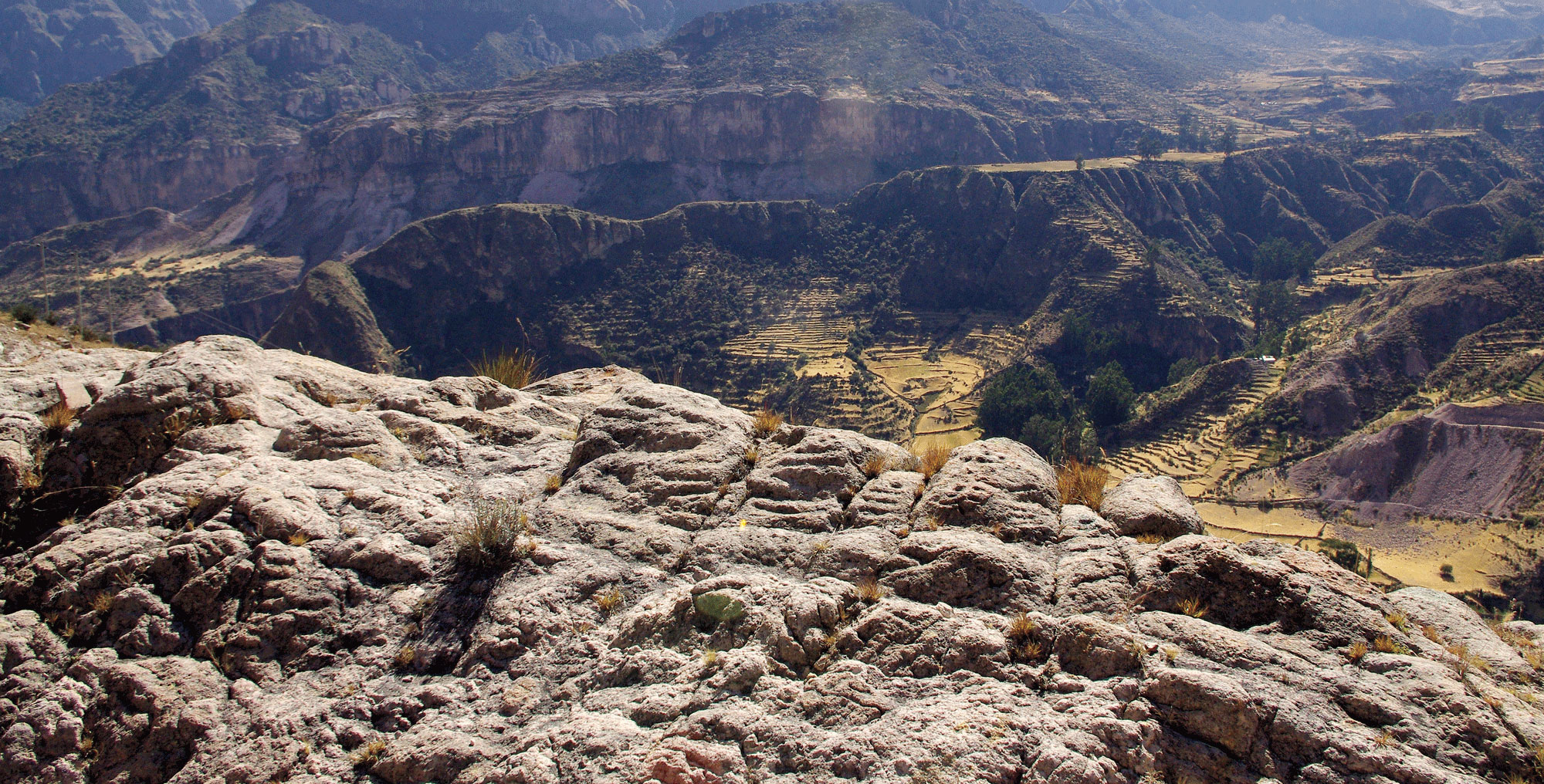
Cultivating Fields of Stone
Peru’s ancient farmers used intricate rock maps to plan for the future
More to Discover
Features November/December 2012
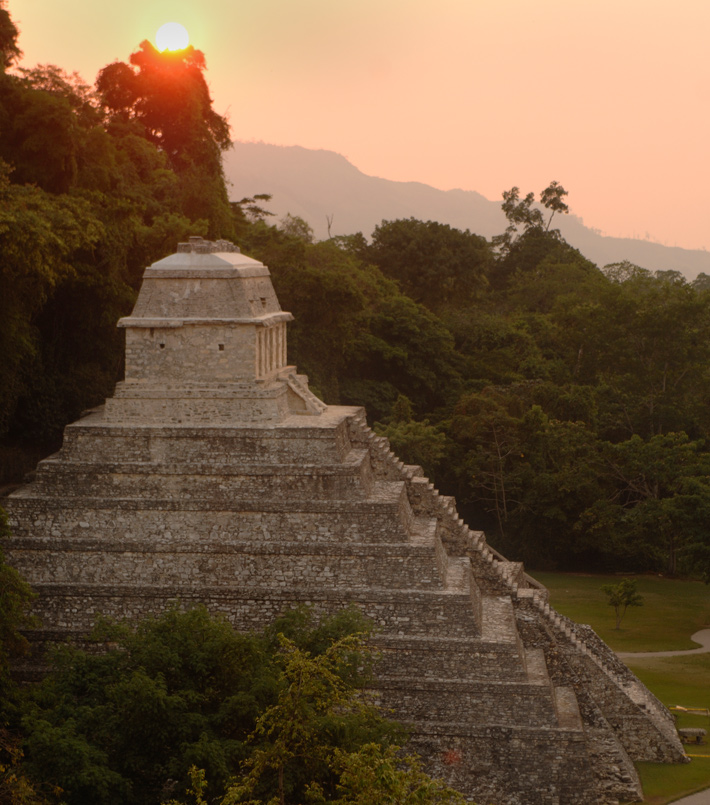
The Maya Sense of Time
As one Maya calendar reaches the end of a cycle, we take a look at how an ancient people understood their place in the cosmos
-
Features November/December 2012
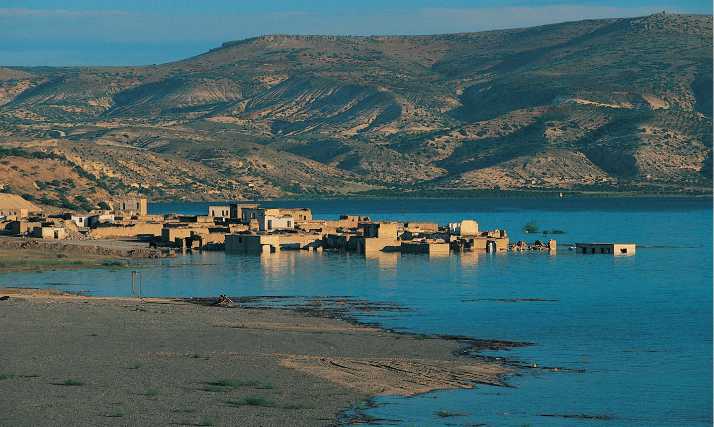
Zeugma After the Flood
New excavations continue to tell the story of an ancient city at the crossroads between east and west
 (Hasan Yelken/Images & Stories)
 -
Letter from India November/December 2012
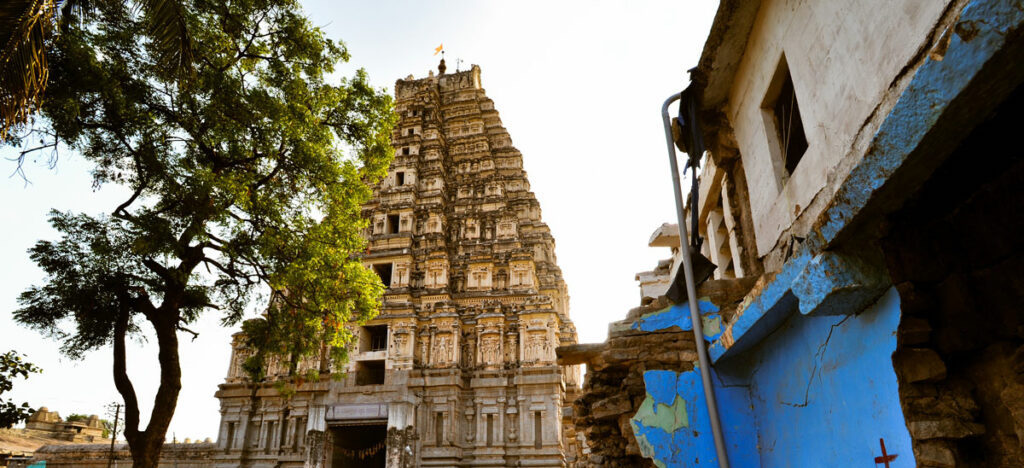
Living Heritage at Risk
Searching for a new approach to development, tourism, and local needs at the grand medieval city of Hampi
 (Gethin Chamberlain)
 -
Artifacts November/December 2012
Beaker Vessels
Ceramic beakers were the vessels of choice for the so-called “Black Drink” used at Cahokia by Native Americans in their purification rituals
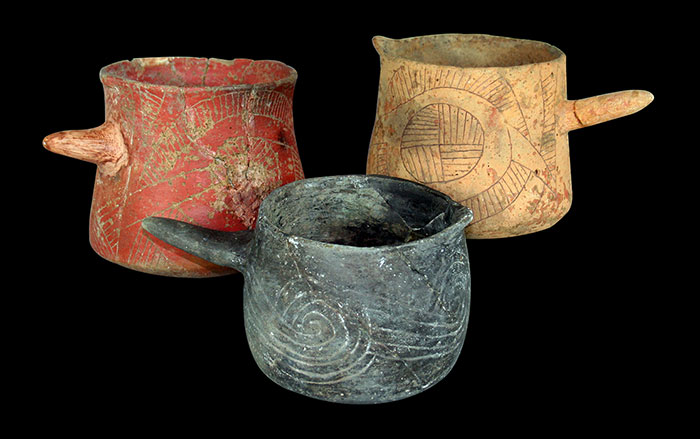 (Linda Alexander, photographer, use with permission of the Illinois State Archaeological Society)
 -
Digs & Discoveries November/December 2012
The Desert and the Dead
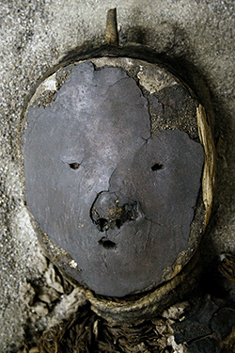 (Courtesy Bernardo Arriaza)