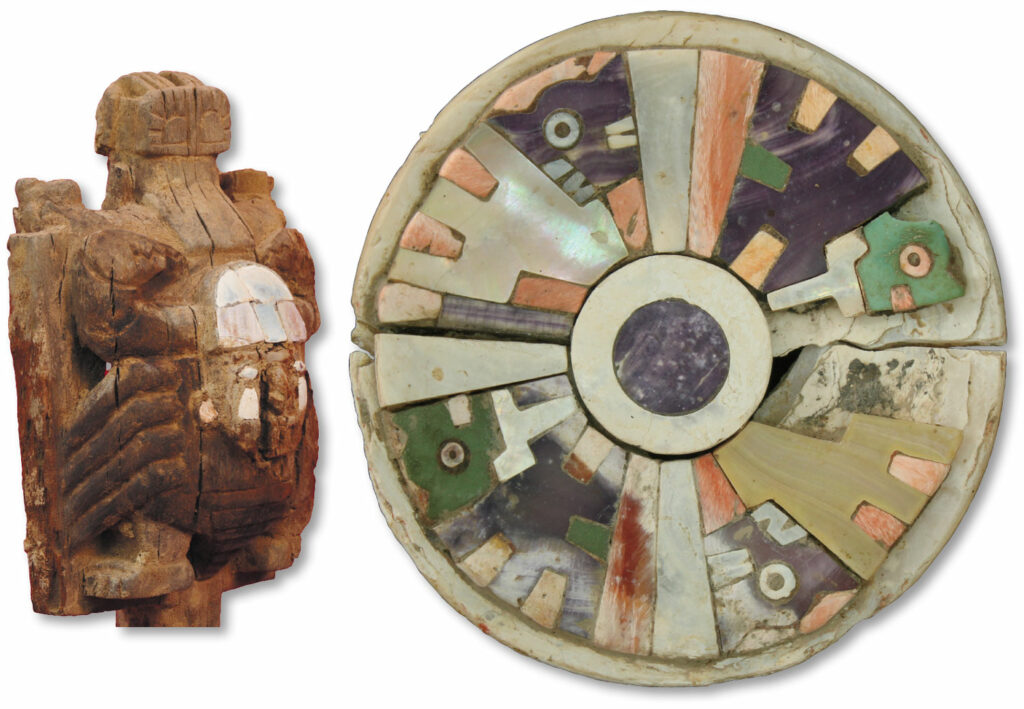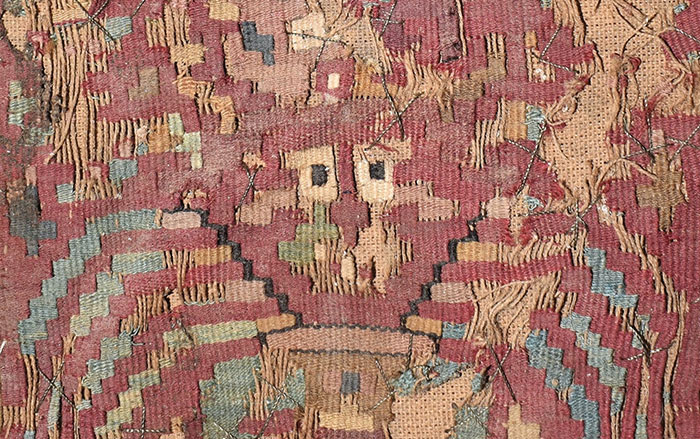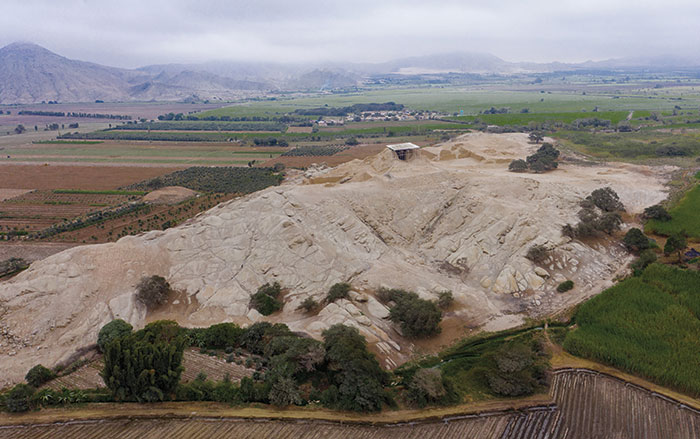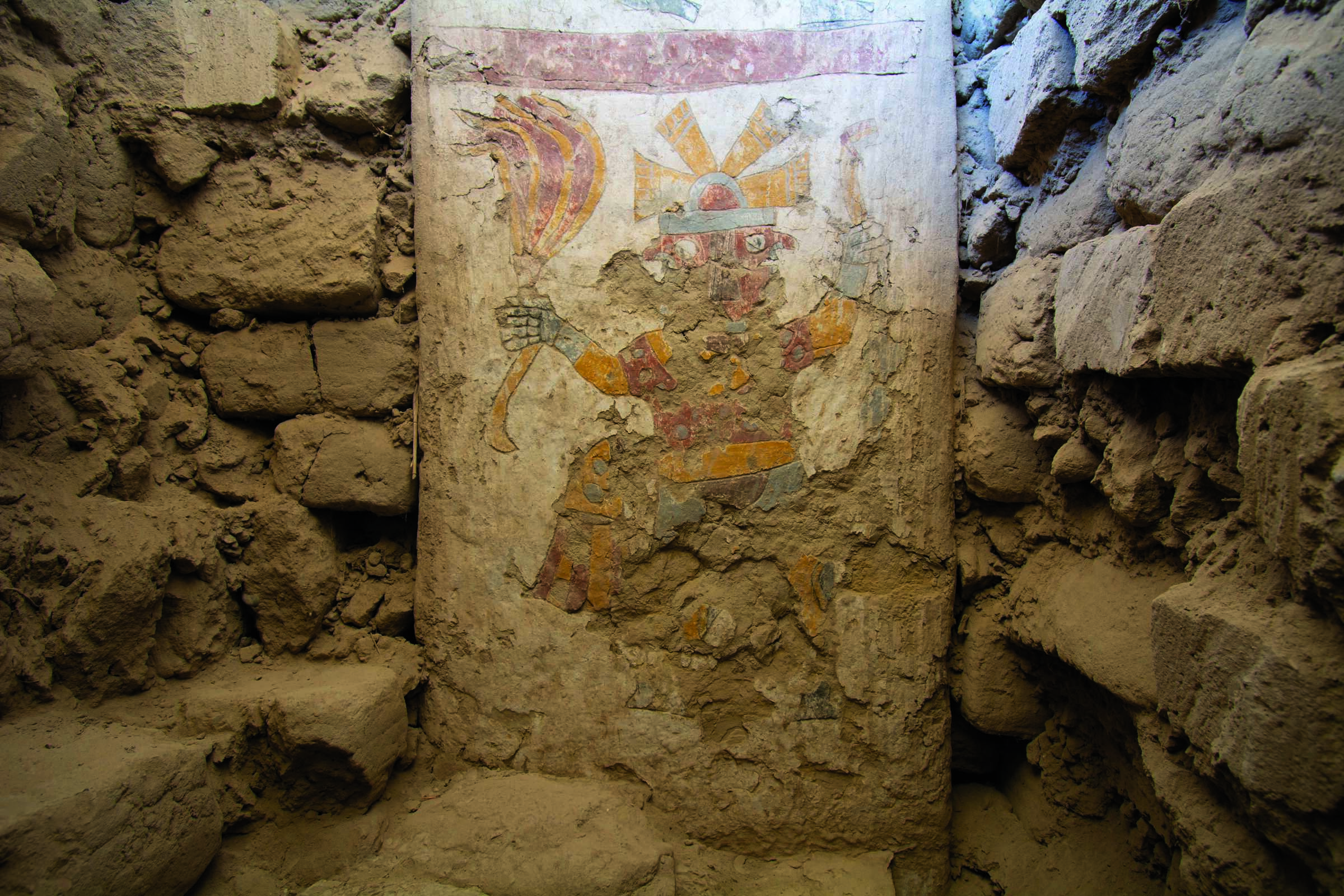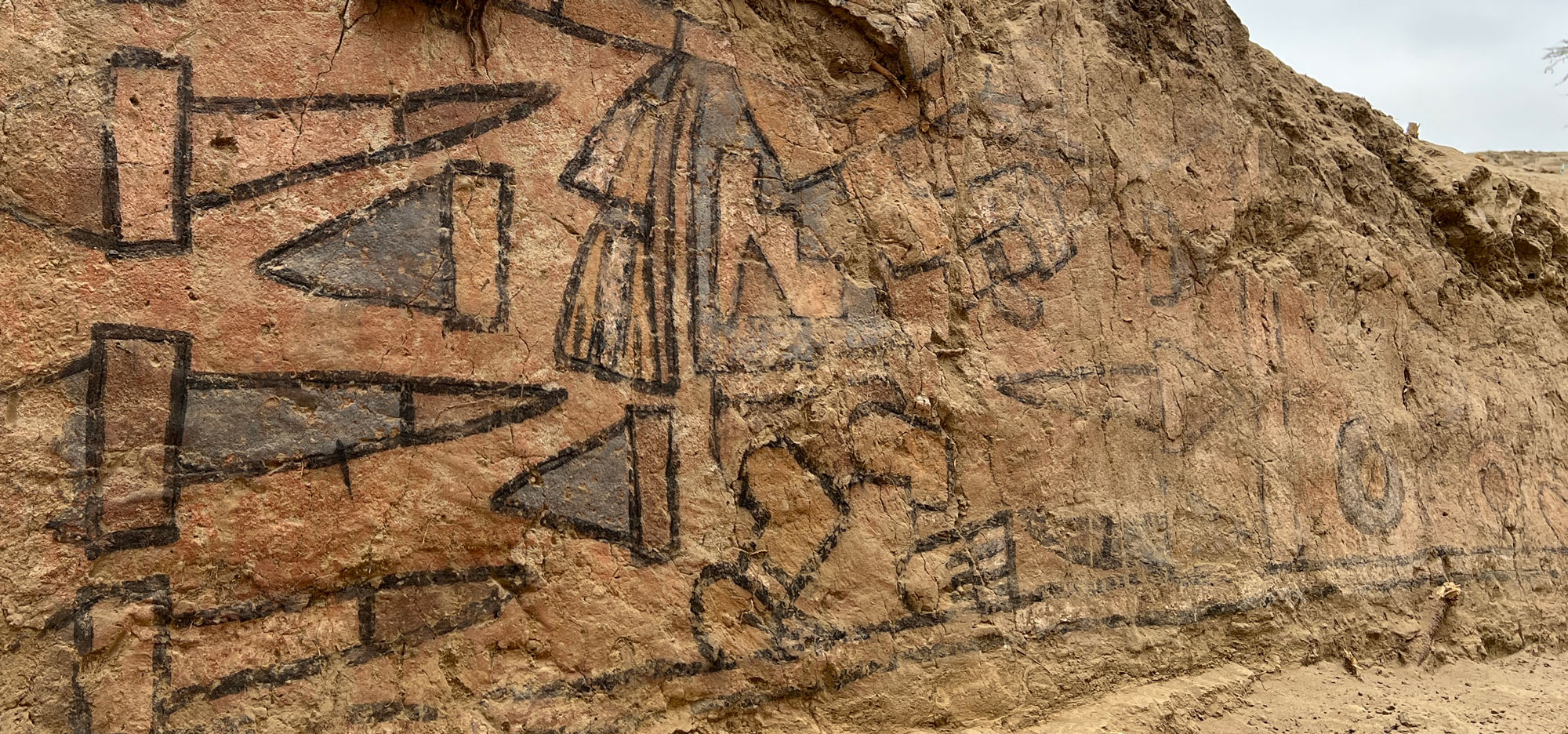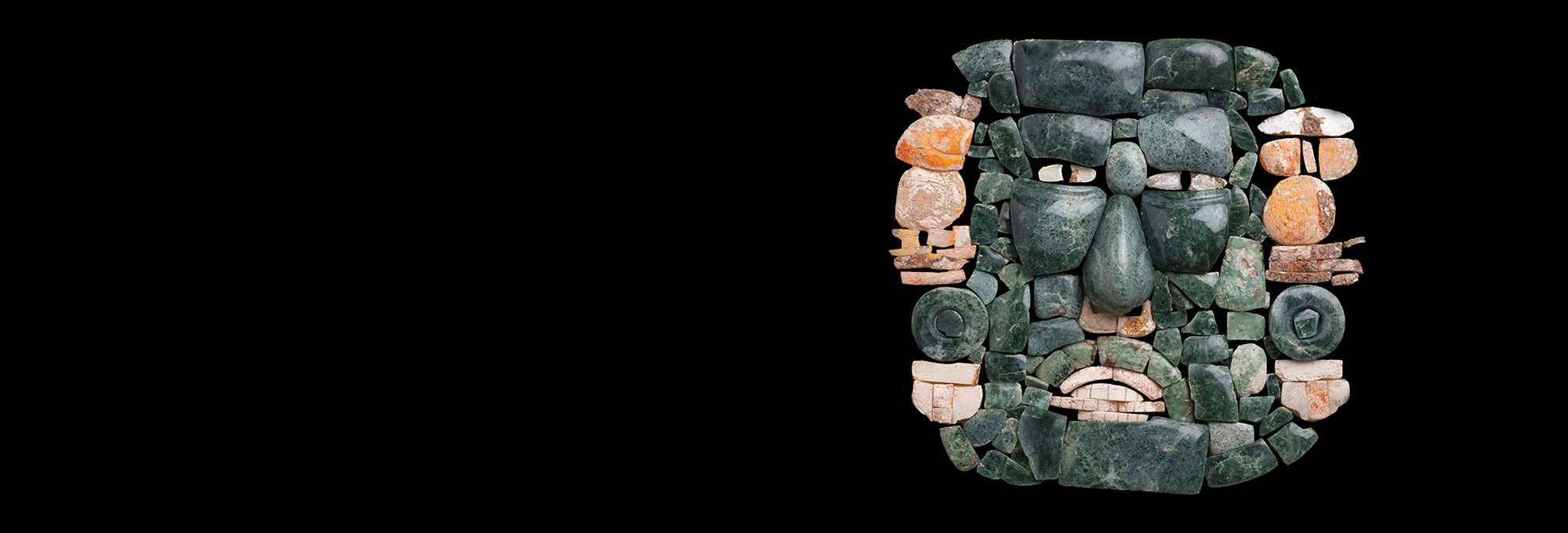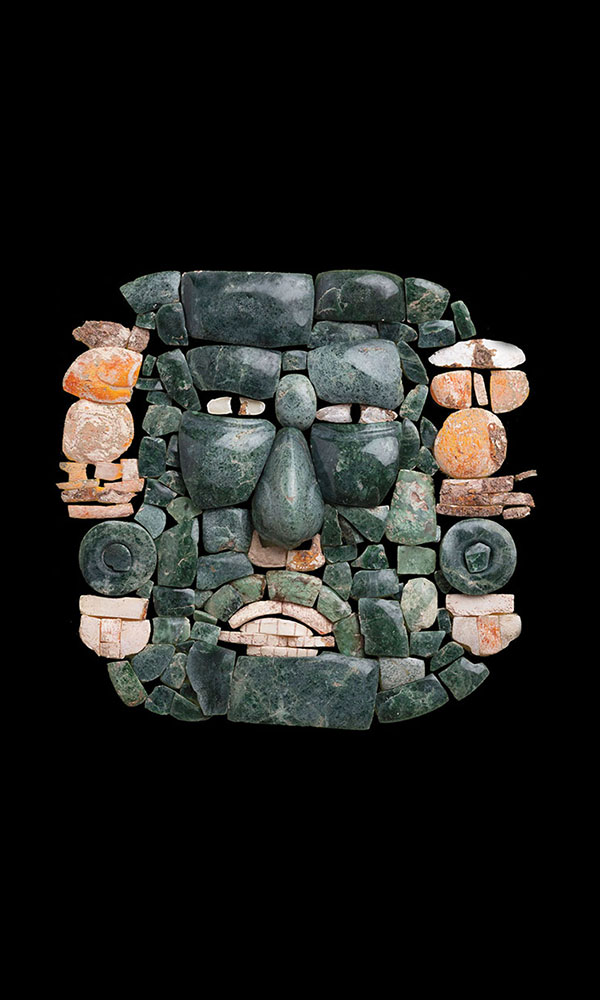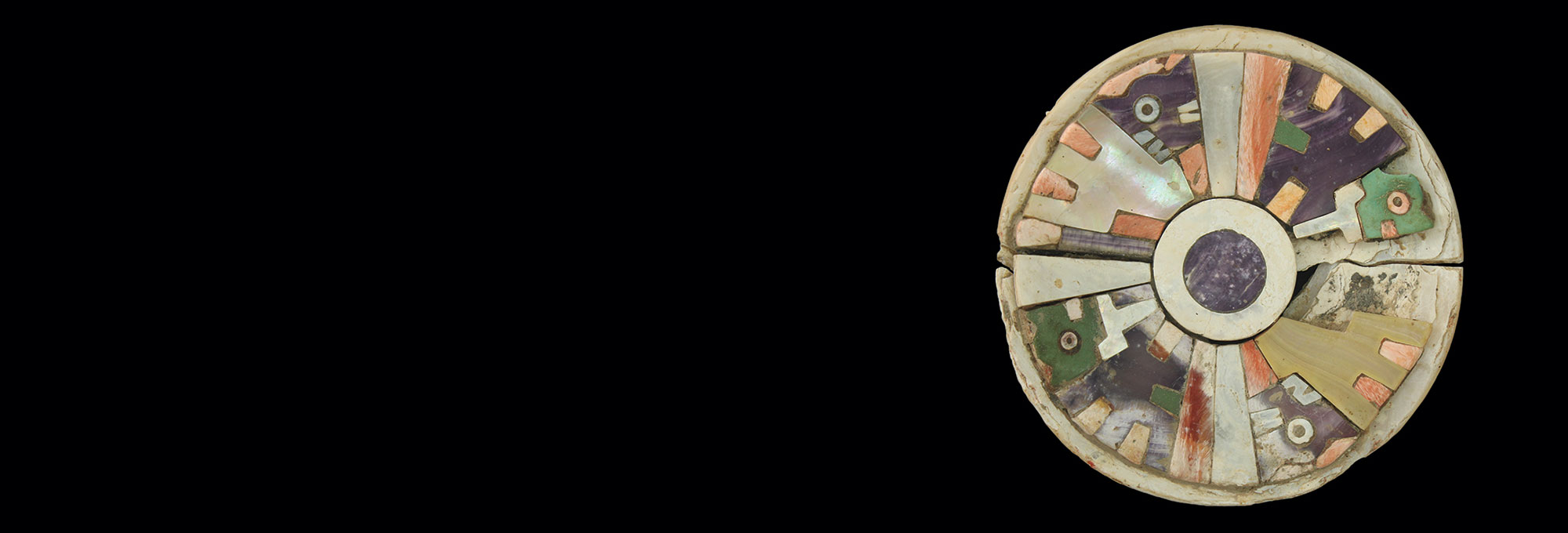
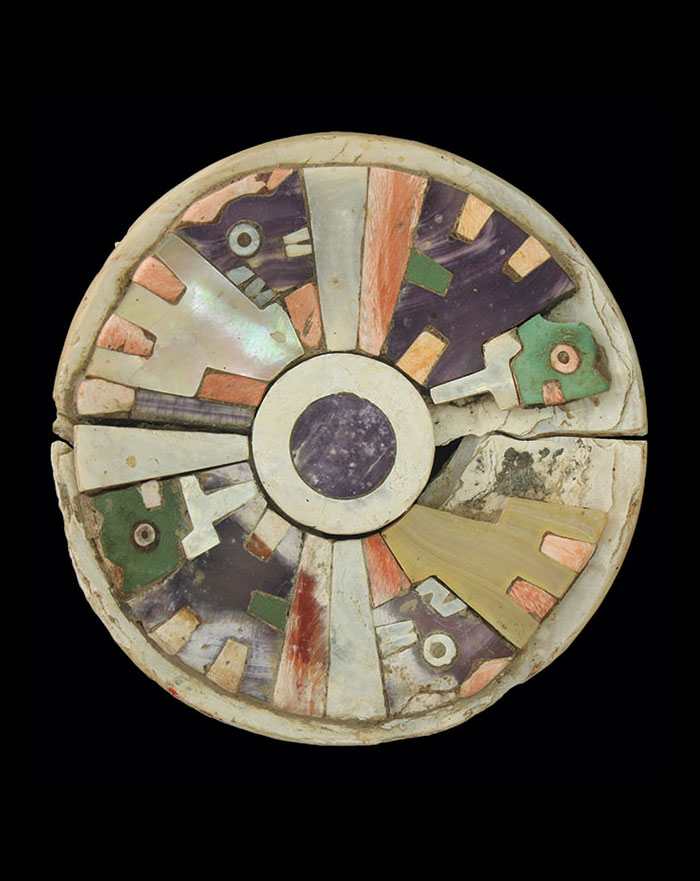
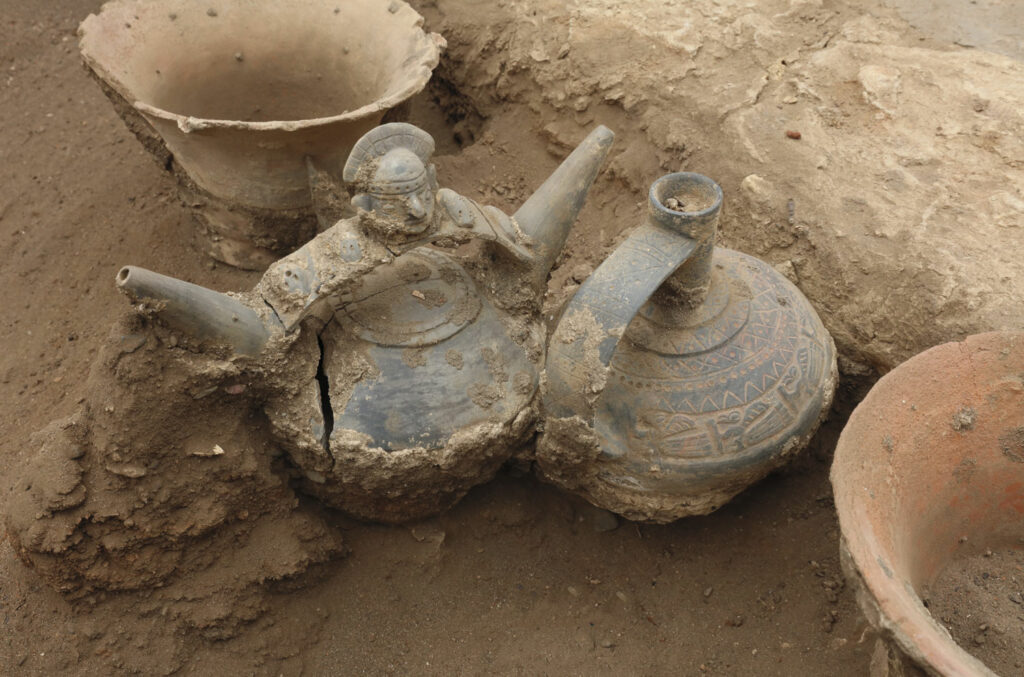
A luxurious burial at the site of Pampa la Cruz dating to between a.d. 850 and 1000 provides a window into an era when older cultures’ control of the northern Peruvian coast was waning, and the influence of newer ones was ascending. “This extraordinary burial exhibits a distinctive hybrid art style that reflects a marked influence of the highland Wari society on well-established local cultural traditions, such as those of the Moche,” says archaeologist Gabriel Prieto of the University of Florida. The grave contained two older men, one seated with his legs in a lotus position, a typical Wari pose. The man was buried with a wooden mirror shaped like an anthropomorphic crab, which was crafted using Wari techniques but rendered in the local Moche style. He also had an earspool inlaid with semiprecious stones and exotic shells that features Wari-style depictions of animals.
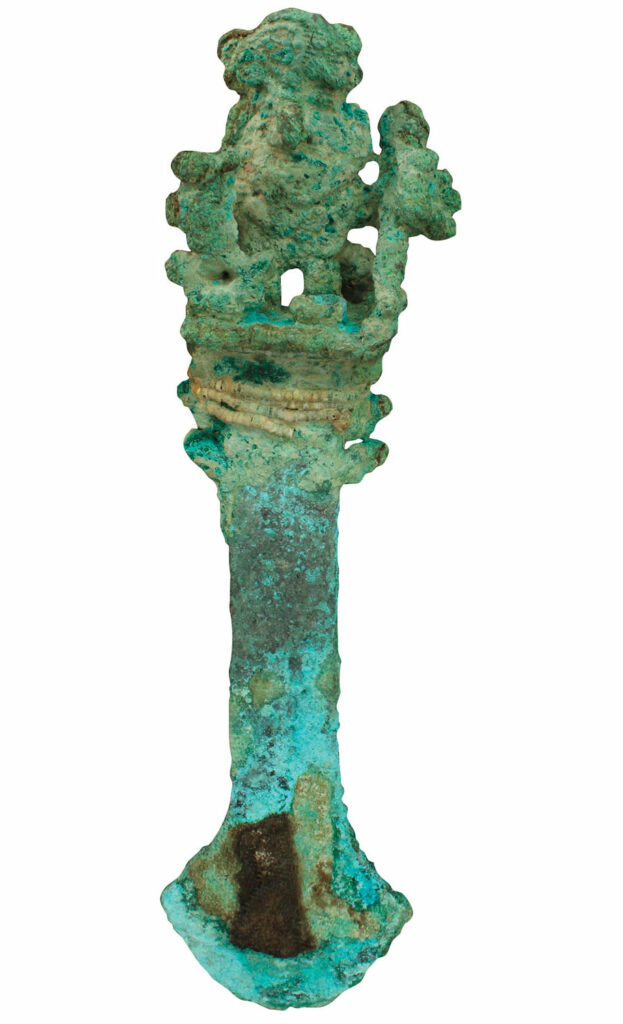
The second man was also interred in a seated position traditional for the highlands. His grave goods included a copper alloy knife depicting an anthropomorphic figure holding a war club crafted in a distinctive Moche artistic style. Ceramic vessels buried with both men provide additional examples of the transitional nature of this period. For example, a pot found with the man in the lotus position reflects typically highland motifs on a type of vessel that is neither strictly highland nor strictly Moche. “The Pampa la Cruz discovery,” says Prieto, “represents a pivotal moment of social and political reconfiguration on the north coast of Peru.”