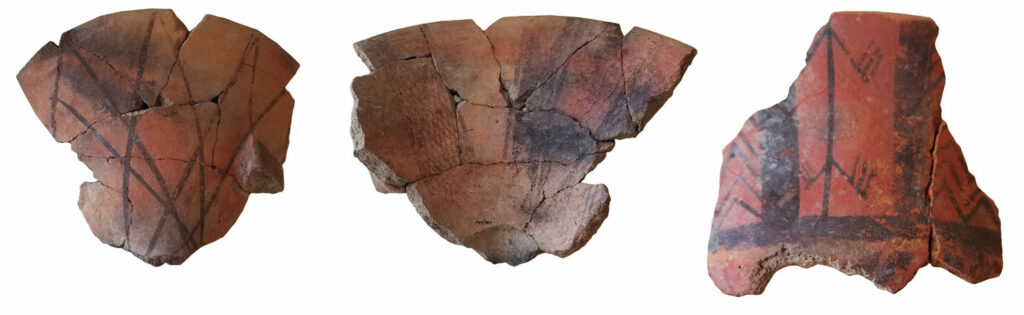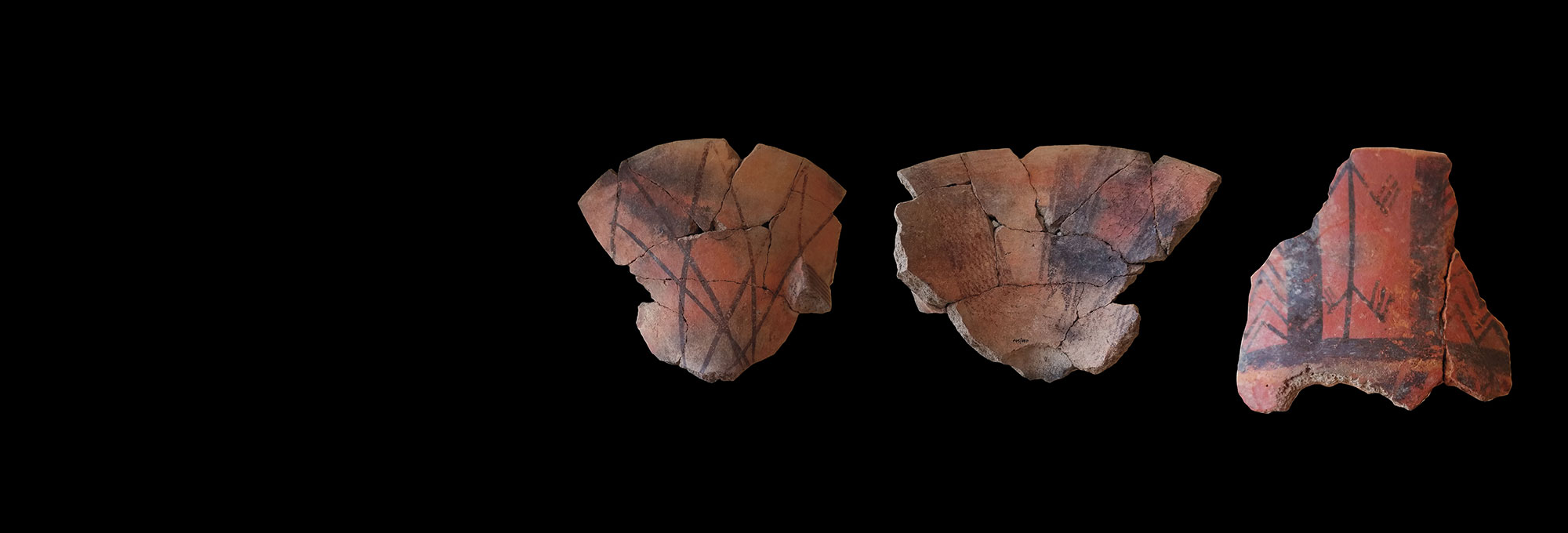
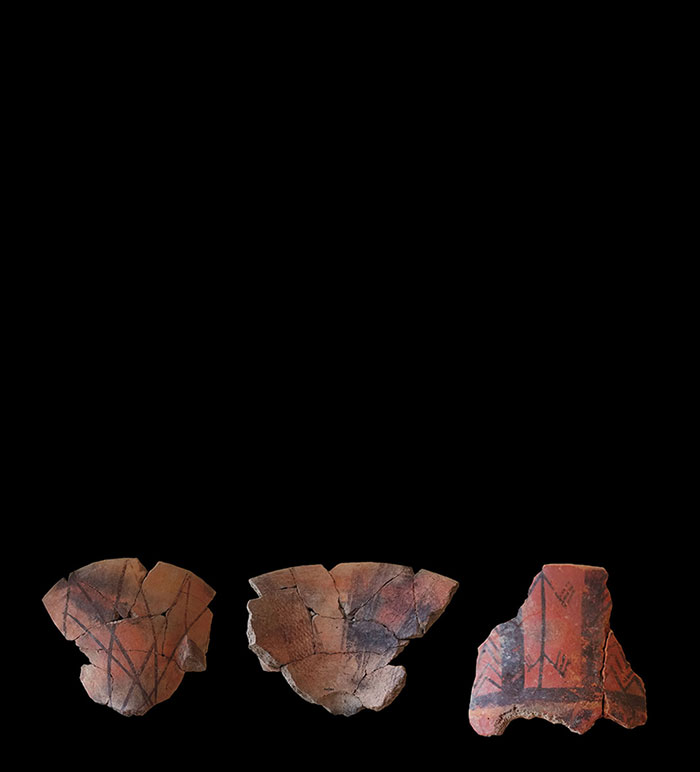
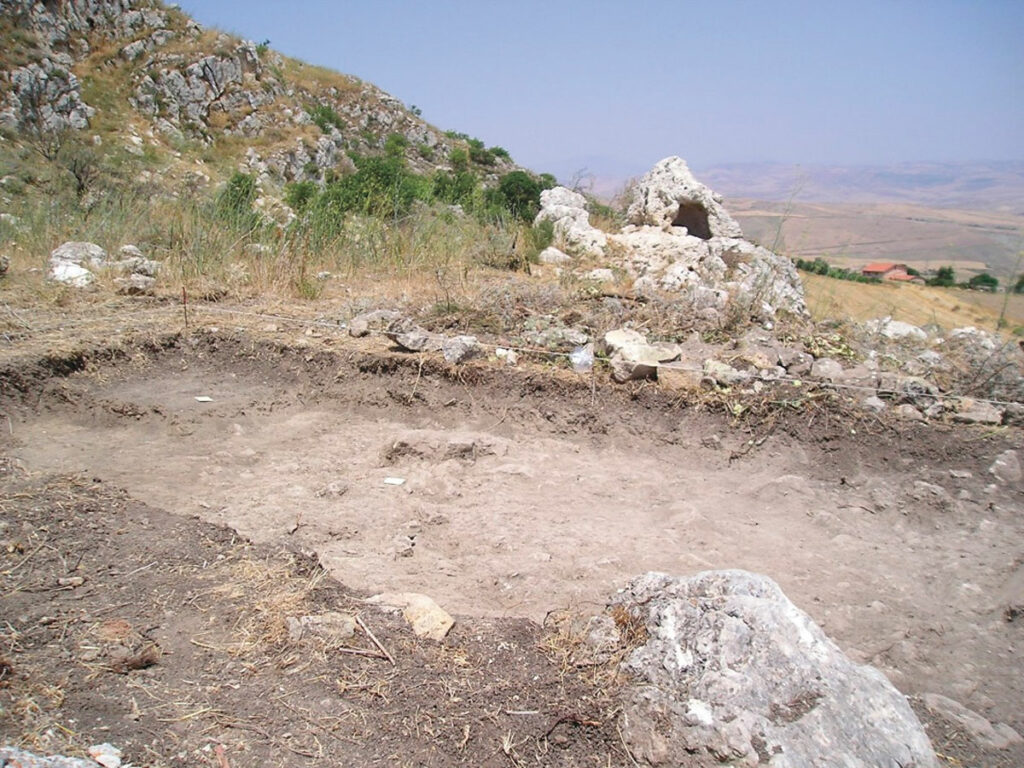
Twenty years ago, archaeologist Davide Tanasi of the University of South Florida concluded his excavations at an Early Bronze Age (ca. 2200
Recently, the team tested more than 50 of these potsherds for residues of animal proteins. To Tanasi’s great surprise, the testing revealed proteins from horse meat on the ceramics, but none from the animals whose bones the team had unearthed in the sanctuary. Wild horses are thought to have gone extinct on Sicily some 7,900 years ago, and scholars previously believed that they were not reintroduced to the island in large numbers until around 1000 b.c. “We discovered clear evidence that horses were being used for food in a ritual context during the Bronze Age,” says Tanasi. He believes the discovery complements the earliest depiction of a horse discovered on Sicily—a representation of a warrior on horseback on a seventh-century b.c. amphora that was unearthed at a later sanctuary on Polizzello Mountain. “This mountain,” Tanasi says, “was likely associated with horses for more than a millennium.”