The Lion of Venice Roars

Digs & Discoveries January/February 2026

AndrCGS/AdobeStock
SHARE:

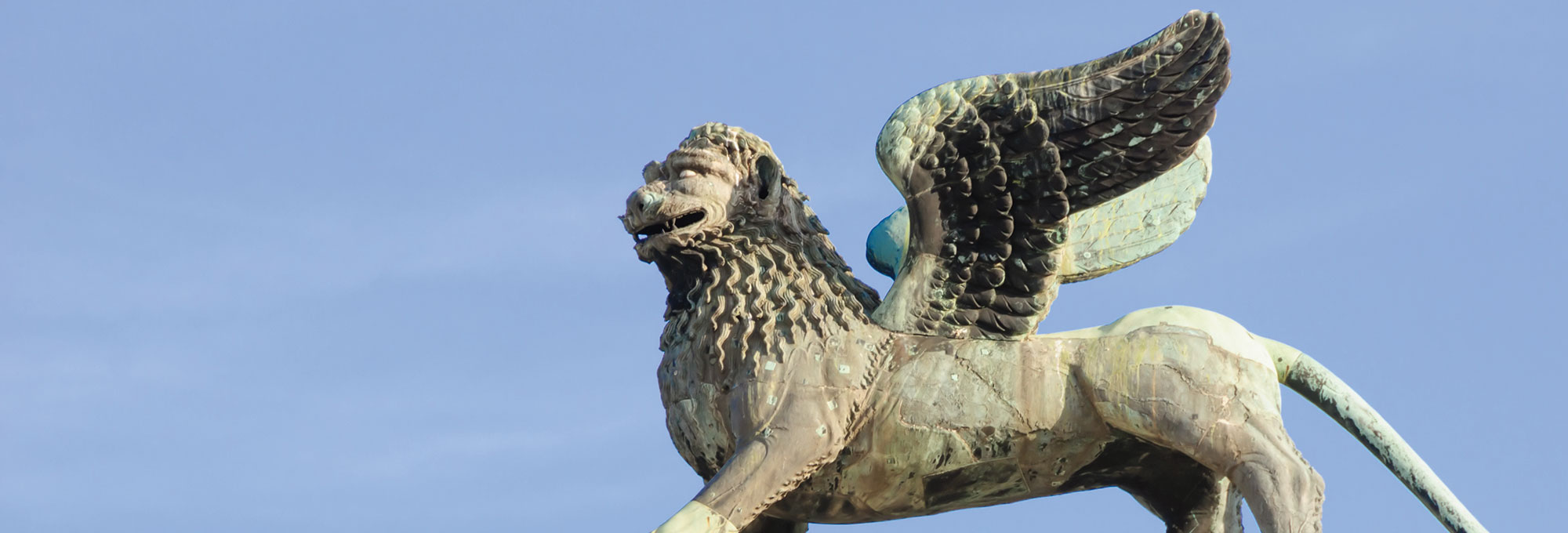
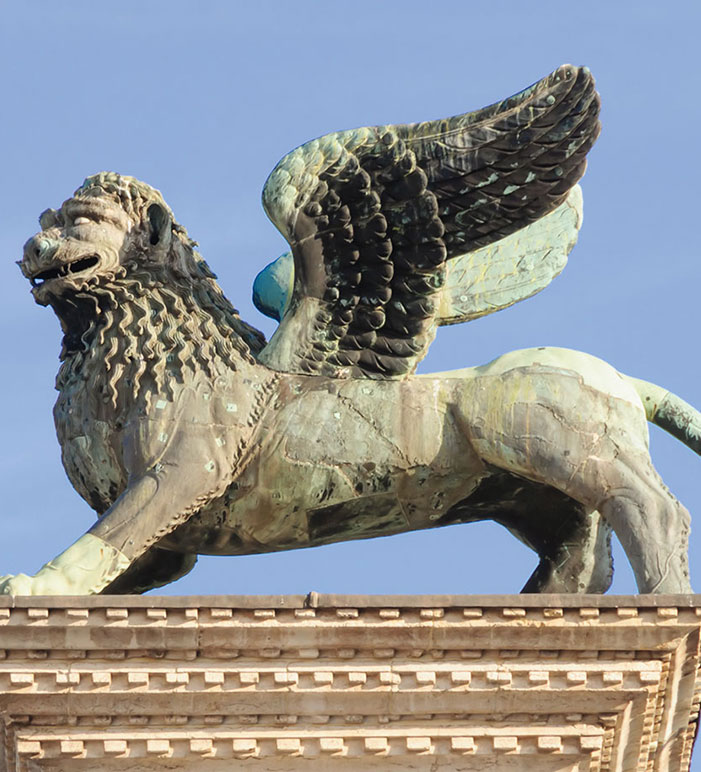
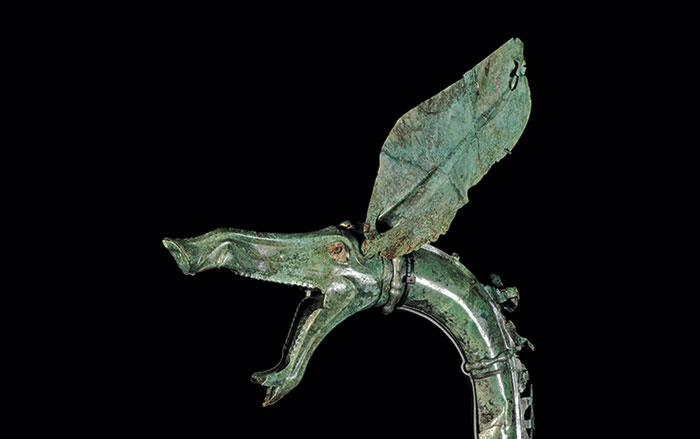
Images of lions abound in Venice. The city’s iconic symbol can be seen emblazoned on brightly colored flags, decorating the Doge’s Palace, and even adorning water taxi stops. The most prominent example, though, is the huge bronze winged lion perched high atop a column in St. Mark’s Square. This legendary artwork, sometimes referred to as the Lion of Venice, or simply the Lion, has presided over the city’s bustling main piazza for at least seven centuries. It not only represents power and
Become a Digital Subscriber Today

Get full access to all content on the ARCHAEOLOGY website and our PDF archive going back to the first publication in March 1948.

Already a Subscriber? Sign In

  • Features January/February 2026

    The Cost of Doing Business

    Piecing together the Roman empire’s longest known inscription—a peculiarly precise inventory of prices

    Read Article
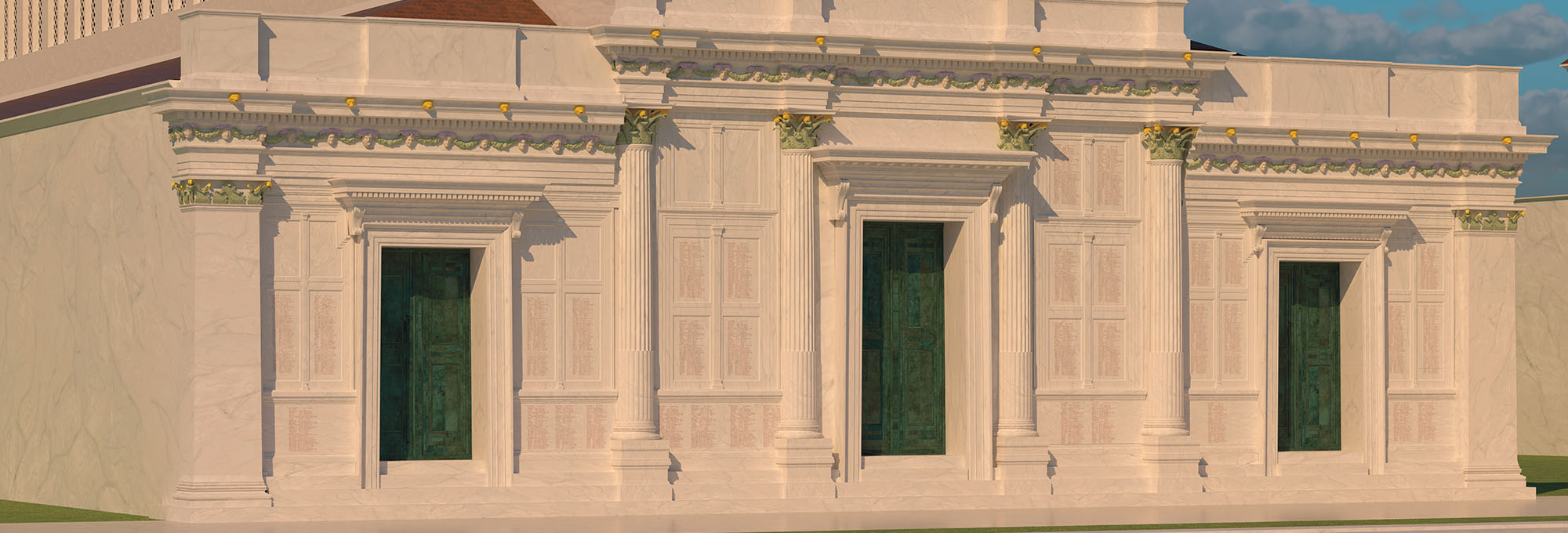
    A digital reconstruction shows how the Civil Basilica in the city of Aphrodisias in southwestern Anatolia would have appeared with the Edict of Maximum Prices inscribed on its facade.
    Ece Savaş and Philip Stinson
  • Features January/February 2026

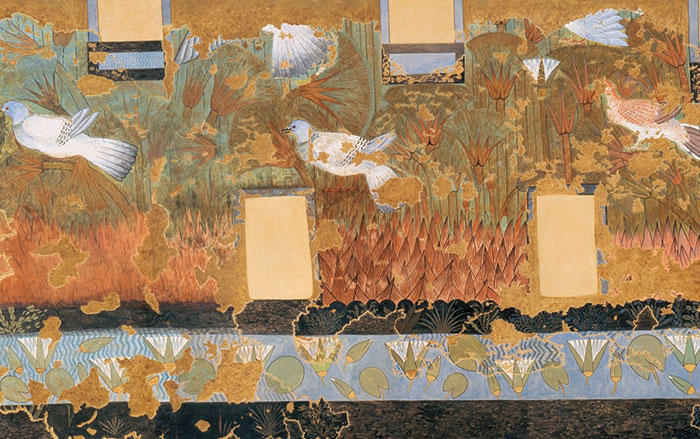
    The Birds of Amarna

    An Egyptian princess seeks sanctuary in her private palace

    Read Article
    The Metropolitan Museum of Art, New York/ Rogers Fund, 1930
  • Features January/February 2026

    Taking the Measure of Mesoamerica

    Archaeologists decode the sacred mathematics embedded in an ancient city’s architecture

    Read Article
    Courtesy Claudia I. Alvarado-León
  • Features January/February 2026

    Stone Gods and Monsters

    3,000 years ago, an intoxicating new religion beckoned pilgrims to temples high in the Andes

    Read Article
    The ritual center of Chavín de Huántar flourished in northern Peru.
    Courtesy John Rick