Ancient Architectural Digest

Digs & Discoveries May/June 2026

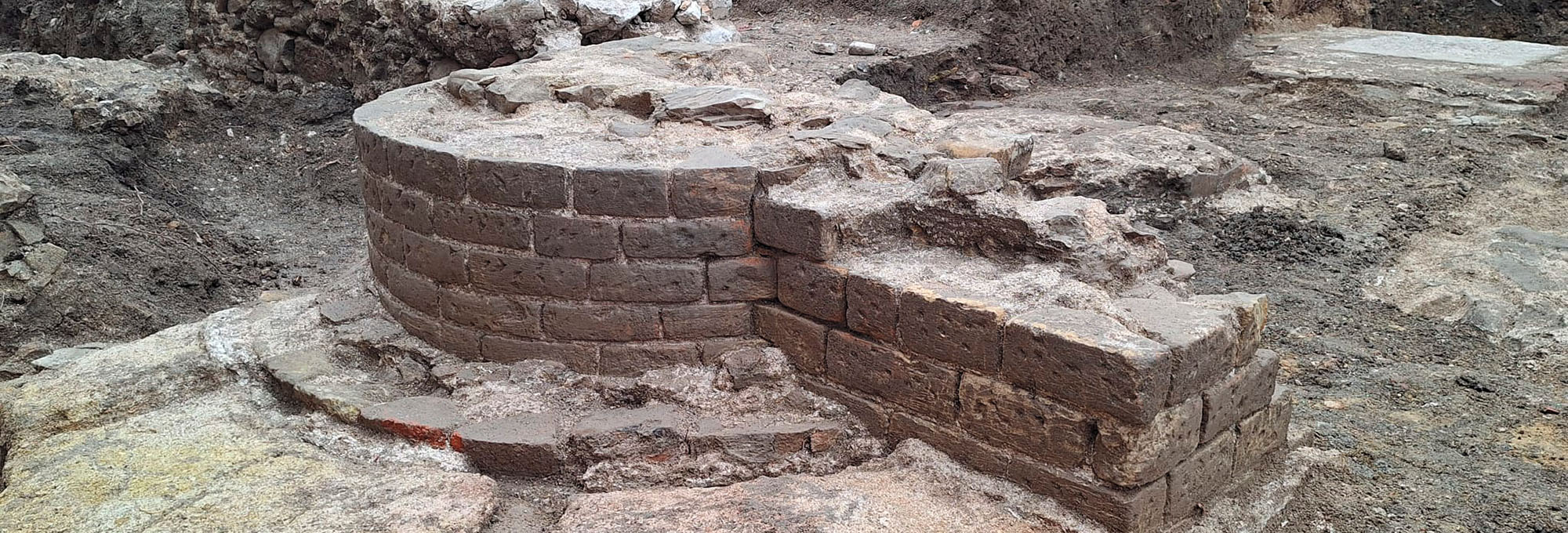
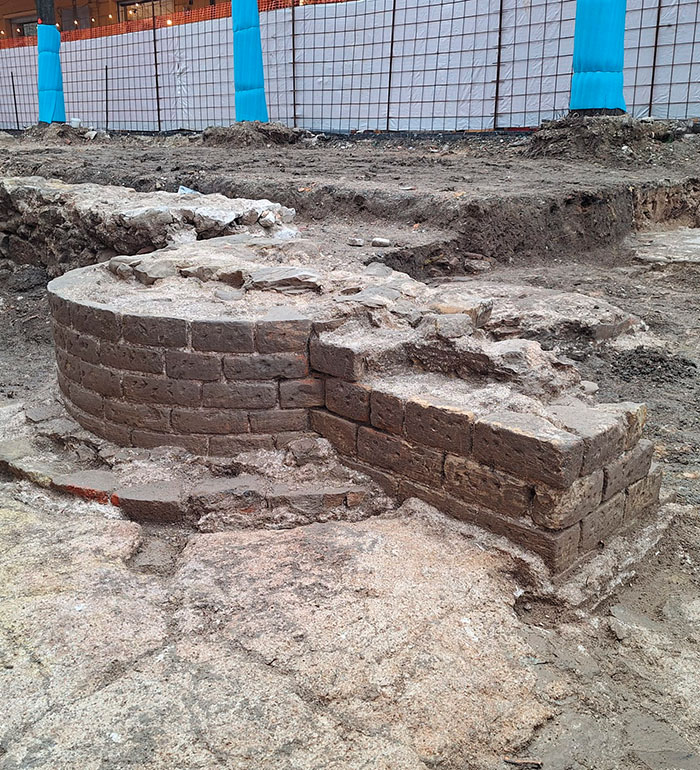
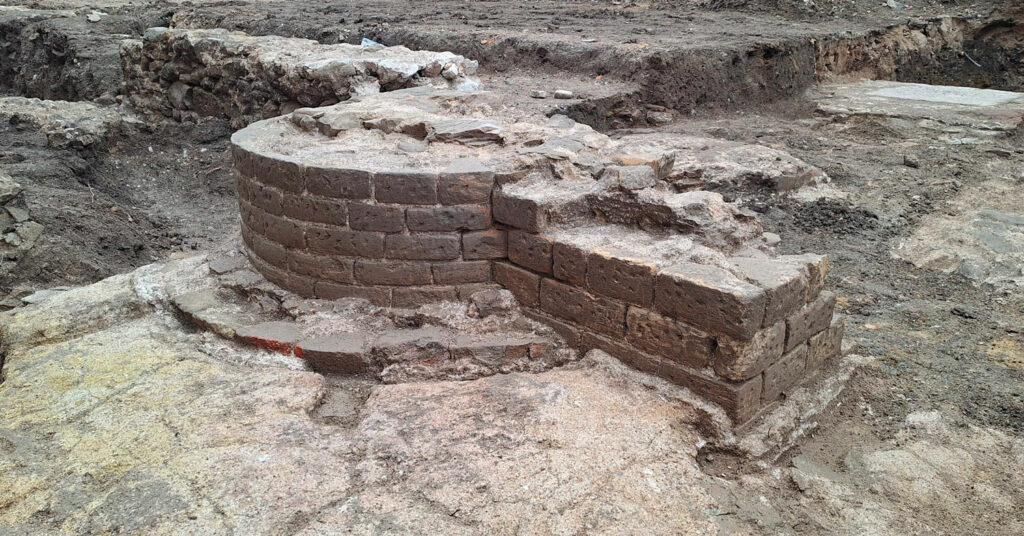
Lower portion of column, Fano, Italy Lower portion of column, Fano, Italy
SABAP Ancona e Pesaro e Urbino
SHARE:

In the city of Fano on the coast of Italy’s Marche region, a team led by archaeologist Ilaria Rossetti of the Superintendency of Archaeology, Fine Arts, and Landscape for the Provinces of Ancona and Pesaro and Urbino has discovered the only building known to have been designed by the renowned first-century b.c. Roman architect Vitruvius. In his treatise On Architecture, Vitruvius describes the structure as a basilica measuring 164 by 114 feet, with a colonnade of eight columns on the longer sides and four columns along the shorter sides. Archaeologists unearthed two bases on which statues likely once stood, the lower parts of five of the columns along the colonnade’s long sides, and sections of the basilica’s outer walls, which were covered in plaster that was painted black. They found that each column is made of stone blocks placed around a cement core and has a diameter of five feet. Both details match Vitruvius’ account and are evidence that the archaeologists have indeed identified the lost building.
  • Features May/June 2026

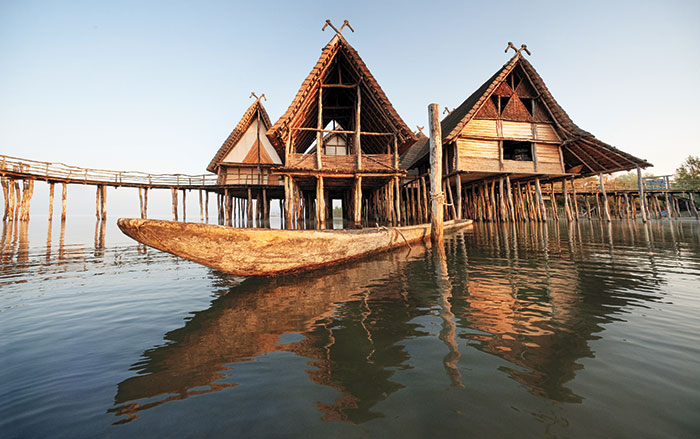
    Pioneers of Lakefront  Living

    Why Neolithic and Bronze Age farmers in the Alps built their villages on stilts

    Read Article
    Modern replicas of Bronze Age houses in Lake Constance
    © APM/Frank Müller
  • Features May/June 2026

    The Last Maya Kingdom

    On the shores of a lake in Guatemala, the Itzá people defied the Spanish for nearly 200 years

    Read Article
    Flores Island, Guatemala
    Courtesy Timothy Pugh/Itzá Archaeological Project
  • Features May/June 2026

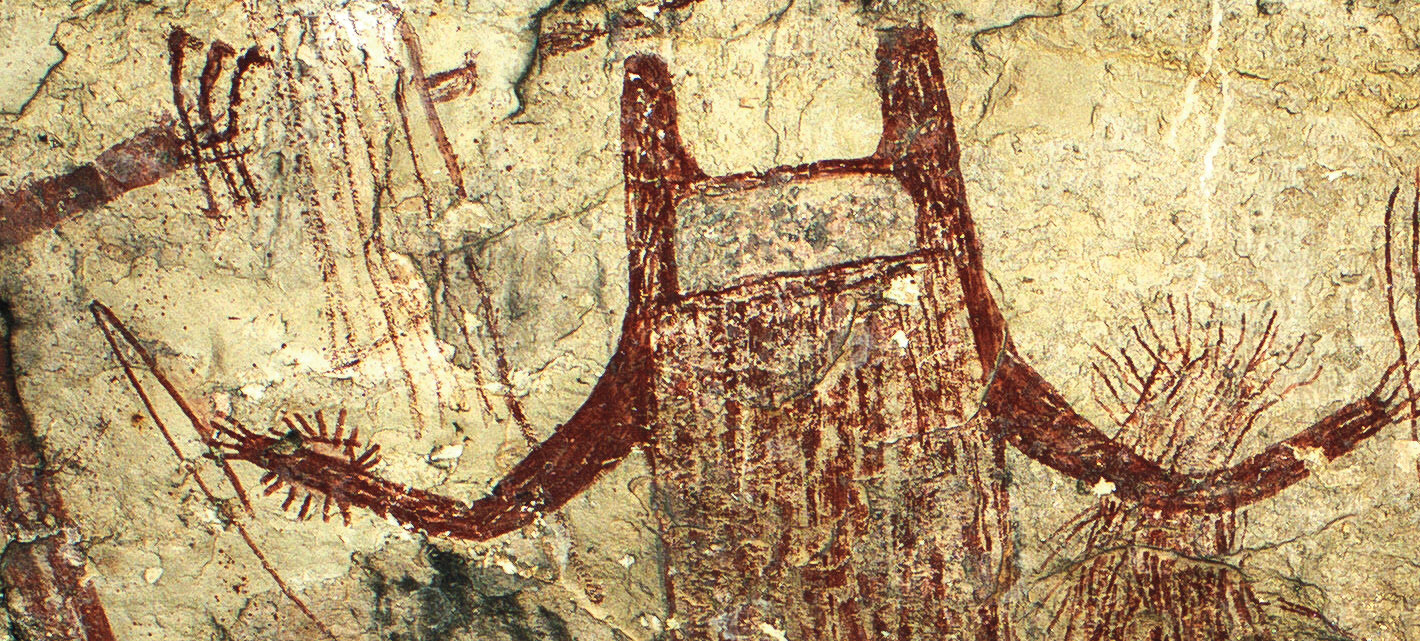
    Art for the Ages

    A surreal style of painting endured for 4,000 years in the canyonlands of West Texas

    Read Article
    Shumla Archaeological Research and Education Center Archive
  • Features May/June 2026

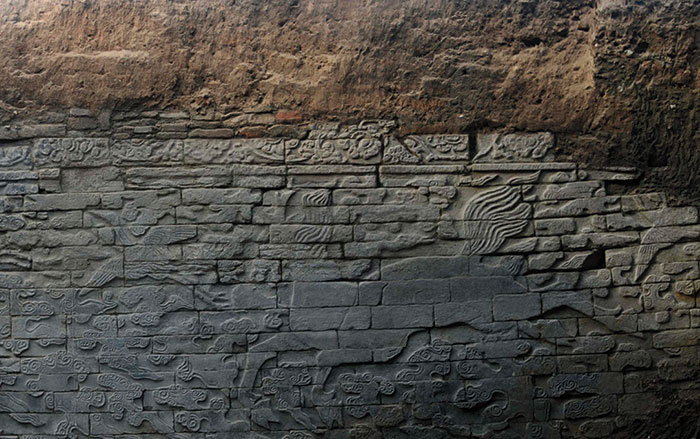
    Bridge to the Past

    The Yellow River brought both prosperity and calamity to China’s dazzling medieval capital By Ling Xin

    Read Article
    Henan Provincial Institute of Cultural Heritage and Archaeology