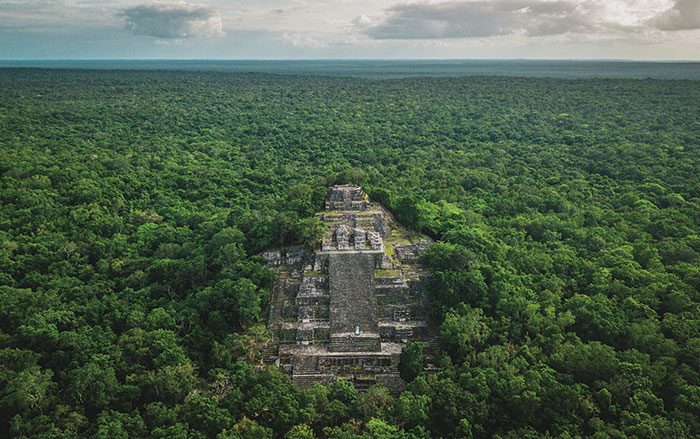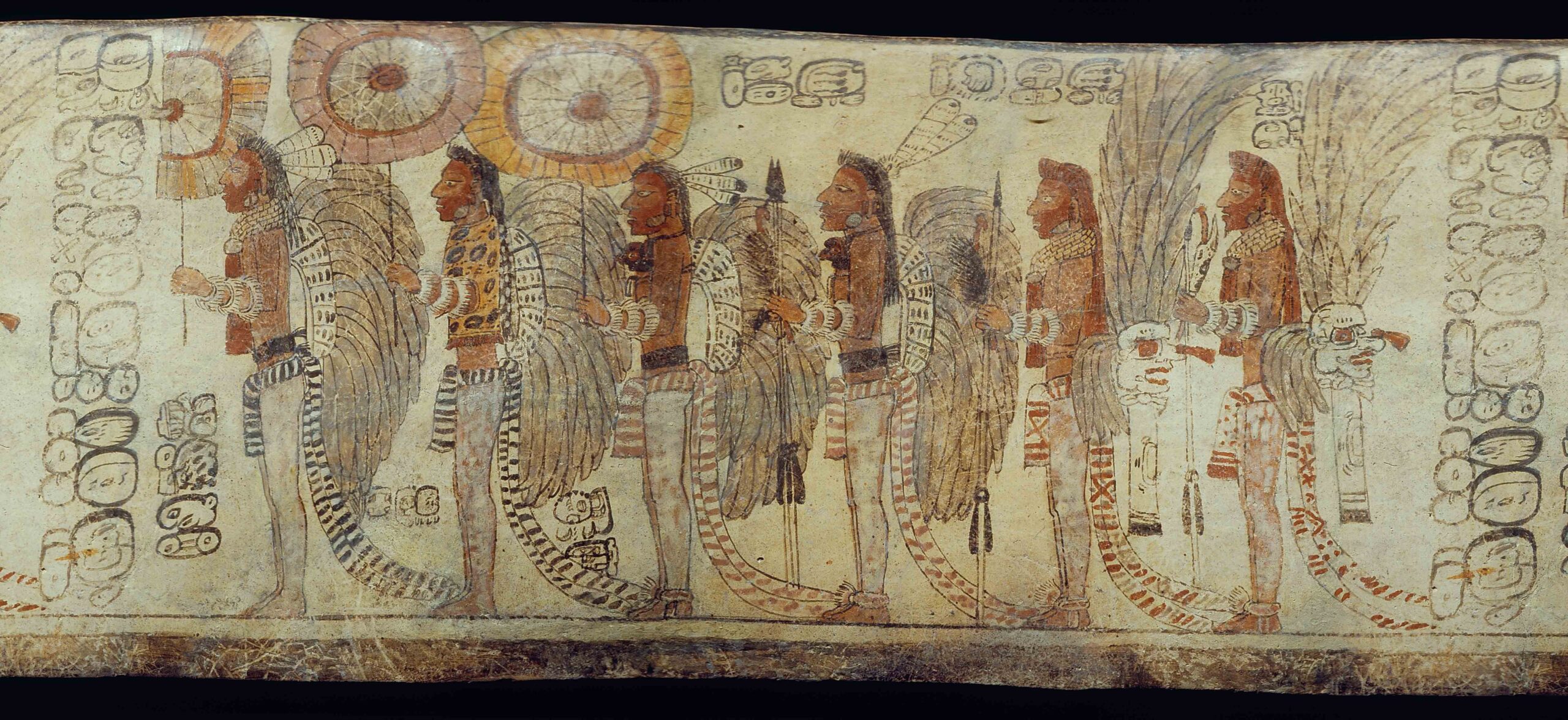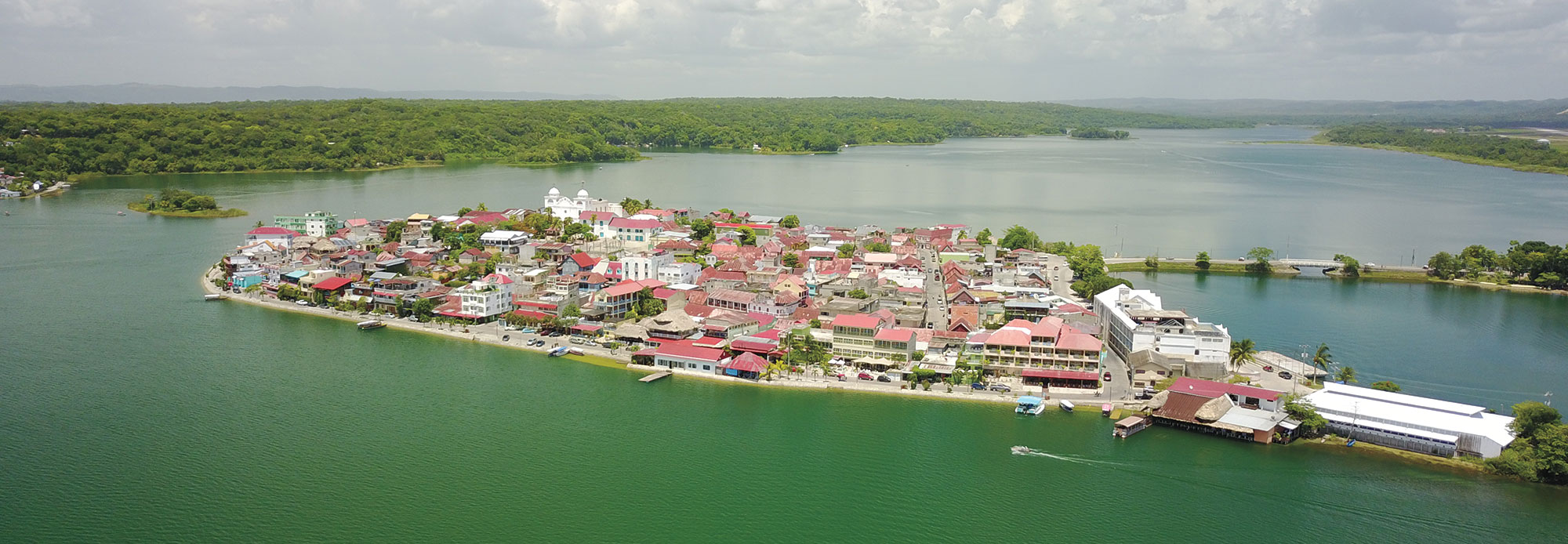
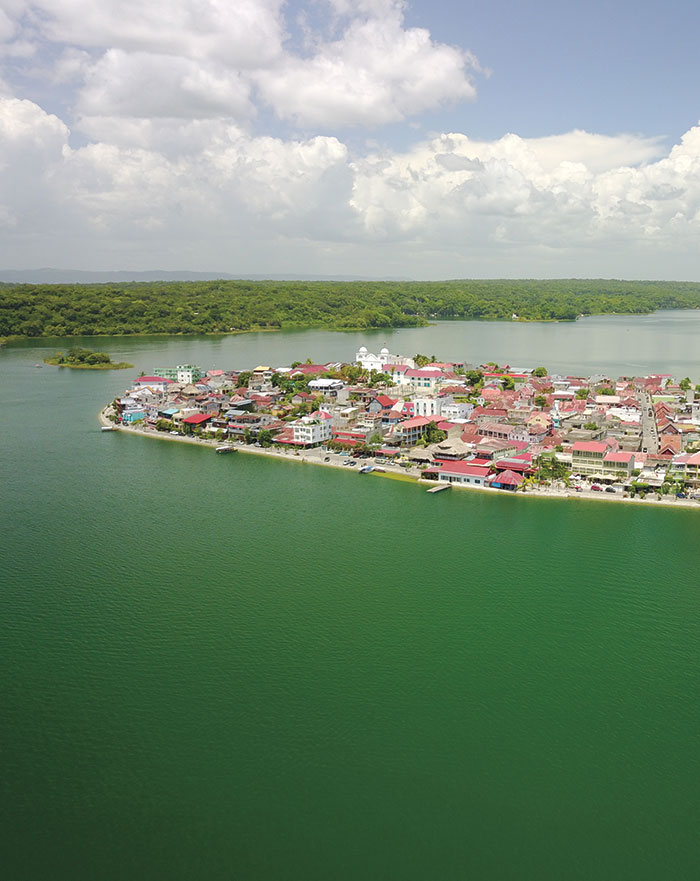
It took the Spanish and their Indigenous allies only two years to capture the Mexica, or Aztec, capital of Tenochtitlan, now Mexico City, after entering the city in 1519. The Maya, however, presented a more resolute challenge. This was in part because the Maya had never been ruled by a single centralized state. Dozens of independent Maya kingdoms across southern Mexico and Central America mounted various forms of resistance to the Spaniards. While some declared allegiance to the colonizers witho
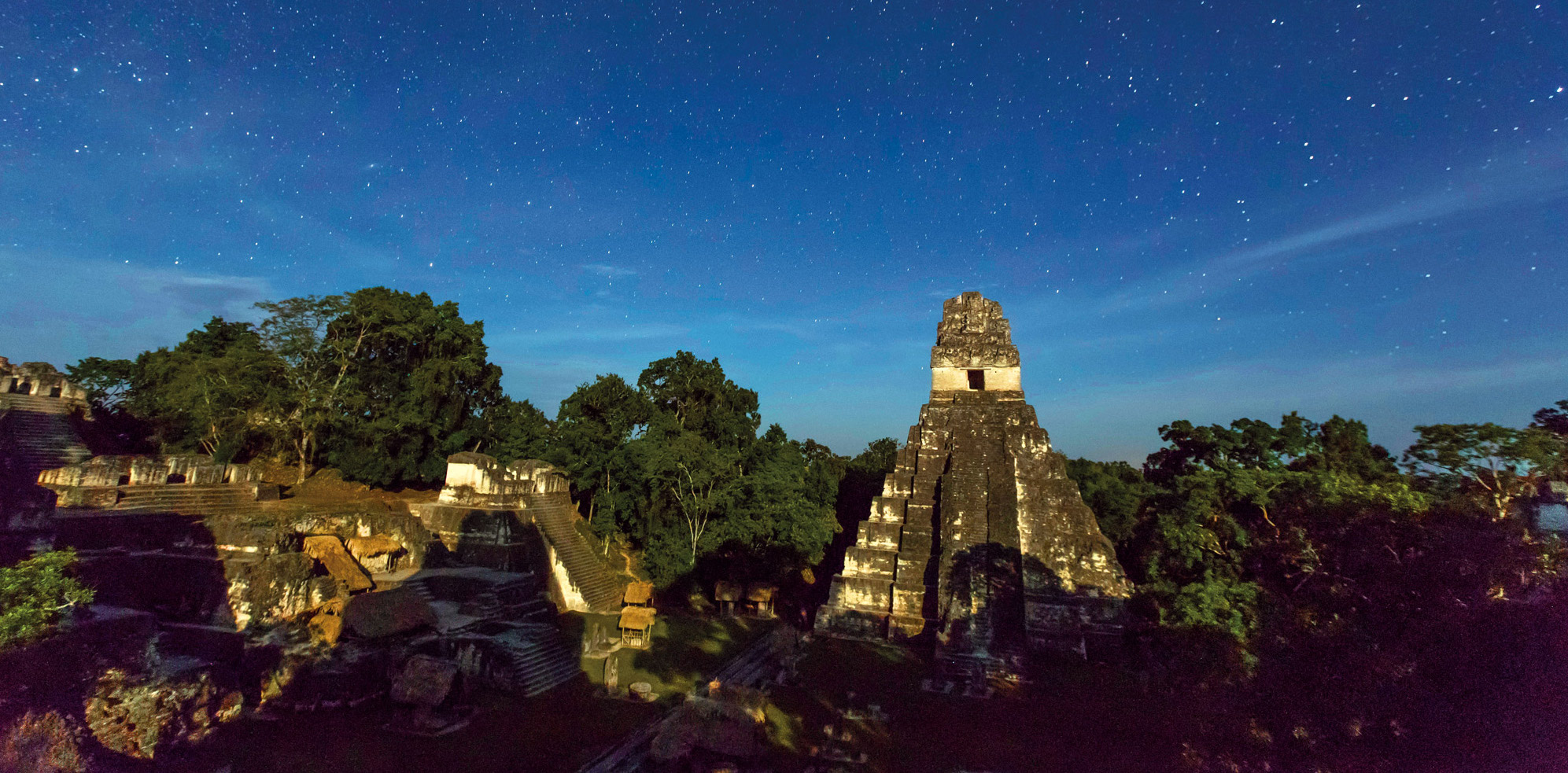
The Last Maya Kingdom
Recommended Articles
Features November/December 2024
Chalice of Souls
A Maya jade heirloom embodies an enduring sacred tradition
Features January/February 2023
Jungle Realm of the Snake Queens
How women ascended the ranks in the highstakes world of Maya politics
Features July/August 2021
Autobiography of a Maya Ambassador
A grand monument and a humble burial chronicle the changing fortunes of a career diplomat
Features January/February 2026
Taking the Measure of Mesoamerica
Archaeologists decode the sacred mathematics embedded in an ancient city’s architecture
-
Features May/June 2026
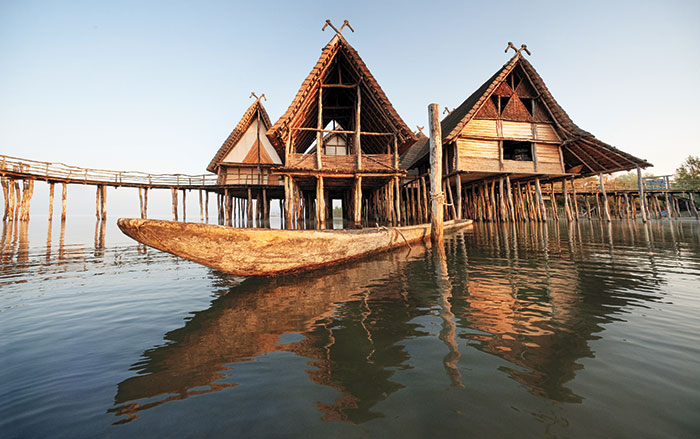
Pioneers of Lakefront Living
Why Neolithic and Bronze Age farmers in the Alps built their villages on stilts
© APM/Frank Müller -
Features May/June 2026
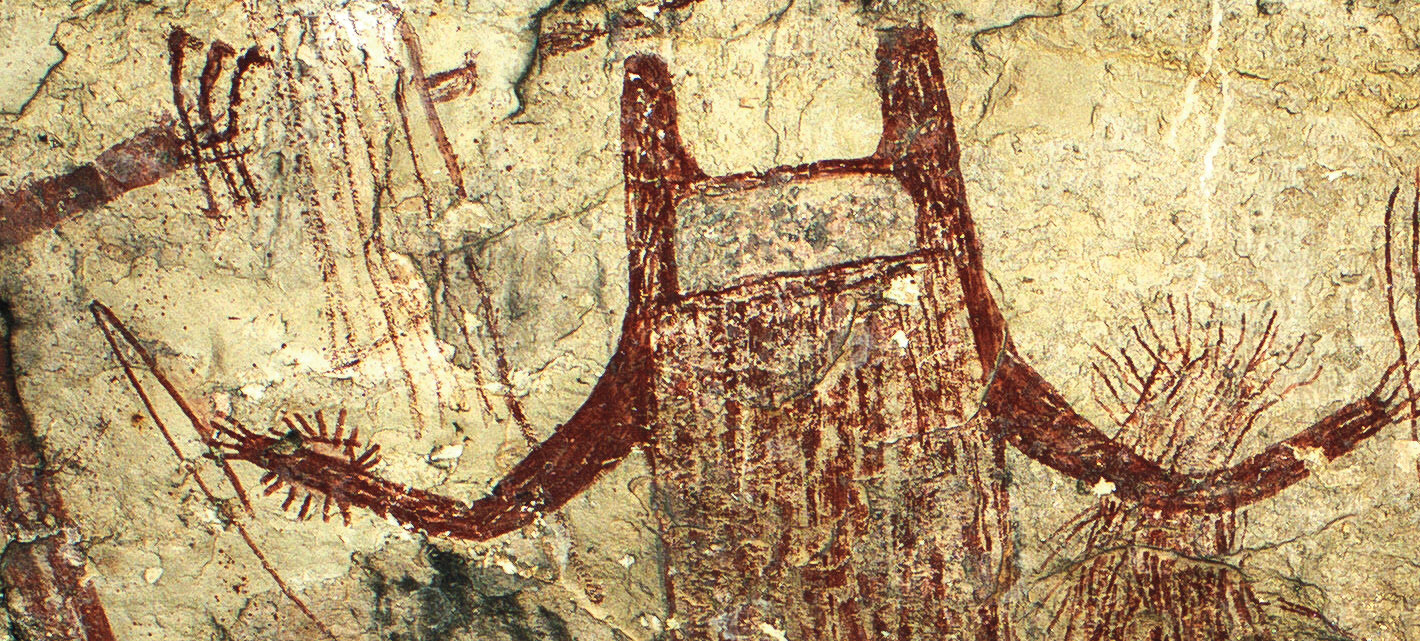
Art for the Ages
A surreal style of painting endured for 4,000 years in the canyonlands of West Texas
Shumla Archaeological Research and Education Center Archive -
Features May/June 2026
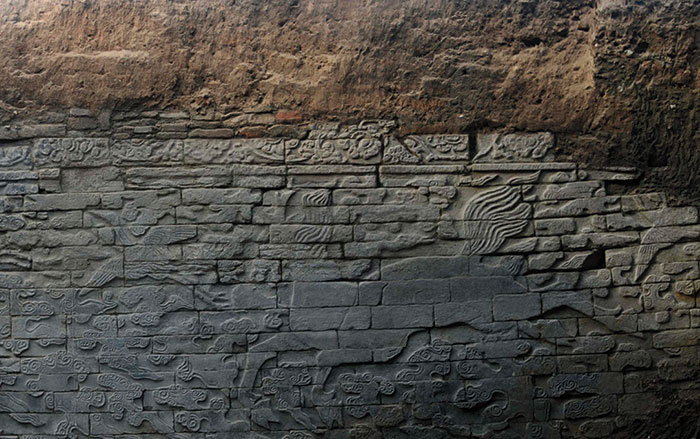
Bridge to the Past
The Yellow River brought both prosperity and calamity to China’s dazzling medieval capital By Ling Xin
Henan Provincial Institute of Cultural Heritage and Archaeology -
Letter from Bulgaria May/June 2026
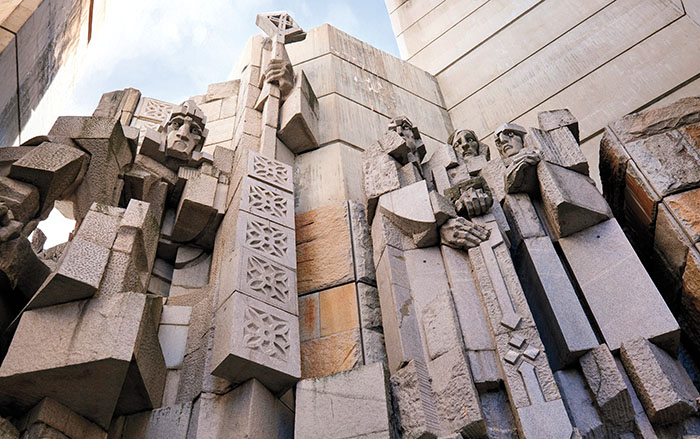
Capitals of Khans and Tsars
The untold story of how the Bulgarian Empire challenged medieval Europe’s great powers
Ben O’Donnell