SINGAPORE
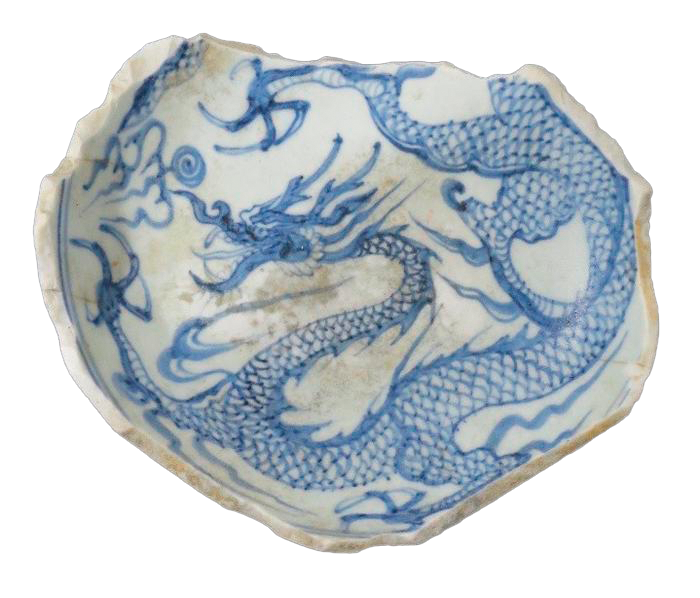
Underwater archaeologists have located the earliest shipwreck ever discovered in Singaporean waters. The vessel dates to the 14th century, when Temasek—the port that preceded Singapore—was a commercial hub. Divers recovered approximately 3.8 tons of Chinese ceramics, including 300 rare blue-and-white Yuan Dynasty (1279–1368) porcelain bowls, more than have been found in any other documented shipwreck. Scholars believe the ship was likely a Chinese junk that set sail from the port city of Quanzhou between 1340 and 1352.
Related Content
Around the World September/October 2021
SINGAPORE
Letter From Singapore November/December 2017
The Lion City's Glorious Past
The founding mythology of this city-state was once thought to be pure fiction—ARCHAEOLOGY says otherwise
VIETNAM
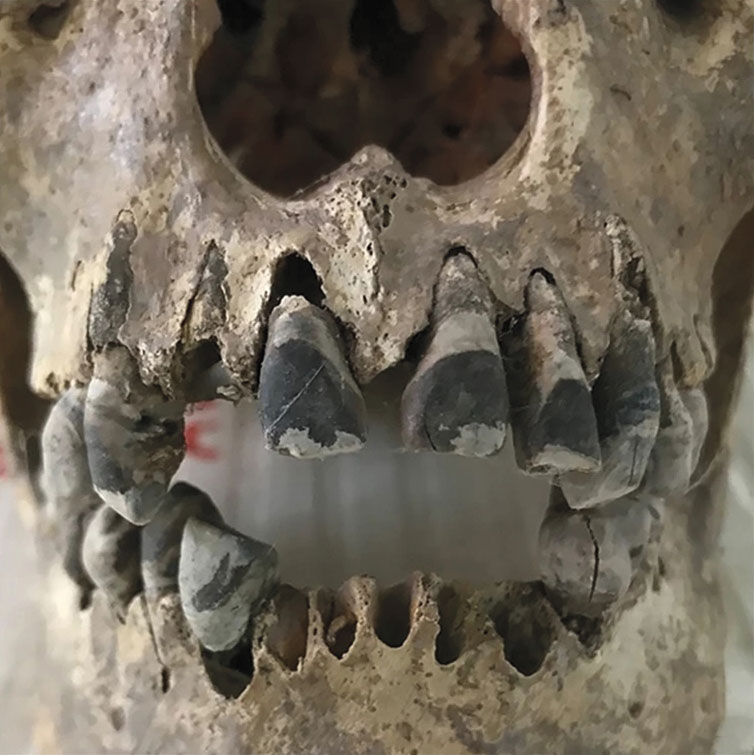
Many people around the world strive to maintain glistening white teeth, but this has not always been the case. In Vietnam, teeth have been blackened as a sign of beauty for millennia. New research indicates that this cosmetic procedure dates back to the Iron Age (ca. 550 b.c.–a.d. 50). Chemical analysis of tooth enamel from people buried at the site of Dong Xa around 2,000 years ago showed that their teeth were deliberately stained with a black paste created from heated iron salts and tannin-rich plants.
Related Content
Around the World May/June 2023
VIETNAM
Top 10 Discoveries of 2025 January/February 2026
Oldest Mummified People
Southern China and Southeast Asia
IRAQ
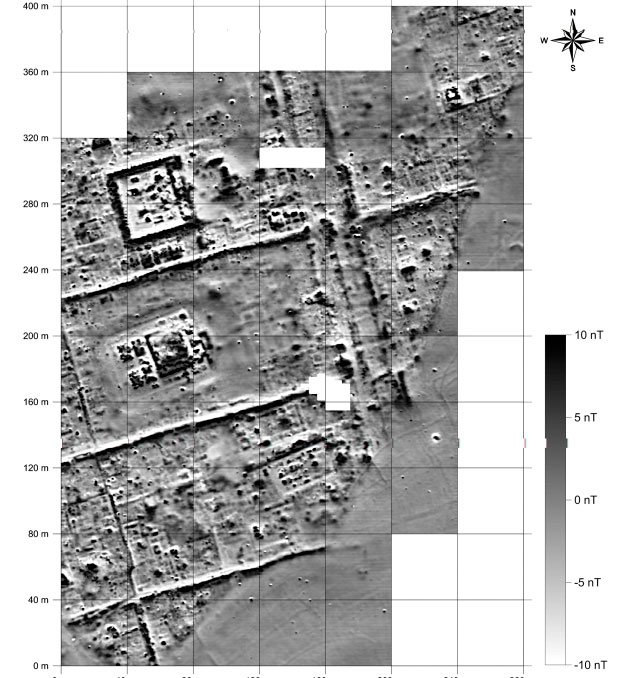
When Alexander the Great returned to Mesopotamia from the Indus Valley around 324 b.c., he founded a strategic port called Alexandria on the Tigris. The new city is known to have become a trade center connecting Mesopotamia, India, Afghanistan, and China. However, its exact whereabouts were unknown. Recent archaeological investigations near the site of Jebel Khayyaber not only confirmed the port’s location but provided new details regarding its layout and extensive infrastructure, which rivaled the more famous Alexandria in Egypt.
Related Content

SOUTH AFRICA
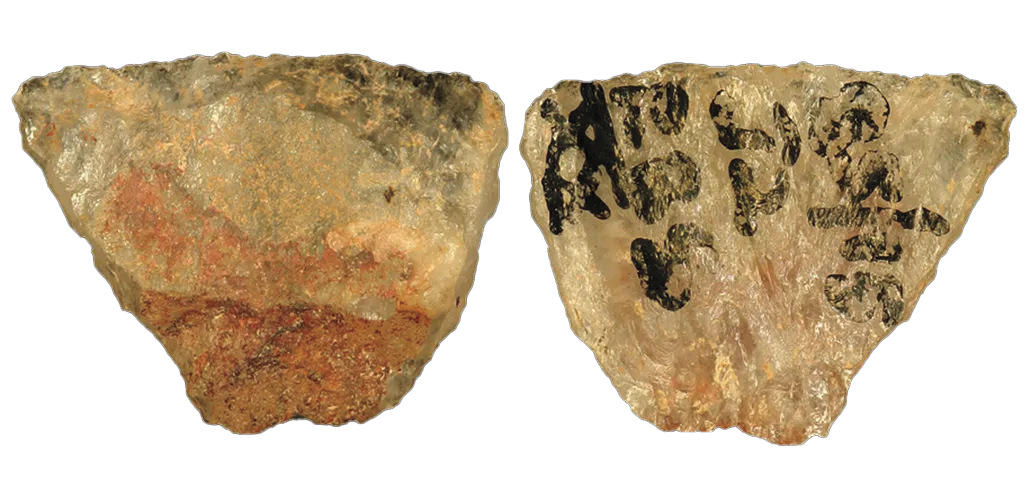
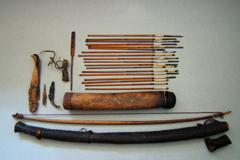
When humans first began using bows around 80,000 years ago, it represented a monumental step forward in their hunting capabilities. Lacing projectiles with toxins was the next game changer. The earliest evidence of poison-tip technology comes from 60,000-year-old quartz arrowheads found at the Umhlatuzana Rock Shelter. Researchers studying the arrowheads detected residue from a toxic plant known as bushman’s poison bulb. Although not immediately fatal, this substance would have severely weakened wounded prey over time.
Related Content
Around the World July/August 2021
SOUTH AFRICA
Around the World November/December 2020
SOUTH AFRICA
EGYPT
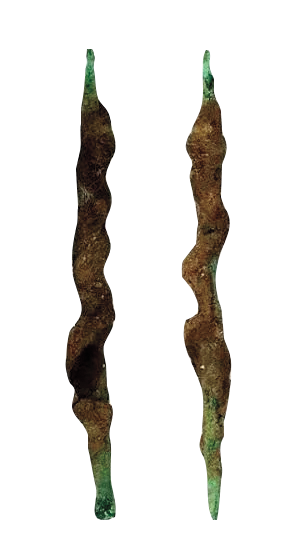
When scholars discovered a small, 5,300-year-old copper alloy object in a tomb at the site of Al-Badari in the 1920s, they determined it was a type of ancient awl. Microscopic imaging has revealed fine striations caused by repeated rotary motion, indicating that the artifact was actually a sophisticated bow drill. This pushes back the date for this type of drill in ancient Egypt by more than 2,000 years. The tool would have been instrumental in helping craftspeople efficiently make anything from furniture to personal adornments.
Related Content
ITALY
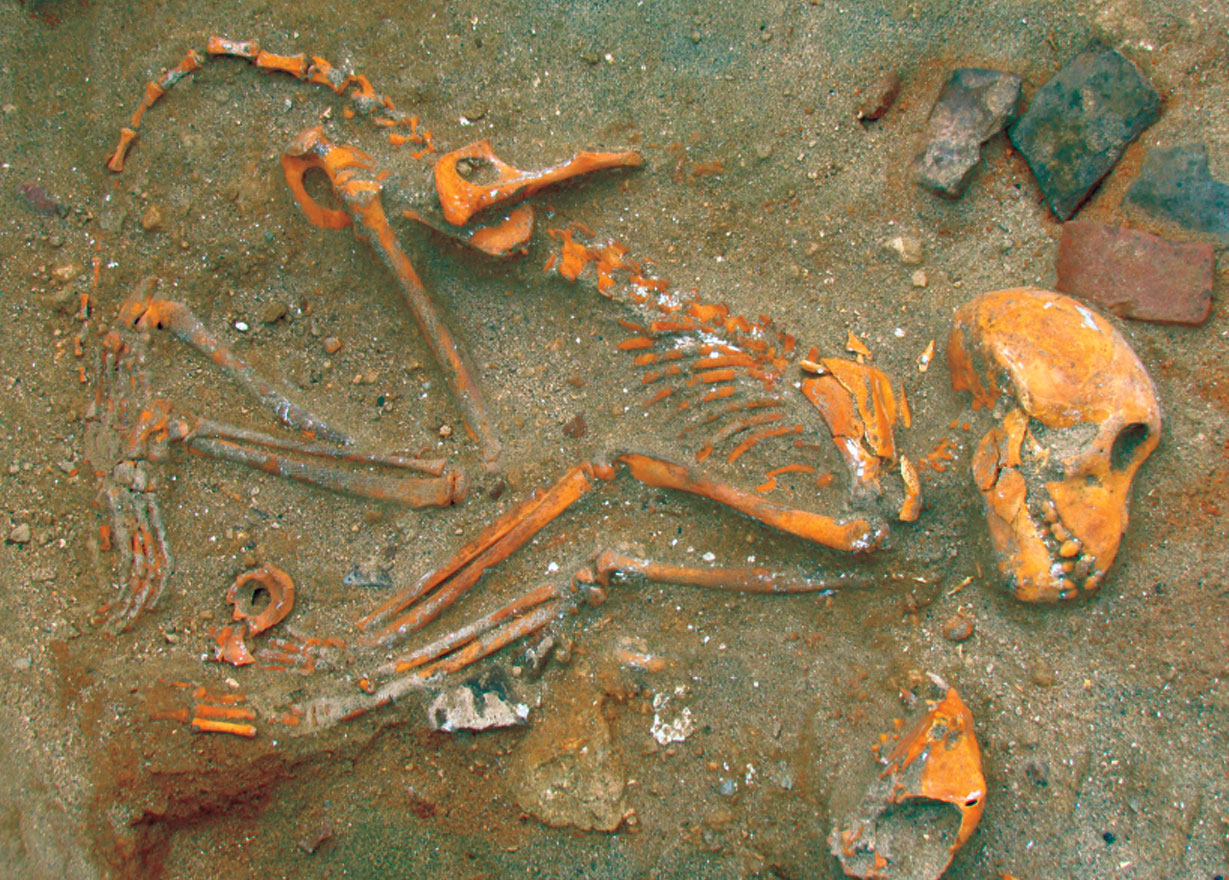
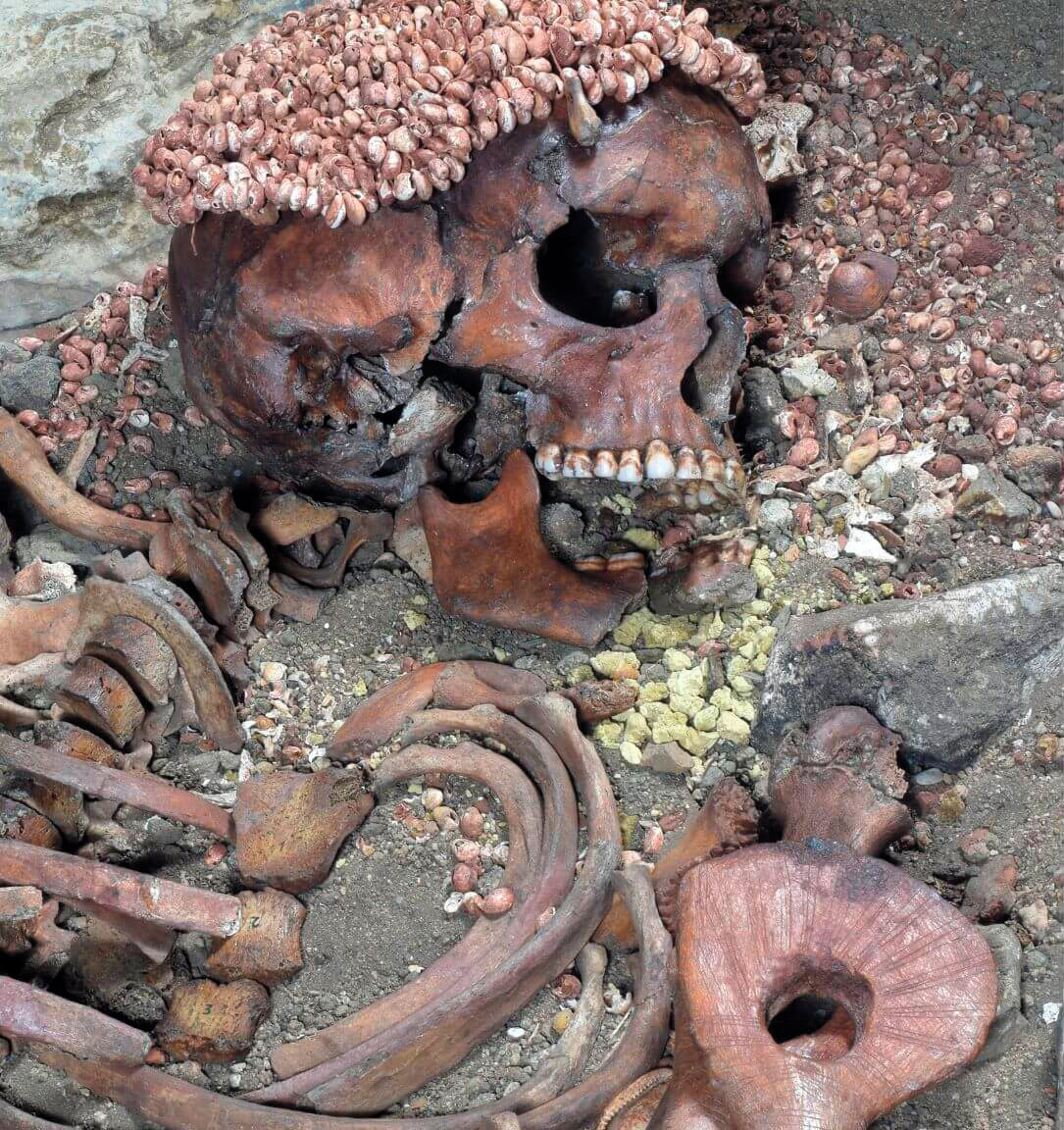
Reanalysis of skeletal remains of a Paleolithic teenager known as the Prince, whose lavish burial was discovered in Arene Candide Cave in 1942, showed that he died from an animal attack 27,500 years ago. The new research indicated that the youth was already lame at the time of the attack and that his extensive injuries were consistent with a bear assault from which he was unable to escape. The adolescent’s community may have lamented his agony and thus buried him with an assortment of extravagant items.
Related Content

THE NETHERLANDS
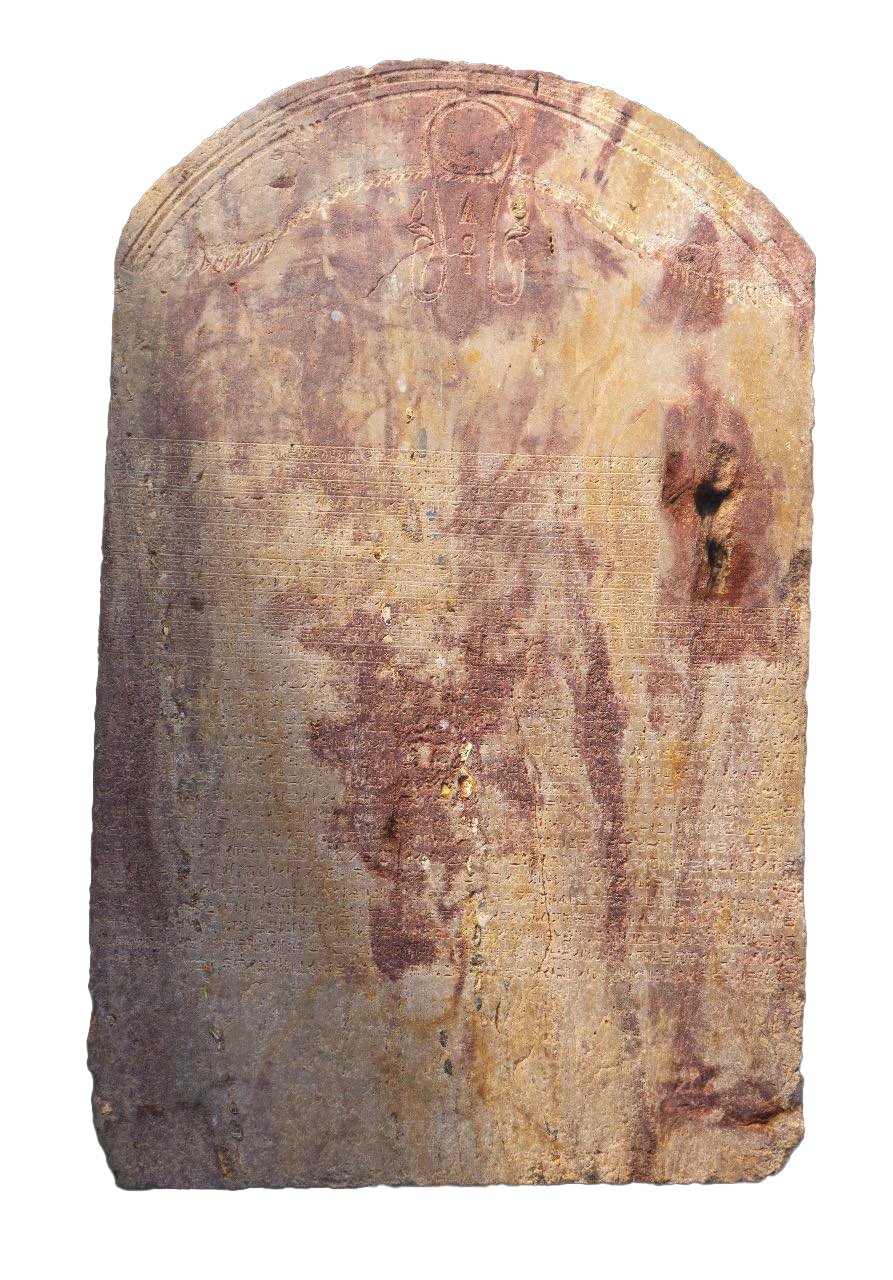
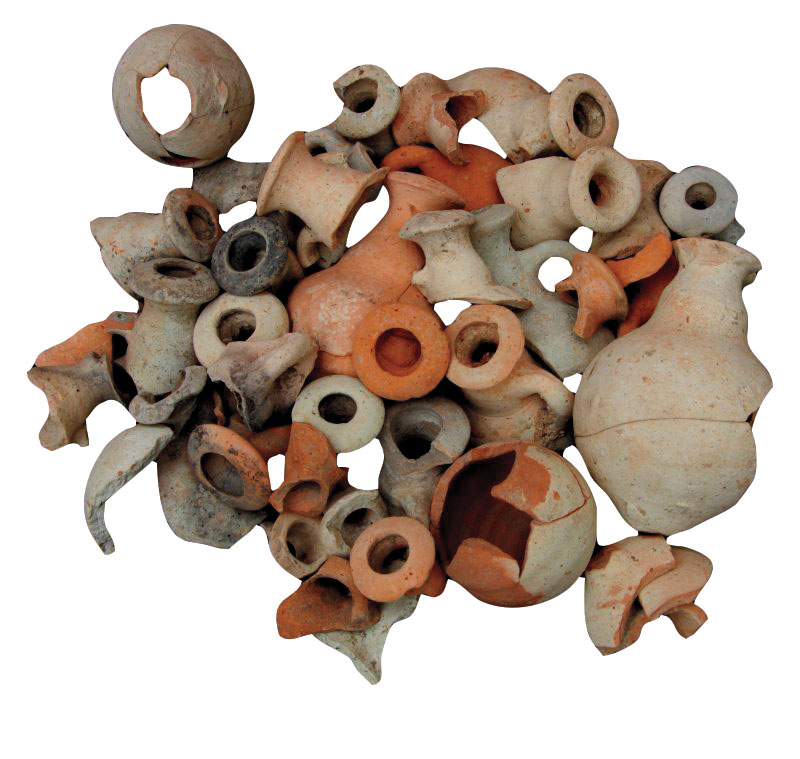
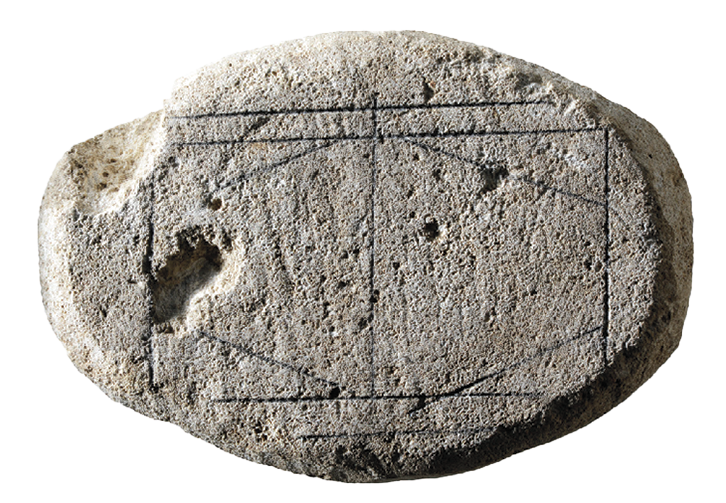
Artificial intelligence has helped decipher the rules of an ancient Roman game. A puzzling stone artifact found at the site of Coriovallum features geometric patterns, hinting at its use for gaming, but scholars had no idea how the game was played. Two AI agents were programmed to compete against each other using different sets of rules from known ancient games as a guide. The software revealed that the artifact’s wear patterns are consistent with blocking games, such as tic-tac-toe, which were not known to have existed in Europe before the Middle Ages.
Related Content
Around the World March/April 2025
THE NETHERLANDS
Around the World September/October 2023
THE NETHERLANDS

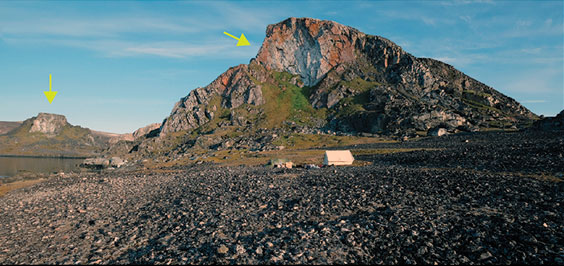
GREENLAND
Paleo-Inuit people were accomplished seafarers who routinely braved treacherous seas 4,500 years ago to visit remote High Arctic locations. An archaeological survey identified evidence of seasonal occupation, such as tent rings and hearths, on the Kitsissut Islands, some 30 miles off northwest Greenland. These early sailors had to cross notoriously dangerous open water in skin-covered wood-frame crafts to hunt marine mammals and gather eggs from the islands’ thriving seabird colonies.
Related Content
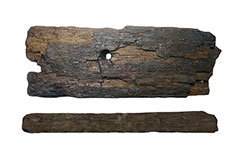


NEW YORK
Historical research has revealed that a mysterious passageway hidden beneath the second floor of the Merchant’s House Museum was used to shelter formerly enslaved Black refugees seeking freedom, making it Manhattan’s oldest known stop on the Underground Railroad. The house was originally built in 1832 by abolitionist Joseph Brewster, who had workers include the secret chamber in the building’s design. The trapdoor to the 15-foot-long tunnel was expertly concealed beneath a built-in dresser and was only accessible when a drawer was removed.
Related Content

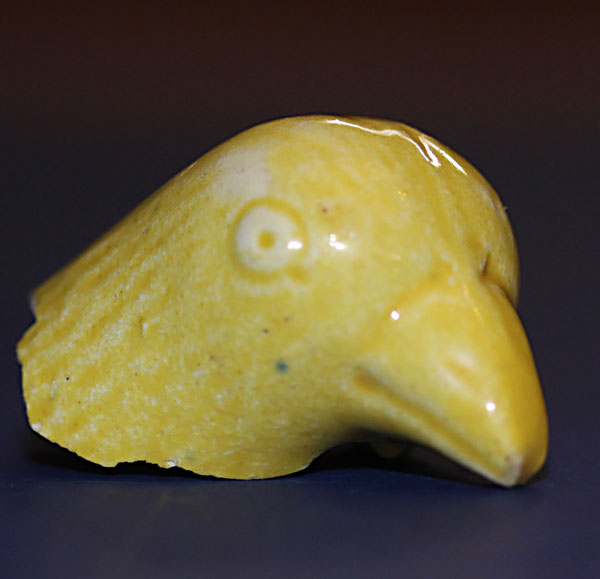

MEXICO
It’s well known that ancient Maya communities traded valuable goods such as obsidian across vast distances. What’s less well known is that they also exchanged live dogs along these trade networks. Strontium isotope analysis of canine remains from two sites in Chiapas—Moxviquil and Tenam Puente—indicated that the animals were raised hundreds of miles away. The four-legged companions were likely related to the modern Xoloitzcuintli breed and were treated well; they were fed a human-quality diet of meat and corn.