PERU

Around the World September 1, 2011

SHARE:

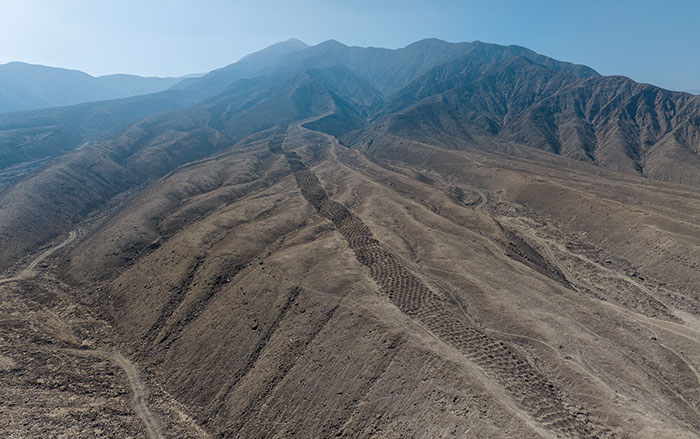
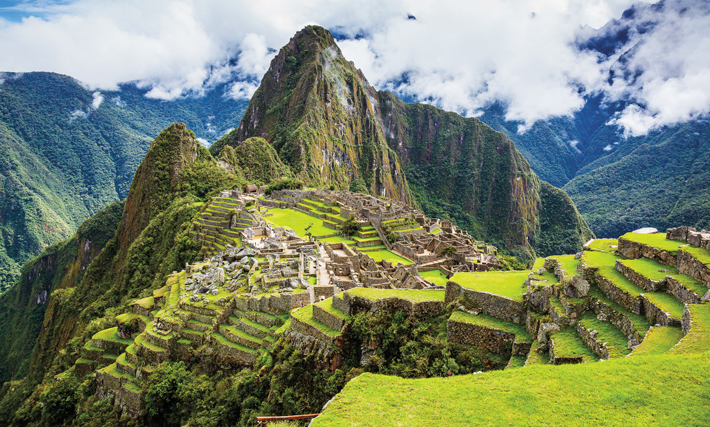
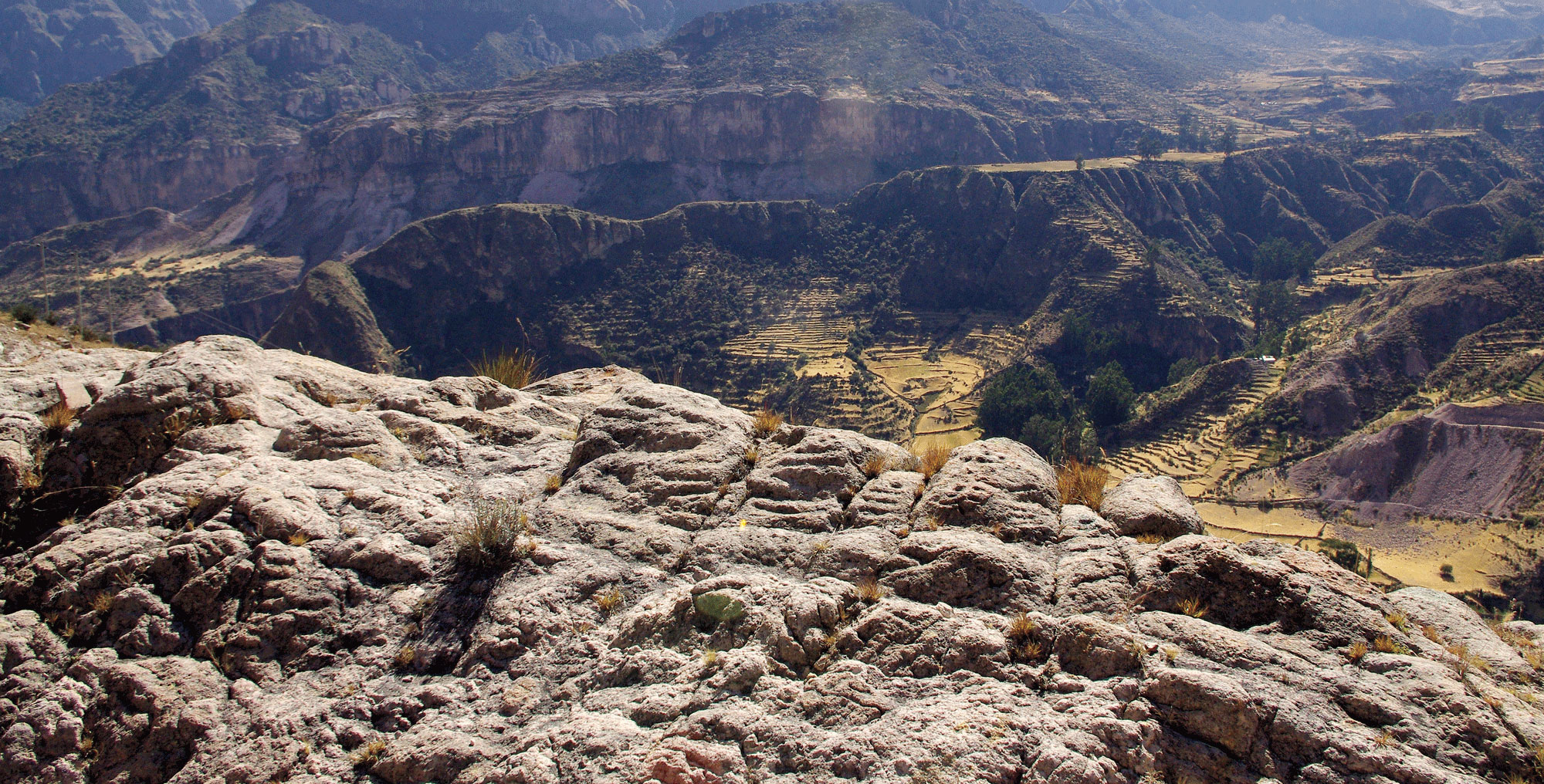
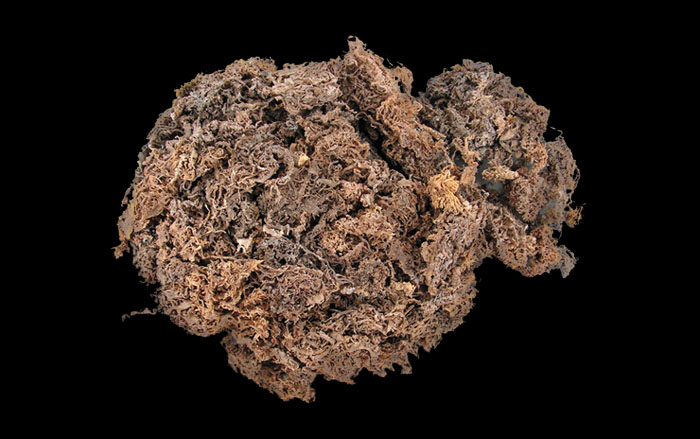
PERU: In Lake Marcacocha, scientists have discovered a key to the rise of Inca civilization: llama dung. In lake sediments, maize pollen appears around 2,700 years ago, along with a rise in mites that feed on animal dung—coinciding with the earliest stages of Andean chiefdoms. The fertilizer would have been important for the cultivation of maize at high altitude, which led to food surpluses that helped fuel
complex societies.
  • Features March/April 2026

    Pompeii's House of Dionysian Delights

    Vivid frescoes in an opulent dining room celebrate the wild rites of the wine god

    Read Article
    Frescoed panels in the House of the Thiasus portray a satyr (left) and a woman (right)
    Courtesy Archaeological Park of Pompeii
  • Features March/April 2026

    Himalayan High Art

    In a remote region of India, archaeologists trace 4,000 years of history through a vast collection of petroglyphs

    Read Article
    Matt Stirn
  • Features March/April 2026

    What Happened in Goyet Cave?

    New analysis of Neanderthal remains reveals surprisingly grim secrets

    Read Article
    The Third Cave, one of the galleries in a cave system in central Belgium known as the Goyet Caves
    IRSNB/RBINSL
  • Features January/February 2026

    Top 10 Discoveries of 2025

    ARCHAEOLOGY magazine’s editors reveal the year’s most exciting finds

    Read Article
    Courtesy of the Caracol Archaeological Project, University of Houston