SPAIN

Around the World March 1, 2011

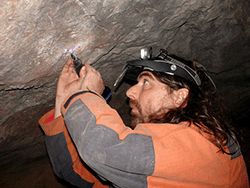
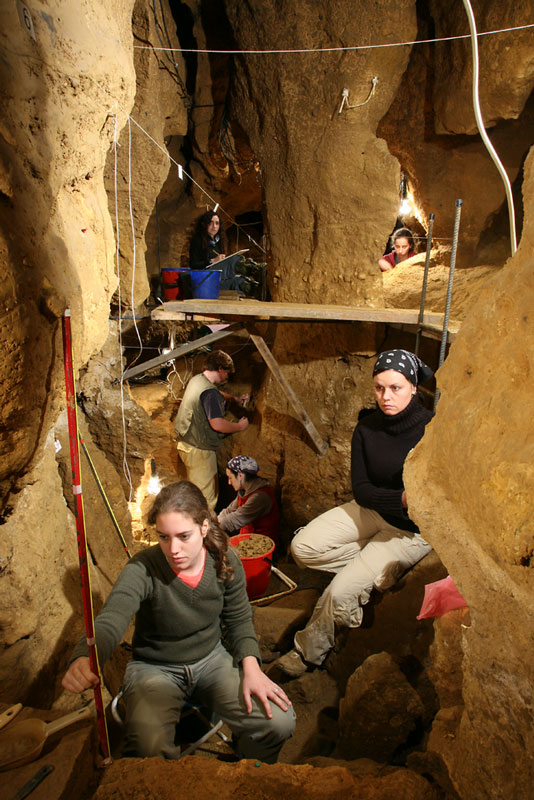
In 1994, the jumbled remains of several Neanderthals were found in a cave called El Sidrón.
SHARE:

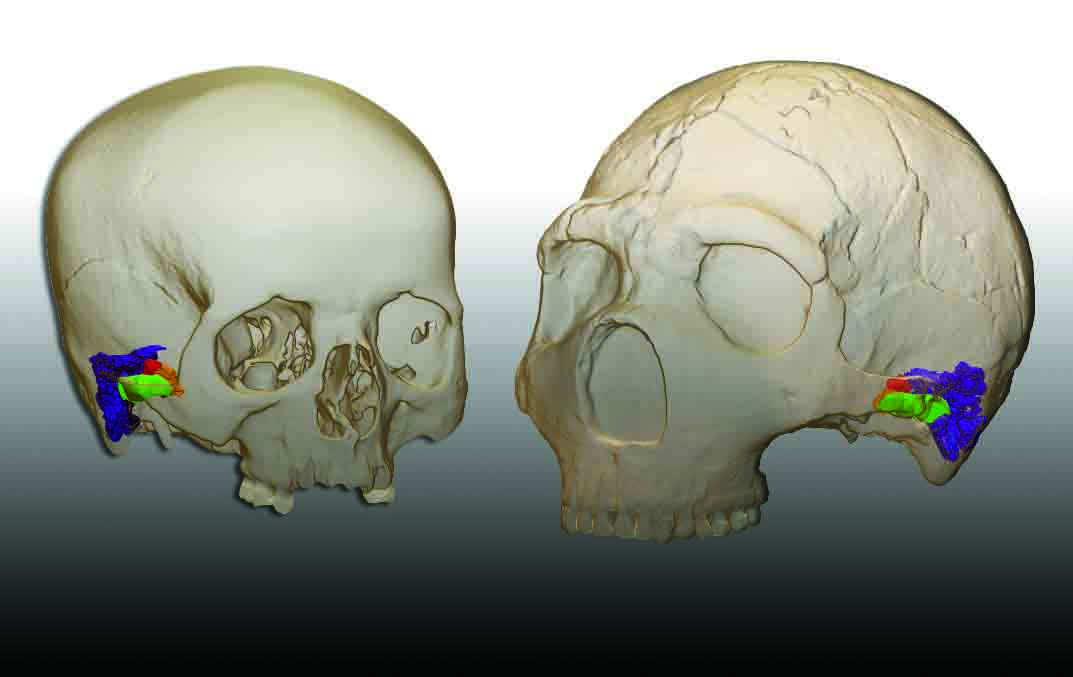
SPAIN: In 1994, the jumbled remains of several Neanderthals were found in a cave called El Sidrón. Scientists recently determined there were 12 individuals—six adults and six children—and that they were massacred together and cannibalized. The gruesome scene is also providing some of the first detailed evidence of Neanderthal social structure. Mitochondrial DNA shows that they were a family—the three adult males were related, though the three females were not. This suggests that Neanderthals were patrilocal—females left their own families to join their mates.
  • Features January/February 2026

    The Cost of Doing Business

    Piecing together the Roman empire’s longest known inscription—a peculiarly precise inventory of prices

    Read Article
    A digital reconstruction shows how the Civil Basilica in the city of Aphrodisias in southwestern Anatolia would have appeared with the Edict of Maximum Prices inscribed on its facade.
    Ece Savaş and Philip Stinson
  • Features January/February 2026

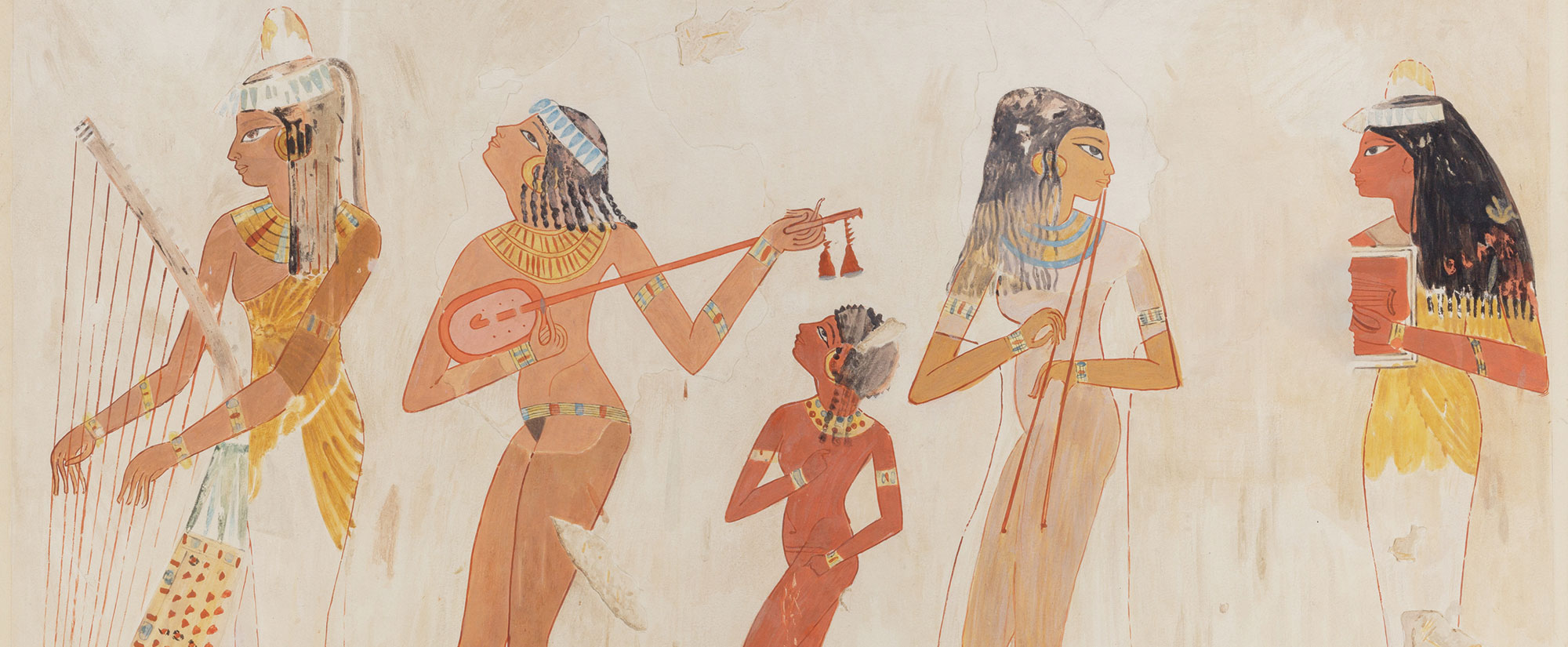
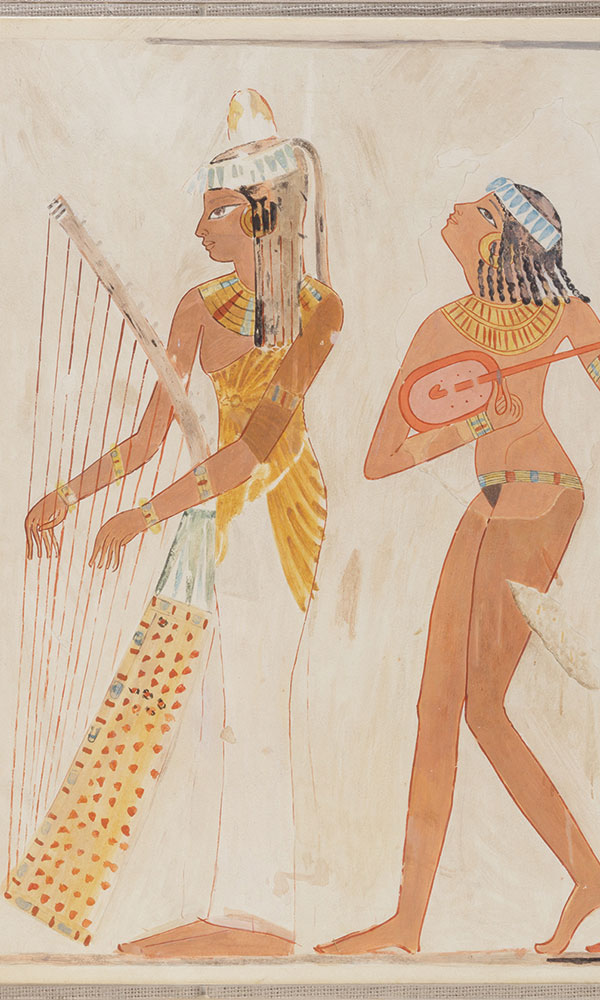
    The Birds of Amarna

    An Egyptian princess seeks sanctuary in her private palace

    Read Article
    The Metropolitan Museum of Art, New York/ Rogers Fund, 1930
  • Features January/February 2026

    Taking the Measure of Mesoamerica

    Archaeologists decode the sacred mathematics embedded in an ancient city’s architecture

    Read Article
    Courtesy Claudia I. Alvarado-León
  • Features January/February 2026

    Stone Gods and Monsters

    3,000 years ago, an intoxicating new religion beckoned pilgrims to temples high in the Andes

    Read Article
    The ritual center of Chavín de Huántar flourished in northern Peru.
    Courtesy John Rick