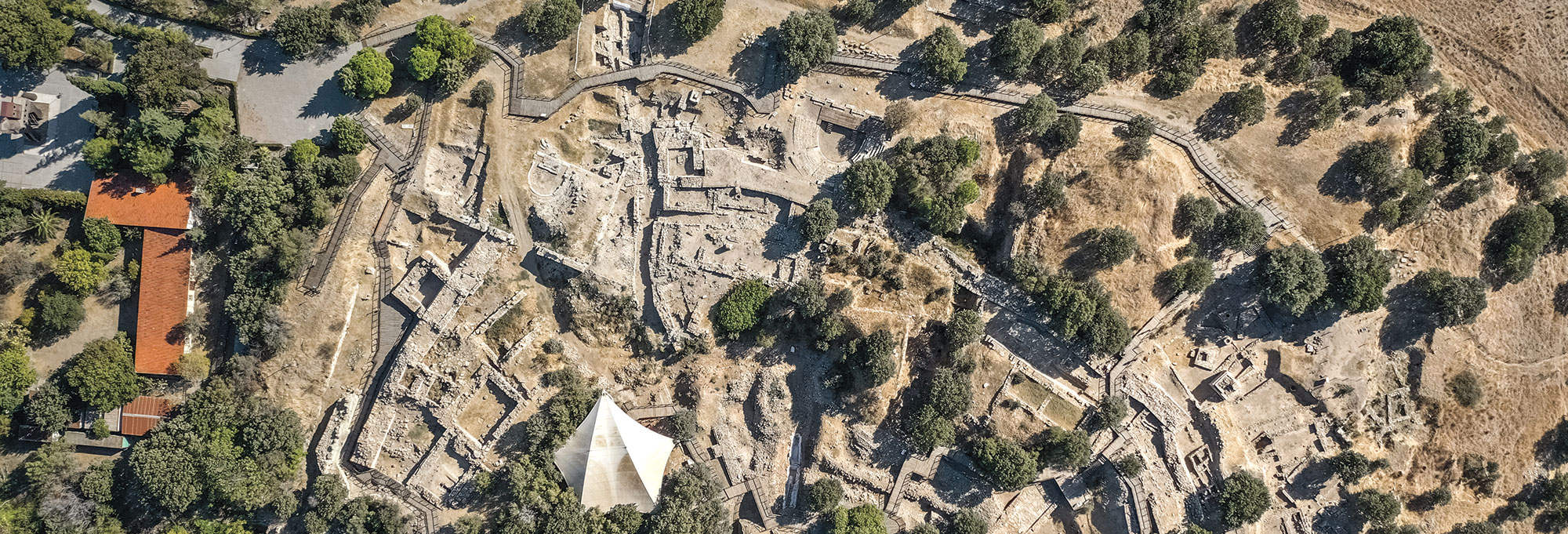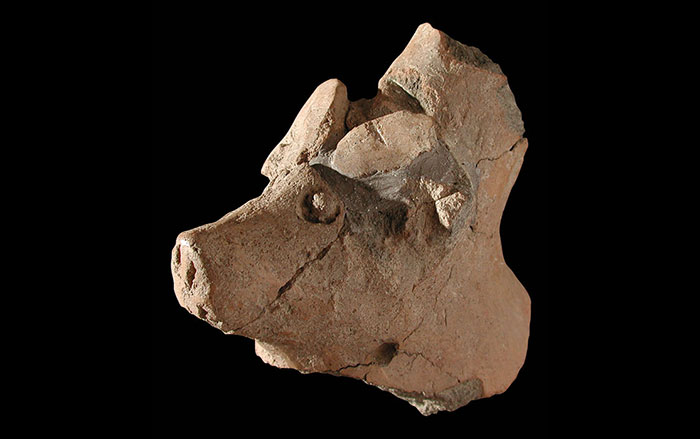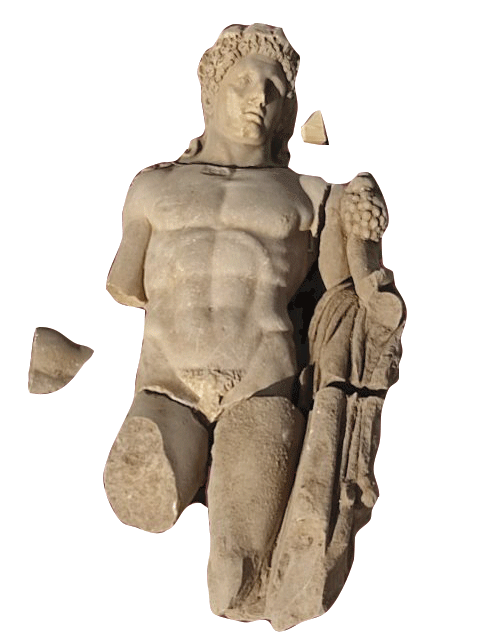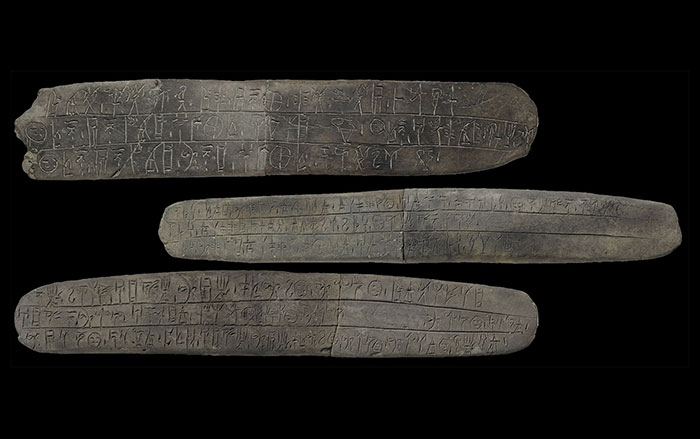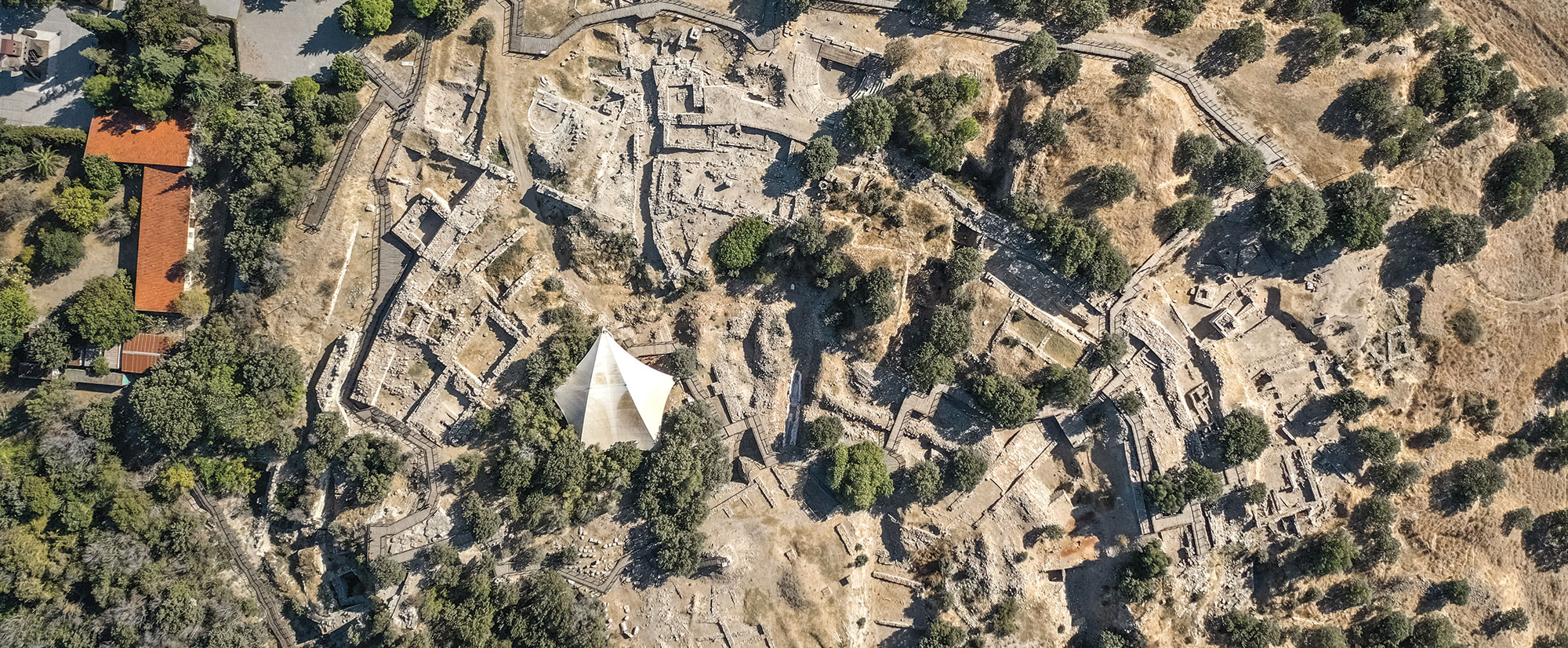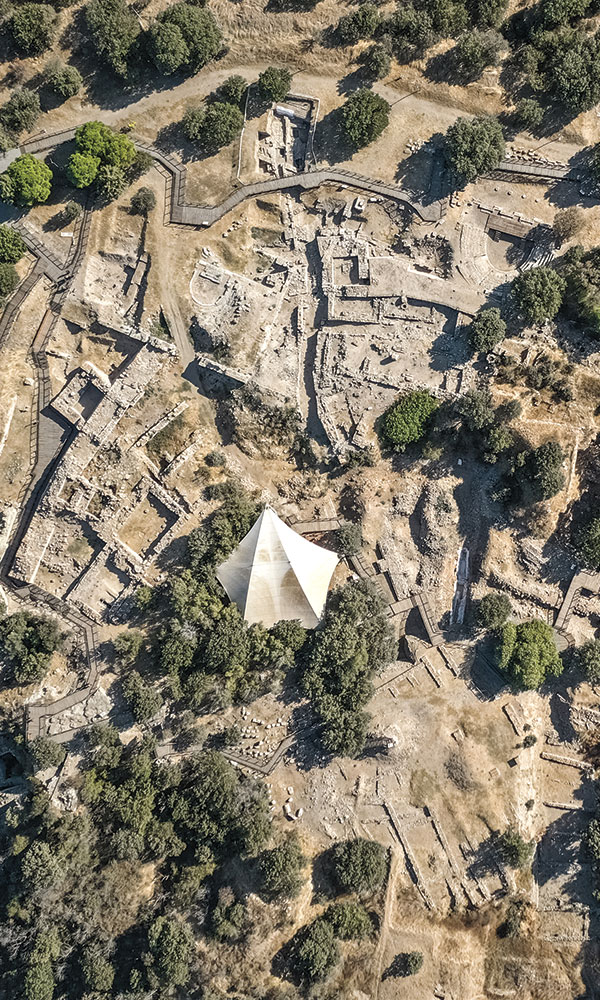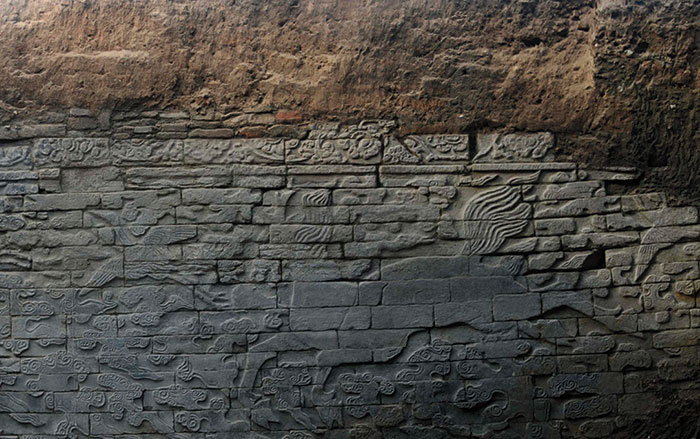

Everyone in the ancient Greek and Roman world knew about the walls of Troy. In the Iliad, Troy’s towers stand “lofty” and the city is “walled to heaven.” Imaginative souls in thrall to Homer’s stories wanted to see for themselves, and the town of Ilium in western Anatolia, which had become identified with Troy by the seventh century b.c., obliged the fantasy. “The fortification walls associated with the citadel of King Priam were repaired a number of times in antiquity,” says archaeologist C. Brian Rose of the University of Pennsylvania. “That’s the central component of Ilium’s tourism industry. You need those walls to be bright and shining.”
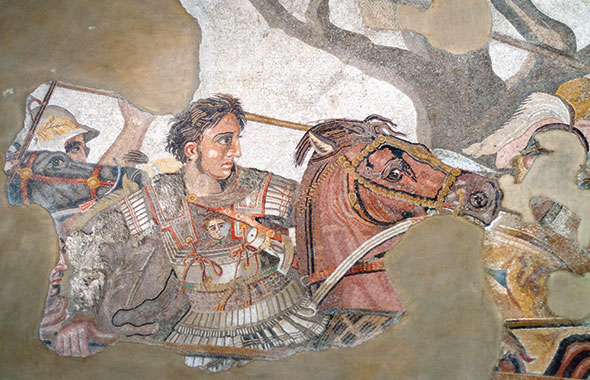
Alexander the Great (reigned 336–323 b.c.) was one of Ilium’s most noteworthy tourists. According to ancient historians, he raced with friends around the tumulus where Achilles was supposedly buried and donned antique armor. While excavating the tumulus a few decades ago, Rose found that it had begun life as a Neolithic settlement dating to thousands of years before, to which Ilians added about 26 feet of earth in the third century b.c. “I couldn’t believe they monumentalized it to that extent,” says Rose. “They were literally Homerizing the surrounding landscape, turning it into a Homeric Disneyland.” On Ilium’s acropolis, young women from the Greek region of Locris tended a well at a sanctuary dedicated to Athena as penance for a rape committed by a Locrian soldier, which is recounted in the Iliad. Visitors would have taken in the women’s performance and likely been regaled with stories of the famous crimes and feats of bravery that supposedly happened on this hill.
Homeric tourism continued to surge in the Roman era. According to their own mythology, the Romans were Trojans themselves, having descended from the general Aeneas. To honor this connection, Rome exempted Ilium from paying taxes, and the emperor Hadrian (reigned a.d. 117–138) built a new tumulus for the Greek warrior Ajax near the city. The original was said to have been so badly damaged that the occupant’s bones were visible—in part because Ajax had stood 16 feet tall. Among Roman patricians, the Iliad and Odyssey were cherished stories from childhood education. “In rich homes, you often had decoration which harked back to the Trojan War,” says historian Michael Sage of the University of Cincinnati.
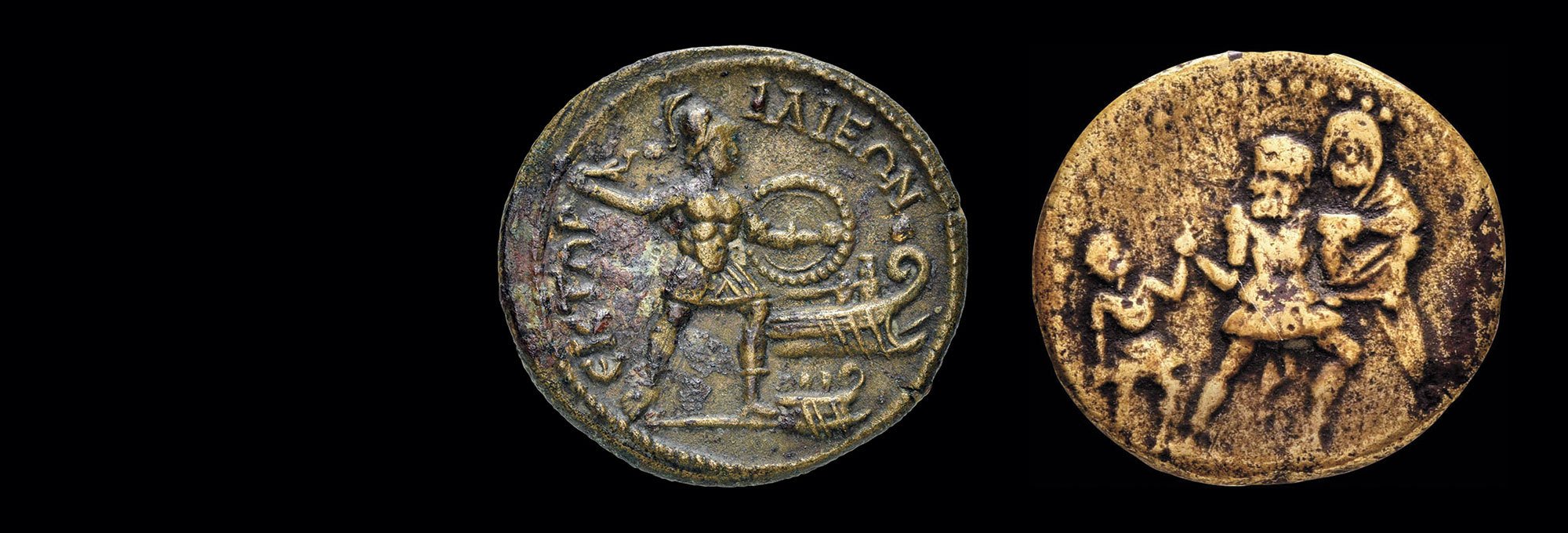
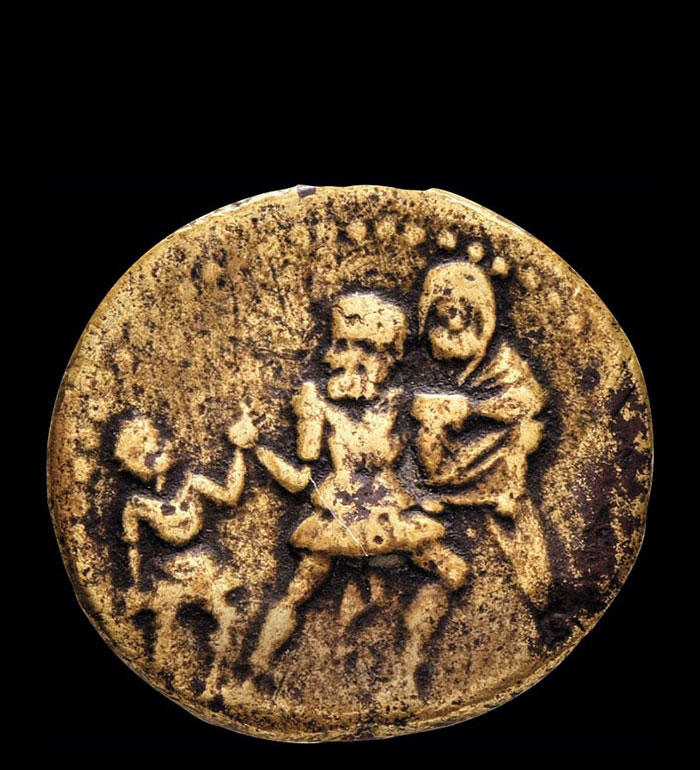
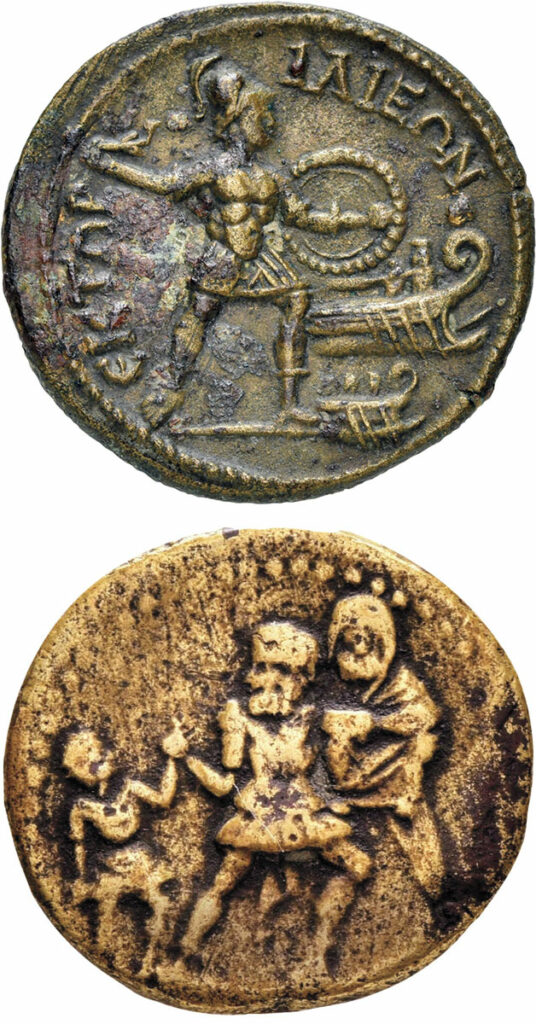
Such grandees vacationed on Aegean islands and could easily hop over to Ilium. Retired veterans settled in Rome’s Anatolian colonies. “Why not go up to the mother city and see where it all got started?” says Rose, who notes that the town minted coins that may have been collected by visitors as souvenirs. These coins depict favorite scenes such as the Trojan hero Hector throwing firebrands at Greek ships, the Judgment of Paris—which led to the start of the war—and Aeneas escaping the city with his father Anchises on his back and holding his son Ascanius’ hand. Ilium thrived through the Roman imperial period. “In the end,” says Sage, “the losers of the war won.”