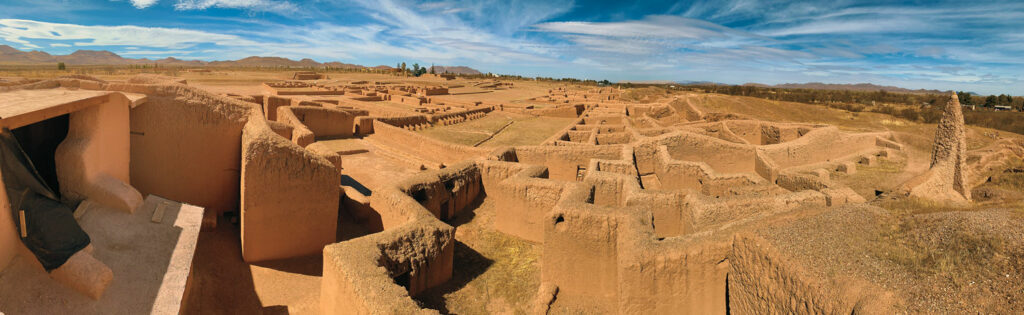
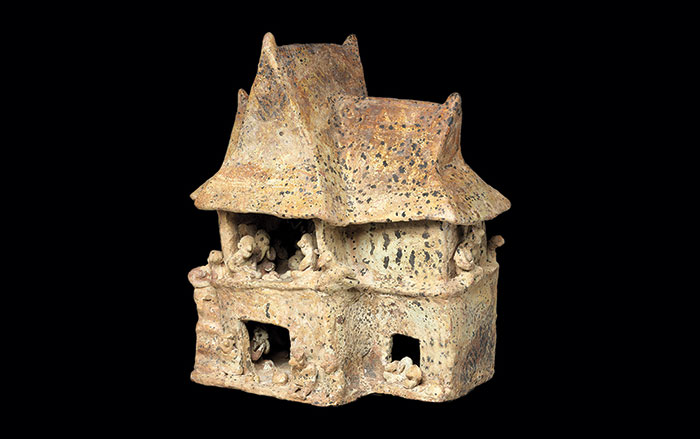
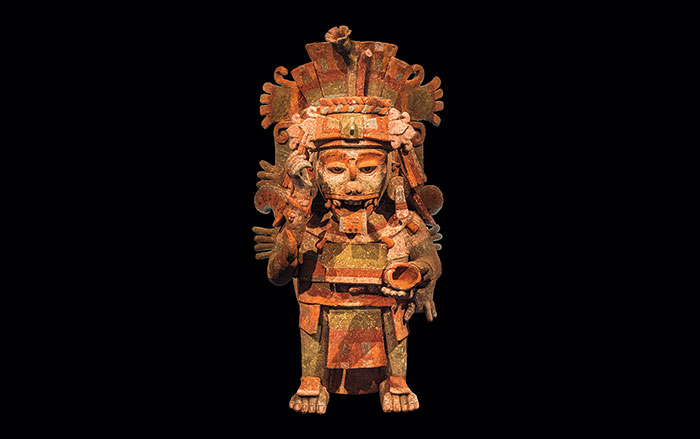
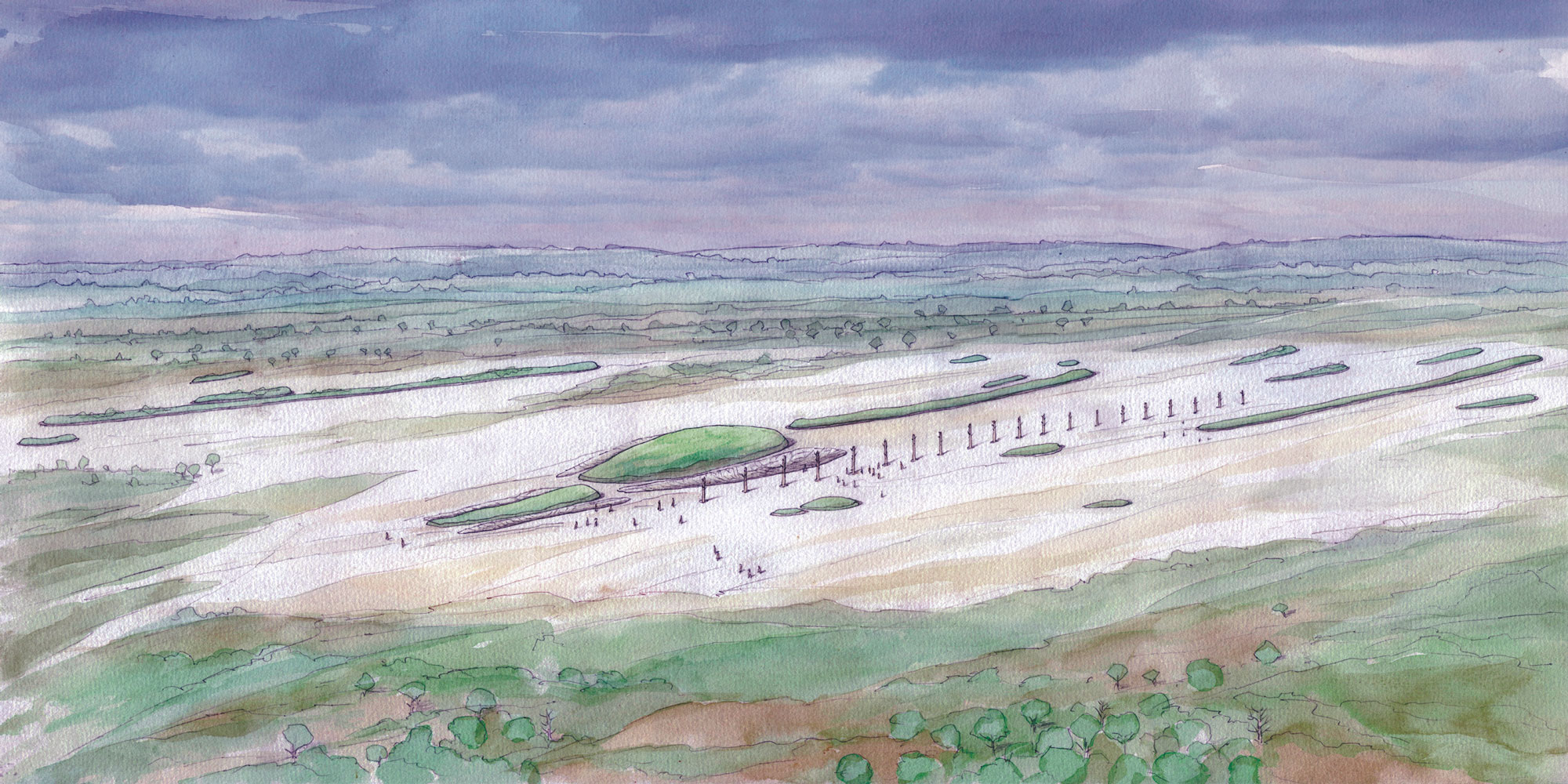
Built in the thirteenth century a.d., the city of Paquimé in the Mexican state of Chihuahua was the largest precolonial settlement in the deserts of the American Southwest and northwest Mexico. Paquimé was the main center of the Casas Grandes culture and featured monumental architecture including multistory apartment complexes similar to those built by Pueblo people to the north and ball courts resembling those in Mesoamerica. Scholars have suggested that migrants, perhaps traders from Mesoamerica or high-status people from large northern pueblos, were primarily responsible for Paquimé’s remarkable efflorescence.
A team led by bioarchaeologist Meradeth Snow of the University of Montana and archaeologist Michael Searcy of Brigham Young University analyzed DNA from remains of people who lived in the region surrounding Paquimé both before and during its rise. Their data suggests the city was a purely local development. “The Casas Grandes gene pool stays pretty stable in terms of diversity,” says Snow. “The DNA is showing that there were not large migrations either from the south or the north, so this long-held belief that Paquimé was built by migrants just isn’t right.” Searcy says that Paquimé might instead have been the collective brainchild of well-traveled Casas Grandes people. “I think they had been hoofing it to Mexico and the north for centuries,” he says. “They saw these new ways of living and brought them back. Paquimé became a melting pot of the traditions of the greater Southwest and Mesoamerica.”