Paleolithic Tools

Features January 1, 2011

Plakias, Crete
(Photo courtesy Thomas Strasser)
SHARE:

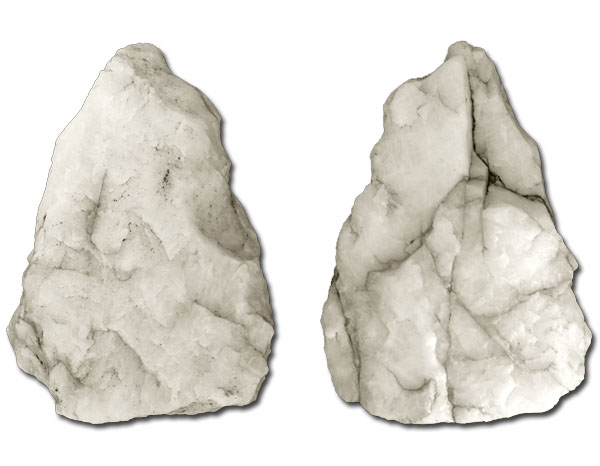
A research team led by Thomas Strasser of Providence College and Eleni Panagopoulou of the Greek Ministry of Culture announced the discovery of stone tools at two sites on the island of Crete that are between 130,000 and 700,000 years old. The tools resemble those made by Homo heidelbergensis and Homo erectus, showing that one of these early human ancestors boated across at least 40 miles of open sea to reach the island, the earliest indirect evidence of seafaring. "If hominins could move around the Mediterranean before 130,000 years ago, they could cross other bodies of water as well," says team member Curtis Runnels of Boston University, who helped analyze the tools. "When similar finds on other islands are confirmed, the door will be opened to the re-evaluation of every assumption we have made about early hominin migrations."

  • Features March/April 2026

    Pompeii's House of Dionysian Delights

    Vivid frescoes in an opulent dining room celebrate the wild rites of the wine god

    Read Article
    Frescoed panels in the House of the Thiasus portray a satyr (left) and a woman (right)
    Courtesy Archaeological Park of Pompeii
  • Features March/April 2026

    Return to Serpent Mountain

    Discovering the true origins of an enigmatic mile-long pattern in Peru’s coastal desert

    Read Article
    Courtesy J.L. Bongers
  • Features March/April 2026

    Himalayan High Art

    In a remote region of India, archaeologists trace 4,000 years of history through a vast collection of petroglyphs

    Read Article
    Matt Stirn
  • Features March/April 2026

    What Happened in Goyet Cave?

    New analysis of Neanderthal remains reveals surprisingly grim secrets

    Read Article
    The Third Cave, one of the galleries in a cave system in central Belgium known as the Goyet Caves
    IRSNB/RBINSL