The Last Maya Kingdom

Features May/June 2026

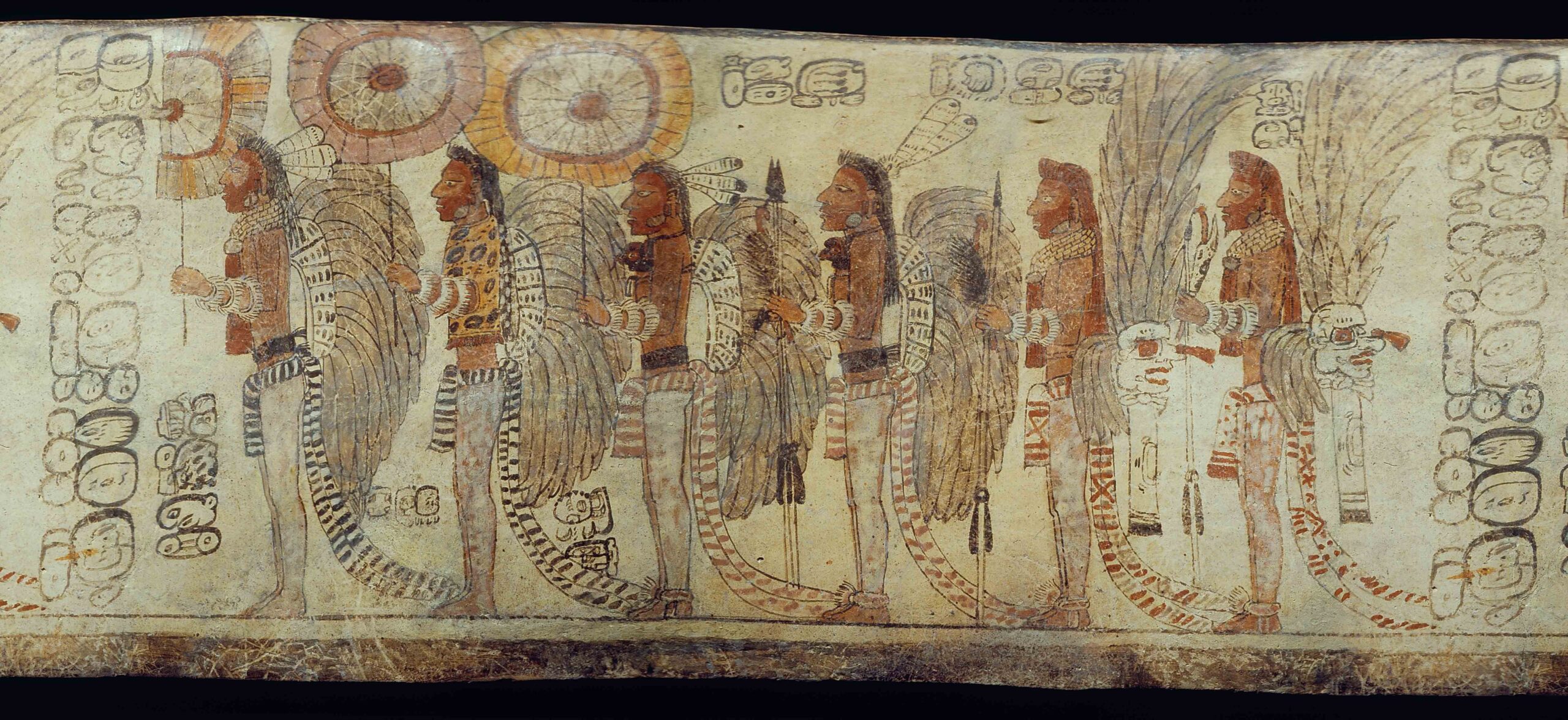
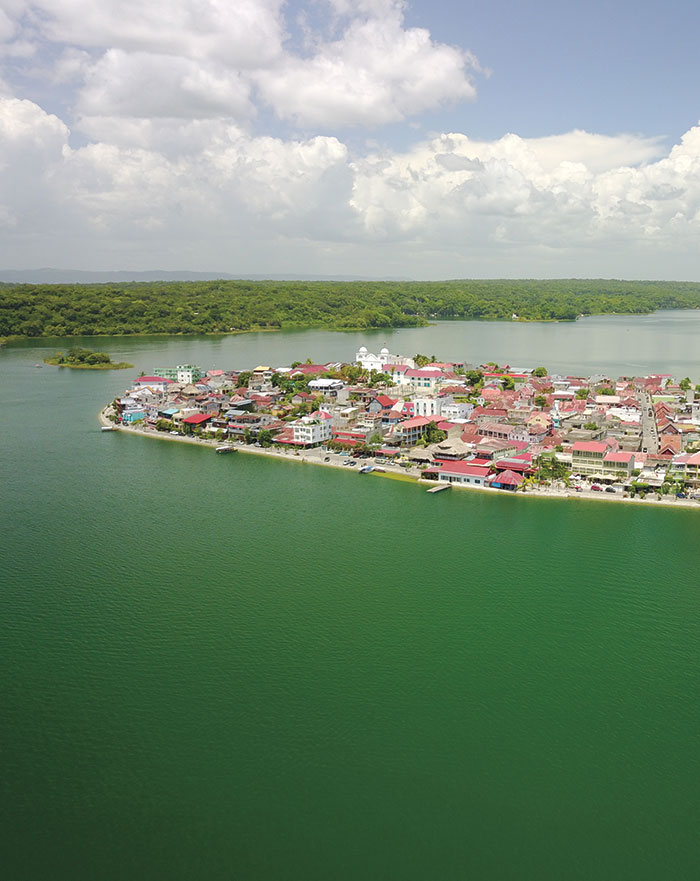
On the shores of a lake in Guatemala, the Itzá people defied the Spanish for nearly 200 years
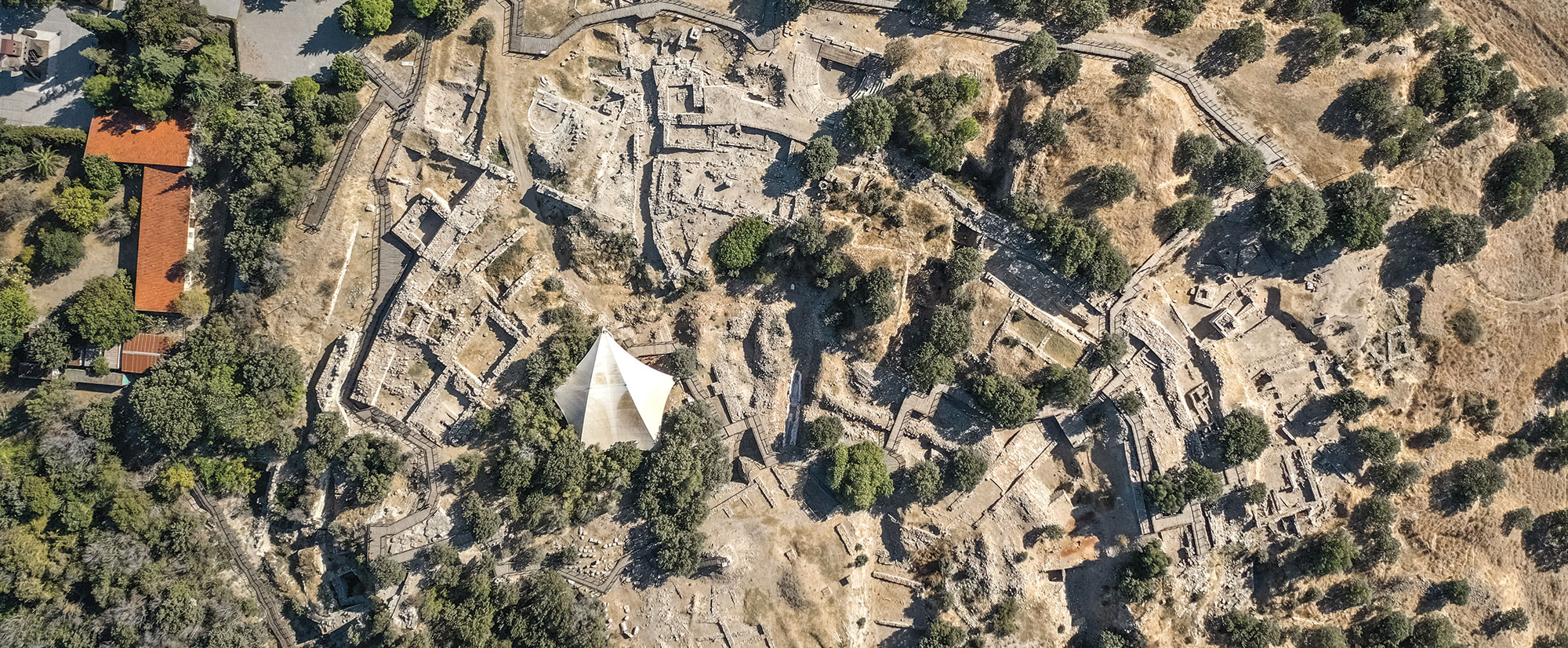
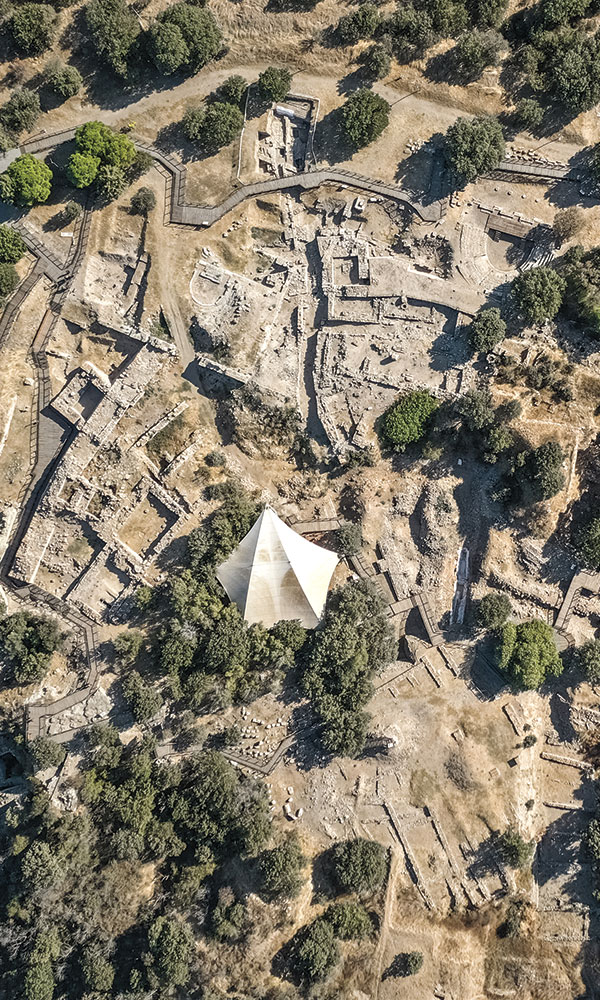
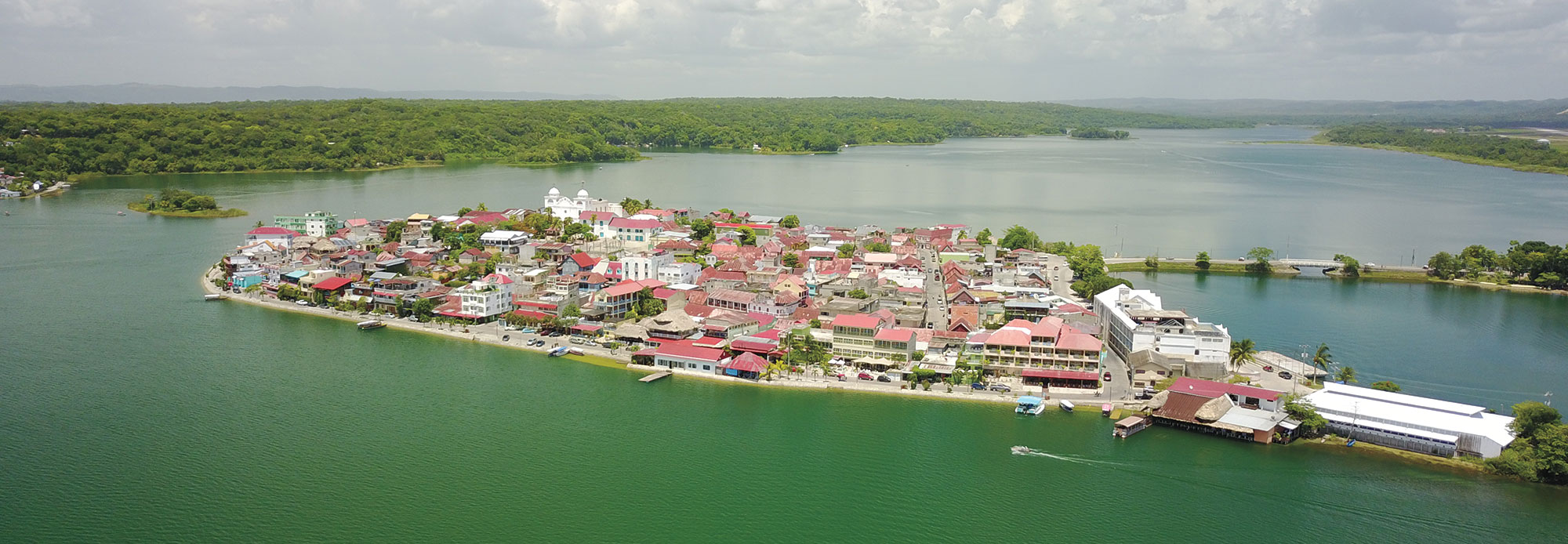
Flores Island, Guatemala
Courtesy Timothy Pugh/Itzá Archaeological Project
SHARE:

It took the Spanish and their Indigenous allies only two years to capture the Mexica, or Aztec, capital of Tenochtitlan, now Mexico City, after entering the city in 1519. The Maya, however, presented a more resolute challenge. This was in part because the Maya had never been ruled by a single centralized state. Dozens of independent Maya kingdoms across southern Mexico and Central America mounted various forms of resistance to the Spaniards. While some declared allegiance to the colonizers witho
Become a Digital Subscriber Today

Get full access to all content on the ARCHAEOLOGY website and our PDF archive going back to the first publication in March 1948.

Already a Subscriber? Sign In

  • Features May/June 2026

    Pioneers of Lakefront  Living

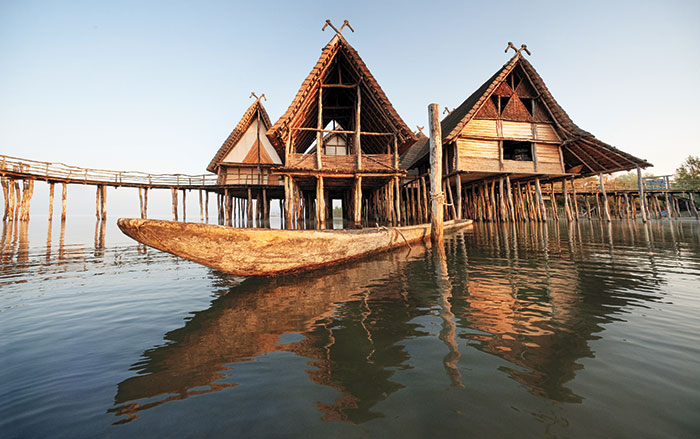
    Why Neolithic and Bronze Age farmers in the Alps built their villages on stilts

    Read Article
    Modern replicas of Bronze Age houses in Lake Constance
    © APM/Frank Müller
  • Features May/June 2026

    Art for the Ages

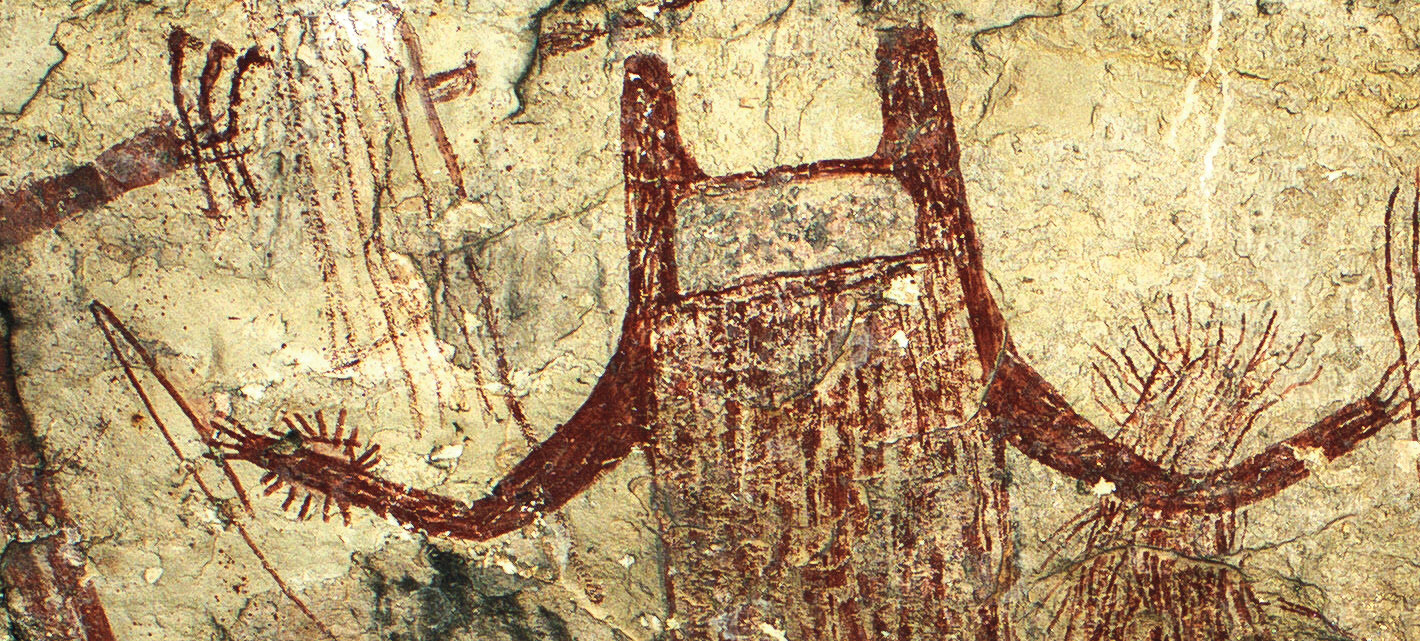
    A surreal style of painting endured for 4,000 years in the canyonlands of West Texas

    Read Article
    Shumla Archaeological Research and Education Center Archive
  • Features May/June 2026

    Bridge to the Past

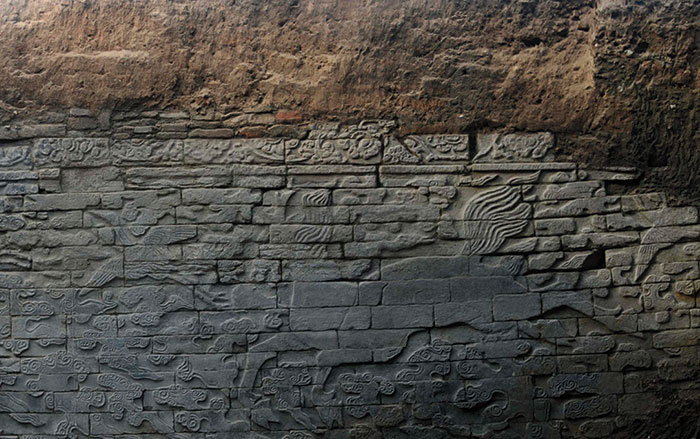
    The Yellow River brought both prosperity and calamity to China’s dazzling medieval capital By Ling Xin

    Read Article
    Henan Provincial Institute of Cultural Heritage and Archaeology
  • Letter from Bulgaria May/June 2026

    Capitals of Khans and Tsars

    The untold story of how the Bulgarian Empire challenged medieval Europe’s great powers

    Read Article
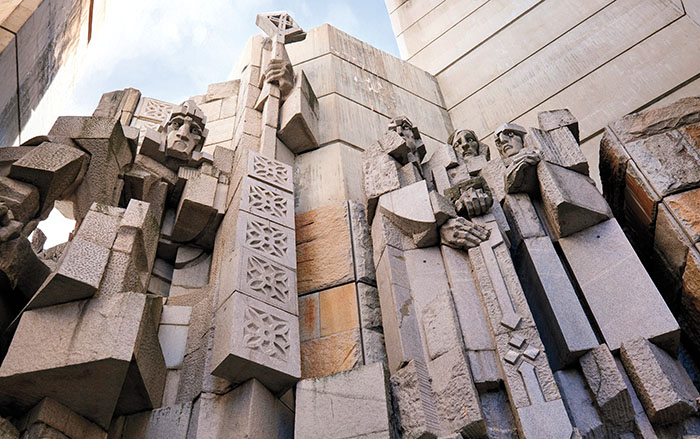
    A monument called the Founders of the Bulgarian State in the eastern Bulgarian city of Shumen
    Ben O’Donnell