SALT LAKE CITY, UTAH—Researchers from the University of Utah have determined that the ability to make a clenched fist offers some protection to the bones of the human hand during a fight, and therefore may have been just as important as the ability to manipulate objects as a shaping force in the evolution of the human hand. “Ultimately, the evolutionary significance of the human hand may lie in its remarkable ability to serve two seemingly incompatible, but intrinsically human, functions,” they wrote in the Journal of Experimental Biology. Apes are not able to form a clenched fist.
Why We Make Fists When We Fight
News December 23, 2012
Recommended Articles
Off the Grid September/October 2026
Xunantunich, Belize
Learning to draw monkeys at an ancient Maya art academy
Letter from Ireland September/October 2026
A War Between Friends
How IRA volunteers survived the Irish Civil War in a secret mountain hideout
Features September/October 2026
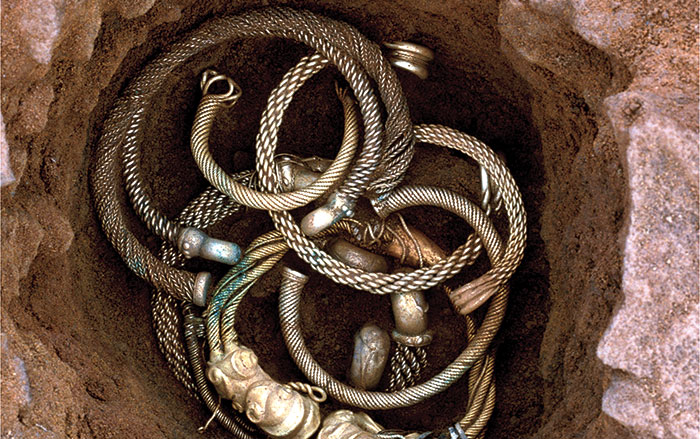
A Change in Fashion
Hoards of lavish gold and silver neck rings buried on an English hill reflect dramatic social change
Features September/October 2026
Cultivating Fields of Stone
Peru’s ancient farmers used intricate rock maps to plan for the future
-
Features November/December 2012
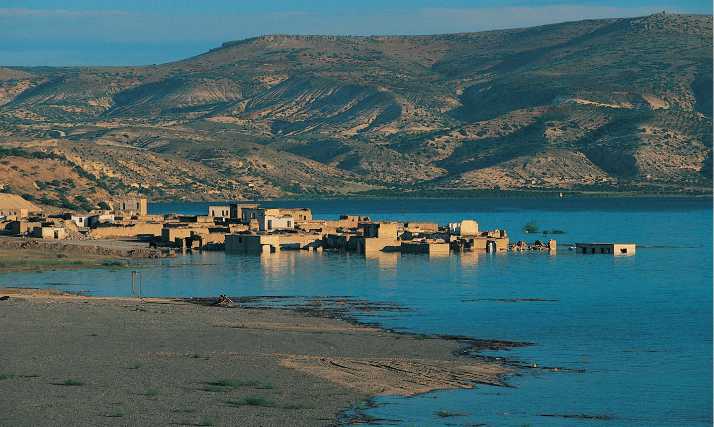
Zeugma After the Flood
New excavations continue to tell the story of an ancient city at the crossroads between east and west
(Hasan Yelken/Images & Stories) -
Letter from India November/December 2012
Living Heritage at Risk
Searching for a new approach to development, tourism, and local needs at the grand medieval city of Hampi
(Gethin Chamberlain) -
Artifacts November/December 2012
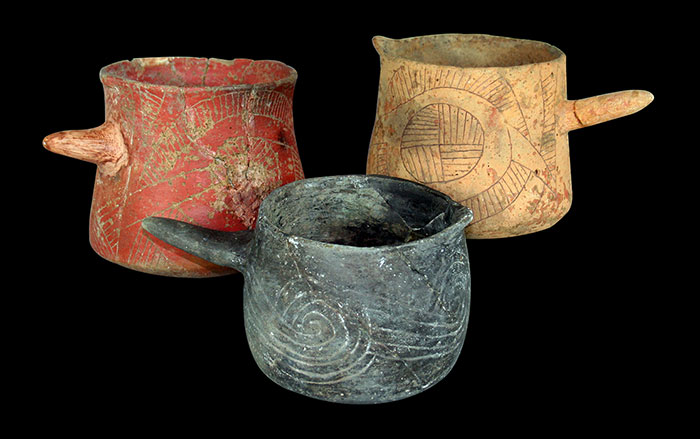
Beaker Vessels
Ceramic beakers were the vessels of choice for the so-called “Black Drink” used at Cahokia by Native Americans in their purification rituals
(Linda Alexander, photographer, use with permission of the Illinois State Archaeological Society) -
Digs & Discoveries November/December 2012
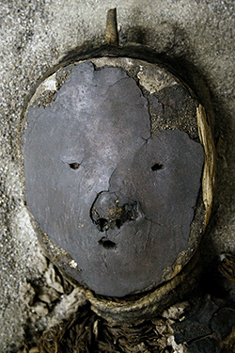
The Desert and the Dead
(Courtesy Bernardo Arriaza)