KRAKÓW, POLAND—A team of researchers from Poland and the Netherlands has used a technique used to establish hair and eye color from modern forensic samples on remains up to 800 years old. “This system can be used to solve historical controversies where color photographs or other records are missing,” said Wojciech Branicki of Jagielonian University. The researchers have tested the system on the remains of inmates from a World War II prison camp and medieval bones from a Benedictine abbey near Kraków.

Technique Identifies Eye and Hair Color in Archaeological Remains
News January 14, 2013
Recommended Articles
Features July/August 2026
Egypt's First Queen
How a trailblazing ruler pulled her realm back from the brink
Features July/August 2026
Secrets of the Serpent
Is a Native American origin story embedded in Ohio’s colossal earthwork?
Features July/August 2026
Slinging Insults
Greek and Roman soldiers fired pointed barbs at their enemies
Features July/August 2026
Inside Africa’s Houses of Stone
Archaeologists are rethinking how kings shared power beyond the great capitals of medieval Zimbabwe
-
Features November/December 2012
Zeugma After the Flood
New excavations continue to tell the story of an ancient city at the crossroads between east and west
(Hasan Yelken/Images & Stories) -
Letter from India November/December 2012
Living Heritage at Risk
Searching for a new approach to development, tourism, and local needs at the grand medieval city of Hampi
(Gethin Chamberlain) -
Artifacts November/December 2012
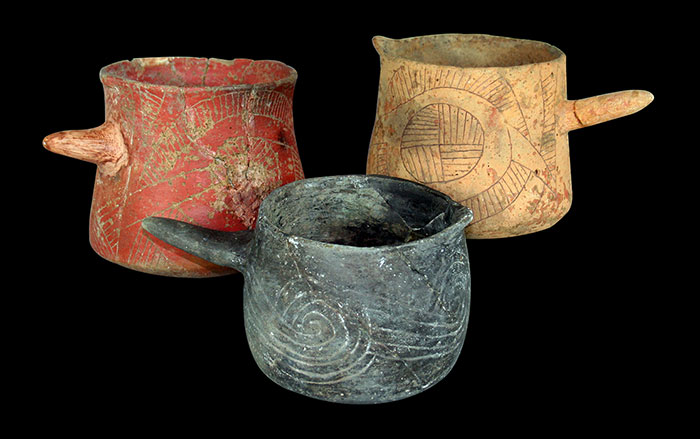
Beaker Vessels
Ceramic beakers were the vessels of choice for the so-called “Black Drink” used at Cahokia by Native Americans in their purification rituals
(Linda Alexander, photographer, use with permission of the Illinois State Archaeological Society) -
Digs & Discoveries November/December 2012
The Desert and the Dead
(Courtesy Bernardo Arriaza)