
BELIZE CITY, BELIZE—A 2,300-year-old Maya pyramid at the Noh Mul complex in northern Belize has been destroyed by a construction company that used its stones for a road-building project. Heavy equipment was used to dig away at the sides of the pyramid, exposing a narrow chamber at the pyramid’s core. Although it sat in the middle of a privately owned sugar-cane field, all pre-Hispanic sites receive government protection. “These guys knew that this was an ancient structure. It’s just bloody laziness,” said Jaime Awe, head of the Belize Institute of Archaeology. Belizean police are conducting an investigation and may press criminal charges. The nearby Maya site of San Estevan was destroyed in a similar fashion in 2005.
Construction Crew Destroys Maya Pyramid for Road Fill
News May 14, 2013
Recommended Articles
Off the Grid November/December 2026
San Agustín, Colombia
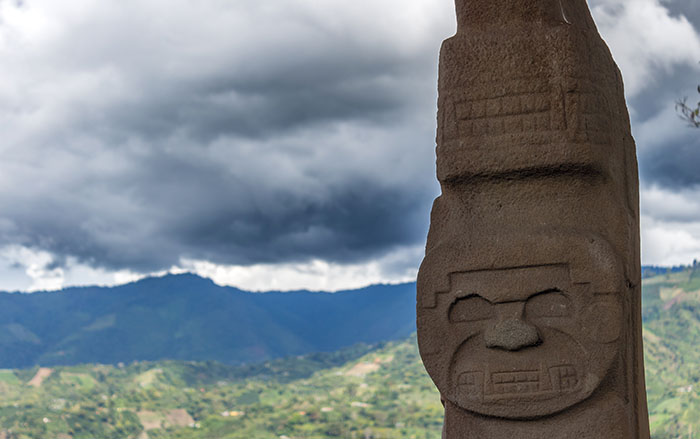
Archaeologists are finally deciphering the mystery megaliths of a vanished Andean people
Letter from Cape Canaveral November/December 2026
Dawn of the Space Age
Archaeologists have made surprising discoveries spanning 3,000 years at the birthplace of American space exploration
Features November/December 2026
Kingdom of Fortresses
How diverse and far-flung Iron Age chiefdoms united to challenge the Assyrian Empire
Features November/December 2026
A Tomb of One’s Own
Life behind the scenes in Egypt’s Valley of the Kings
-
Features March/April 2013
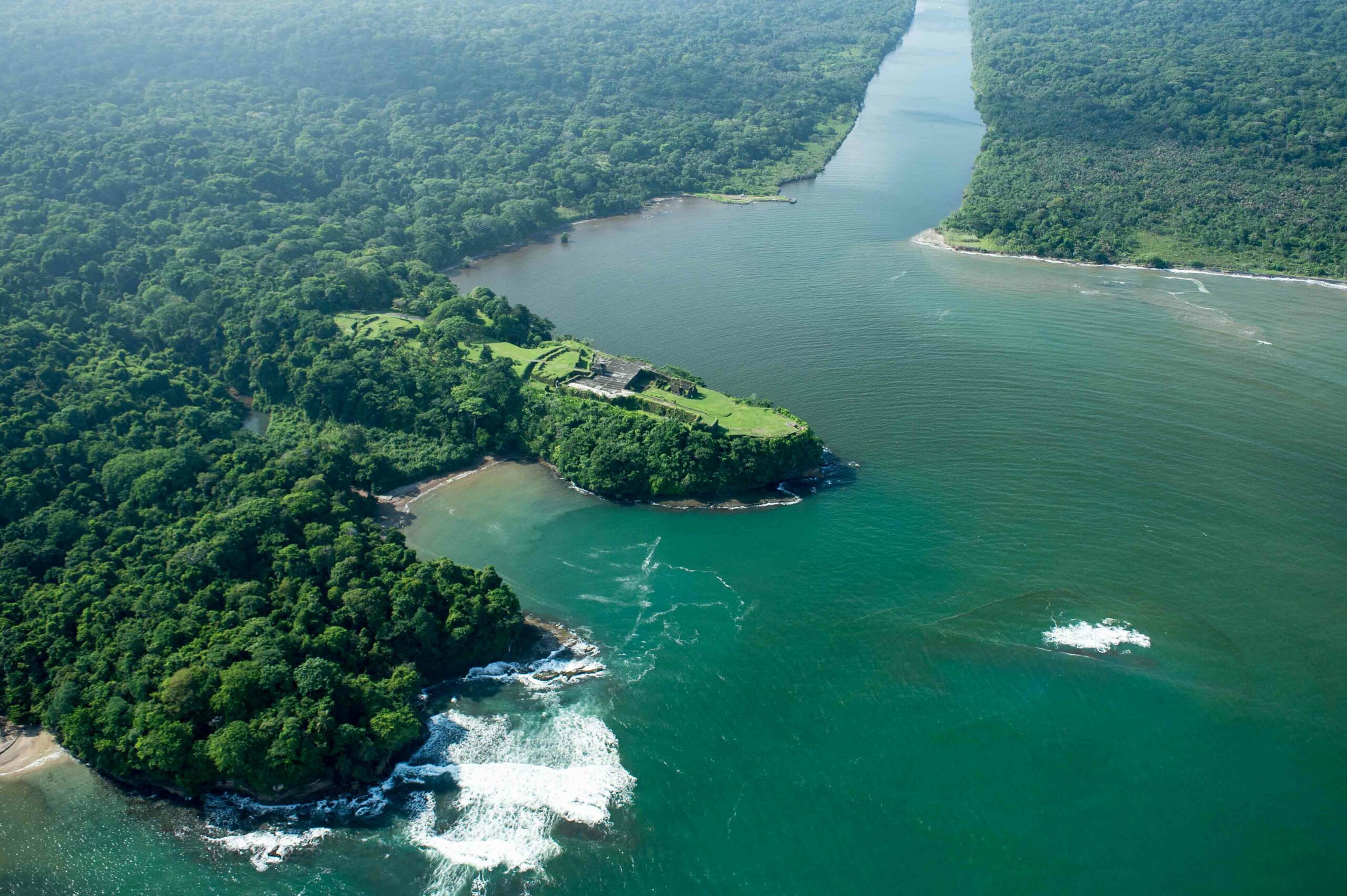
Pirates of the Original Panama Canal
Searching for the remains of Captain Henry Morgan's raid on Panama City
(Courtesy Captain Morgan Rum Co.) -
Features March/April 2013
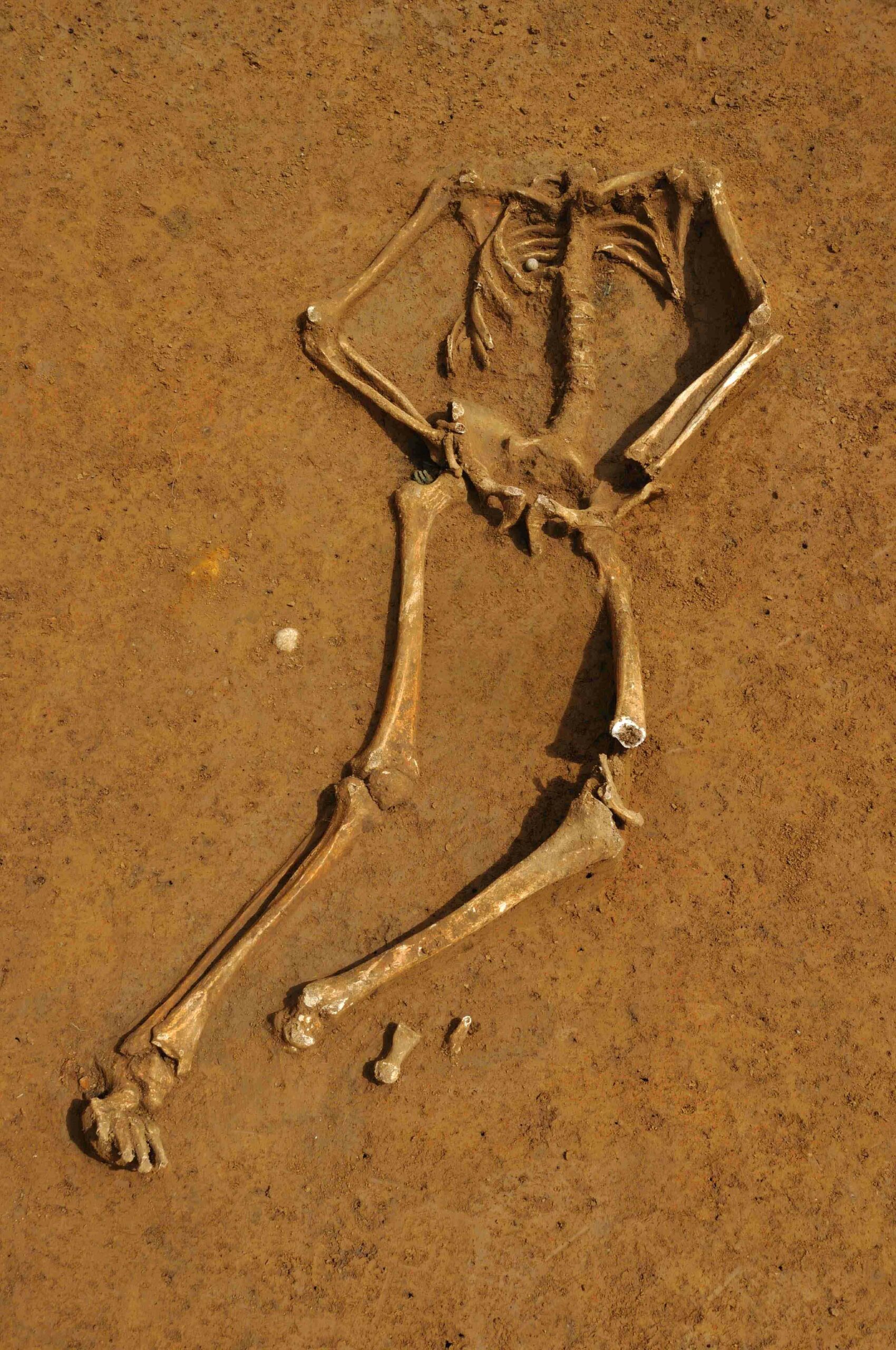
A Soldier's Story
The battle that changed European history, told through the lens of a young man’s remains
(Courtesy Dominique Bosquet) -
Letter From Cambodia March/April 2013
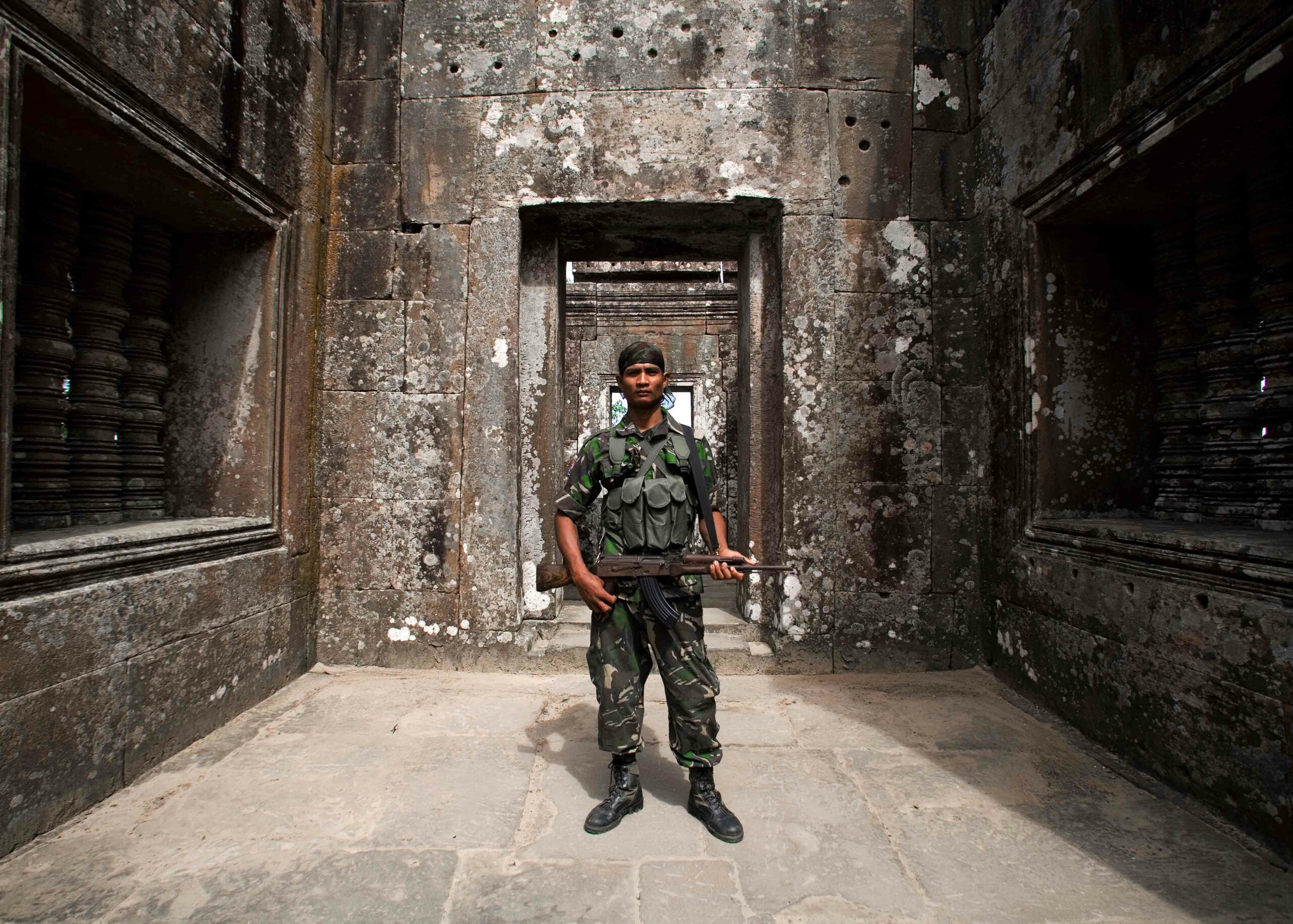
The Battle Over Preah Vihear
A territorial dispute involving a 1,100-year-old Khmer temple on the Thai-Cambodian border turns violent
(Masuru Goto) -
Artifacts March/April 2013
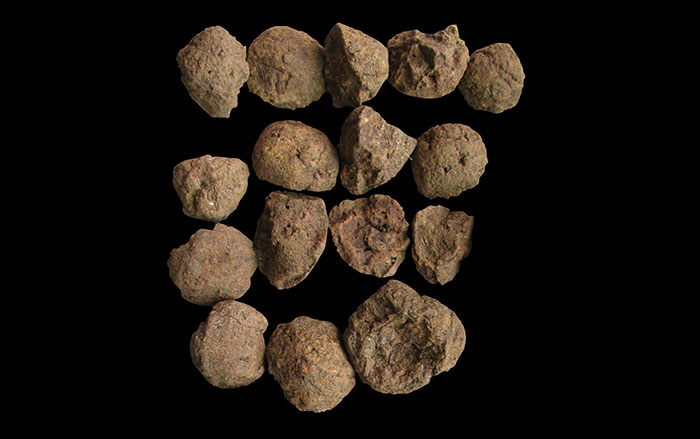
Pottery Cooking Balls
Scientific analyses and experimental ARCHAEOLOGY determine that mysterious, 1,000-year-old balls of clay found at Yucatán site were used in cooking
(Courtesy Bolonchen Regional Archaeological Project)