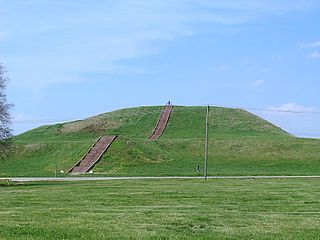
MADISON, WISCONSIN—A massive flood 1,000 years ago may be responsible for the decline and eventual abandonment of the prehistoric city now known as Cahokia. Samuel E. Munoz of the University of Wisconsin examined cores from nearby Horseshoe Lake and found a thick layer of sediment followed by a decline in pollen from corn cultivation. The high waters probably did not reach Monk’s Mound, at the center of the city, but it may have forced as many as 15,000 people away from residential and agricultural areas. “When we realized we were looking at a flood, and that it fell right at this key time in Cahokia’s history, it was very exciting,” Munoz said.
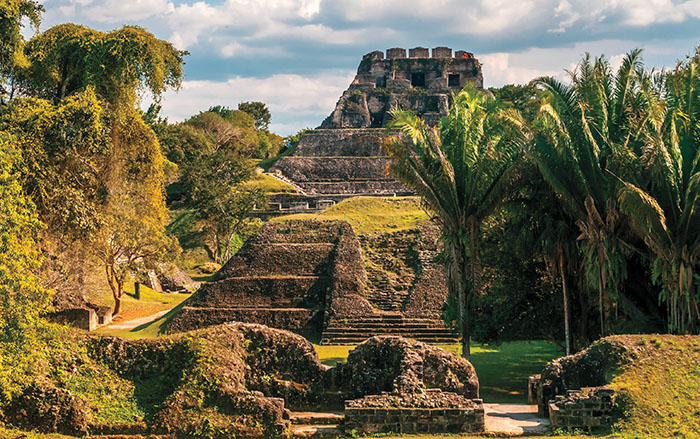
Flooding May Have Caused Cahokia’s Decline
News November 1, 2013
Recommended Articles
Features July/August 2026
Egypt's First Queen
How a trailblazing ruler pulled her realm back from the brink
Features July/August 2026
Secrets of the Serpent
Is a Native American origin story embedded in Ohio’s colossal earthwork?
Features July/August 2026
Slinging Insults
Greek and Roman soldiers fired pointed barbs at their enemies
Features July/August 2026
Inside Africa’s Houses of Stone
Archaeologists are rethinking how kings shared power beyond the great capitals of medieval Zimbabwe
-
Features September/October 2013
Tomb of the Vulture Lord
A king’s burial reveals a pivotal moment in Maya history
(© Kenneth Garrett) -
Letter from Norway September/October 2013
The Big Melt
The race to find, and save, ancient artifacts emerging from glaciers and ice patches in a warming world
Courtesy Oppland County Council, Photo: Johan Wildhagen/Palookaville -
Artifacts September/October 2013
Roman Writing Tablet
A tablet bearing a birthday party invite includes the earliest Latin script penned by a woman
(© The Trustees of the British Museum/Art Resource, NY) -
Digs & Discoveries September/October 2013
No Changeups on the Savannah
(Private Collection/J.T. Vintage/The Bridgeman Art Library, Werner Forman/Art Resource, NY, Pat Benic/Copyright Bettmann/Corbis/AP Images)