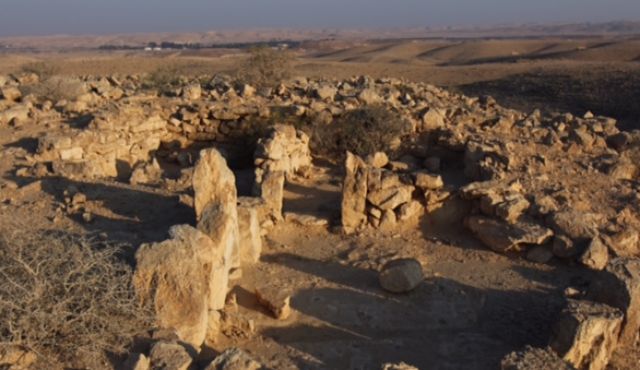
TEL AVIV, ISRAEL—The 5,000-year-old site of Mashabei Sadeh, located in the Negev Desert, consists of some 200 ancient structures near dry riverbeds that flowed during the rainy season. Did the residents use these limited resources to grow crops and keep herds to sustain themselves? Zach Dunseth is excavating Mashabei Sadeh as part of the Negev Highlands Research project, directed by Israel Finkelstein of Tel Aviv University and Ruth Shahack-Gross of the Weizmann Institute. Dunseth looked for coprolites, which would be evidence of animal husbandry and might contain phytoliths of cultivated plants. But no coprolites were found at Mashabei Sadeh. “No animal pens, no faunal remains, no stone tools like sickle blades, and most of all, no dung…. This leads us to believe that this large settlement was probably sustained by some other form of economy,” he said. A smaller settlement nearby did contain some dung, however. “There must be an explanation hidden somewhere in the ground, but at this point what we have are only hints of something greater, of Mashabei Sadeh being part of a far larger economy,” he added.
How Did Bronze Age Villagers Survive in the Negev Desert?
News January 8, 2014
Recommended Articles
Features July/August 2026
Egypt's First Queen
How a trailblazing ruler pulled her realm back from the brink
Features July/August 2026
Secrets of the Serpent
Is a Native American origin story embedded in Ohio’s colossal earthwork?
Features July/August 2026
Slinging Insults
Greek and Roman soldiers fired pointed barbs at their enemies
Features July/August 2026
Inside Africa’s Houses of Stone
Archaeologists are rethinking how kings shared power beyond the great capitals of medieval Zimbabwe
-
Features November/December 2013
Life on the Inside
Open for only six weeks toward the end of the Civil War, Camp Lawton preserves a record of wartime prison life
(Virginia Historical Society, Mss5.1.Sn237.1v.6p.139) -
Features November/December 2013
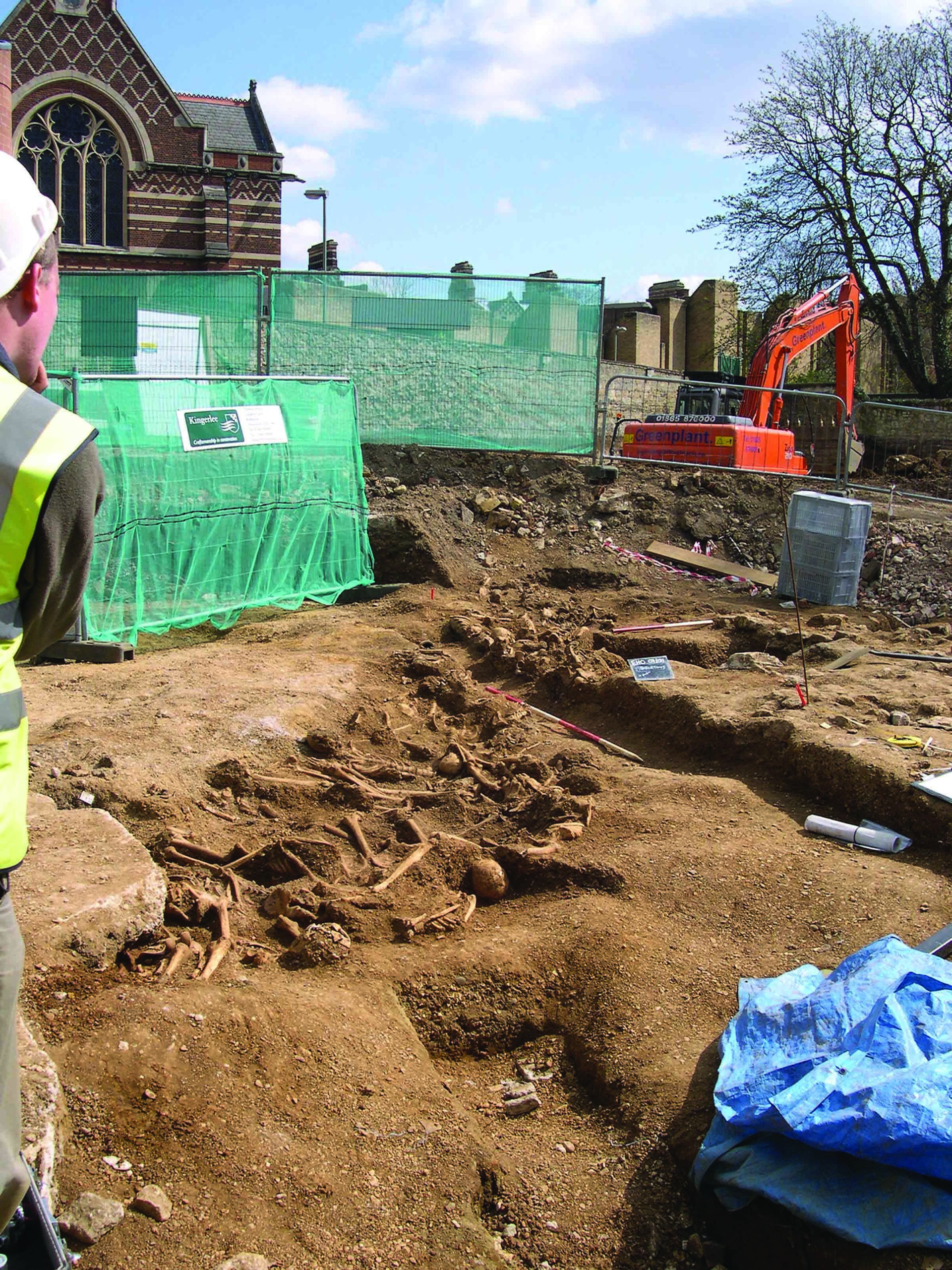
Vengeance on the Vikings
Mass burials in England attest to a turbulent time, and perhaps a notorious medieval massacre
(Courtesy Thames Valley Archaeological Services) -
Letter from Bangladesh November/December 2013
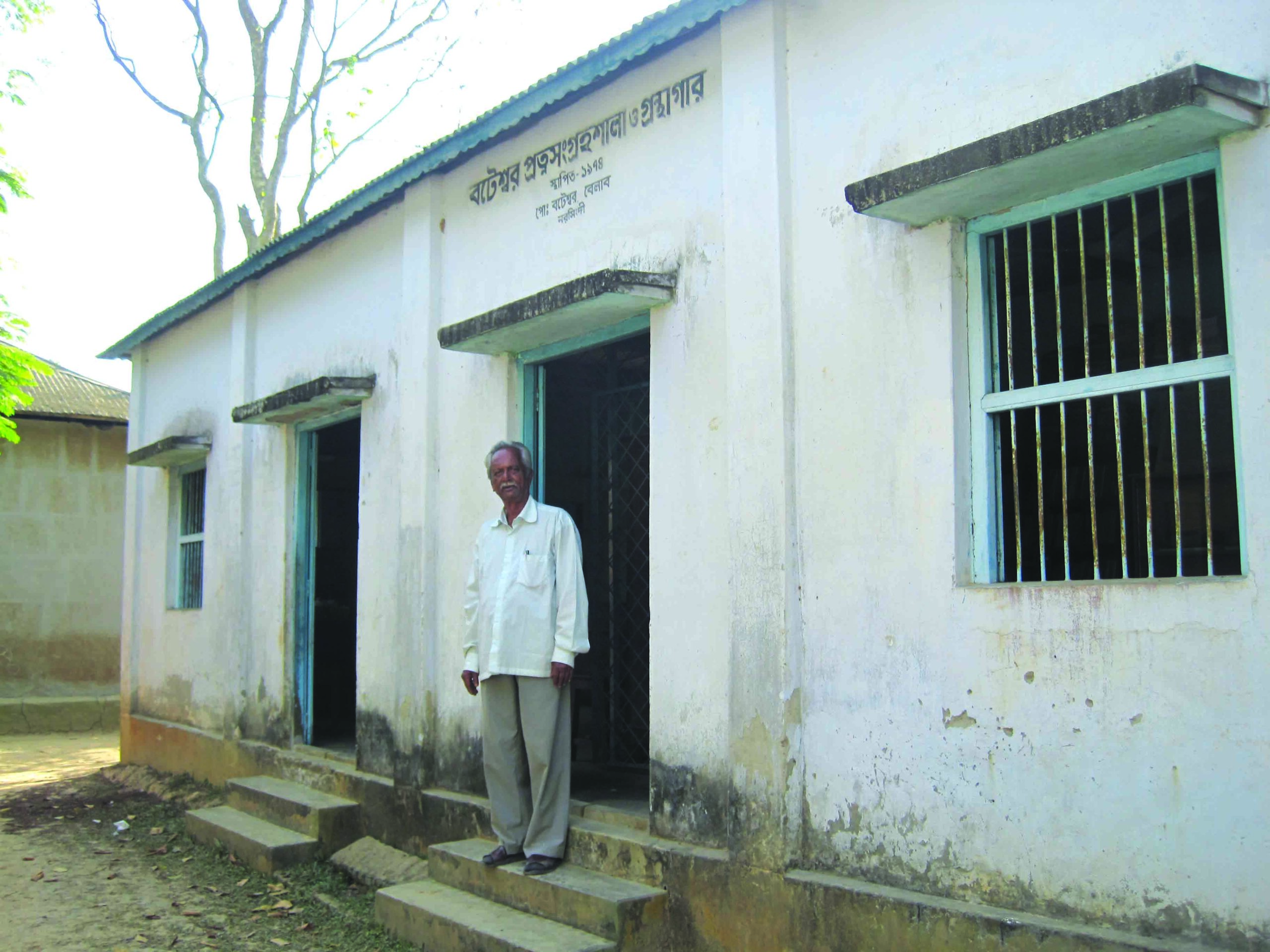
A Family's Passion
A father and son watched over a site in northeastern Bangladesh for decades before archaeologists came to see what was there
(Courtesy Reema Islam) -
Artifacts November/December 2013
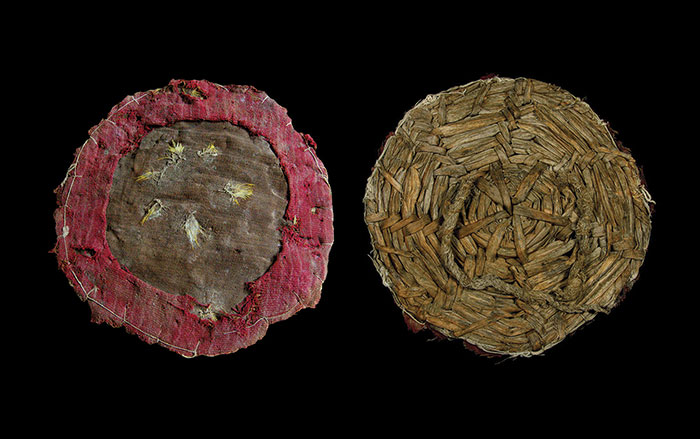
Moche Ceremonial Shield
(Courtesy Lisa Trever, University of California, Berkeley)