

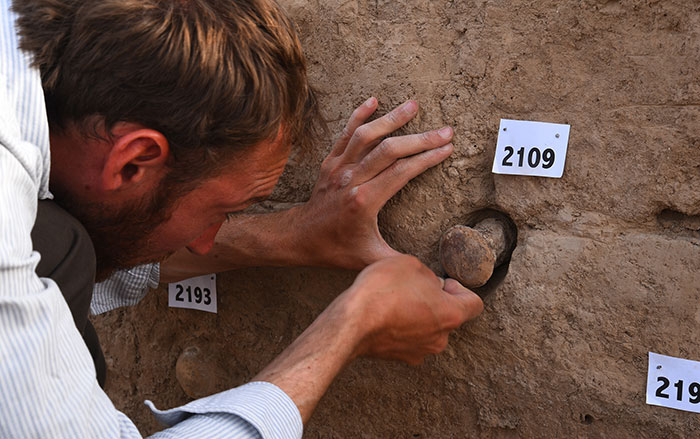
AHMEDABAD, INDIA—The Times of India reports that traces of the industrial production of conch shell bangles and beads have been unearthed in western India’s state of Gujarat. Abhijit Ambekar of the Archaeological Survey of India and his colleagues suggest people living in the region recovered Turbinella pyrum shells from the Gulf of Kutch and fashioned them into intricately carved bangles and beads, inlays, and rings as early as the first or second century A.D. The industry is thought to have peaked in the fifth century, and continued into the medieval period. The finished jewelry is thought to have been traded to the east and the south, where similar bangles have been found. The excavation also recovered a stone tablet engraved with a conch motif dating to about the fifth century A.D. To read about another recent discovery, go to "India's Anonymous Artists."
Shell Jewelry Manufacturing Site Excavated in India
News February 11, 2019
Recommended Articles
Off the Grid September/October 2026
Xunantunich, Belize
Learning to draw monkeys at an ancient Maya art academy

Letter from Ireland September/October 2026
A War Between Friends
How IRA volunteers survived the Irish Civil War in a secret mountain hideout

Features September/October 2026
A Change in Fashion
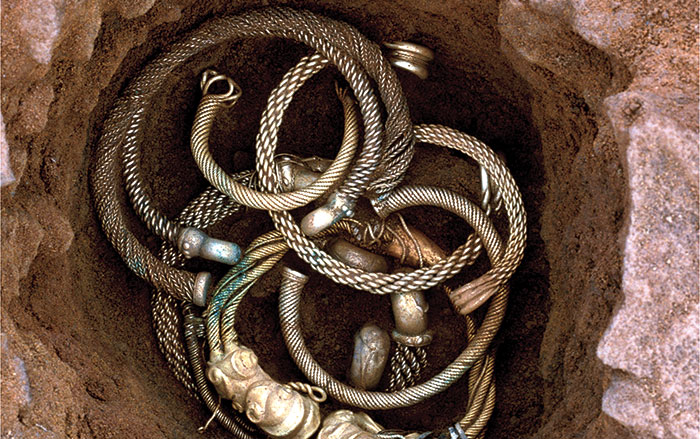
Hoards of lavish gold and silver neck rings buried on an English hill reflect dramatic social change
Features September/October 2026
Cultivating Fields of Stone
Peru’s ancient farmers used intricate rock maps to plan for the future

More to Discover
Features January/February 2019
Top 10 Discoveries of 2018
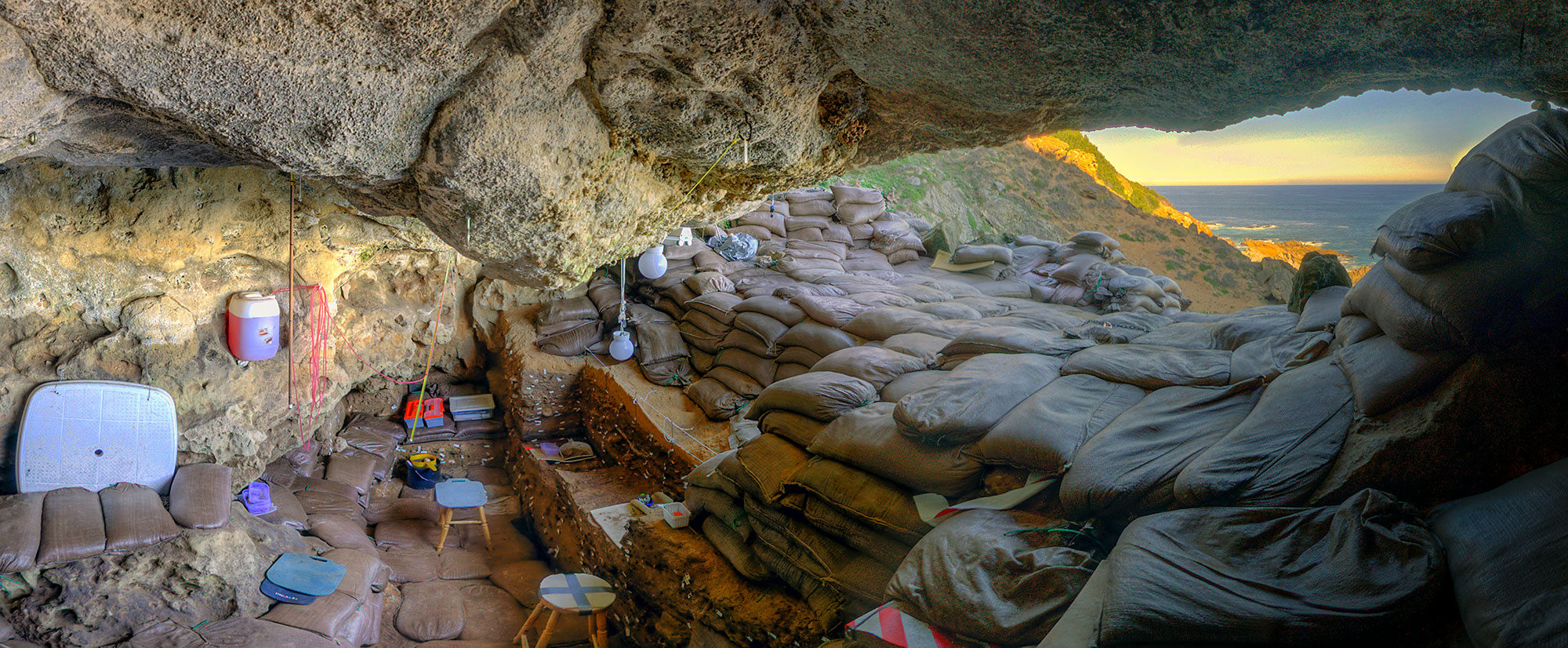
ARCHAEOLOGY’s editors reveal the year’s most compelling finds

-
Features January/February 2019
A Dark Age Beacon
Long shrouded in Arthurian lore, an island off the coast of Cornwall may have been the remote stronghold of early British kings
 (Skyscan Photolibrary/Alamy Stock Photo)
 -
Letter from Leiden January/February 2019
Of Cesspits and Sewers
Exploring the unlikely history of sanitation management in medieval Holland
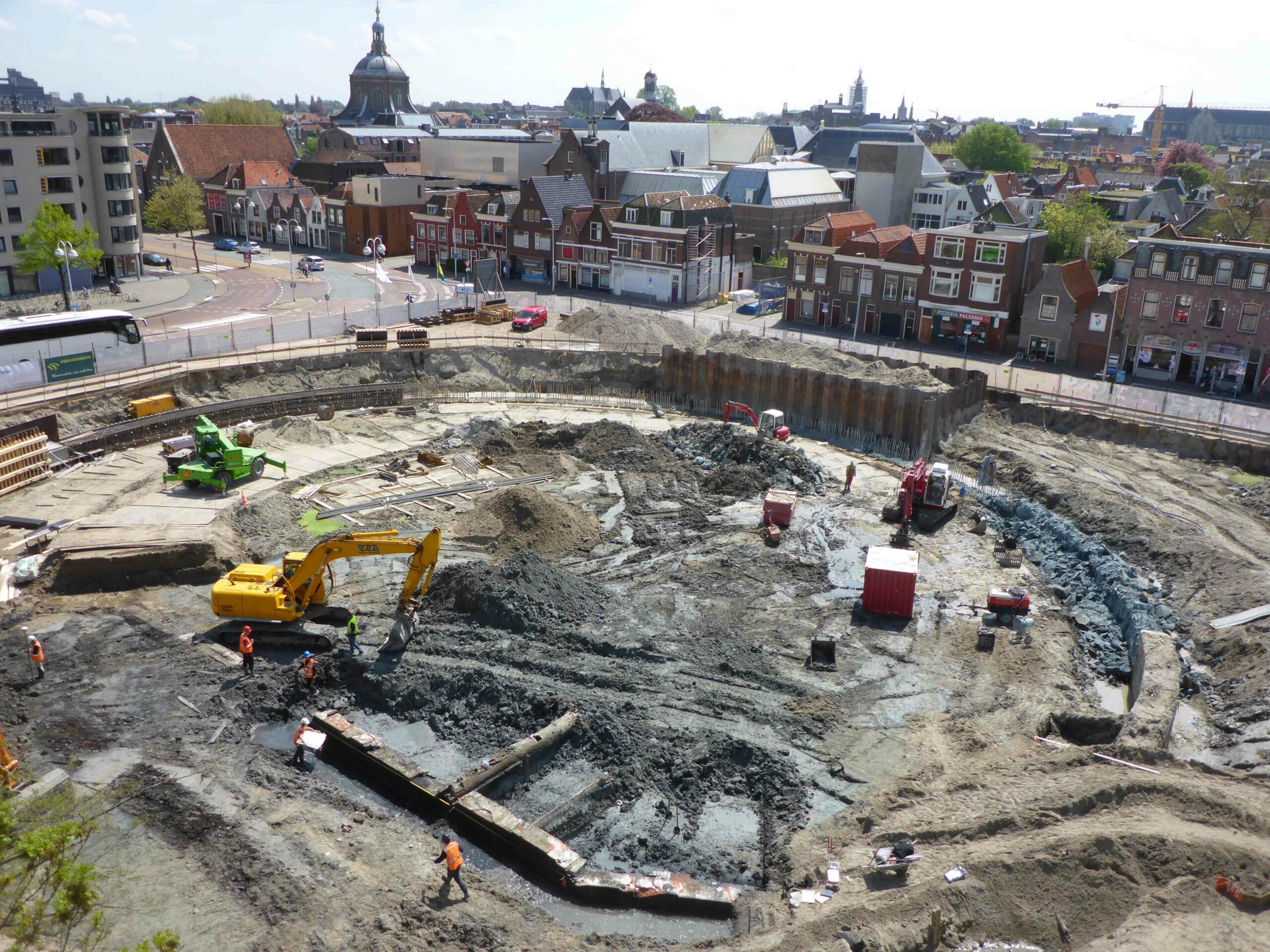 (Photo by BAAC Archeologie en Bouwhistorie)
 -
Artifacts January/February 2019
Neo-Hittite Ivory Plaque
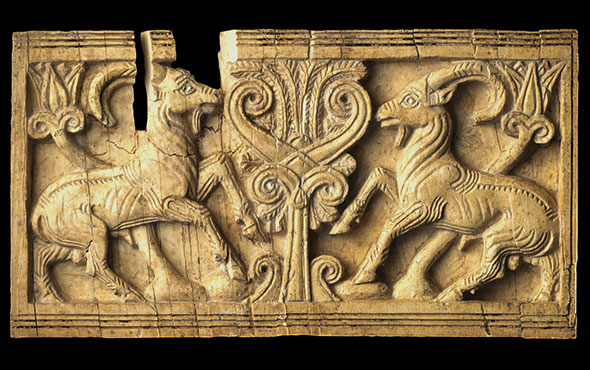 (Copyright MAIAO, Sapienza University of Rome/Photo by Roberto Ceccacci)
 -
Digs & Discoveries January/February 2019
The Case of the Stolen Sumerian Antiquities
 (© Trustees of the British Museum)