

PORT ANGELES, WASHINGTON—According to a Peninsula Daily News report, several human bones were spotted by hikers on the banks of an eroding beach trail about two miles from the site of a 2,700-year-old Klallam fishing village known as Tse-whit-zen. The village was discovered in 2003 during a bridge construction project. Forensic anthropologist Kathy Taylor estimated the bones recovered from the embankment are between 500 and 1,000 years old. “There’s a high probability [the remains] are Native American,” added Bill White, Lower Elwha Tribal archaeologist. Officials have covered the collapsing harbor embankment with fabric to try to prevent further damage. Any Native American remains recovered from the embankment during repair work will be repatriated to local tribal members. To read about Native American petroglyphs within Washington's Columbia Hills Historical State Park, go to "Off the Grid."
Erosion Uncovers Human Remains in Washington State
News January 31, 2020
Recommended Articles
Artifacts March/April 2023
Andean Wind Instruments
Digs & Discoveries November/December 2018
Let Them Eat Soup
Digs & Discoveries May/June 2017
Standing Still in Beringia?
Model Homes March/April 2026
Doorways for the Dead
LOCATION: Thebes, Egypt
DATES: Ca. 1981–1975 b.c.
More to Discover
Features November/December 2019
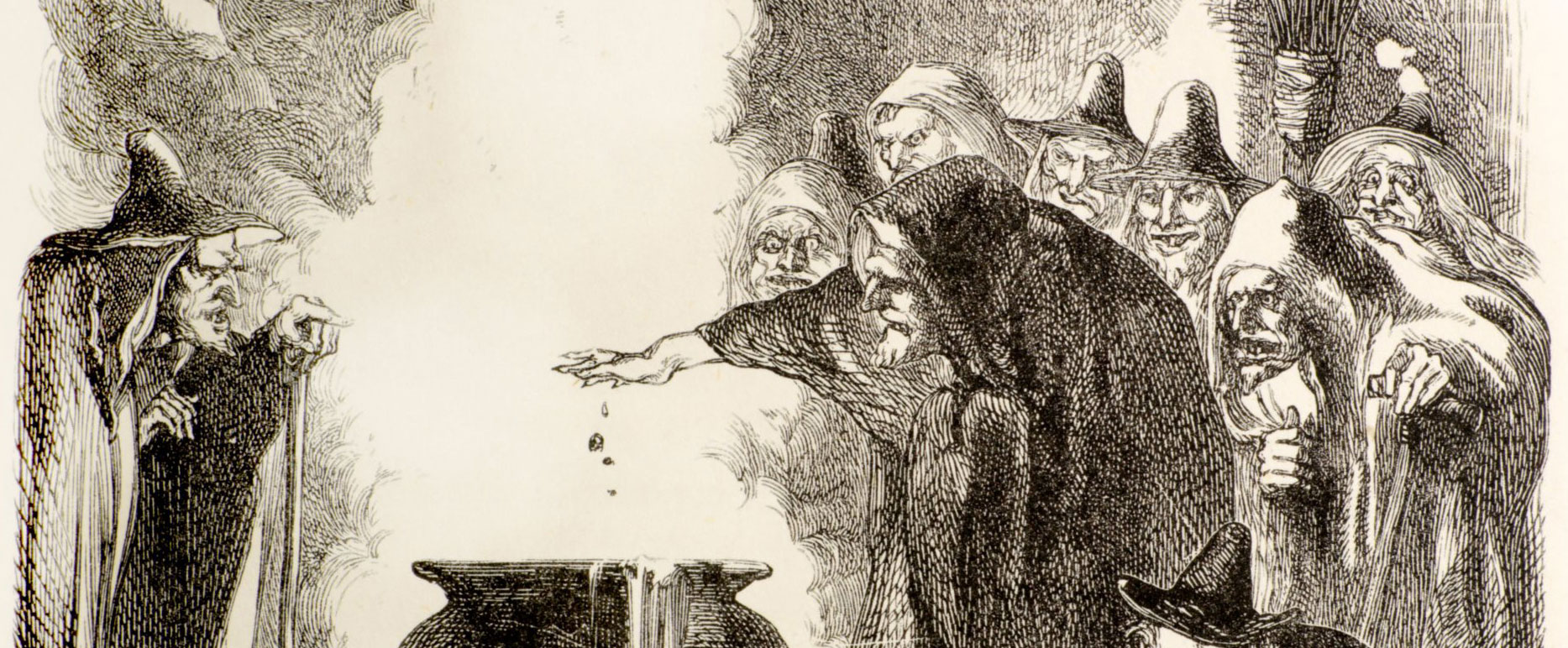
Searching for the Witches’ Tower
Archaeologists hunt for evidence of a 17th-century English family accused of witchcraft

-
Features November/December 2019
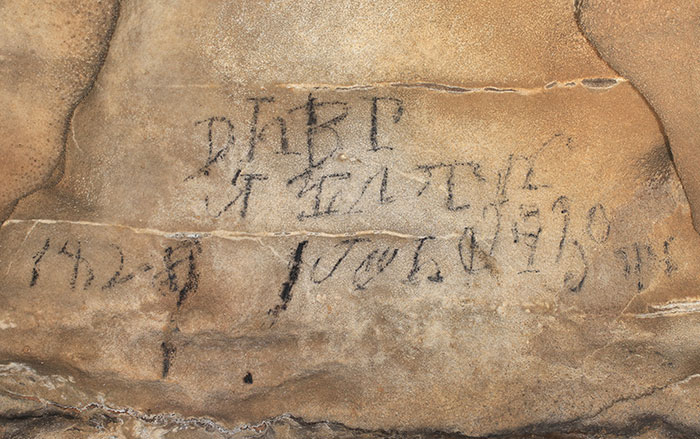
Artists of the Dark Zone
Deciphering Cherokee ritual imagery deep in the caves of the American South
 (Alan Cressler)
 -
Letter from Jordan November/December 2019
Beyond Petra
After the famous city was deserted, a small village thrived in its shadow
 (Ivan Vdovin/Alamy Stock Photo)
 -
Artifacts November/December 2019
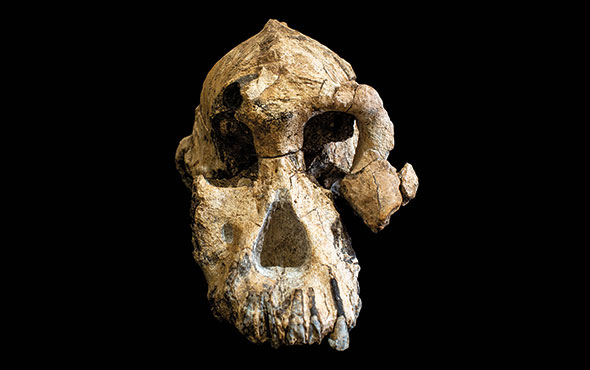
Australopithecus anamensis Cranium
 (Dale Omori/Cleveland Museum of Natural History)
 -
Digs & Discoveries November/December 2019
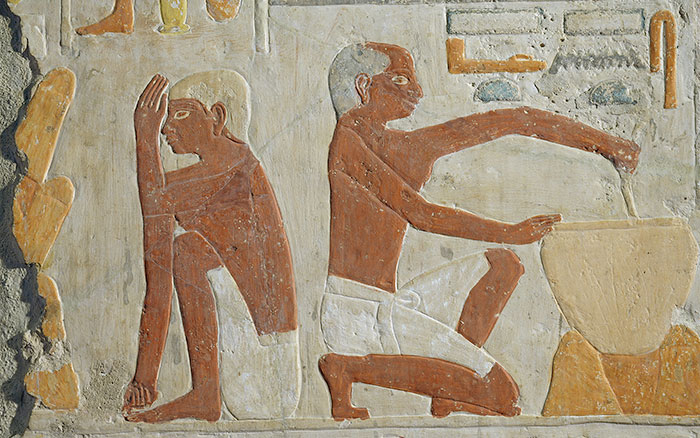
Proof Positive
 (Erich Lessing/Art Resource)