

YORKSHIRE, ENGLAND—The Guardian reports that a 5,000-year-old chalk sculpture known as the Burton Agnes drum has been found near a burial containing the remains of three children in east Yorkshire. Three nearly identical barrel-shaped chalk cylinders, known as the Folkton drums, were discovered about 15 miles away in North Yorkshire alongside a child’s remains in the nineteenth century. The objects may have been intended to protect the children. “The Folkton drums have long remained a mystery to experts for well over a century, but this new example finally begins to give us some answers,” said Neil Wilkin of the British Museum. “To my mind, the Burton Agnes drum is even more intricately carved and reflects connections between communities in Yorkshire, Stonehenge, Orkney, and Ireland,” he said. For more on the Folkton drums, go to "Epic Proportions."
Prehistoric Chalk “Drum” Sculpture Found in England
News February 10, 2022
Recommended Articles
Digs & Discoveries November/December 2026
Night of the Dangerous Dead
Mutilated remains in medieval burials show how far vampire hunters were willing to go
Features September/October 2026
A Change in Fashion
Hoards of lavish gold and silver neck rings buried on an English hill reflect dramatic social change
The Music of Time September/October 2026
Medieval Warrior Troubadours
The Unexpected World of the Odyssey May/June 2026
Another Trojan War?
More to Discover
Features January/February 2022
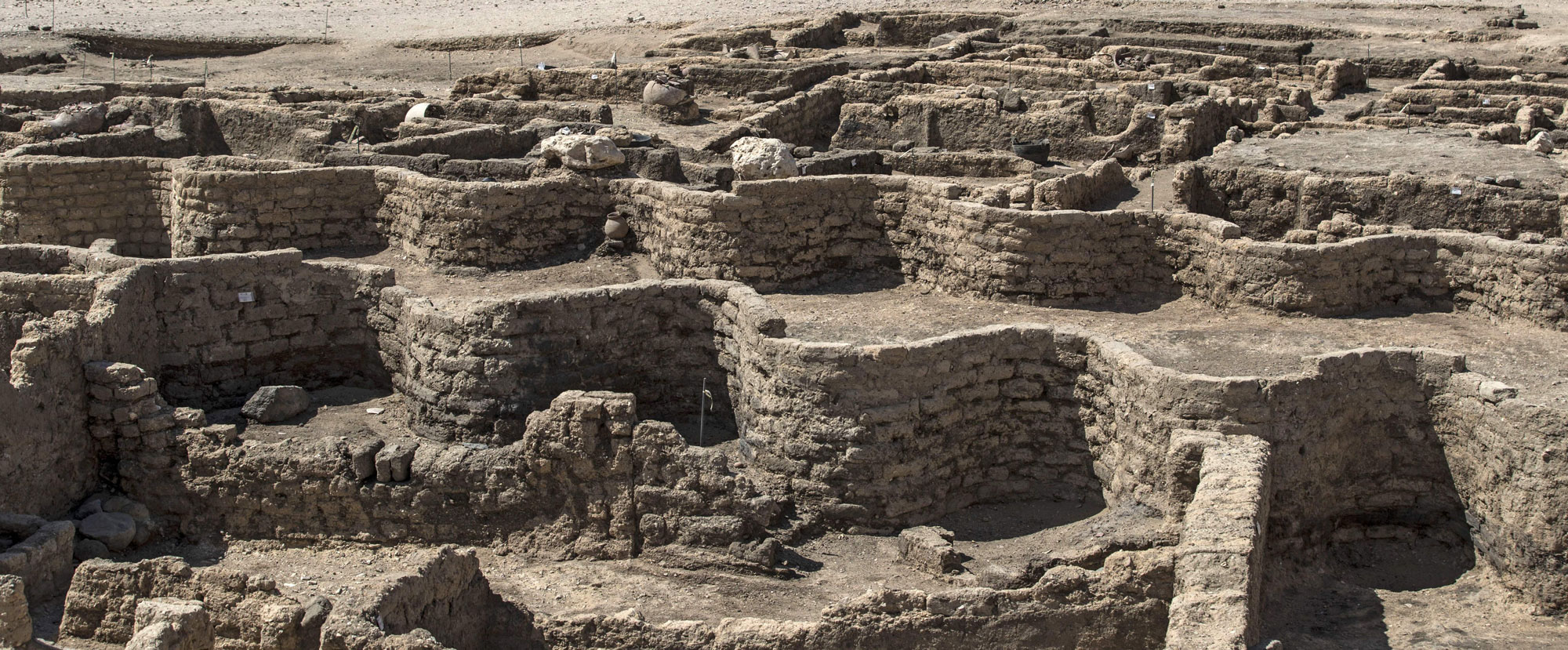
Top 10 Discoveries of 2021
ARCHAEOLOGY magazine reveals the year’s most exciting finds
-
Features January/February 2022
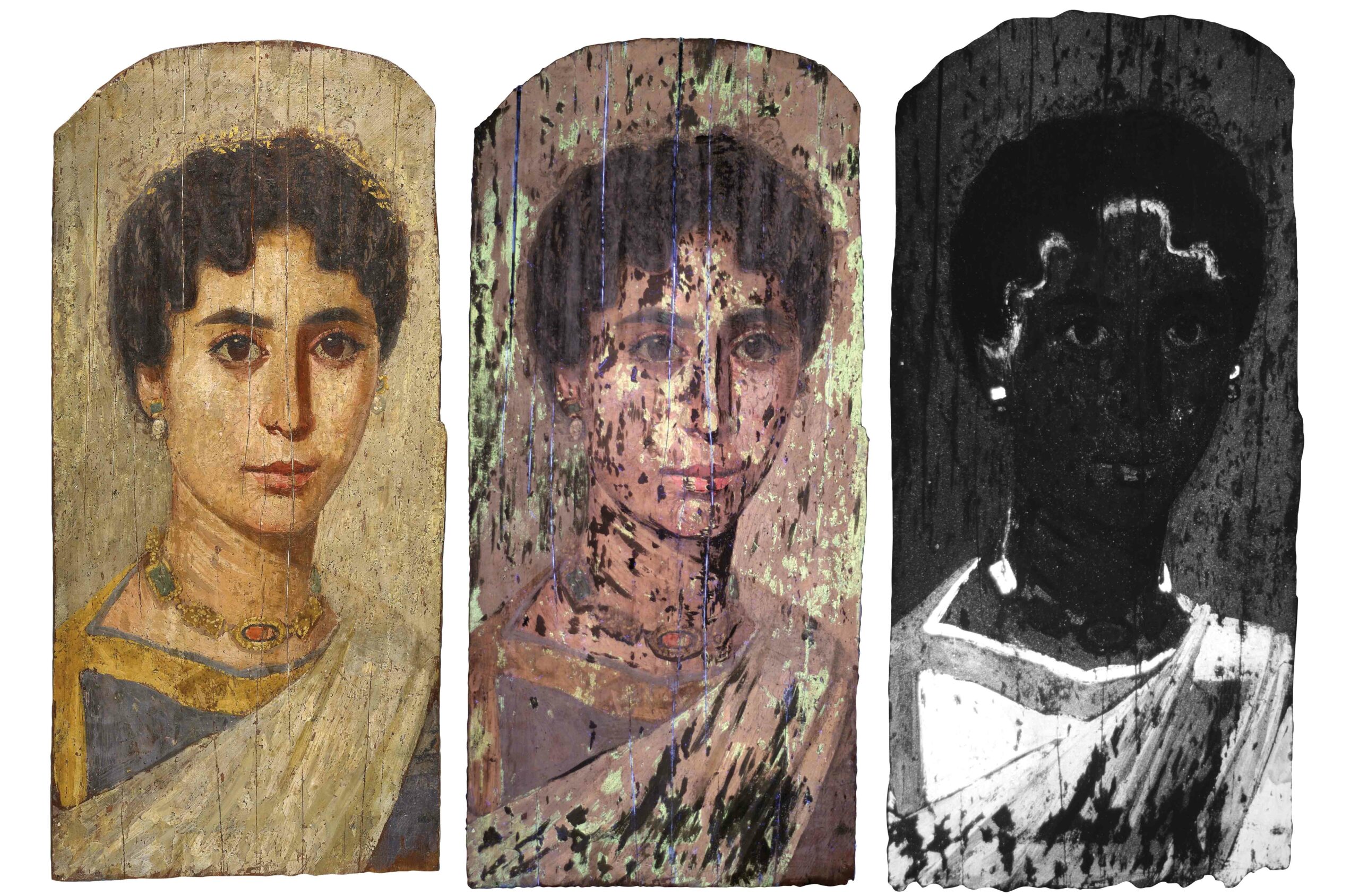
At Face Value
Researchers are using new scientific methods to investigate how artists in Roman Egypt customized portraits for the dead
 (© The Trustees of the British Museum)
-
Letter from the Galapagos Islands January/February 2022
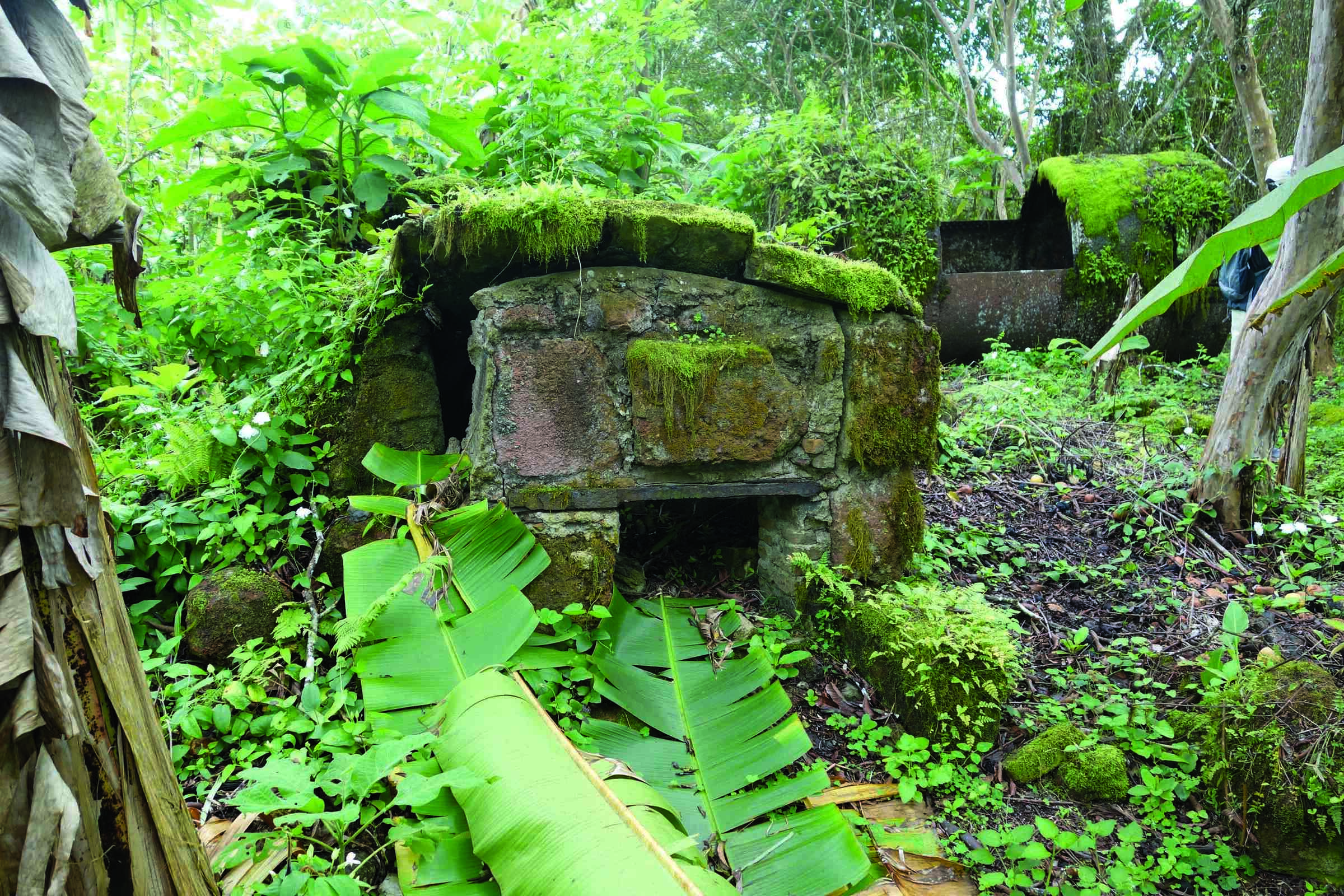
Transforming the Enchanted Isles
Archaeologists uncover the remote archipelago’s forgotten human history
 (Courtesy Historical Ecology of the Galapagos Islands Project)
-
Artifacts January/February 2022
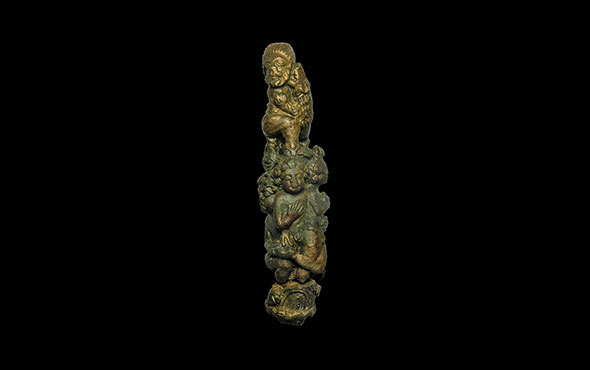
Roman Key Handle
 (University of Leicester Archaeological Services)
-
Digs & Discoveries January/February 2022
The Roots of Violence
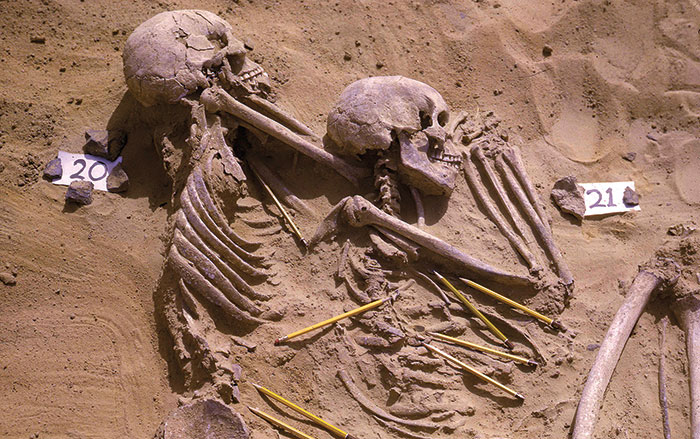 (Courtesy of the Wendorf Archives of the British Museum)