

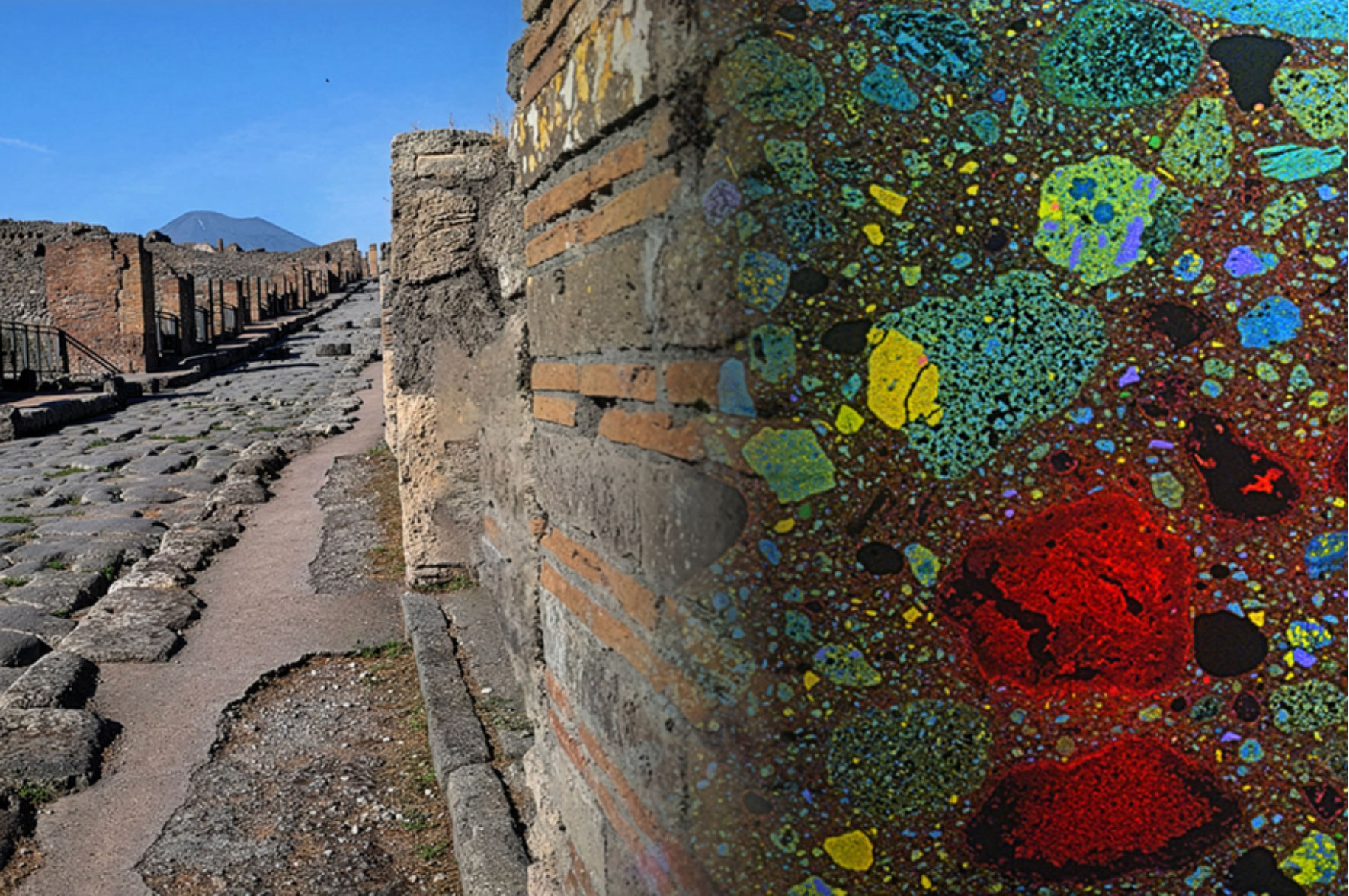
CAMBRIDGE, MASSACHUSETTS—According to a Reuters report, Admir Masic of the Massachusetts Institute of Technology and his colleagues analyzed building materials discovered in a complex at Pompeii that includes a bakery and living areas. The structures were under renovation when Mount Vesuvius erupted in A.D. 79, burying the city in volcanic ash and preserving the work in progress at the bakery. Masic said the building materials demonstrate that the workers used a technique called “hot mixing” to make concrete as needed with quicklime, water, and a blend of volcanic rock and ash. When combined, these ingredients produce heat in a chemical reaction. Yet this method appears to contradict a recipe written by the Roman architect and engineer Vitruvius in the first century B.C. Roman hot-mixed concrete, however, contains remnants of lime from the reaction called lime clasts, which can dissolve, recrystallize, and repair cracks on its own, making it an improvement over the concrete described by Vitruvius. “Imagine what 100 years of difference could mean for the building technology,” Masic said. “This [hot-mixed concrete] allowed builders to construct massive monolithic structures, complex vaults and domes, and harbors with concrete that cured underwater,” he explained. Read the original scholarly article about this research in Nature Communications. To read about other structures made of Roman concrete, go to "Rome's Lost Aqueduct."
Roman Concrete Ingredients at Pompeii Analyzed
News December 11, 2025
Recommended Articles
Digs & Discoveries May/June 2024
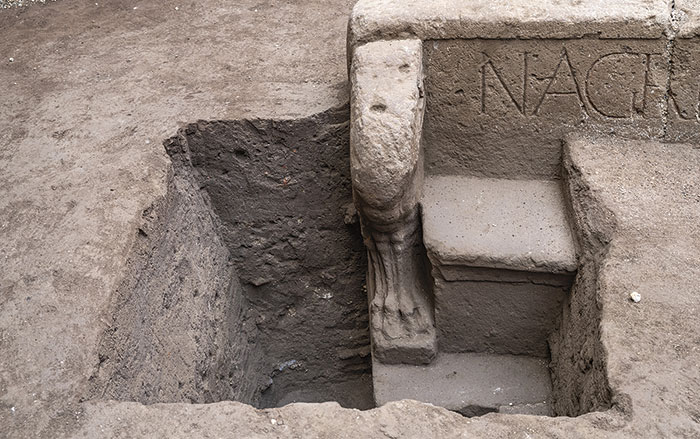
Pompeian Politics
Digs & Discoveries March/April 2021
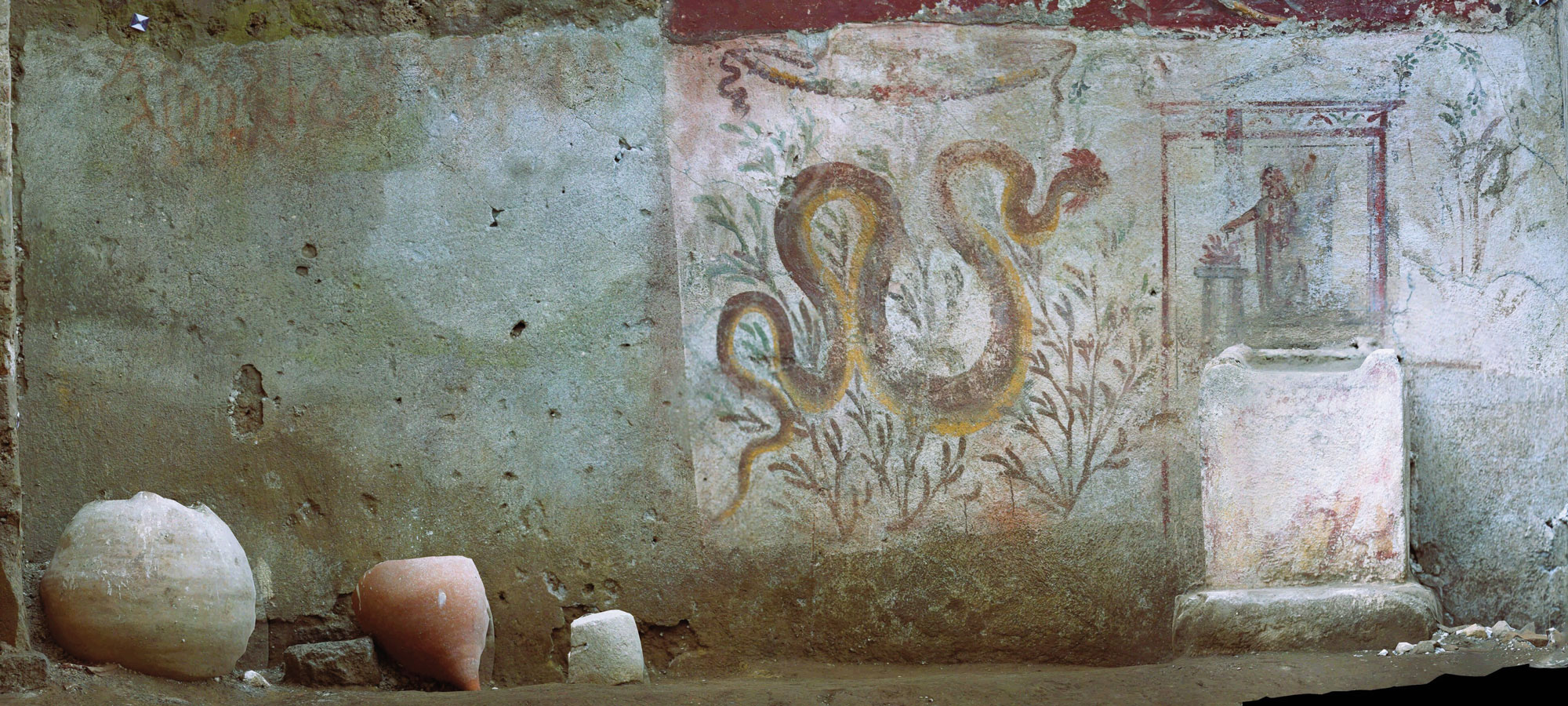
More Vesuvius Victims
More to Discover
Features November/December 2025
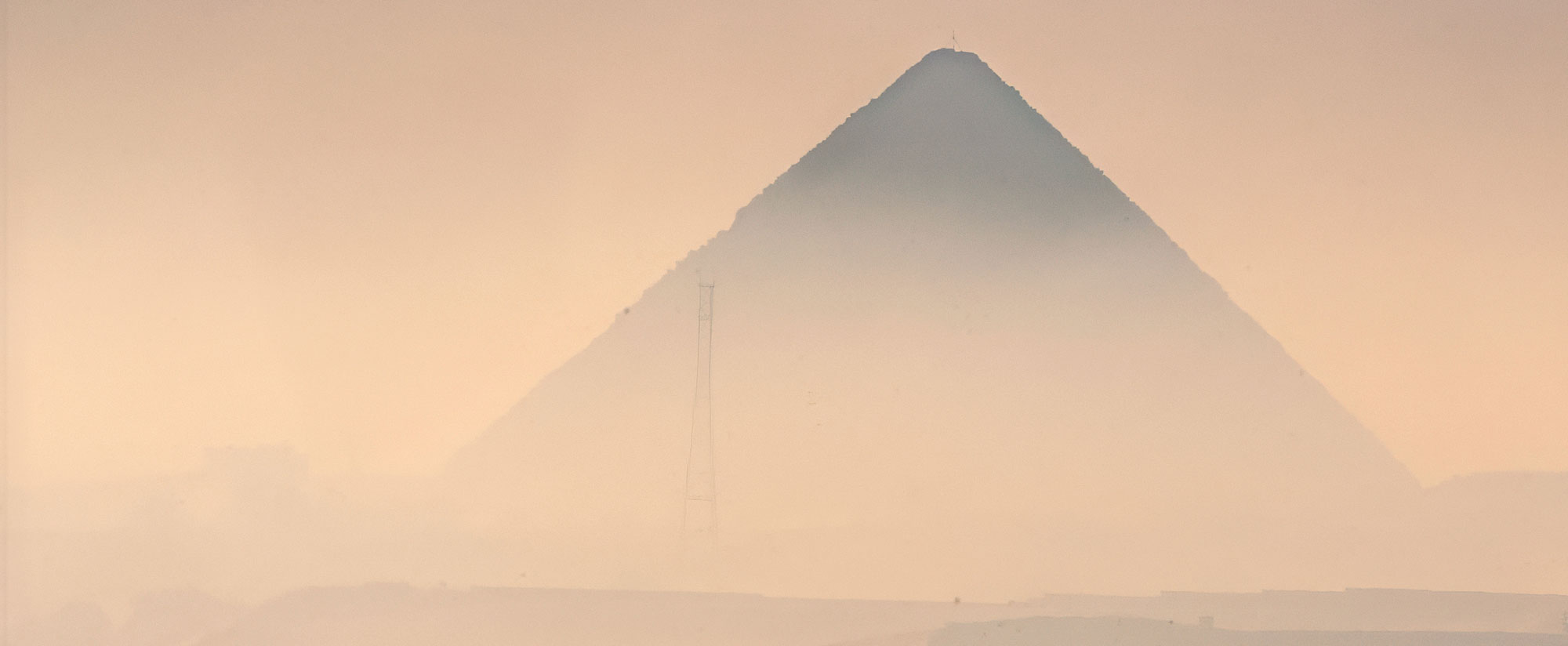
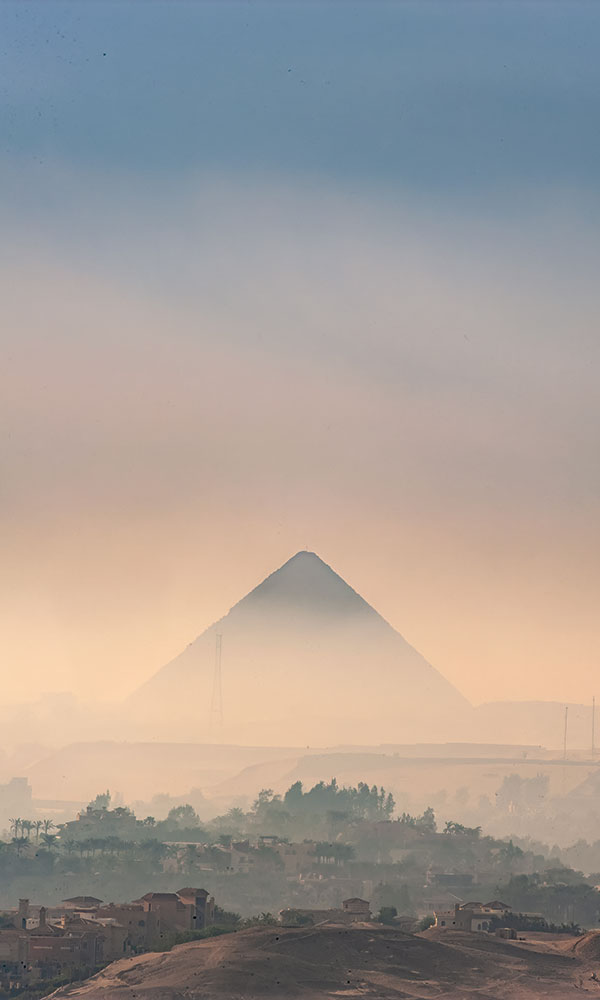
Secrets of the Seven Wonders
How archaeologists are rediscovering the ancient world's most marvelous monuments
-
Features November/December 2025
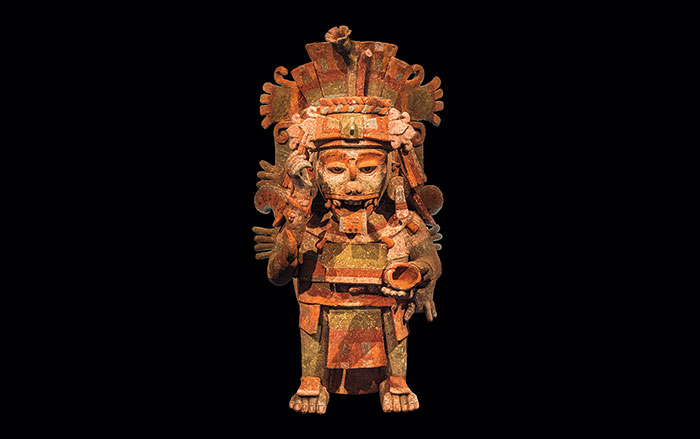
Acts of Faith
Evidence emerges of the day in 1562 when an infamous Spanish cleric tried to destroy Maya religion
 Adriana Rosas/Alamy
 -
Features November/December 2025
Temples to Tradition
A looted cache of bronzes compels archaeologists to explore Celtic sanctuaries across Burgundy
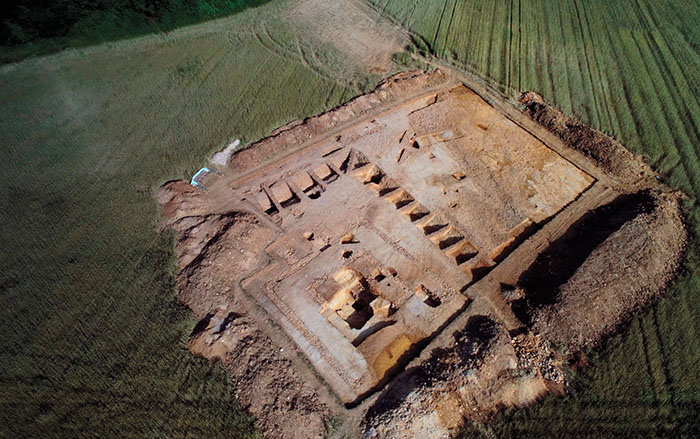 M. Thivet, MSHE
 -
Features November/December 2025
Oasis Makers of Arabia
Researchers are just beginning to understand how people thrived in the desert of Oman some 5,000 years ago
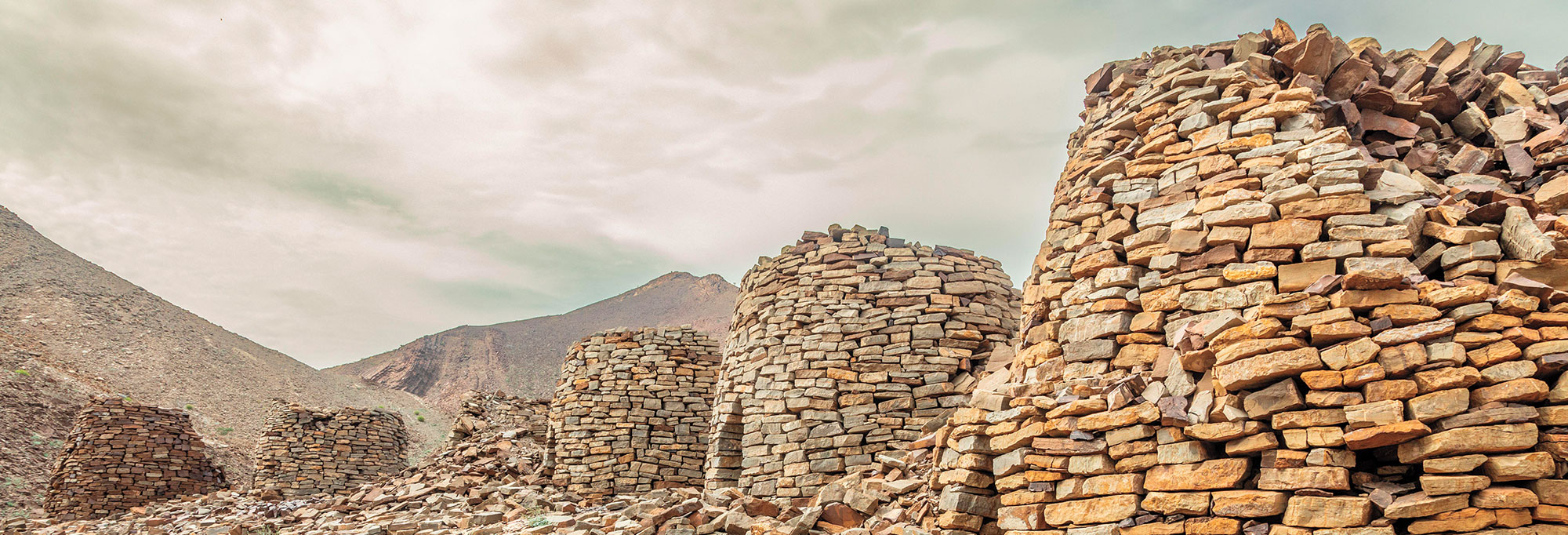 Vadim Nefedov/Alamy
 -
Features November/December 2025
Searching for Venezuela’s Undiscovered Artists
Inspired by their otherworldly landscape, ancient people created a new rock art tradition
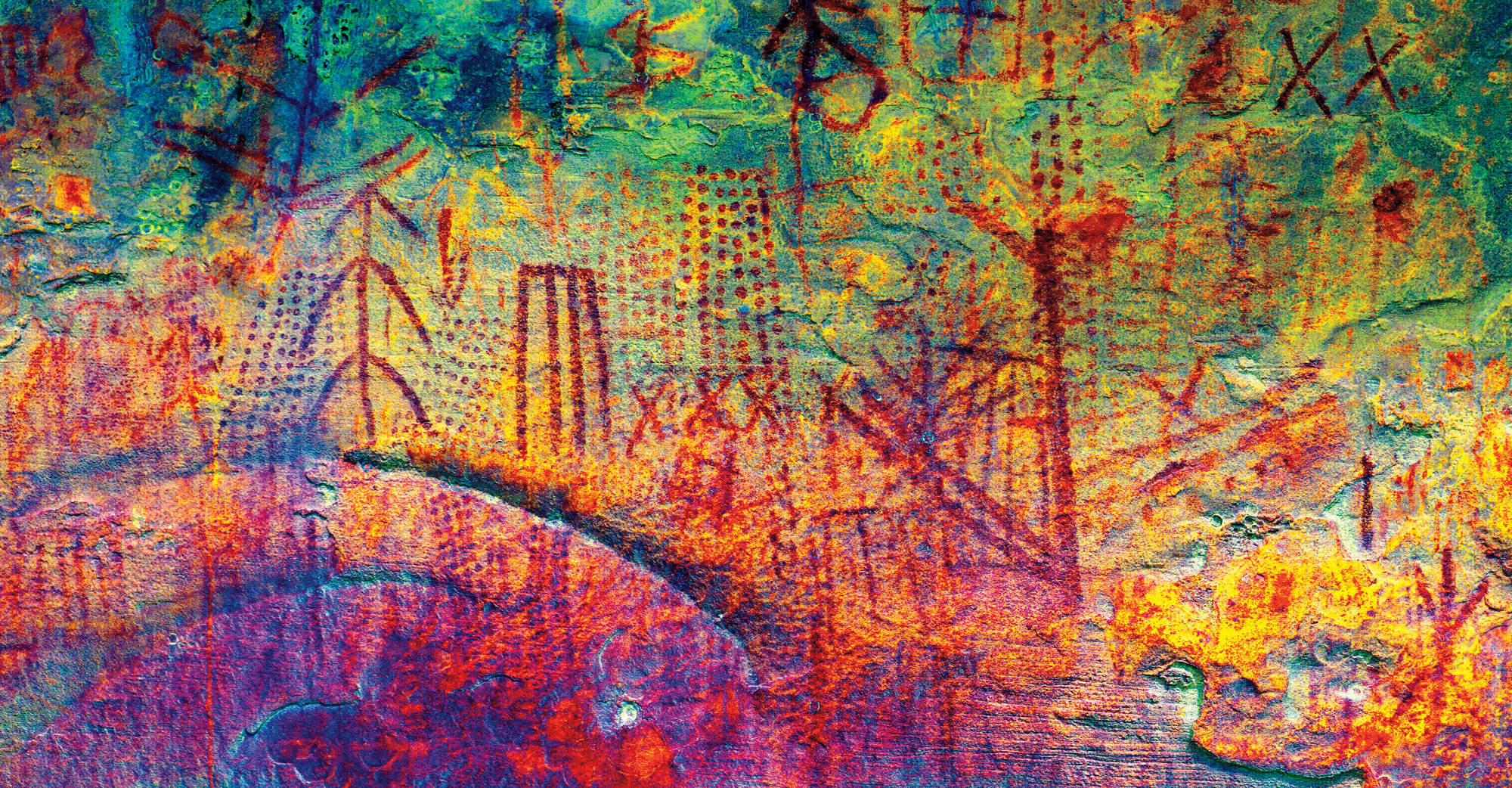 José Miguel Pérez-Gómez