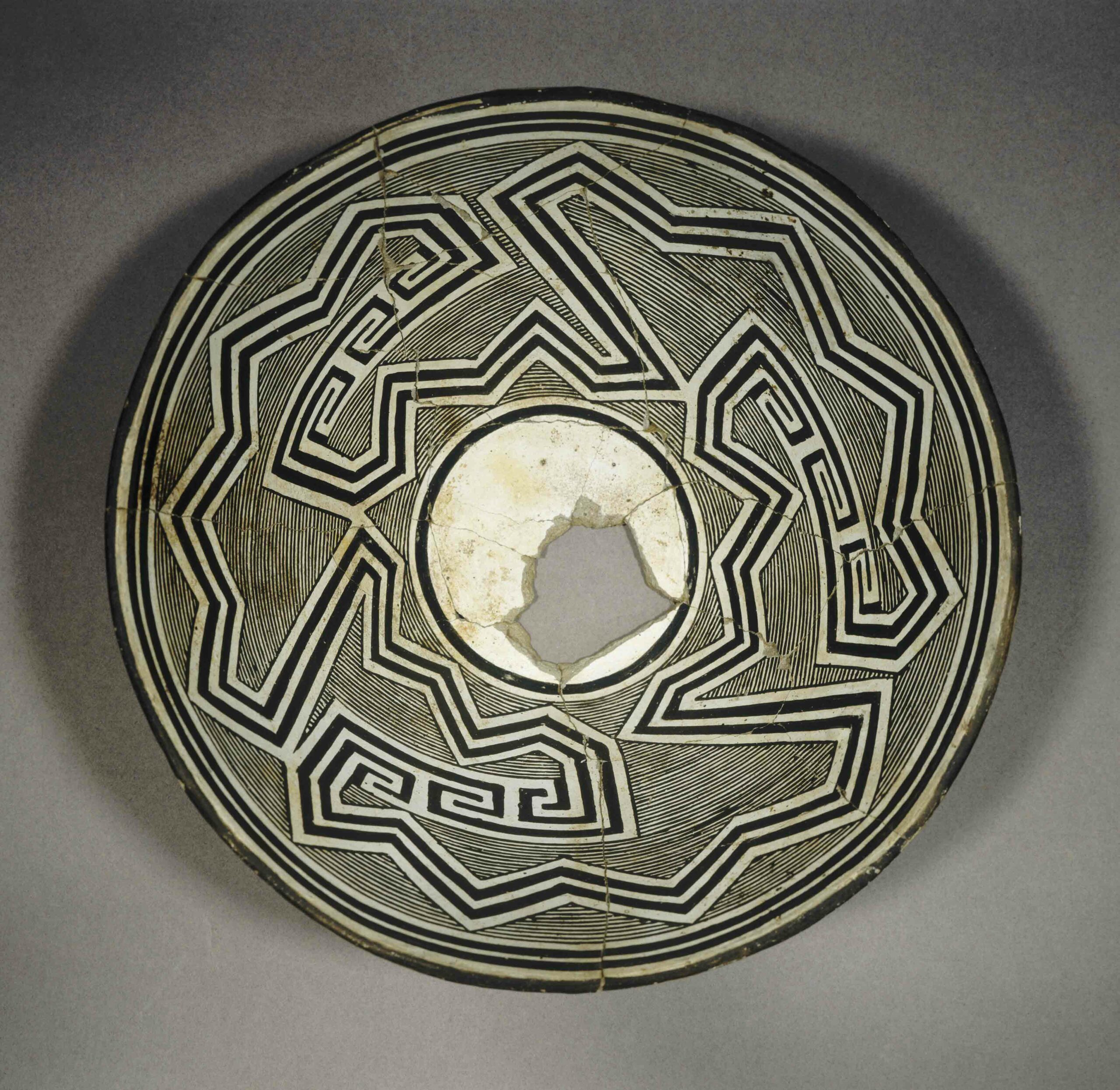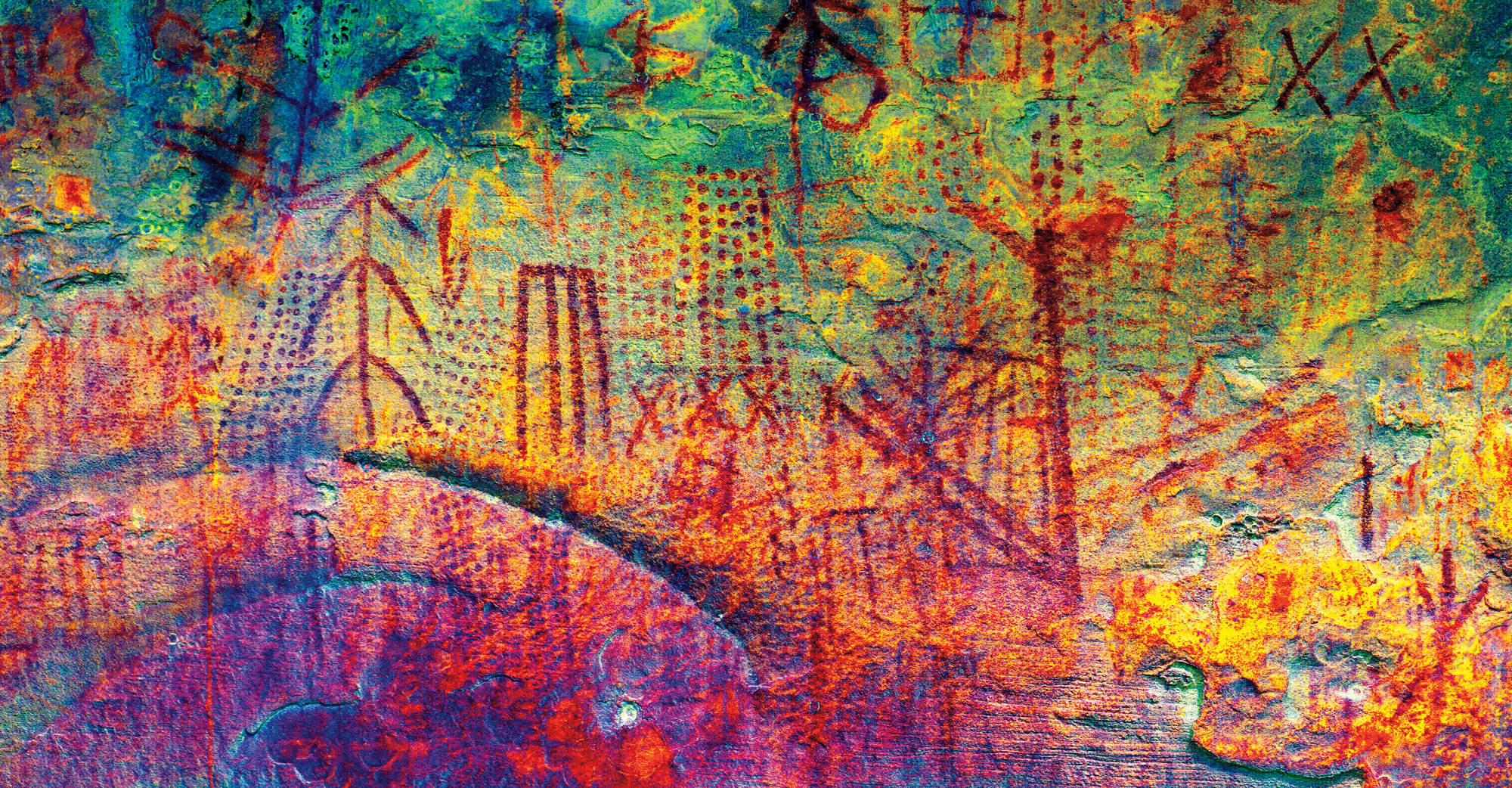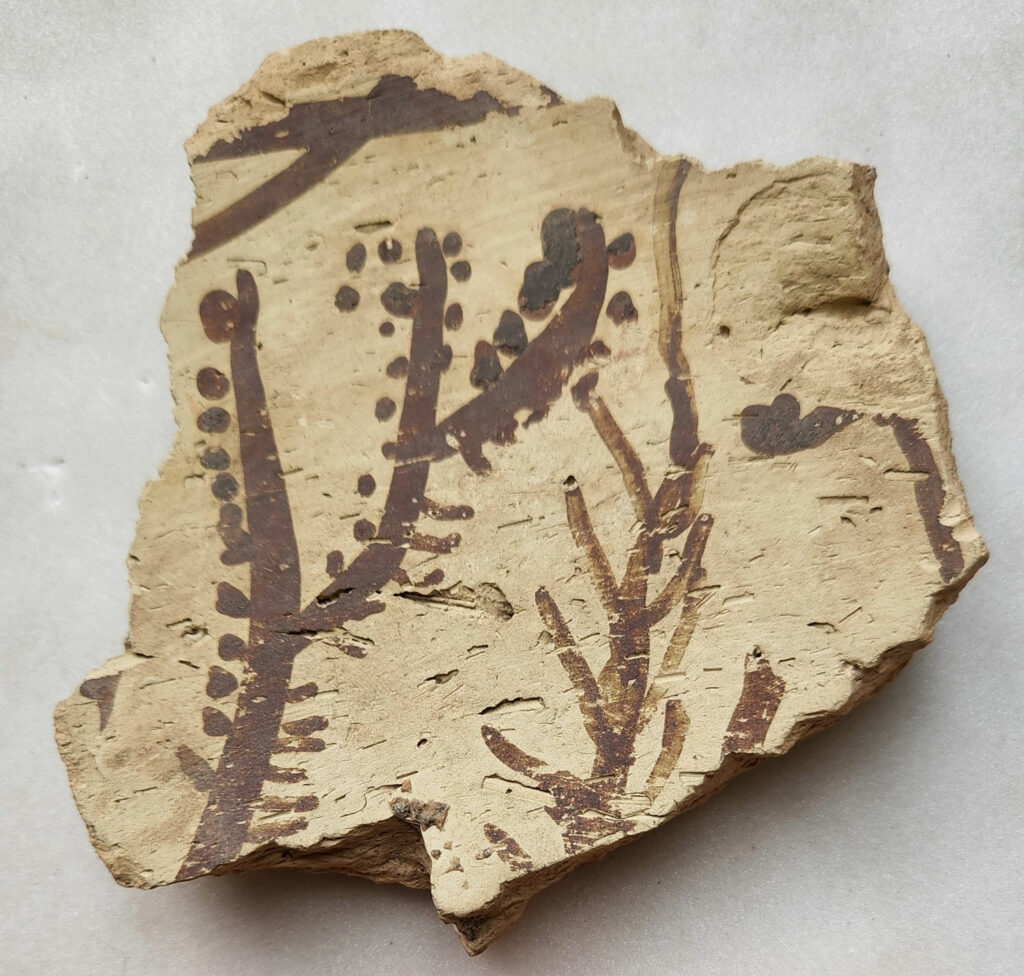
JERUSALEM, ISRAEL—According to a statement released by the Hebrew University of Jerusalem, Yosef Garfinkel and Sarah Krulwich analyzed vegetal motifs on pottery made by the Halafian culture of northern Mesopotamia more than 8,000 years ago. The pottery, recovered from 29 different Halafian sites, are painted with flowers, shrubs, branches, and trees. None of the images shows edible crops, perhaps indicating that the images were used for aesthetic purposes. Some of the images were naturalistic, while others were more abstract, reflecting a growing awareness of symmetry, the researchers claimed. Garfinkel and Krulwich also noticed that many of the bowls in the study feature flowers with petal counts following a geometric progression, some 1,000 years before mathematical texts are known to have been written. “These patterns show that mathematical thinking began long before writing,” Krulwich said. “People visualized divisions, sequences, and balance through their art,” she concluded. Read the original scholarly article about this research in the Journal of World Prehistory. To read about a fragment of a 1,300-year-old multiplication table identified through infrared scanning, go to "Around the World: Japan."