

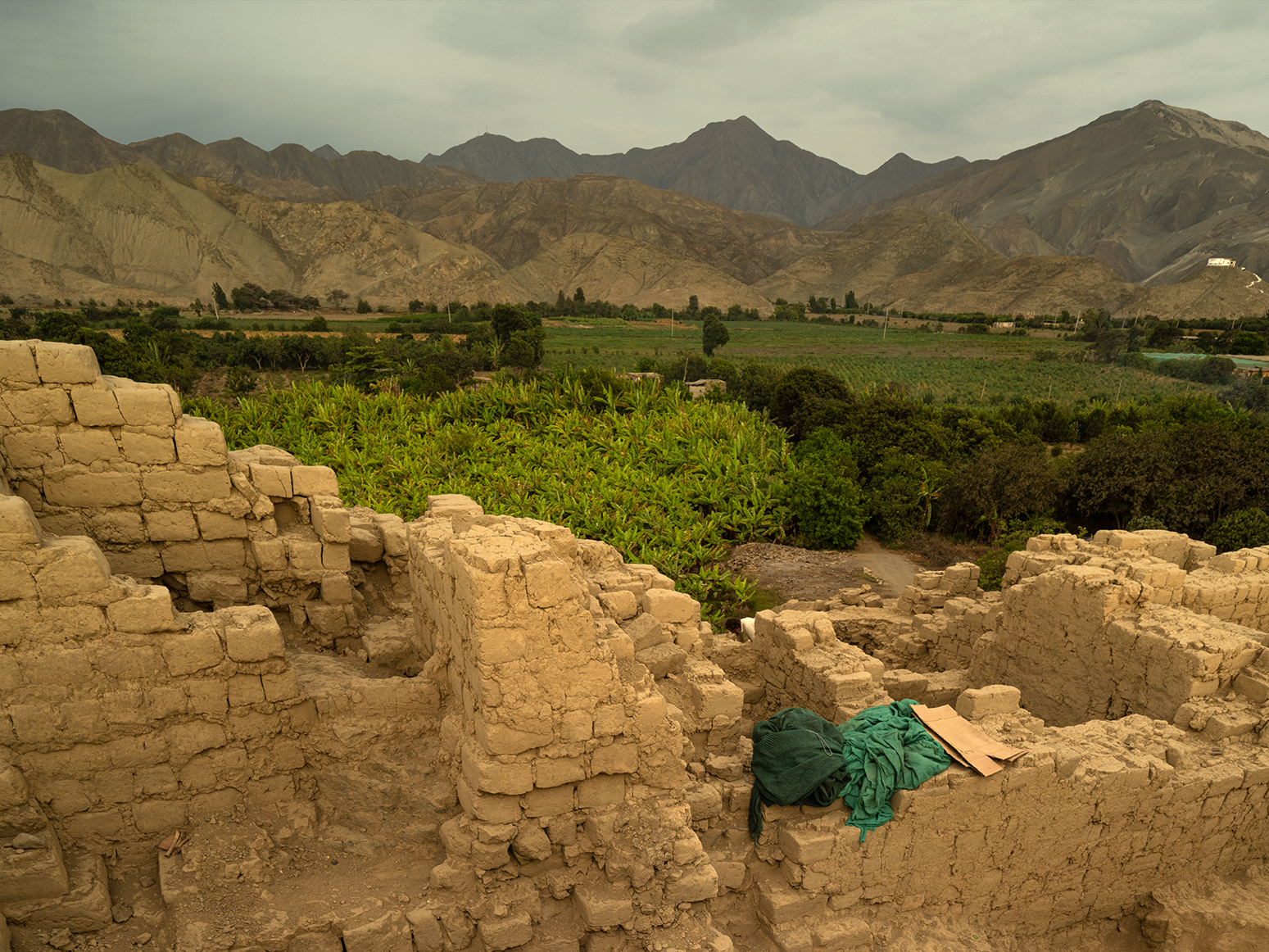
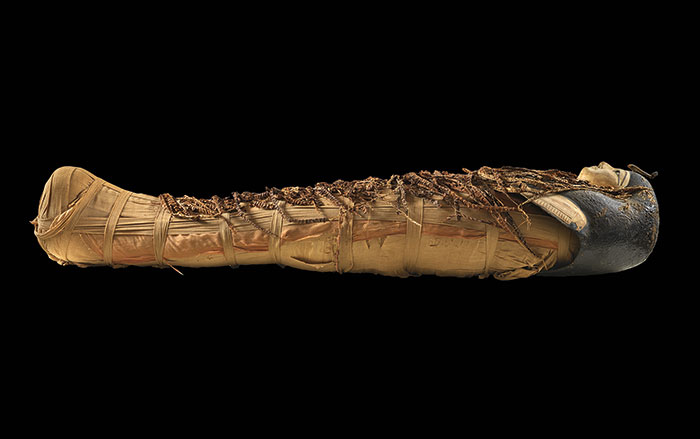
ARICA, CHILE—Bernardo Arriaza of the University of Tarapacá thinks that the Chinchorro people may have developed the practice of artificial mummification as a response to grief brought about by high infant mortality rates, according to a Phys.org report. The Chinchorro lived along the coast of Chile’s Atacama Desert and mummified their dead between 7000 and 3500 B.C. The earliest mummified individuals, many of whom were children, have been found in the Camarones Valley, where there were toxic levels of arsenic. Consuming water poisoned with arsenic would have caused frequent miscarriages and high infant mortality, Arriaza explained. To mummify remains, the Chinchorro first extracted the internal organs of the deceased and sometimes defleshed the body. Cavities were filled with fibers, clay, and soil, and the body was then reassembled with sticks. Then, bodies were covered in pastes made from black manganese, which may have also caused serious health problems. Red ocher was used in later periods as the practice spread, perhaps in recognition of these problems. “It has been a slow process of sorting through my thoughts to explain the Chinchorro’s early, complex, and creative treatment of the dead—children in particular,” Arriaza said. “The transformed body became a canvas for expressing emotion, and a place where these ancient people may have found emotional healing and comfort,” he suggested. Read the original scholarly article about this research in Cambridge Archaeological Journal. For more, go to "The Desert and the Dead."
Why Did Chile's Chinchorro People Begin Making Mummies?
News January 5, 2026
Recommended Articles
Top 10 Discoveries of 2025 January/February 2026
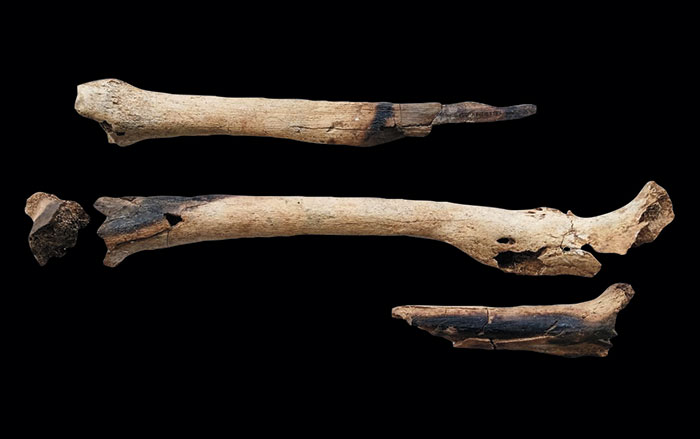
Oldest Mummified People
Southern China and Southeast Asia
Digs & Discoveries May/June 2024
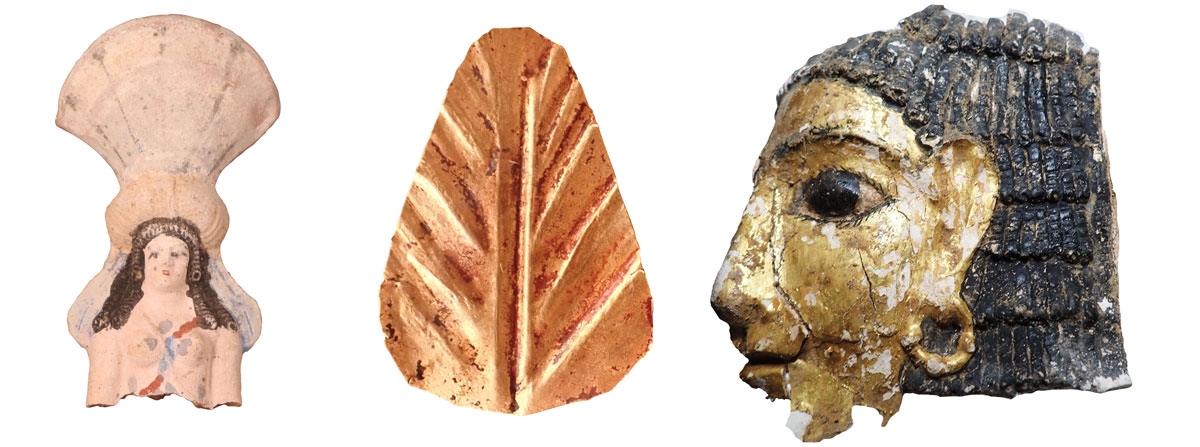
Speaking in Golden Tongues
More to Discover
Features January/February 2026
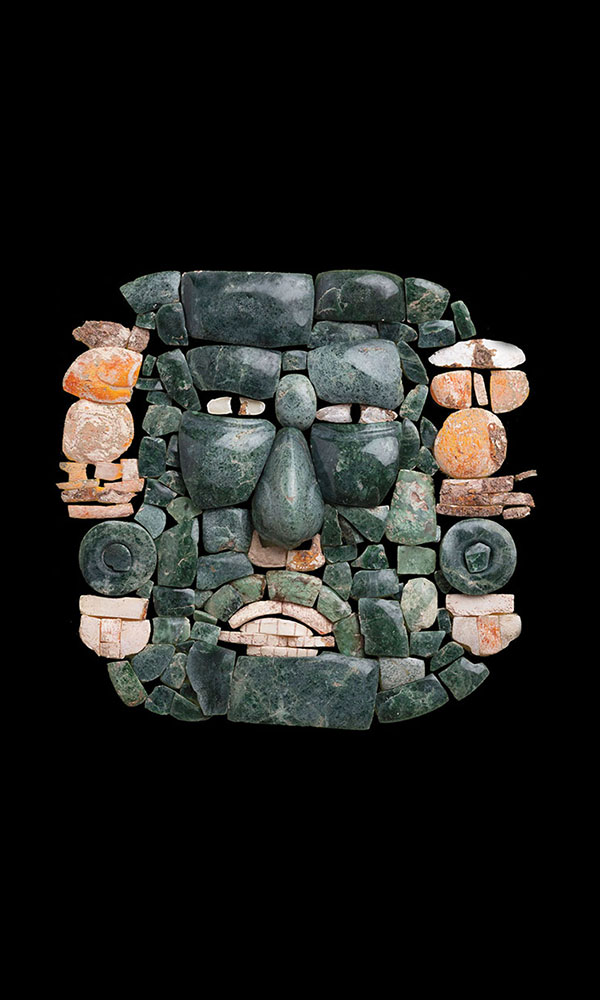
Top 10 Discoveries of 2025
ARCHAEOLOGY magazine’s editors reveal the year’s most exciting finds

-
Features January/February 2026
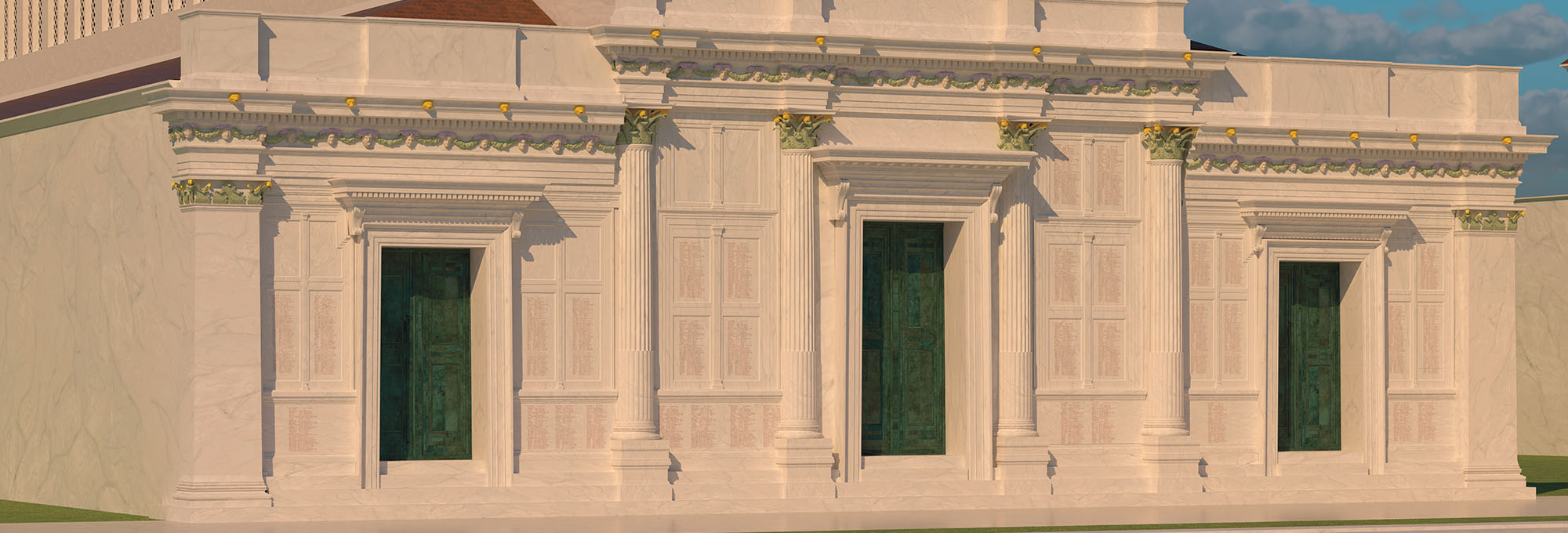
The Cost of Doing Business
Piecing together the Roman empire’s longest known inscription—a peculiarly precise inventory of prices
 Ece Savaş and Philip Stinson
 -
Features January/February 2026
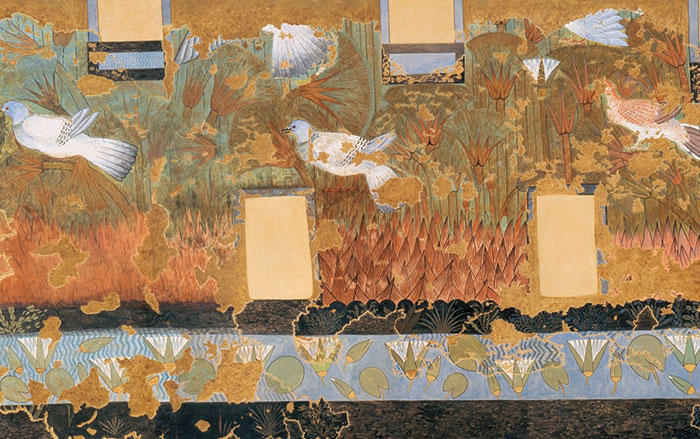
The Birds of Amarna
An Egyptian princess seeks sanctuary in her private palace
 The Metropolitan Museum of Art, New York/ Rogers Fund, 1930
 -
Features January/February 2026
Taking the Measure of Mesoamerica
Archaeologists decode the sacred mathematics embedded in an ancient city’s architecture
 Courtesy Claudia I. Alvarado-León
 -
Features January/February 2026
Stone Gods and Monsters
3,000 years ago, an intoxicating new religion beckoned pilgrims to temples high in the Andes
 Courtesy John Rick