

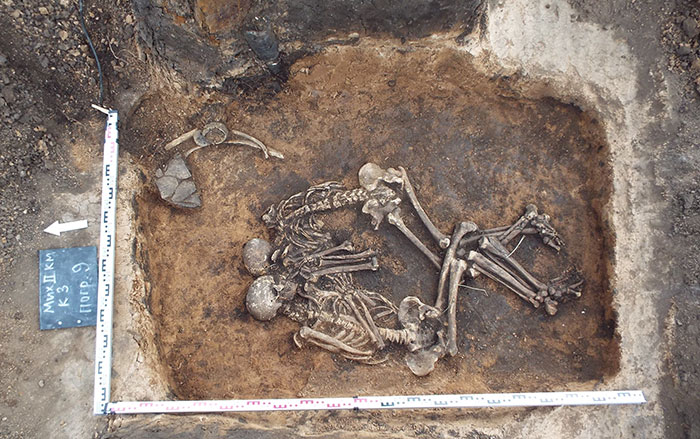
FAYETTEVILLE, ARKANSAS—According to a statement released by the University of Arkansas, an international team of researchers has identified a possible Bronze Age host of the plague bacterium, Yersinia pestis. Beginning about 5,000 years ago, the plague infected people in Eurasia for a period of about 2,000 years, but it was not clear to scientists how the disease spread. DNA from Y. pestis has now been identified in the remains of 4,000-year-old domesticated sheep from the site of Arkaim, a fortified settlement in the Southern Ural Mountains belonging to the Sintashta culture, which is known for herding, horse riding, and bronze weaponry. “Our plague sheep gave us a breakthrough,” said team member Taylor Hermes of the University of Arkansas. “We now see [the transmission of the plague bacterium] as a dynamic between people, livestock, and some still unidentified ‘natural reservoir’ for it, which could be rodents on the grasslands of the Eurasian steppe or migratory birds,” Hermes said. Next, Hermes and his colleagues will look for animals that may have served as this natural reservoir for the Y. pestis bacterium during the Bronze Age. Read the original scholarly article about this research in Cell. For more, go to "Bronze Age Plague," one of ARCHAEOLOGY's Top 10 Discoveries of 2018.
Scientists Study Spread of Bronze Age Plague
News January 7, 2026
Recommended Articles
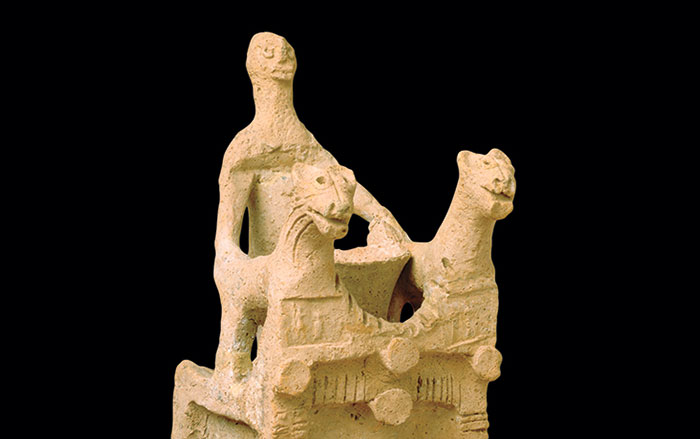
Artifacts January/February 2026
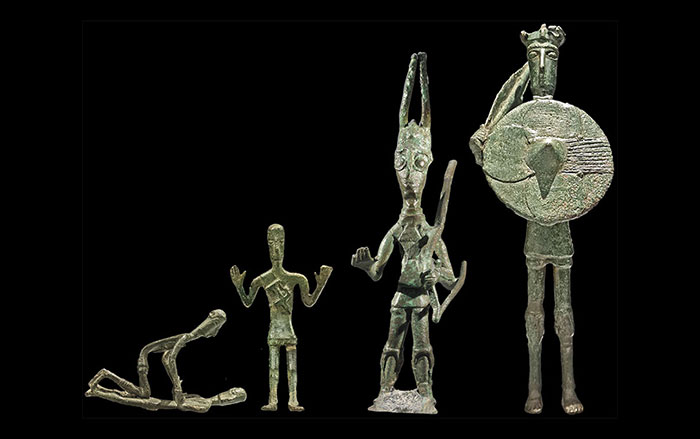
Sardinian Bronze Figurines
More to Discover
Features January/February 2026
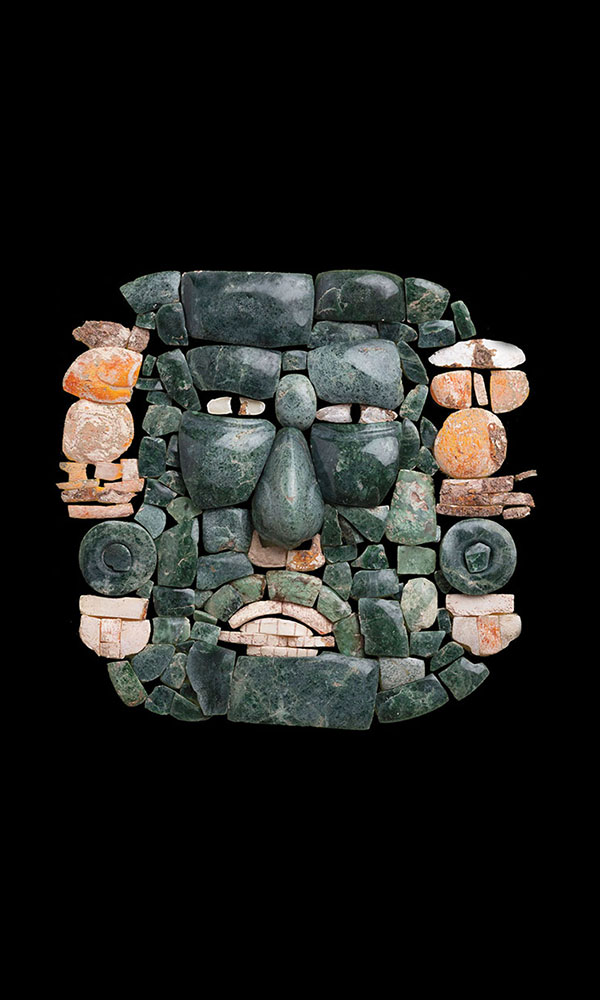
Top 10 Discoveries of 2025
ARCHAEOLOGY magazine’s editors reveal the year’s most exciting finds

-
Features January/February 2026
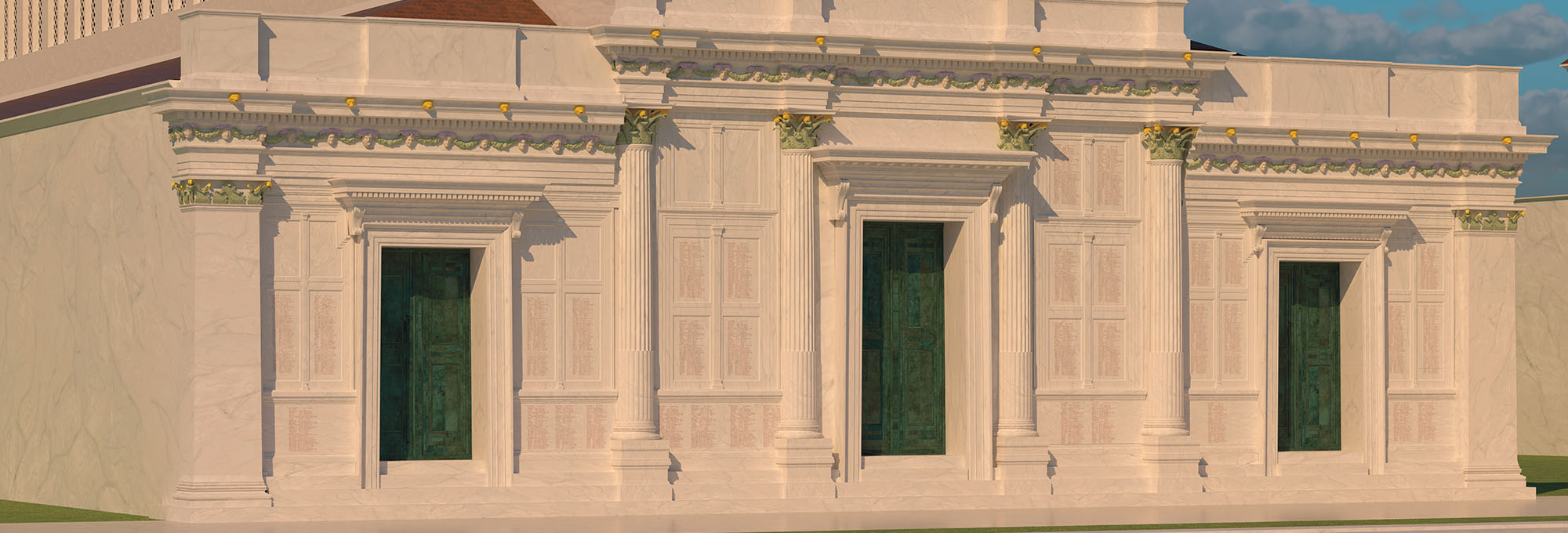
The Cost of Doing Business
Piecing together the Roman empire’s longest known inscription—a peculiarly precise inventory of prices
 Ece Savaş and Philip Stinson
 -
Features January/February 2026
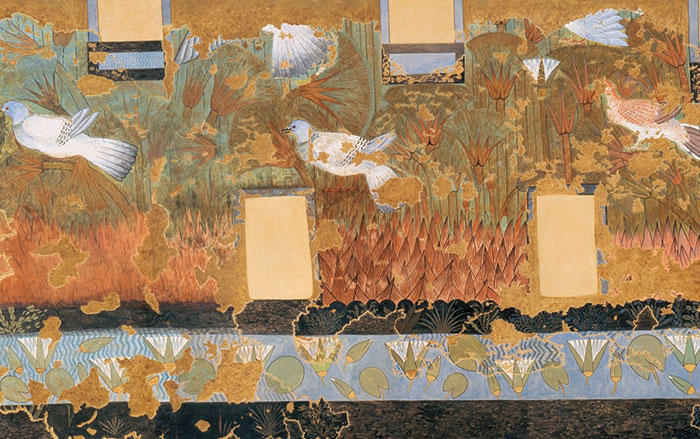
The Birds of Amarna
An Egyptian princess seeks sanctuary in her private palace
 The Metropolitan Museum of Art, New York/ Rogers Fund, 1930
 -
Features January/February 2026
Taking the Measure of Mesoamerica
Archaeologists decode the sacred mathematics embedded in an ancient city’s architecture
 Courtesy Claudia I. Alvarado-León
 -
Features January/February 2026
Stone Gods and Monsters
3,000 years ago, an intoxicating new religion beckoned pilgrims to temples high in the Andes
 Courtesy John Rick