

AKASZTÓ, HUNGARY—According to a Live Science report, the 1,100-year-old graves of three warriors have been excavated in southern Hungary by a team led by Wihelm Gábor of the Katona József Museum. A total of 81 coins were recovered from the three burials. Most of these coins were minted in northern Italy during the reign of Berengar, between A.D. 888 and 924. Gábor and his colleagues suggest that the three warriors may have participated in military campaigns in northern Italy and carried the coins home. The first man was 17 or 18 years old when he died. He was buried wearing a belt decorated with gilded silver, a leather pouch decorated with silver plate, a gold ring with blue glass stones, and silver jewelry on his legs. Small gold plates found in his grave may have once adorned his clothing or his shroud. Pieces of horse harness decorated with gilded silver were also recovered from this grave. The second grave contained the remains of a boy who died at the age of 15 or 16. He was buried with a bow decorated with antler plates and a quiver holding seven arrows. The third grave belonged to a man who died between the ages of 30 and 35, and was buried with a saber, archery equipment, a horse harness, a silver bracelet, and a belt decorated with coins. DNA analysis of the remains indicates that the oldest of the three was the father or brother or the youngest. All three men were found to be related, however. To read about recent advancements in ancient genetic research, go to "Ancient DNA Revolution."
Medieval Graves of Three Elite Warriors Excavated in Hungary
News January 8, 2026
Recommended Articles
Digs & Discoveries March/April 2026
Viking Mollusk Mask
Digs & Discoveries September/October 2025
Good Night, Sweet Prince
Features September/October 2025
How to Build a Medieval Castle
Why are archaeologists constructing a thirteenth-century fortress in the forests of France?
Features January/February 2025
Medieval England’s Coveted Cargo
Archaeologists dive on a ship laden with marble bound for the kingdom’s grandest cathedrals
More to Discover
Features January/February 2026
Top 10 Discoveries of 2025
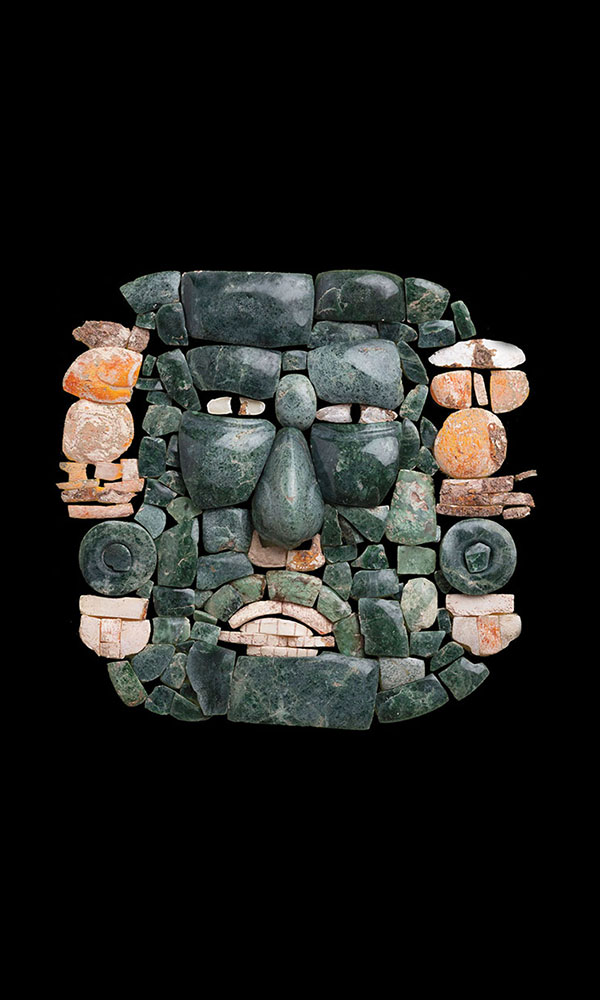
ARCHAEOLOGY magazine’s editors reveal the year’s most exciting finds

-
Features January/February 2026
The Cost of Doing Business
Piecing together the Roman empire’s longest known inscription—a peculiarly precise inventory of prices
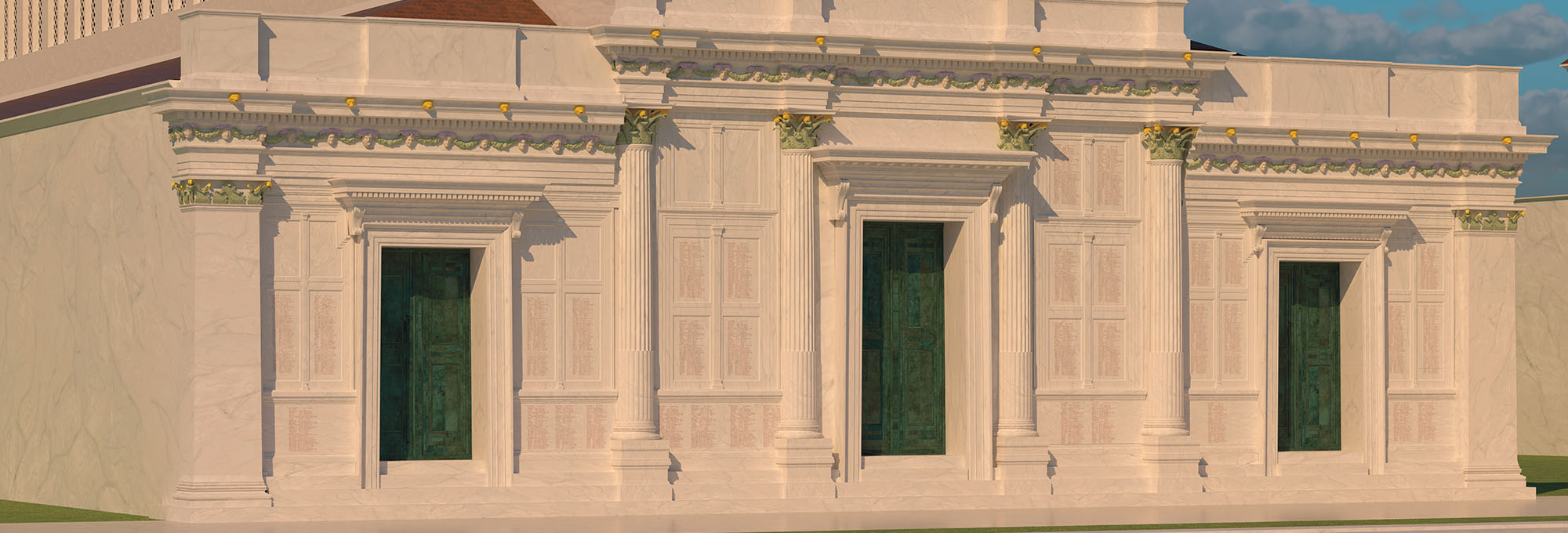 Ece Savaş and Philip Stinson
 -
Features January/February 2026
The Birds of Amarna
An Egyptian princess seeks sanctuary in her private palace
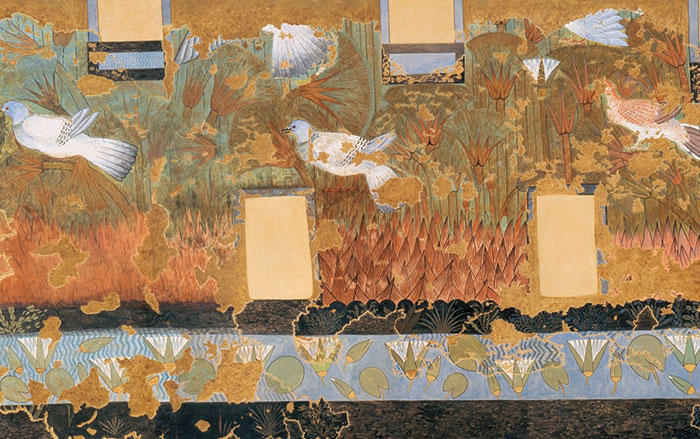 The Metropolitan Museum of Art, New York/ Rogers Fund, 1930
 -
Features January/February 2026
Taking the Measure of Mesoamerica
Archaeologists decode the sacred mathematics embedded in an ancient city’s architecture
 Courtesy Claudia I. Alvarado-León
 -
Features January/February 2026
Stone Gods and Monsters
3,000 years ago, an intoxicating new religion beckoned pilgrims to temples high in the Andes
 Courtesy John Rick