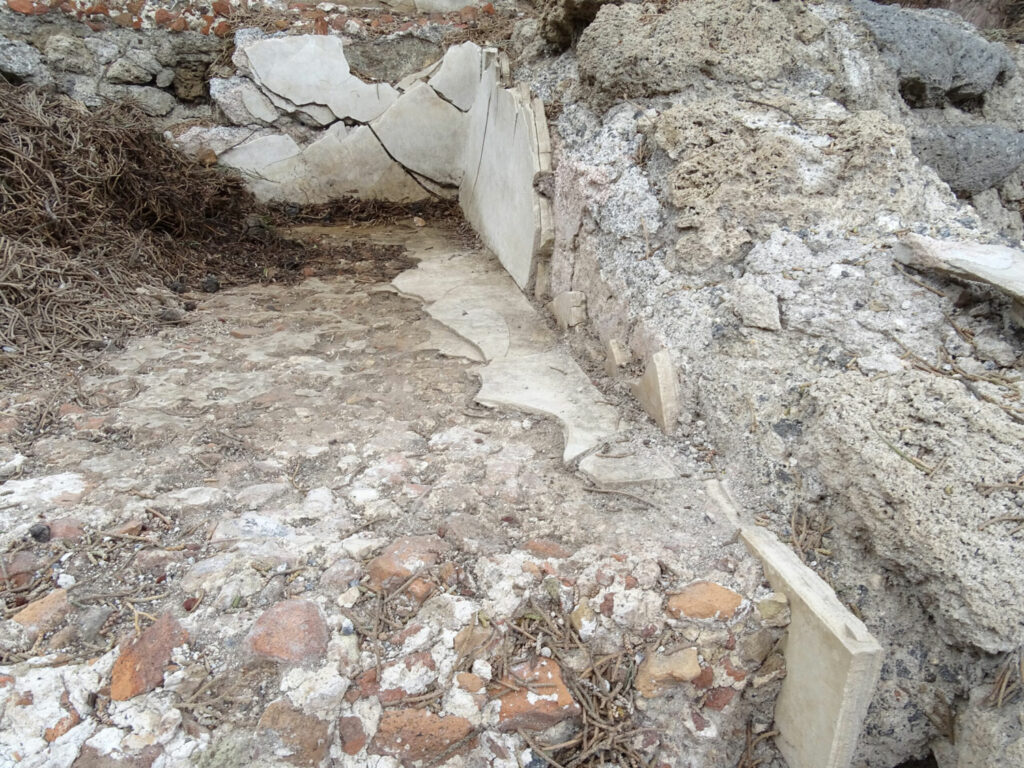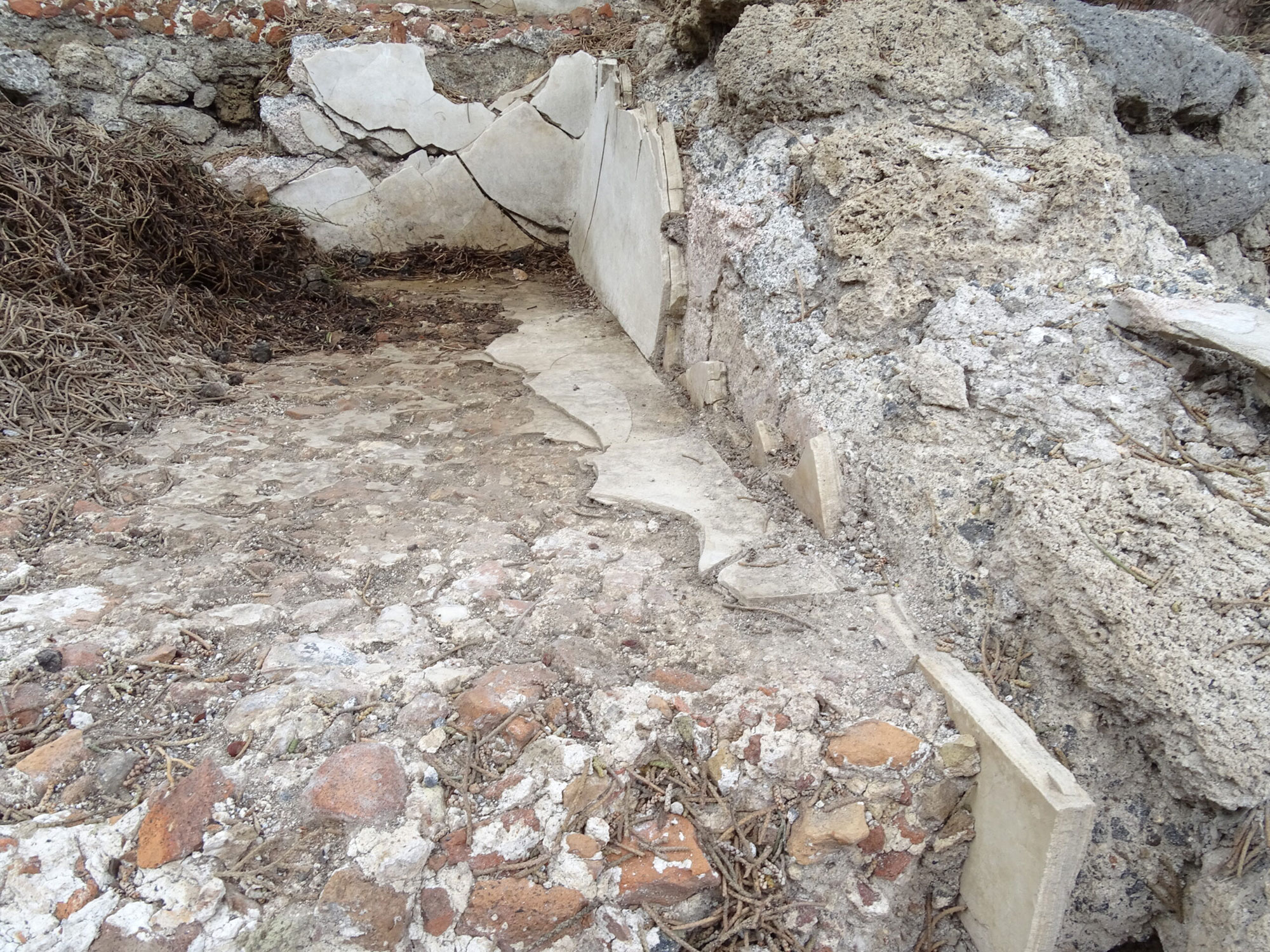
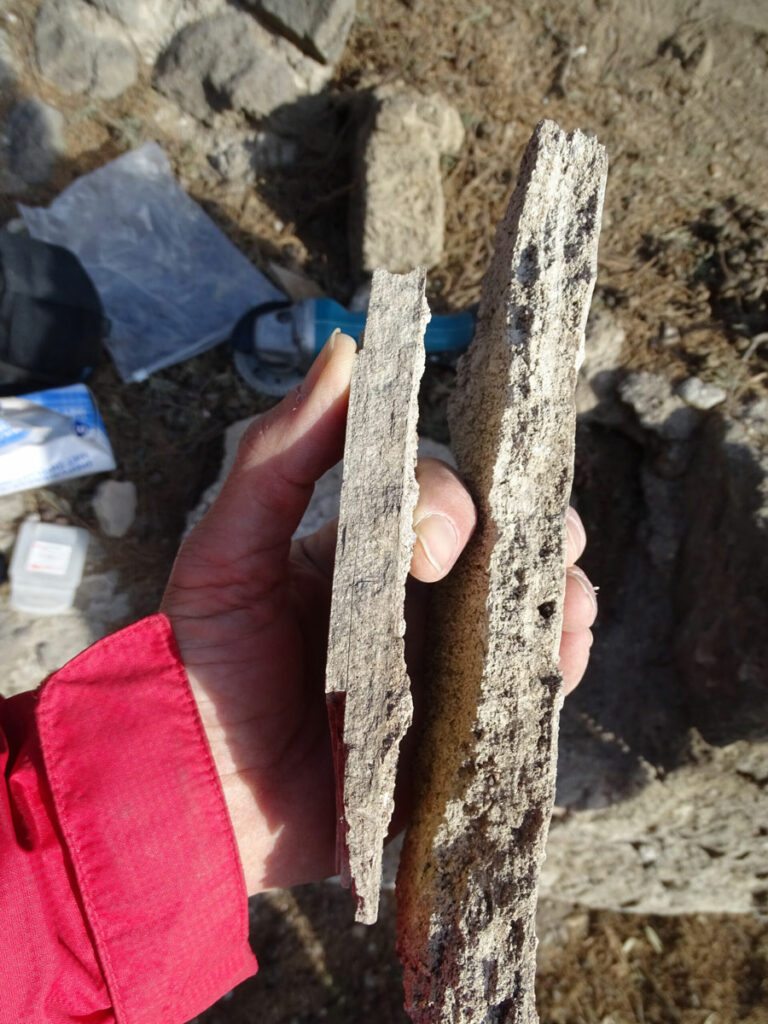
MAINZ, GERMANY—According to a statement released by Johannes Gutenberg University, a study of carbonate deposits in the water system at Pompeii offers clues to water quality and bathing habits. Gül Sürmelihindi and Cees Passchier of Johannes Gutenberg University analyzed the levels of isotopes of several elements in the carbonate deposits in the city’s aqueduct, water towers, well shafts, and pools in the public baths. “We found completely different patterns of stable isotopes and trace elements in the carbonates from the aqueduct and in those from the wells,” Sürmelihindi said. The researchers used this information to trace the origins of the various water sources. “In the so-called Republican Baths—the oldest public bathing facilities in the city, dating back to pre-Roman times around 130 B.C.—we were able to prove through isotope analysis that the bath water was provided from wells, and not renewed regularly,” Sürmelihindi said. The water was probably changed once a day with a water-lifting machine powered by the labor of enslaved people. Lead, zinc, and copper in the bathhouse samples also indicate that there were heavy metals in the bath water. When the bathhouse was renovated, and the boilers and water pipes were replaced, the levels of heavy metals in the water increased. But the amount of stable oxygen isotopes in the samples also increased, indicating that the water in the baths was warmer after the renovation. Cyclical patterns in the levels of carbon isotopes in the bathhouse samples could reflect fluctuating levels of volcanic carbon dioxide in the groundwater in the years before the eruption of Mount Vesuvius in A.D. 79, the researchers concluded. For more on the ancient city's baths, go to "Digging Deeper into Pompeii's Past: Water and Bathing."