

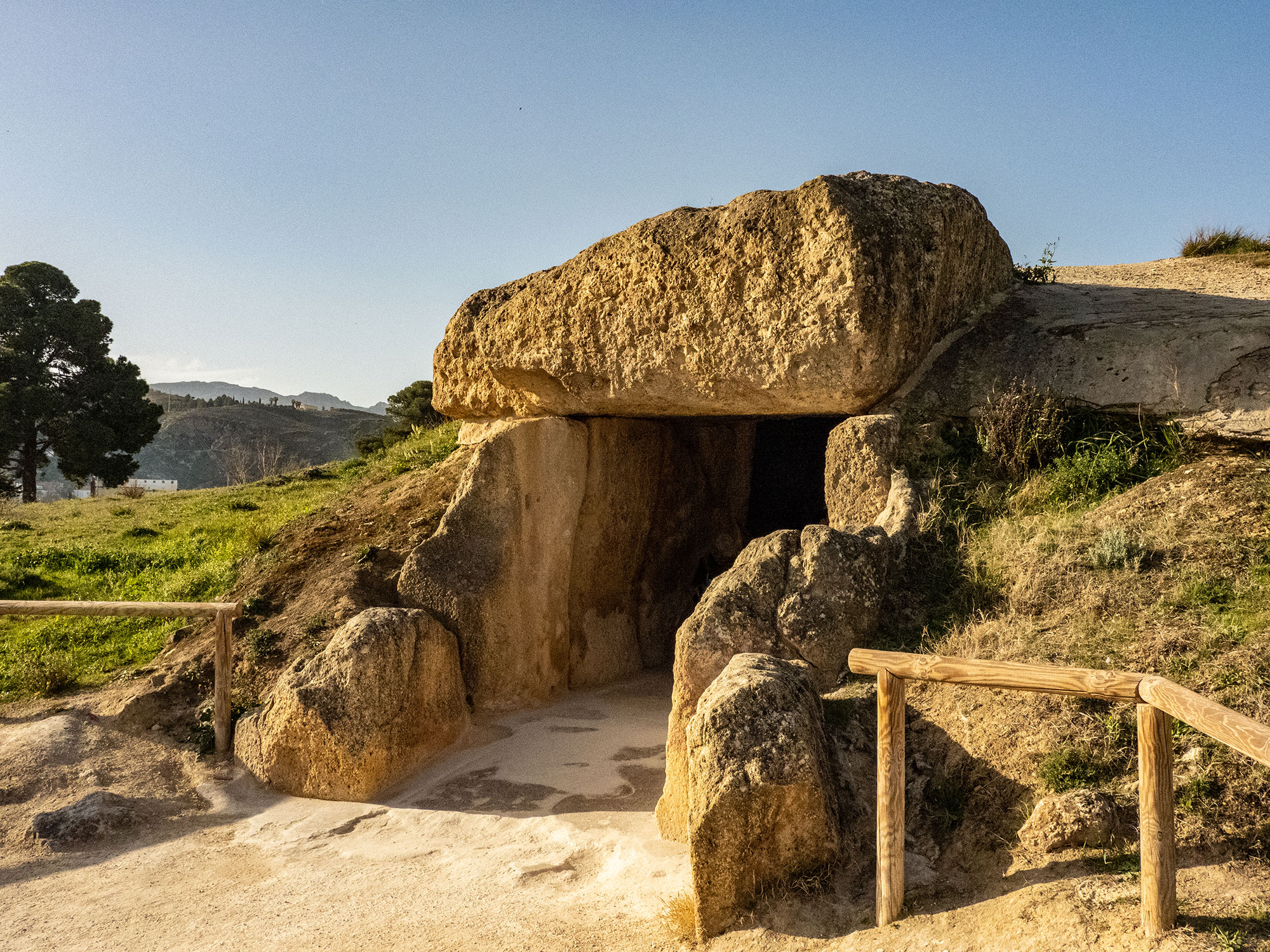
ANTEQUERA, SPAIN—According to a Phys.org report, Marina Silva of the University of Huddersfield and her colleagues examined two medieval burials in the Menga dolmen, a 5,000-year-old monument in southern Spain. The structure, which features a long chamber and an access corridor covered with an earthen mound, was used as a burial site during the Neolithic period. Pottery and human remains found at the site indicate that burials at the Menga dolmen continued periodically, however. Silva and her colleagues studied two separate burials, one dated to the eighth century and the other dated to the eleventh century A.D. At this time, this area of southern Iberia was under Islamic rule, but Christian, Jewish, and perhaps pagan communities lived in the region. Using DNA analysis, the researchers were only able to recover data from one of the individuals, who was found to have a mix of European, North African, and Levantine ancestry. Yet both sets of remains were found to have been positioned in the graves in a similar way, with heads lying on the right side, pointing to the southwest, in line with the dolmen's symmetry. And although the medieval burials may have been Islamic, the alignment of the dolmen differs from Islamic cemeteries in the region. “Whoever these two individuals were—and regardless of what faith they practiced—the fact that they were both given inhumations aligned with the axis of a megalithic monument, in a site of remarkable prominence in the landscape of Antequera, approximately two centuries apart, highlights the continuity of Menga as a symbolic location for over 5,000 years—and possibly even longer—well beyond the Neolithic period,” the researchers concluded. Read the original scholarly article about this research in the Journal of Archaeological Science: Reports. To read about dolmen burials near Granada, go to "Iberian Gender Imbalance."
Medieval Burials in Neolithic Dolmen Studied
News January 16, 2026
Recommended Articles
Digs & Discoveries November/December 2019
Worlds Apart
Digs & Discoveries March/April 2026
Viking Mollusk Mask
Digs & Discoveries September/October 2025
Good Night, Sweet Prince
Features September/October 2025
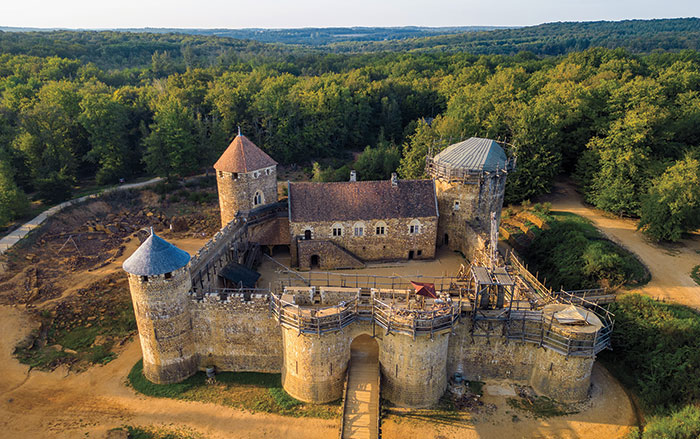
How to Build a Medieval Castle
Why are archaeologists constructing a thirteenth-century fortress in the forests of France?
More to Discover
Features January/February 2026
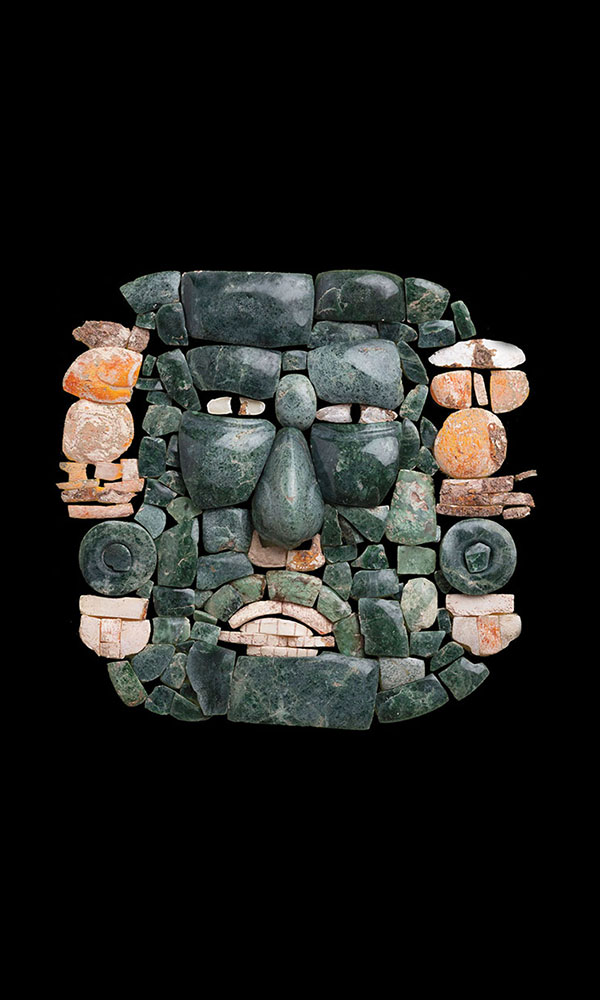
Top 10 Discoveries of 2025
ARCHAEOLOGY magazine’s editors reveal the year’s most exciting finds

-
Features January/February 2026
The Cost of Doing Business
Piecing together the Roman empire’s longest known inscription—a peculiarly precise inventory of prices
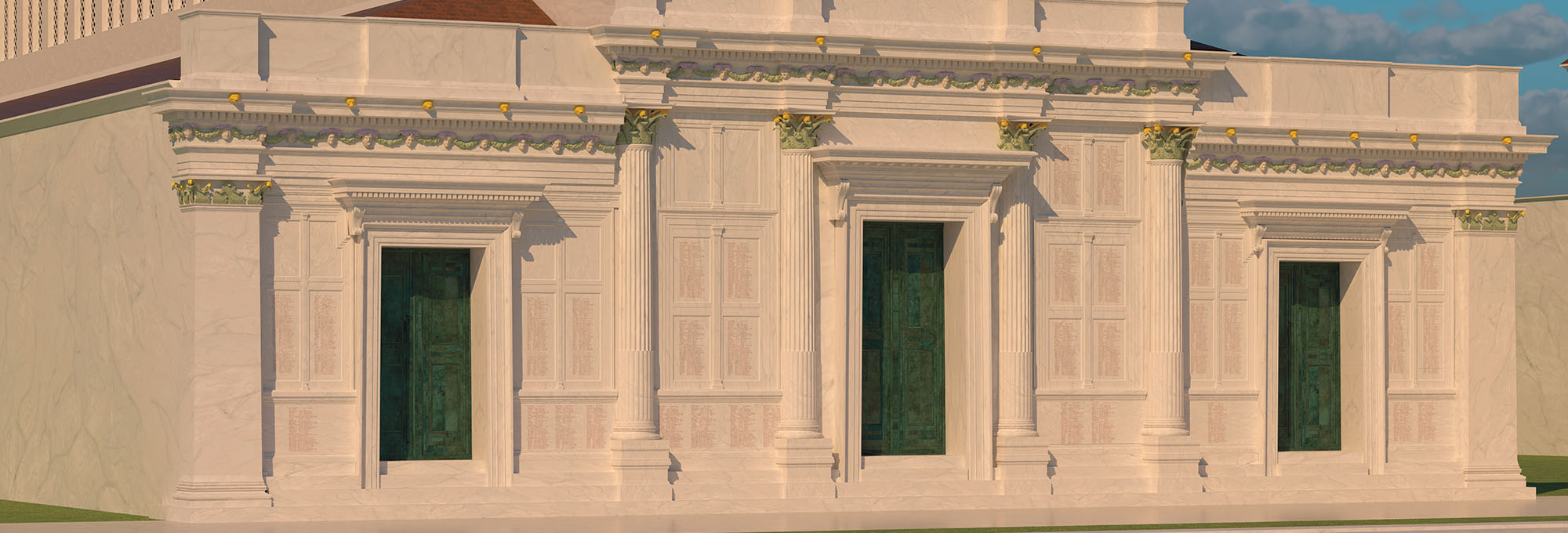 Ece Savaş and Philip Stinson
 -
Features January/February 2026
The Birds of Amarna
An Egyptian princess seeks sanctuary in her private palace
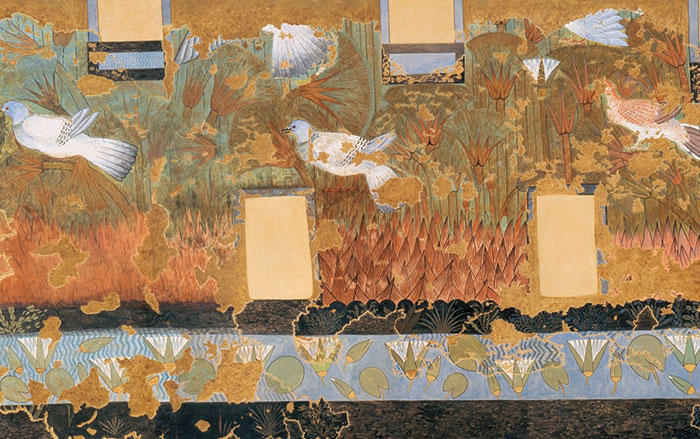 The Metropolitan Museum of Art, New York/ Rogers Fund, 1930
 -
Features January/February 2026
Taking the Measure of Mesoamerica
Archaeologists decode the sacred mathematics embedded in an ancient city’s architecture
 Courtesy Claudia I. Alvarado-León
 -
Features January/February 2026
Stone Gods and Monsters
3,000 years ago, an intoxicating new religion beckoned pilgrims to temples high in the Andes
 Courtesy John Rick