High-Tech Tools Reveal Inscriptions on Pompeii Wall

News January 21, 2026

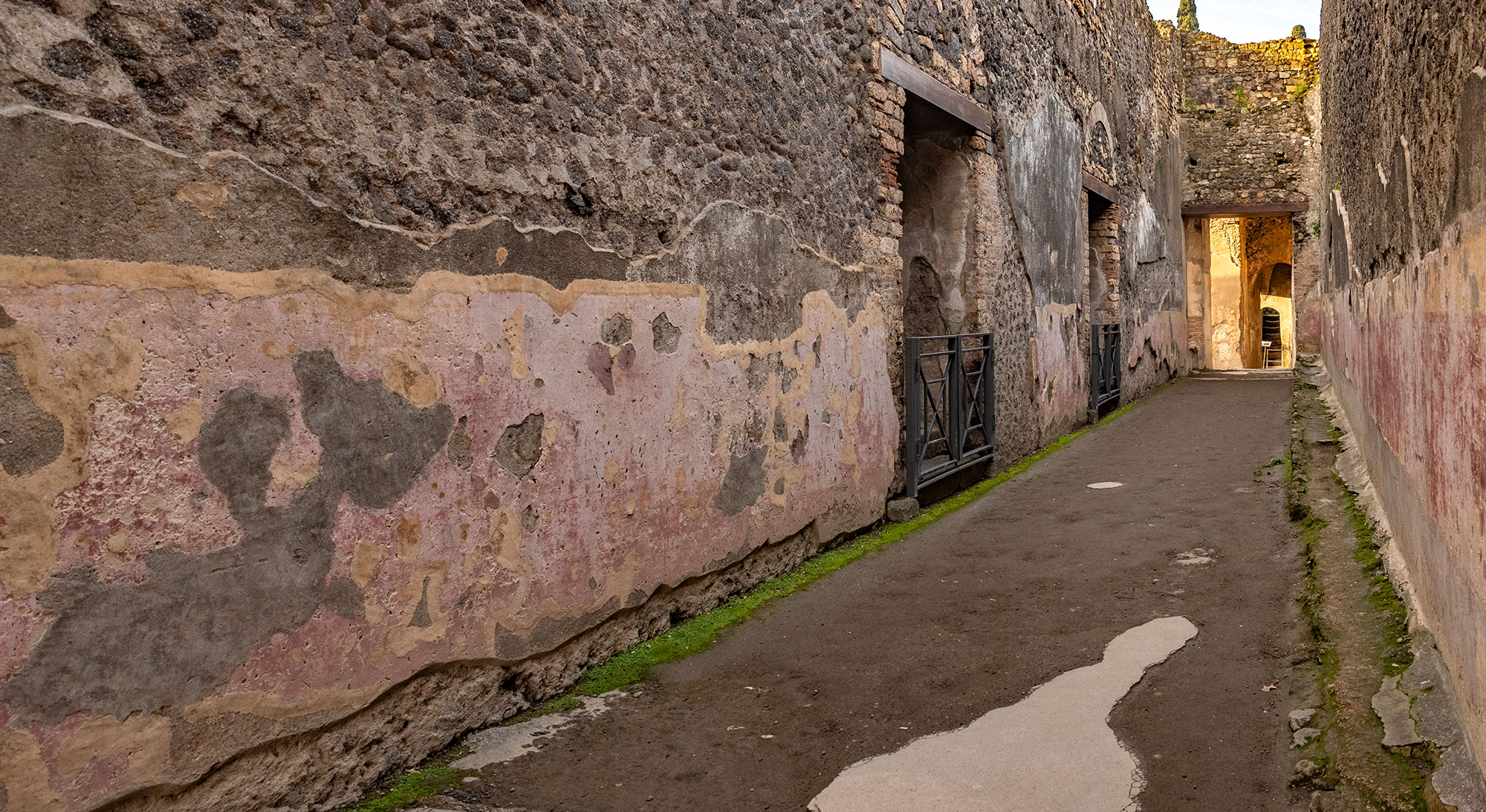
Graffiti on wall of theater corridor, Pompeii, Italy
Archaeological Park of Pompeii
SHARE:

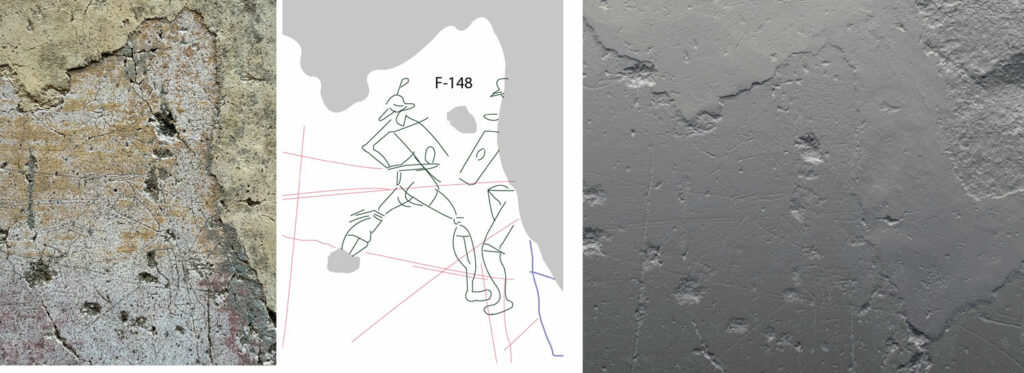
POMPEII, ITALY—Reuters reports that Louis Autin and Eloïse Letellier-Taillefer of Sorbonne University and Marie-Adeline Le Guennec of Quebec University examined the walls of a corridor connecting Pompeii’s theaters to the Via Stabiana with Reflectance Transformation Imaging (RTI). The multiple lighting angles of this computational photography method revealed scratches in the plaster that were invisible to the naked eye, and led to the identification of an additional 79 inscriptions in the plaster, which has been exposed to the elements since the corridor was excavated more than 230 years ago. The newly discovered inscriptions include confessions, insults, farewells, an image of two gladiators fighting, and a declaration of love. For more on graffiti in the ancient city, go to "Digging Deeper into Pompeii's Past: Communication."
  • Features January/February 2026

    The Cost of Doing Business

    Piecing together the Roman empire’s longest known inscription—a peculiarly precise inventory of prices

    Read Article
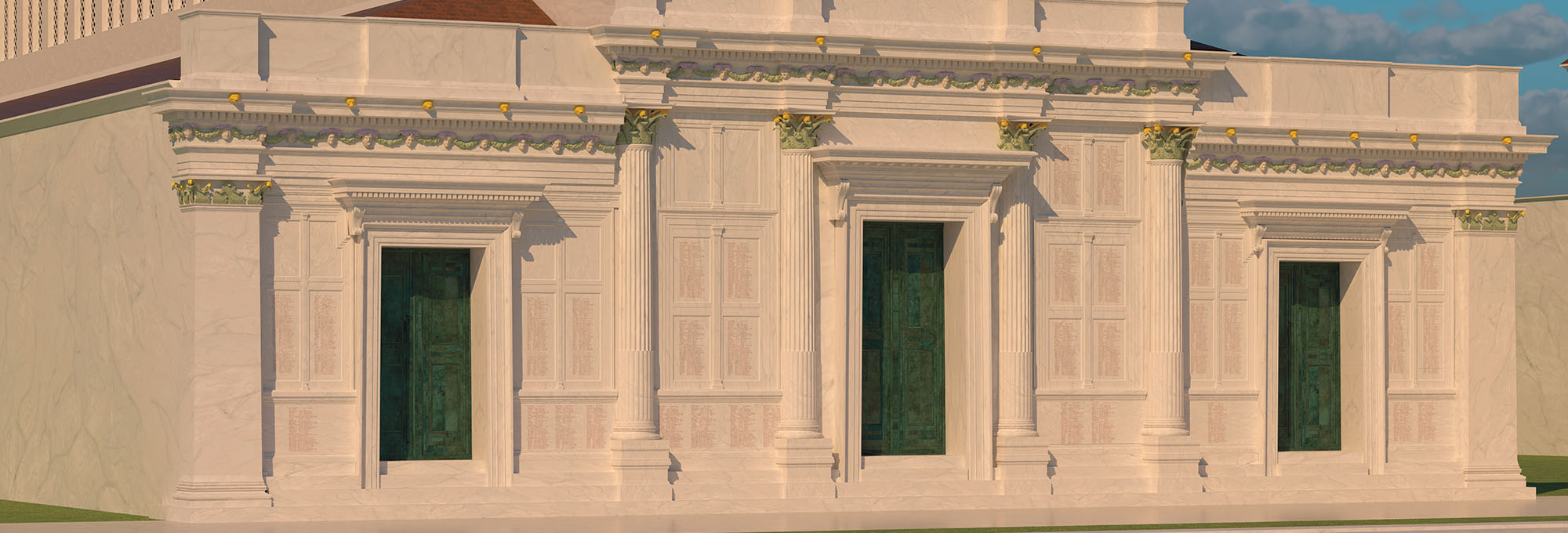
    A digital reconstruction shows how the Civil Basilica in the city of Aphrodisias in southwestern Anatolia would have appeared with the Edict of Maximum Prices inscribed on its facade.
    Ece Savaş and Philip Stinson
  • Features January/February 2026

    The Birds of Amarna

    An Egyptian princess seeks sanctuary in her private palace

    Read Article
    The Metropolitan Museum of Art, New York/ Rogers Fund, 1930
  • Features January/February 2026

    Taking the Measure of Mesoamerica

    Archaeologists decode the sacred mathematics embedded in an ancient city’s architecture

    Read Article
    Courtesy Claudia I. Alvarado-León
  • Features January/February 2026

    Stone Gods and Monsters

    3,000 years ago, an intoxicating new religion beckoned pilgrims to temples high in the Andes

    Read Article
    The ritual center of Chavín de Huántar flourished in northern Peru.
    Courtesy John Rick