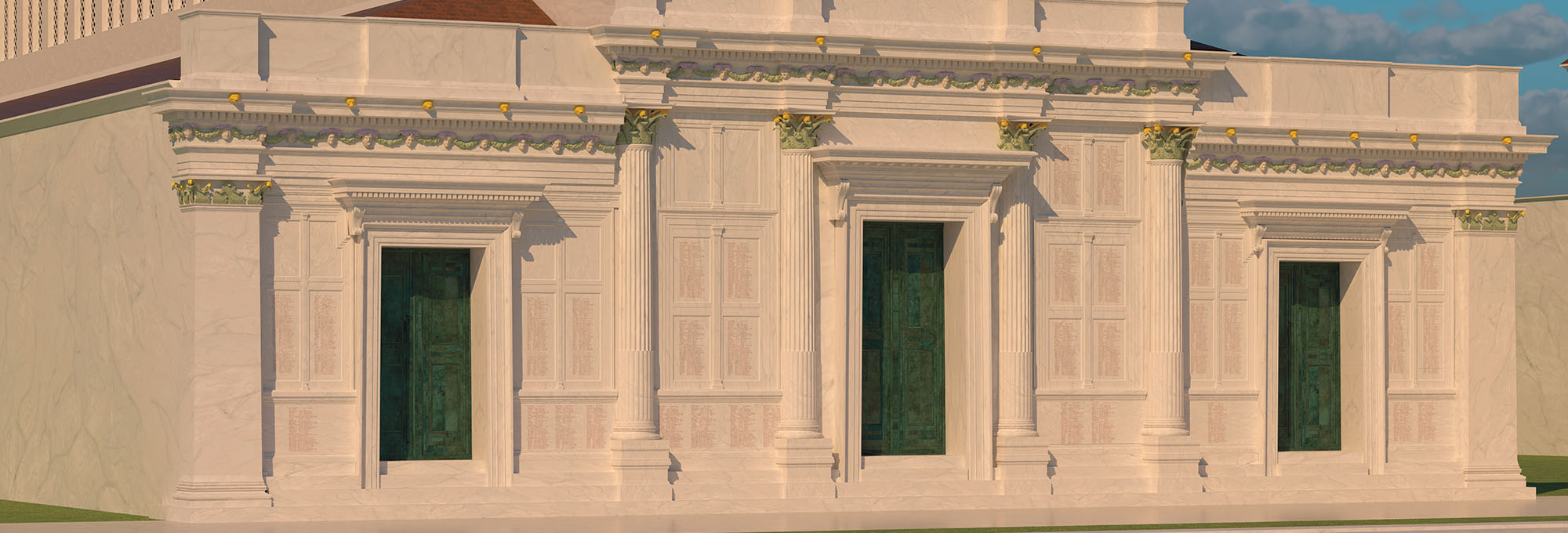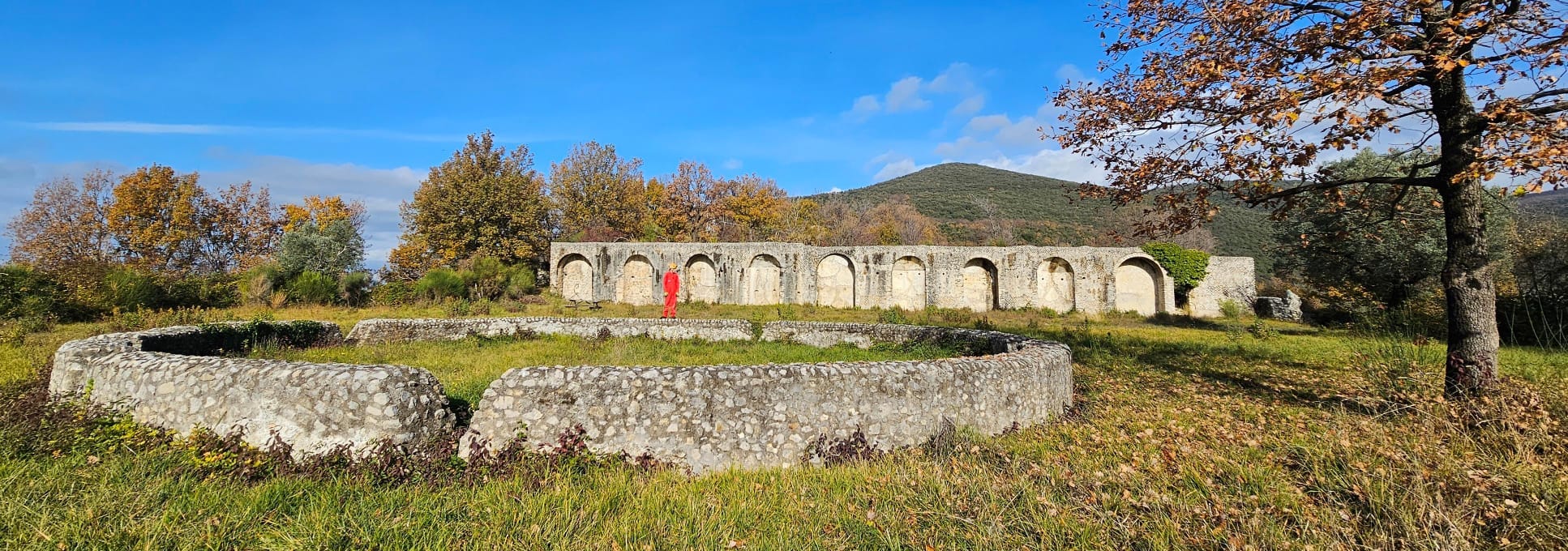
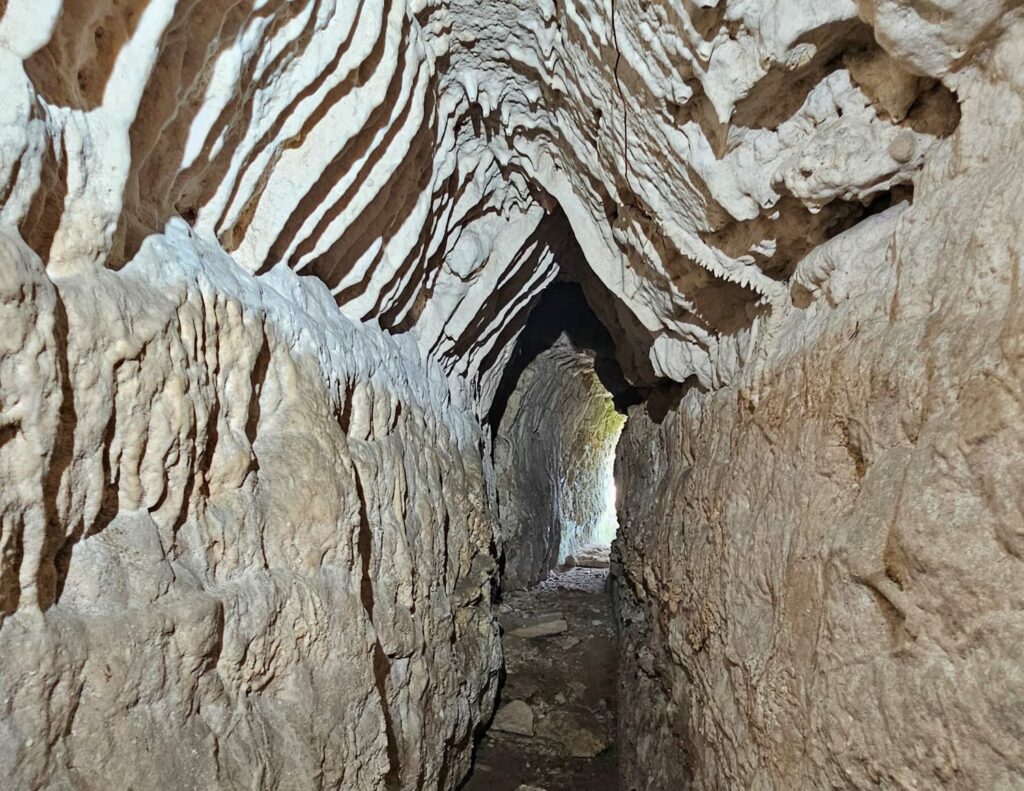
MONTOPOLI DI SABINA, ITALY—A team of archaeologists and speleologists have identified underground aqueduct tunnels and natural springs that supplied water to the Villa of the Casoni in the ancient town of Sabina northeast of Rome, La Brújula Verde reports. Built in the Roman Republican period, the villa occupied two terraces, with a garden, fountain, and circular pool on the lower platform, and a residential area on the upper terrace. The late eighteenth-century scholar Sperandio had written about the existence of ancient aqueducts at the site. During a recent field survey, the researchers rediscovered this tunnel system some 980 feet from the villa. These tunnels, which were dug out of the natural conglomerate stone, formed a complex water drainage and collection network connected to a cistern that filtered out impurities. Clean water was then distributed via the tunnels to the villa's baths, fountains, and other rooms. Based on the construction method of this hydraulic system, Vespertilio Group speleologist Cristiano Ranieri believes that it was originally created to serve a rural village predating the construction of the villa, during a period before the Romans had fully solidified their control over this region of Italy. For more on Roman hydraulic engineering, go to "Rome's Lost Aqueduct."