Medieval Settlement and Graves Uncovered in Hungary

News February 19, 2026

Hungarian Concession Infrastructure Development
SHARE:

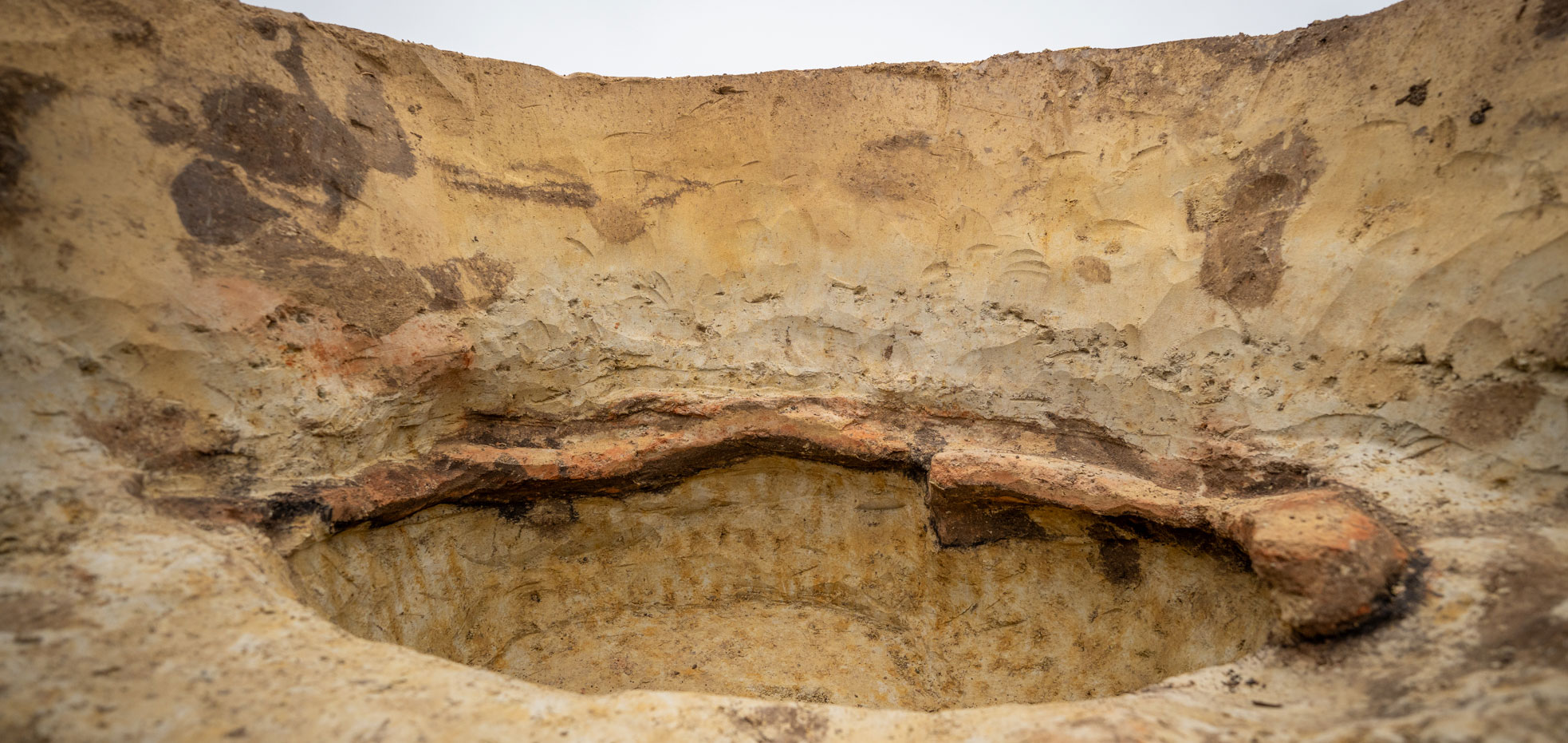
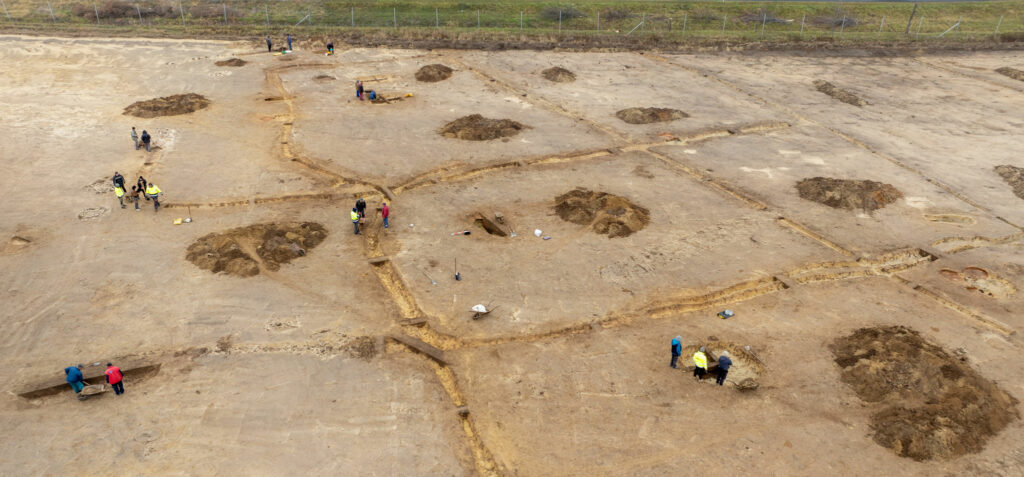
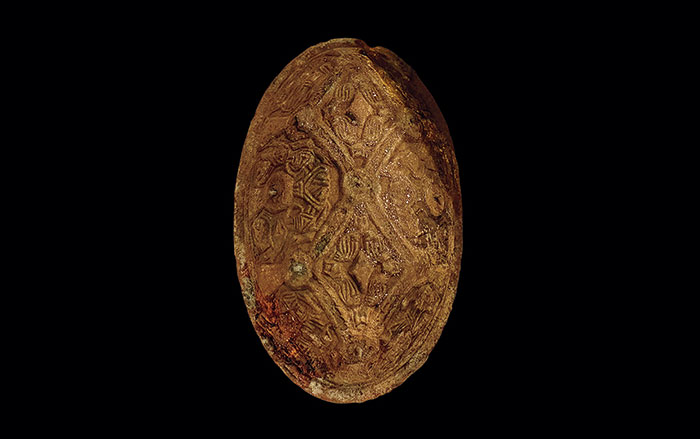
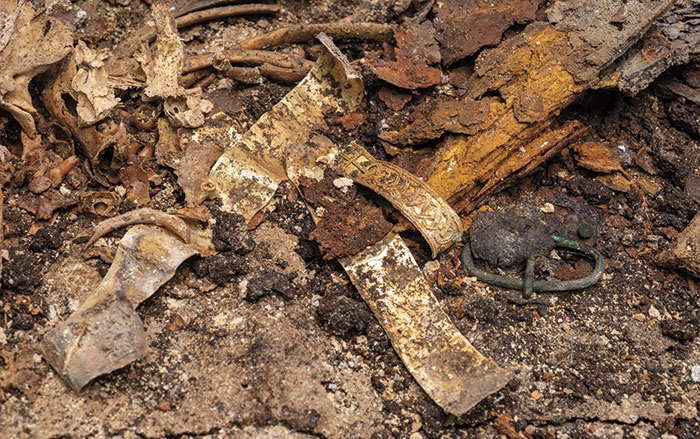
BUDAPEST, HUNGARY—According to a Daily News Hungary report, more than 100 medieval graves and traces of a medieval settlement were discovered during an investigation conducted ahead of a road construction project in northwestern Hungary. Researchers from Hungary’s National Archaeological Institute and the Rómer Flóris Art and Historical Museum reviewed historical records and aerial imagery of the planned route in order to identify possible archaeological sites. Then, they examined the possible sites with geophysical surveys and confirmed them with excavation. The medieval graves have been attributed to the nomads known as the Avars and dated from the eighth through the eleventh centuries. The settlement, including houses, ovens, and ditches, has been dated to the eleventh century, and the rule of the Árpád dynasty. To read more about medieval Hungary, go to "The Avars Advance."
  • Features January/February 2026

    The Cost of Doing Business

    Piecing together the Roman empire’s longest known inscription—a peculiarly precise inventory of prices

    Read Article
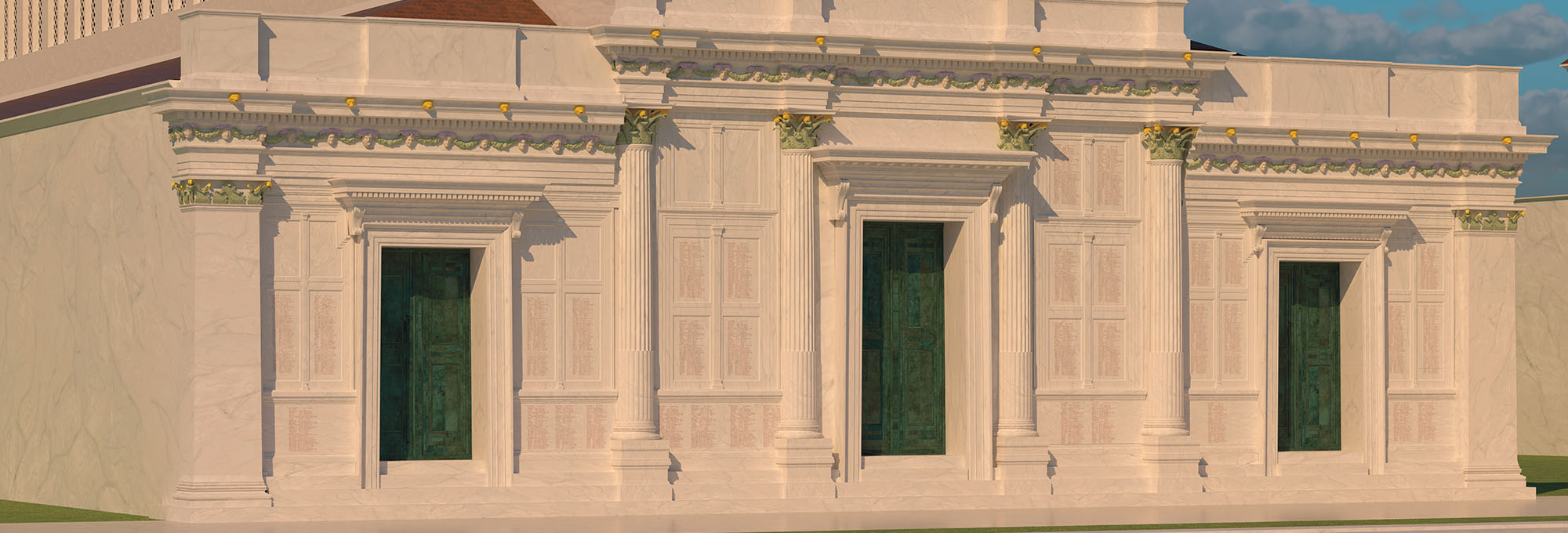
    A digital reconstruction shows how the Civil Basilica in the city of Aphrodisias in southwestern Anatolia would have appeared with the Edict of Maximum Prices inscribed on its facade.
    Ece Savaş and Philip Stinson
  • Features January/February 2026

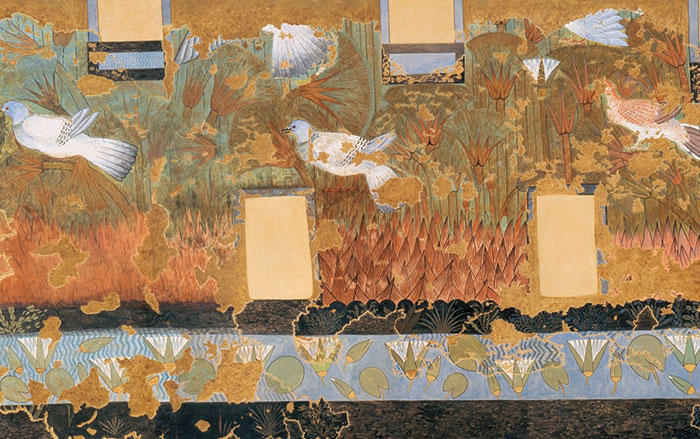
    The Birds of Amarna

    An Egyptian princess seeks sanctuary in her private palace

    Read Article
    The Metropolitan Museum of Art, New York/ Rogers Fund, 1930
  • Features January/February 2026

    Taking the Measure of Mesoamerica

    Archaeologists decode the sacred mathematics embedded in an ancient city’s architecture

    Read Article
    Courtesy Claudia I. Alvarado-León
  • Features January/February 2026

    Stone Gods and Monsters

    3,000 years ago, an intoxicating new religion beckoned pilgrims to temples high in the Andes

    Read Article
    The ritual center of Chavín de Huántar flourished in northern Peru.
    Courtesy John Rick