

CALGARY, CANADA—According to a statement released by the University of Calgary, Elizabeth Paris of the University of Calgary and an international team of researchers analyzed the bones and tooth enamel of deer and dogs recovered from Moxviquil and Tenam Puente, two Maya archaeological sites in the highlands of southern Mexico. Mapping of strontium isotopes in these specimens indicates that most of the dogs had been raised in Maya lowland kingdoms. Meanwhile, analysis of carbon and nitrogen isotopes in the dog remains shows that they were fed a diet rich in corn and meat. This diet may have been fed to the animals, or they may have scavenged it from scraps. The deer, on the other hand, were determined to be local, and were likely to have been hunted as wild animals. “Our results contribute further evidence for robust exchange networks in ancient Mesoamerica, including the Maya culture area,” Paris said. DNA testing is planned to try to identify what sort of dogs the Maya kept. Read the original scholarly article about this research in the Journal of Archaeological Science. To read about the tomb of the ruler of the Maya kingdom of Caracol, go to "Return of the King," one of ARCHAEOLOGY's Top 10 Discoveries of 2025.
Study Suggests the Maya Traded Dogs Over Long Distances
News February 24, 2026
Recommended Articles
Features January/February 2026
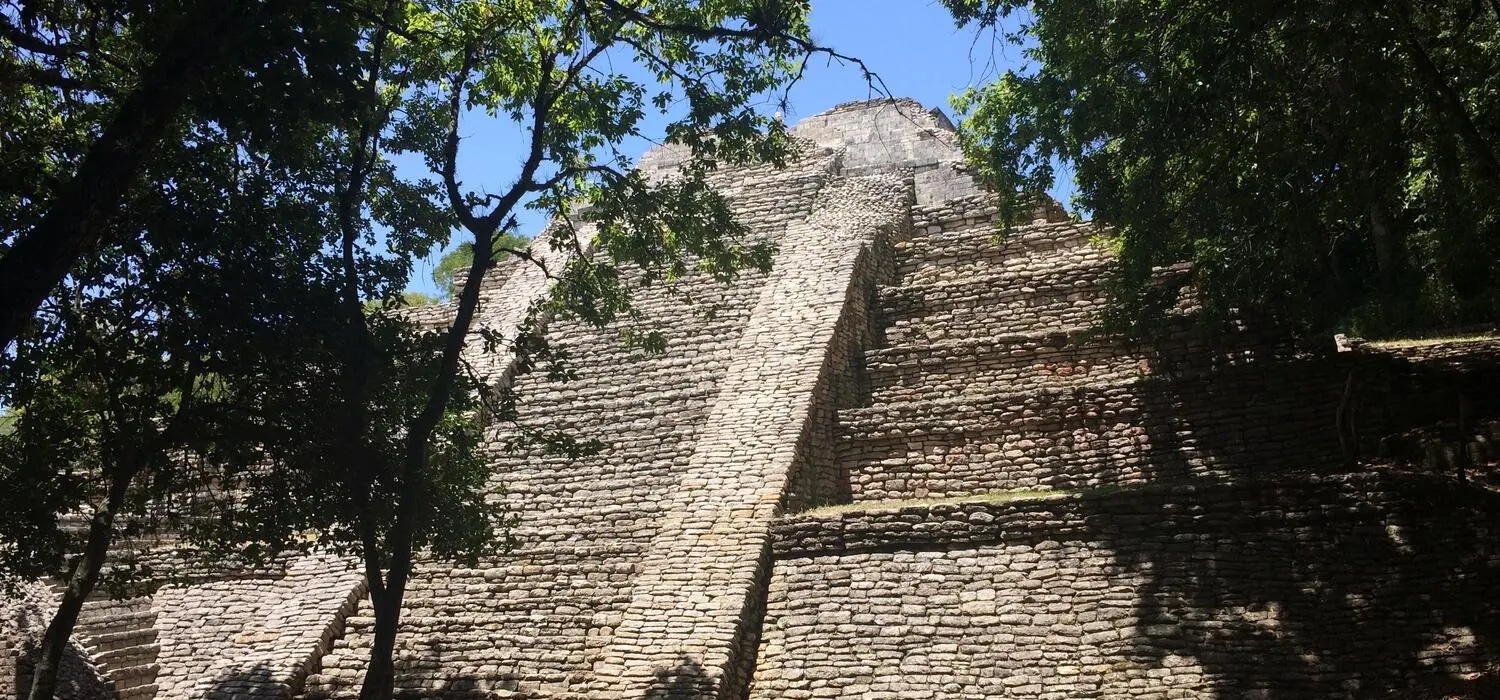
Taking the Measure of Mesoamerica
Archaeologists decode the sacred mathematics embedded in an ancient city’s architecture

Features November/December 2025
Acts of Faith
Evidence emerges of the day in 1562 when an infamous Spanish cleric tried to destroy Maya religion
Artifacts July/August 2025
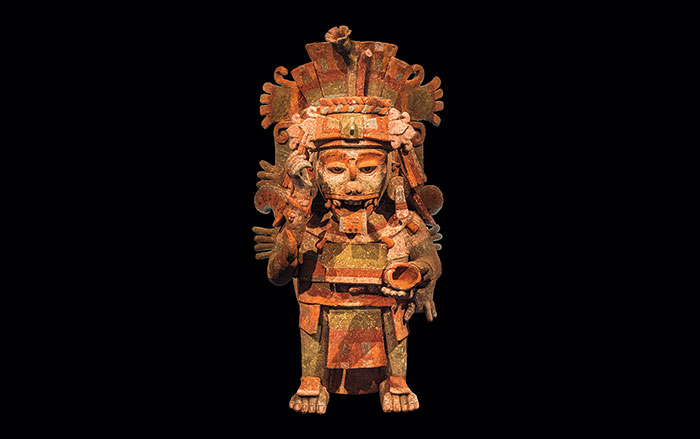
Maya Ceramic Figurine
More to Discover
Features January/February 2026
Top 10 Discoveries of 2025
ARCHAEOLOGY magazine’s editors reveal the year’s most exciting finds

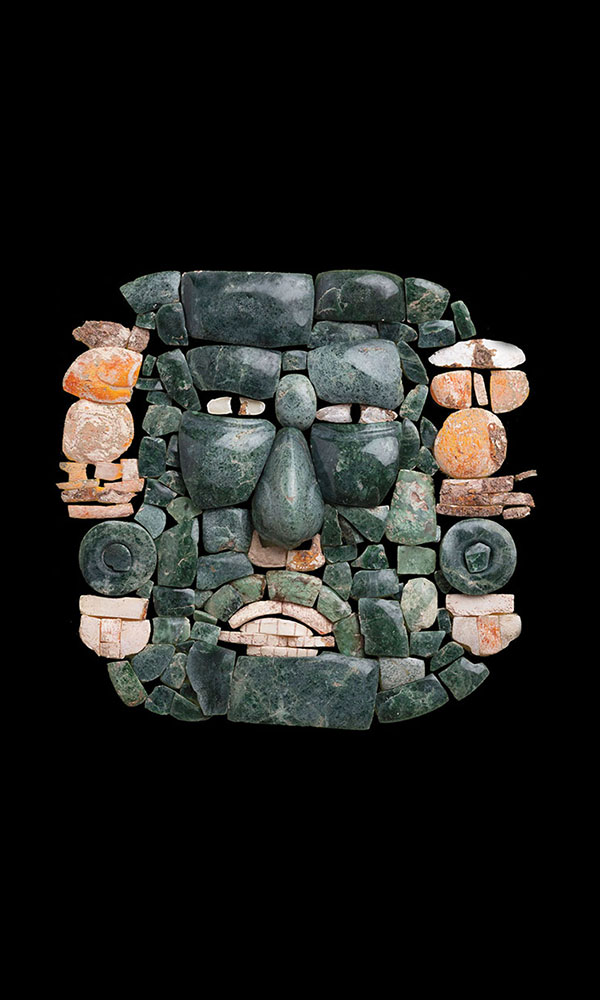
-
Features January/February 2026
The Cost of Doing Business
Piecing together the Roman empire’s longest known inscription—a peculiarly precise inventory of prices
 Ece Savaş and Philip Stinson
 -
Features January/February 2026
The Birds of Amarna
An Egyptian princess seeks sanctuary in her private palace
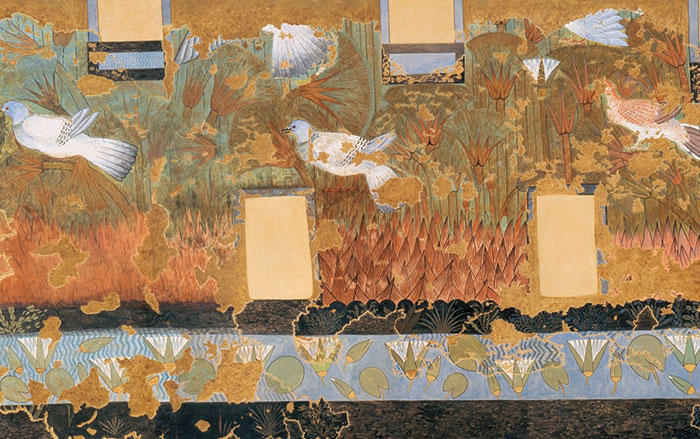 The Metropolitan Museum of Art, New York/ Rogers Fund, 1930
 -
Features January/February 2026
Stone Gods and Monsters
3,000 years ago, an intoxicating new religion beckoned pilgrims to temples high in the Andes
 Courtesy John Rick
 -
Letter from France January/February 2026
Neolithic Cultural Revolution
How farmers came together to build Europe’s most grandiose funerary monuments some 7,000 years ago
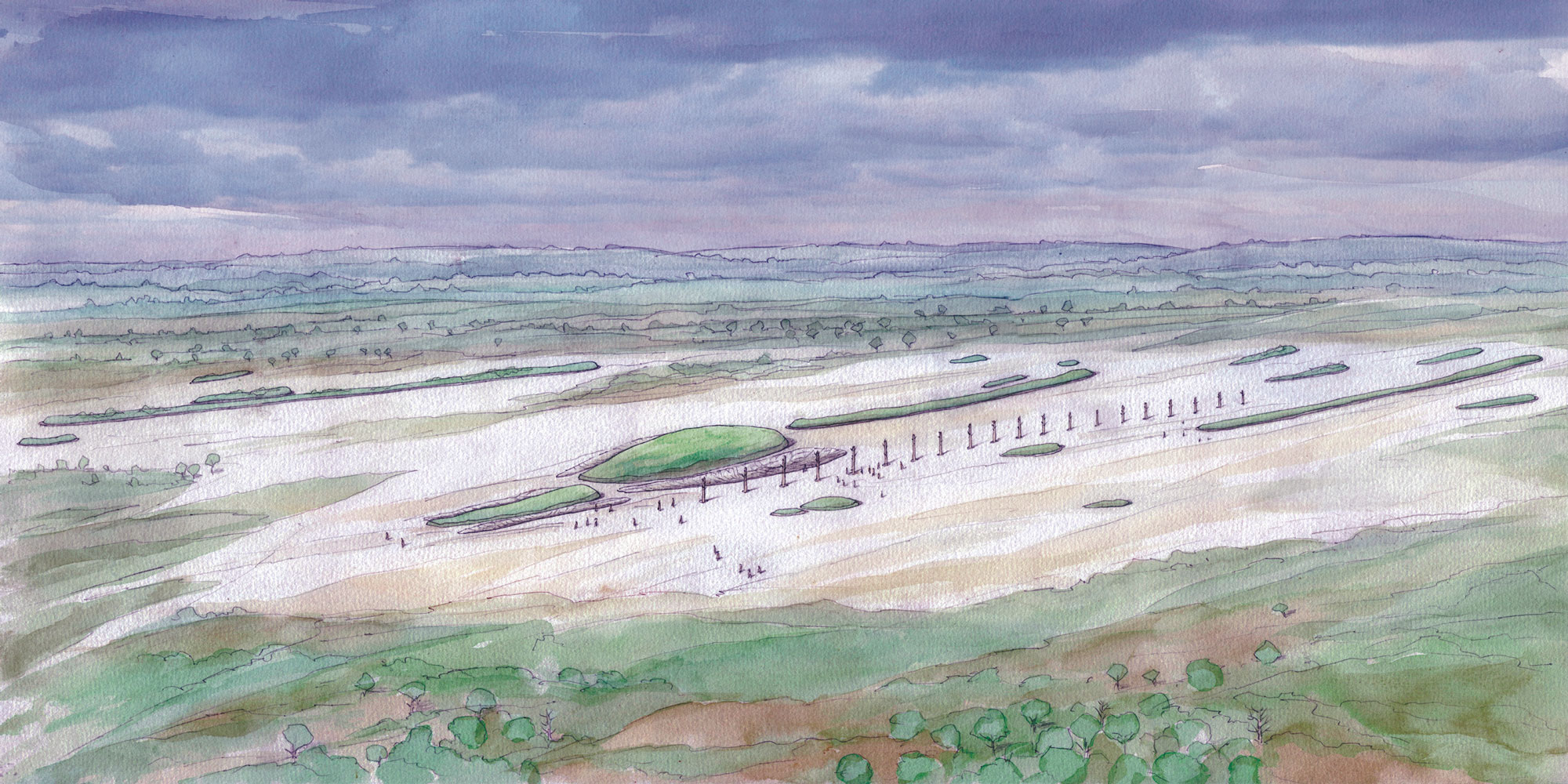 © Laurent Juhel, Inrap