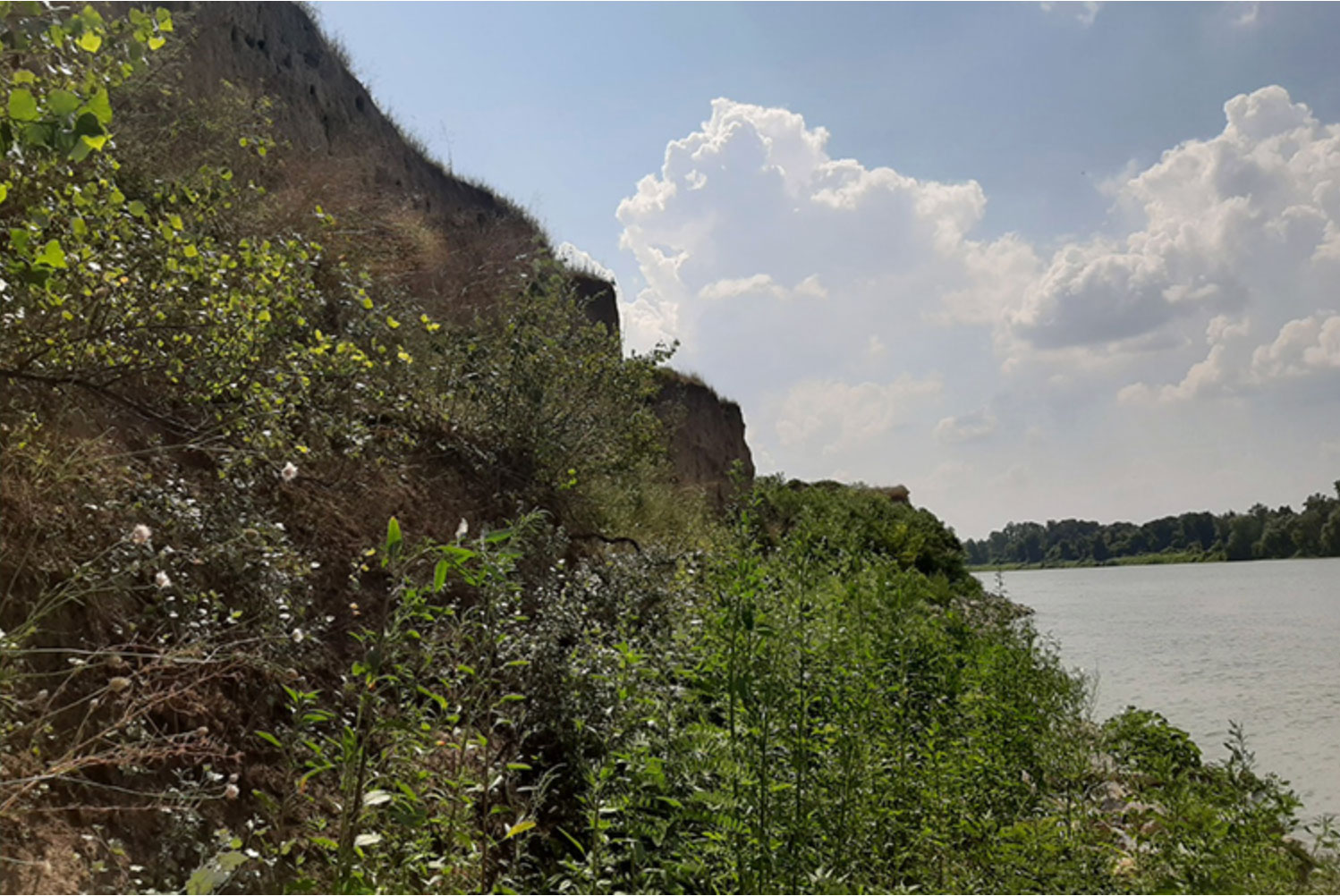
NOVI SAD, SERBIA—A genetic study of 3,000-year-old bones recovered from the Gomolava burial pit in northern Serbia some 50 years ago indicates that the deceased were mostly women and children, according to a Science News report. Previous study of the people from Gomolava suggests that they were semisedentary farmers. Those who had been buried in the shallow pit were likely killed by blows from horseback, perhaps by seminomadic herders from another group. In all, the remains of 77 individuals were identified through DNA analysis, the examination of proteins in tooth enamel, and bone shape. More than 60 percent of the bones belonged to children, and more than 70 percent of the dead were female. Just 20 men and boys were among the victims. “There’s clearly a choice being made about who’s being killed,” said Barry Molloy of University College Dublin. He thinks the conflict may have occurred over land ownership and how the land was used. The women and children may have been targeted by the attackers for their high status, he added. Read the original scholarly article about this research in Nature Human Behaviour. For more on Serbian archaeology, go to "Farmers and Foragers."