Did Egypt’s First Pharaohs Demand Human Sacrifice?

News October 6, 2026

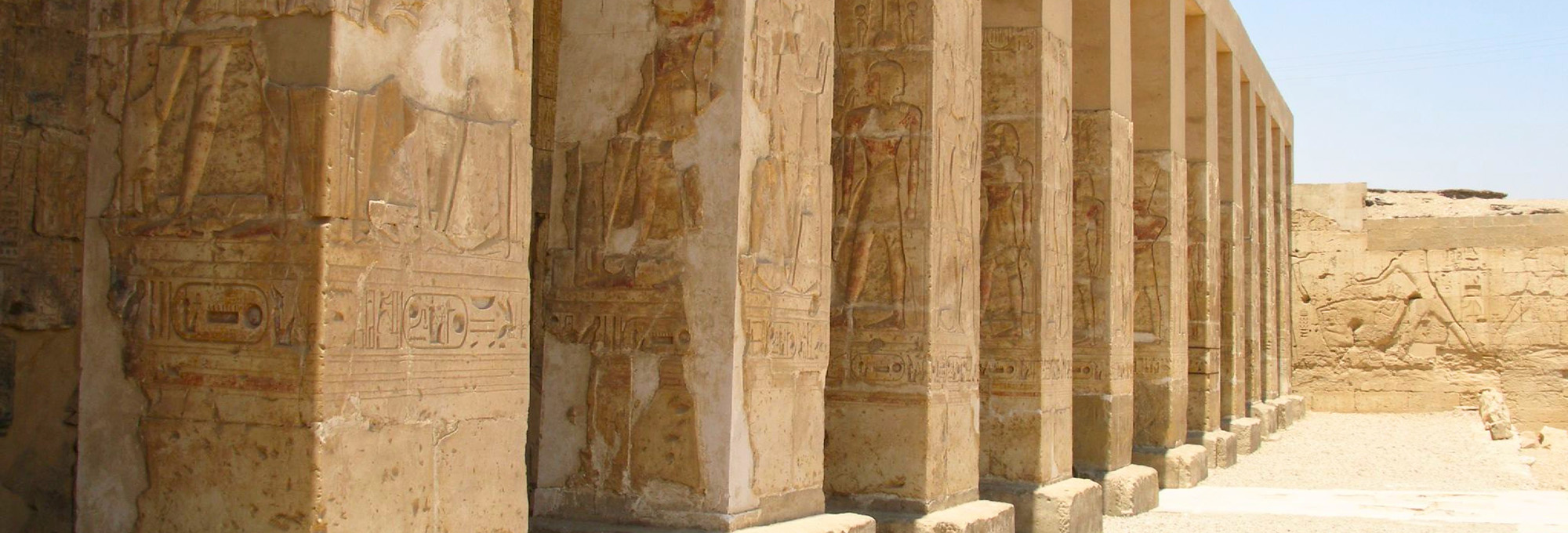
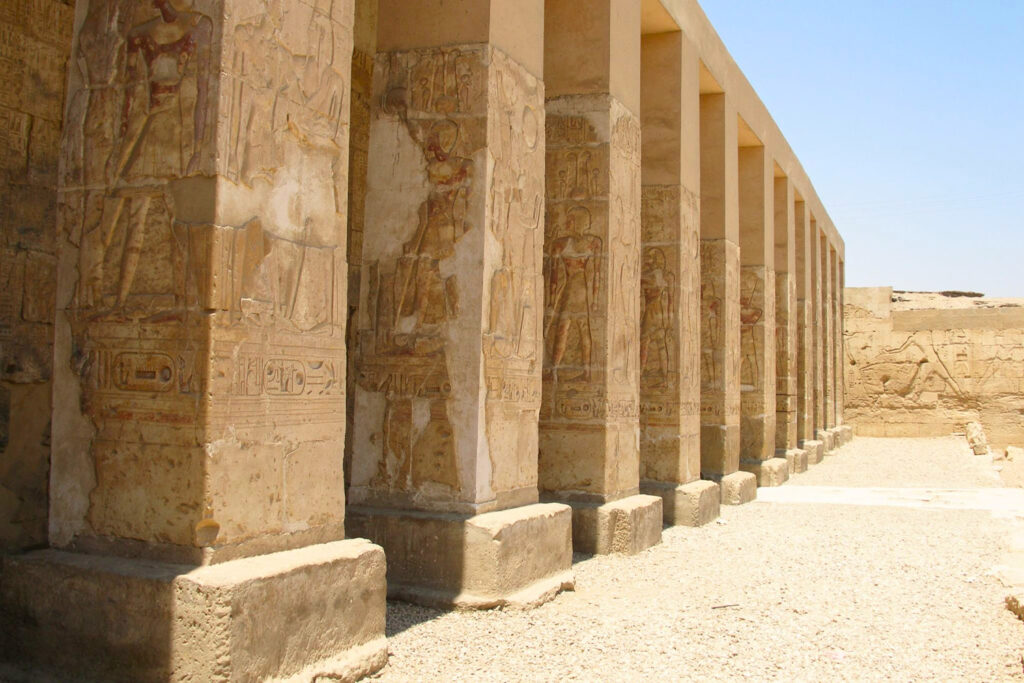
Temple of Seti I, Abydos, Egypt
Photo Vyacheslav Argenberg via Flickr

ABYDOS, EGYPT—In the 4th Dynasty (ca. 2575–2465 B.C.) of Egypt’s Old Kingdom, pharaohs were building the most impressive funerary monuments on earth, the pyramids. Their predecessors in the 1st Dynasty (ca. 3078–2900 B.C.) also constructed grand tombs surrounded by hundreds of subsidiary burials at the Umm el-Qa’ab cemetery of Abydos. According to a report in The Guardian, a new study has revealed that the people in these lesser burials certainly seem to have paid dearly. When Egyptologist Flinders Petrie excavated the modest burials arrayed near Abydos’ royal tombs in the 1920s, he determined that they were the graves of household servants, low-level officials, and artisans, many of whom were buried with a few ceramic vessels, copper tools, or ivory figurines. It struck Petrie as suspicious that hundreds of people employed by each pharaoh died at the same time the pharaoh did, but he could find no evidence of injury on the skeletons. He reburied most of the remains and sent some of the skulls home to the United Kingdom.
Bioarchaeologist Roselyn Campbell of Purdue University recently examined 46 of these skulls at the University of Cambridge, using modern forensic analysis. Eighteen of them, she found, showed evidence of significant trauma. “The injuries on the preserved crania are generally linear fractures, which would likely cause rapid unconsciousness, internal bleeding, and death,” Campbell said. A few also bore sharp-force trauma marks, including, in one instance, a chopping wound to the eye. The people who propped up the royal apparatus, called retainers, had been sacrificed violently, dying with the first rulers of unified Egypt. “In many cultures, retainer sacrifice is practiced because of beliefs that the sacrificed individuals will continue to serve the ruler in some kind of afterlife,” said Campbell, “but retainer sacrifice can also be a visceral display of the ruler’s power.” Read the original scholarly article about this research in Frontiers in Environmental Archaeology. The 1st Dynasty pharaohs are buried at Abydos, but the location of their seat of power is less certain; for more, go to “Searching for Lost Cities: Egypt’s First Capital?”

Anglo-Saxon Community in Rome Revealed

News October 6, 2026

Lungotevere in Sassia, Rome, Italy
Lalupa via Wikimedia Commons

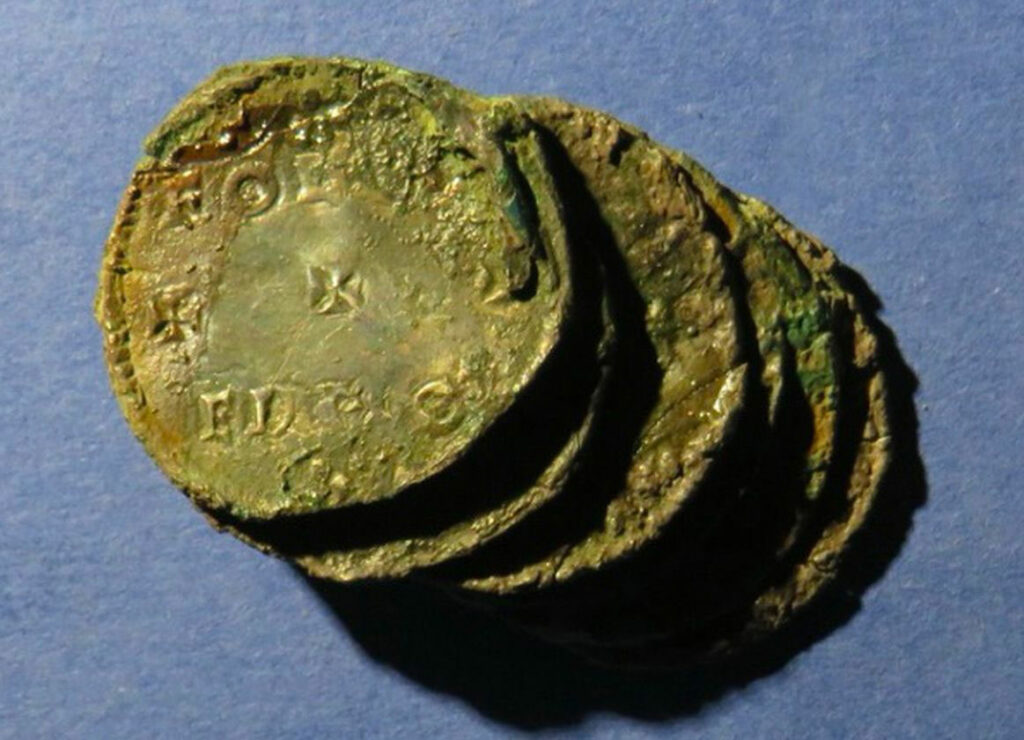
ROME, ITALY—Rare evidence of medieval Rome’s thriving community of Anglo-Saxons has been found close to the city’s Palazzo della Rovere near the Vatican, according to a statement released by the University of Cambridge. The team has unearthed 20 coins, including 19 silver pennies and one halfpenny, minted by a son and grandsons of the Anglo-Saxon king—and first king of England—Alfred the Great. Scholars have long known about the Anglo-Saxon enclave in Rome. There are modern place names that preserve this legacy, including the embankment between the Tiber and the Vatican that is still called the Lungotevere in Sassia. Almost no archaeological evidence of the quarter had previously been found, however. According to Rory Naismith, Professor of Early Medieval English History at Cambridge, the coins are clearly evidence of trade, and more Anglo-Saxon coins from this period have now been found in Rome than papal coins. “This sounds bizarre,” Naismith said, “but it’s telling us that a very large amount of money was flowing in from England at this time.” To read about excavations near Palazzo della Rovere that uncovered one of the emperor Nero's favorite performance venues, go to "The Fiddler's Theater," one of ARCHAEOLOGY's Top 10 Discoveries of 2023.

4,000-Year-Old Gallery Grave Excavated in Norway

News October 5, 2026

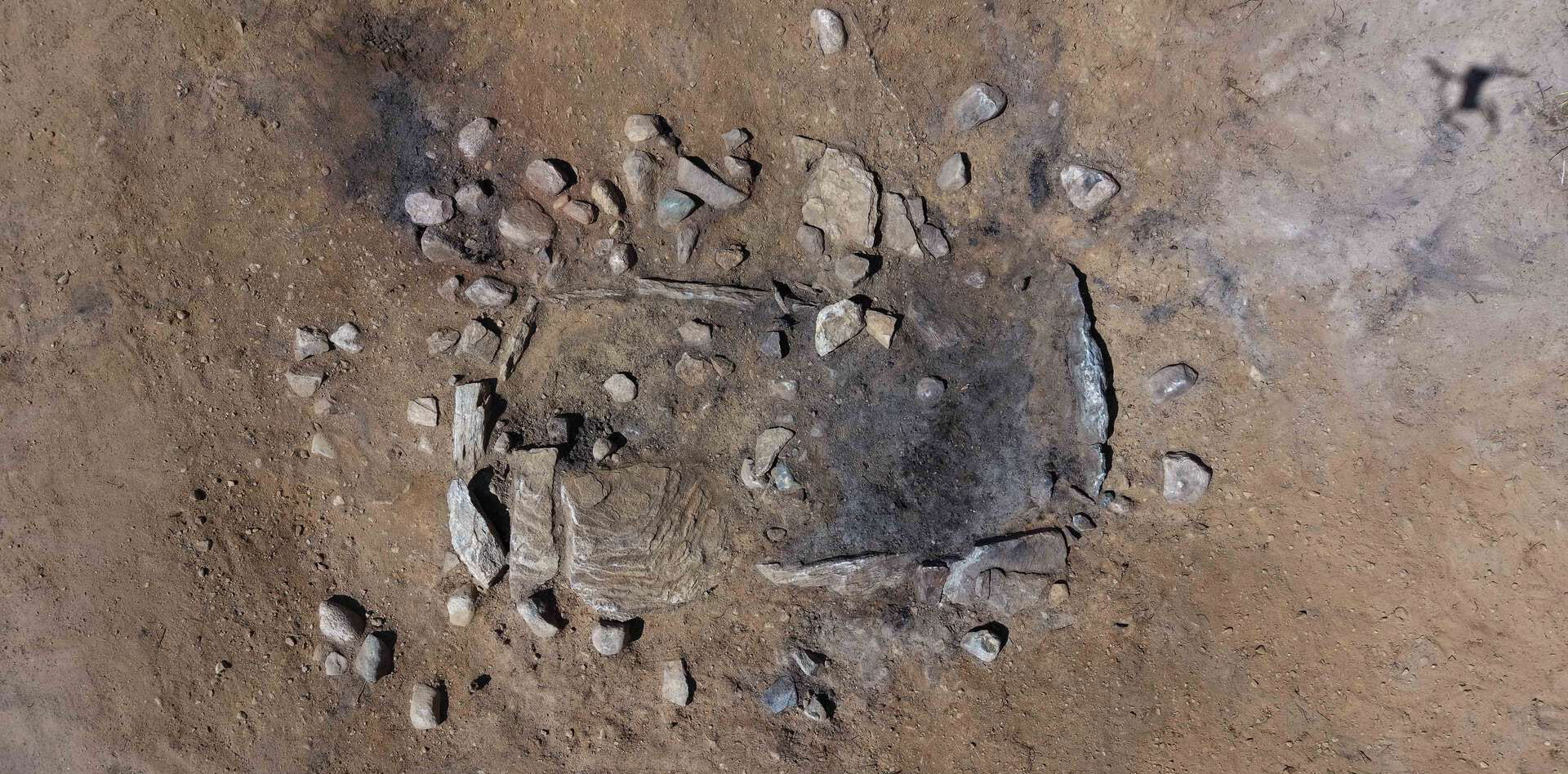
Overhead view of Neolithic coffin before excavation at the Kongefaret 8 site on Norway's Svinesund Plateau
Museum of Cultural History Oslo

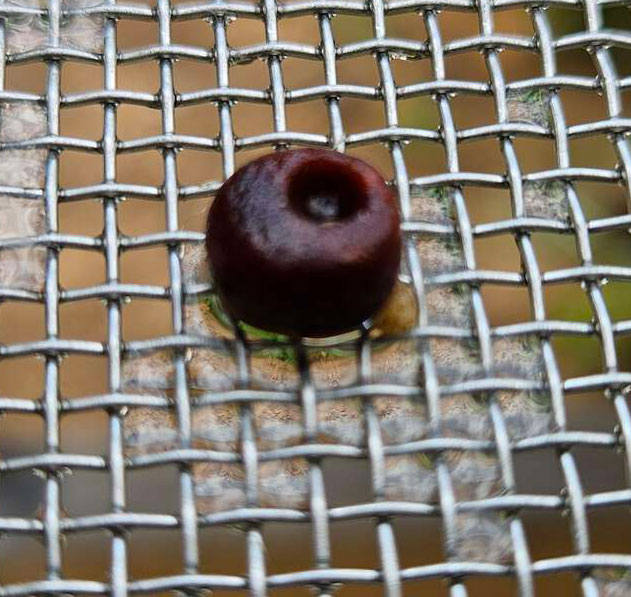
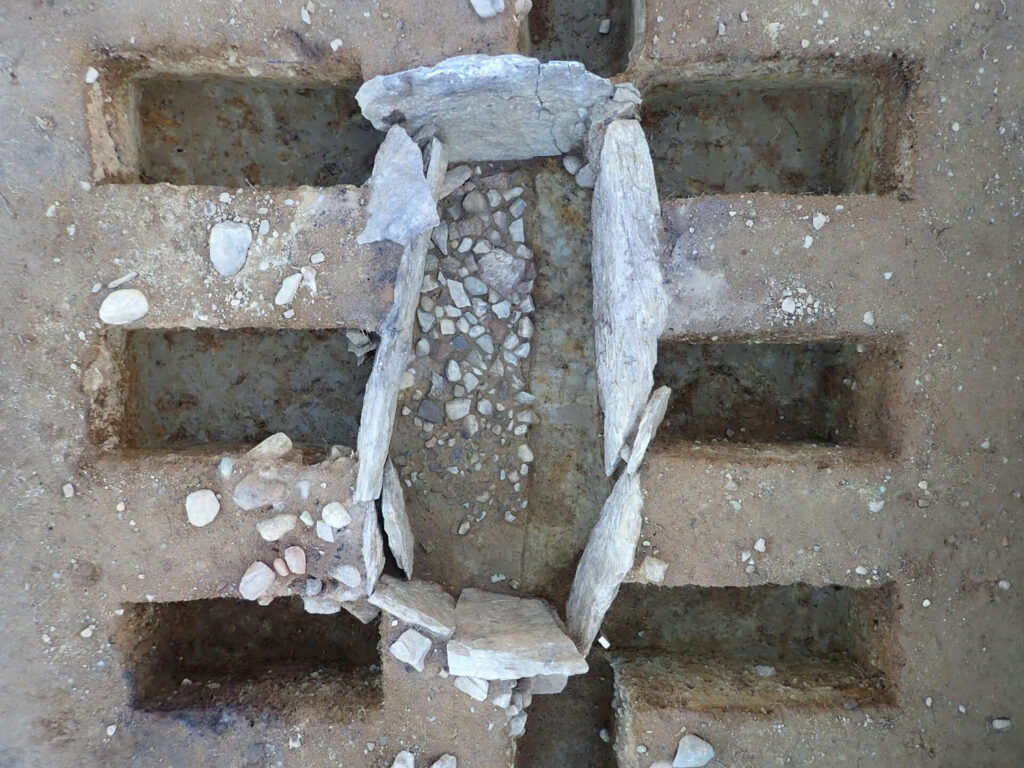
HALDEN, NORWAY—Science in Norway reports that a rescue excavation on southeastern Norway’s Svinesund Plateau, which was led by Carine Rosenvinge of the Museum of Cultural History Oslo, has uncovered a Neolithic gallery grave lined with stone slabs. The bottom of the grave was paved with smaller stones. The structure has been dated to about 4,000 years ago, when early farmers moved into the region. Flint daggers and arrowheads are usually found in such graves and attributed to warriors, Rosenvinge explained. This grave, however, only contained one arrowhead and no daggers. An amber bead, a pottery fragment, and evidence of burning were recovered from the burial. “So, there is something a little different about this one,” she said. Dating of the burned remains is planned. To read about other recent archaeological research in southeastern Norway, go to "Nordic Metal."

Face of Ancient Andean Man Reconstructed

News October 5, 2026

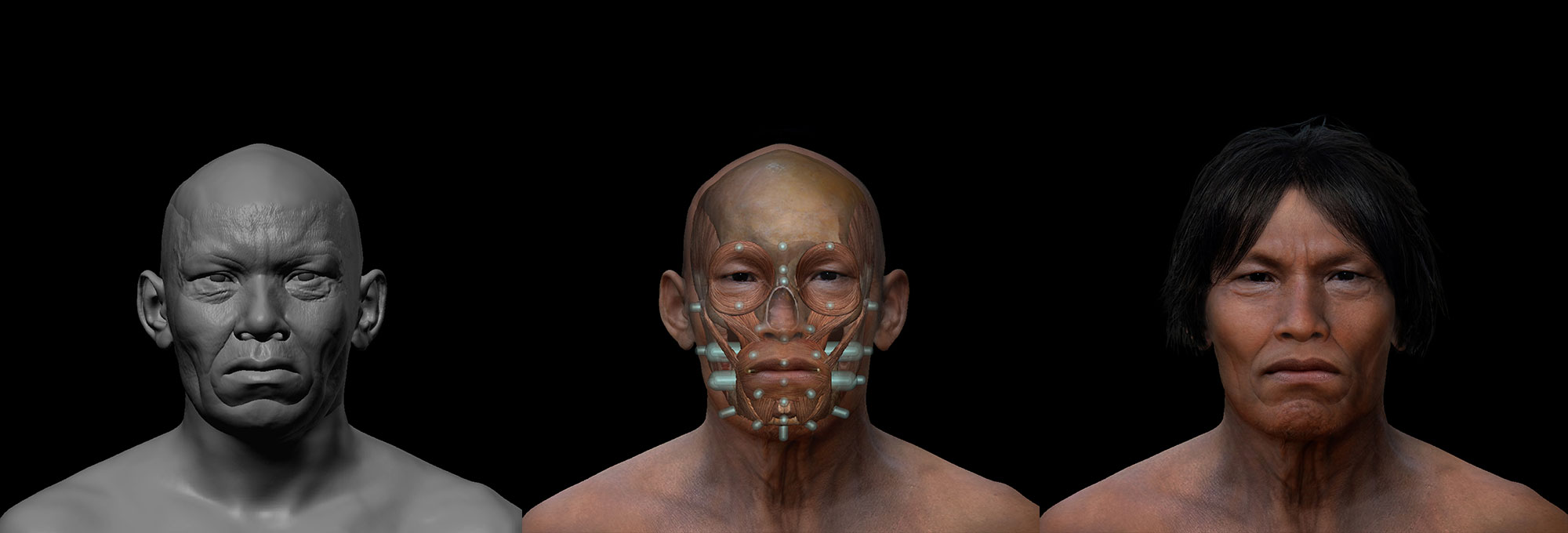
Phases in the facial reconstruction of Punin-2
Courtesy Christopher Rynn

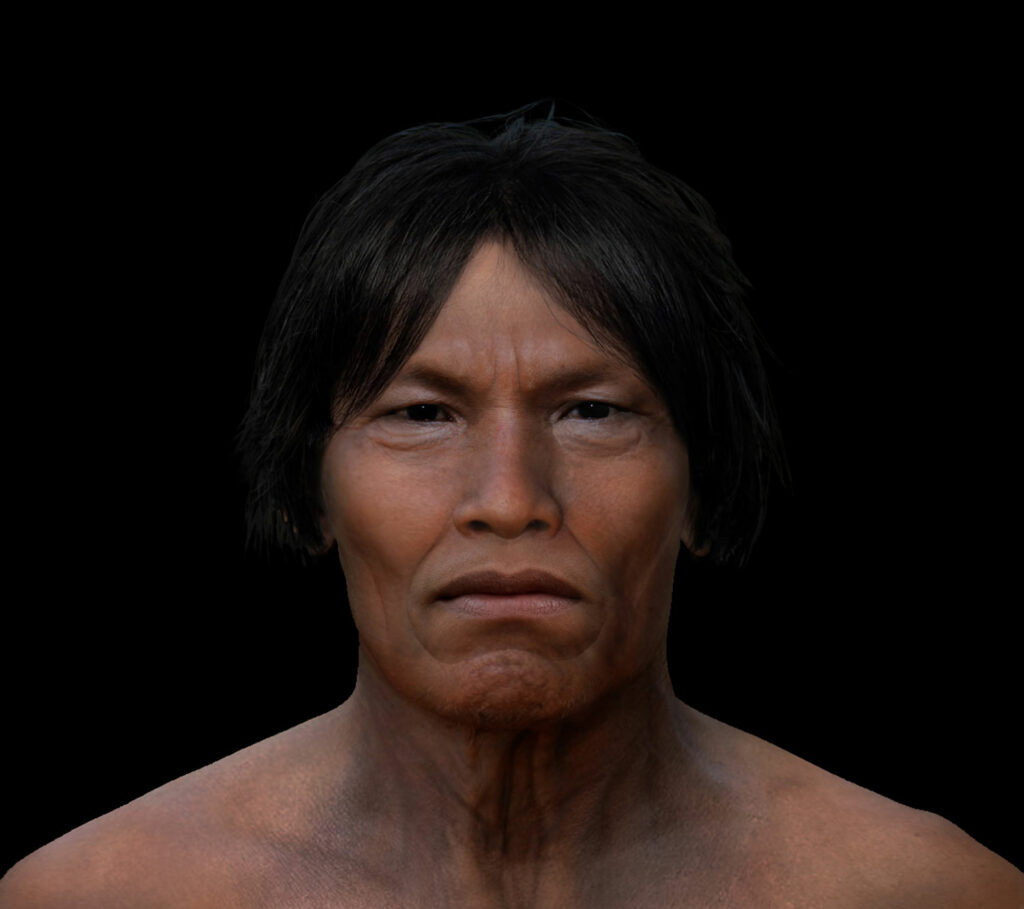
PUNÍN, ECUADOR—Live Science reports that the face of a man who lived in Ecuador's Andes Mountains some 3,000 years ago has been digitally reconstructed by Christopher Rynn. The man’s skull, known as Punín-2, was discovered in a ravine in the Chimborazo region of Ecuador in the 1970s. Rynn explained that the man descended from an ancestral group of North Siberians and East Asians. “Punín-2 resembles an East Asian skull from the front, but not at all from the side,” he said. Physical analysis of the skull suggests the man was about 50 years old when he died. Rynn used digital techniques, partial physical reconstruction with wax, and data on the thicknesses of tissues to recreate the face. He also consulted with people who now live in the Chimborazo region—and are likely to be descended from Punín-2—for guidance on the hairstyle and the setting of the eyes in the reconstruction. “The hairstyle is very specific,” Rynn said. “If it’s wrong, it looks like a different tribe,” he explained. To read about infant burials excavated along Ecuador's coast, go to "Protecting the Young."

Lead Venus Figurine Unearthed in Hungary

News October 5, 2026

Excavation at the Pilisszentiván–Hárs site, Hungary
ELTE BTK Institute of Archaeology

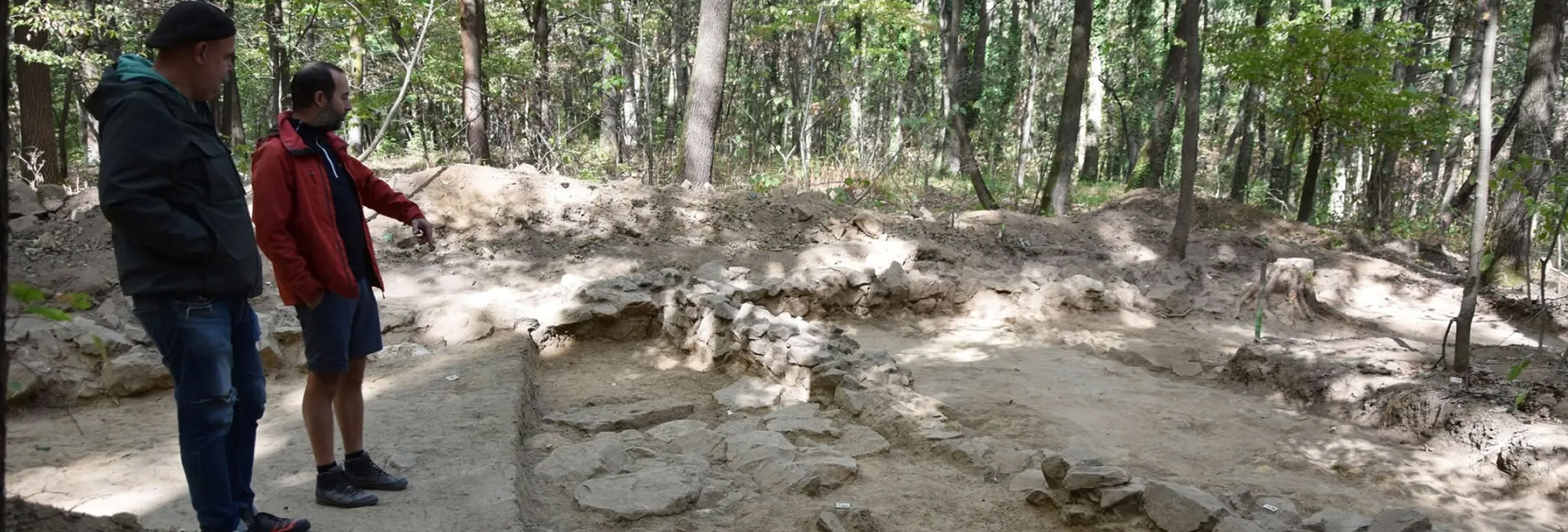
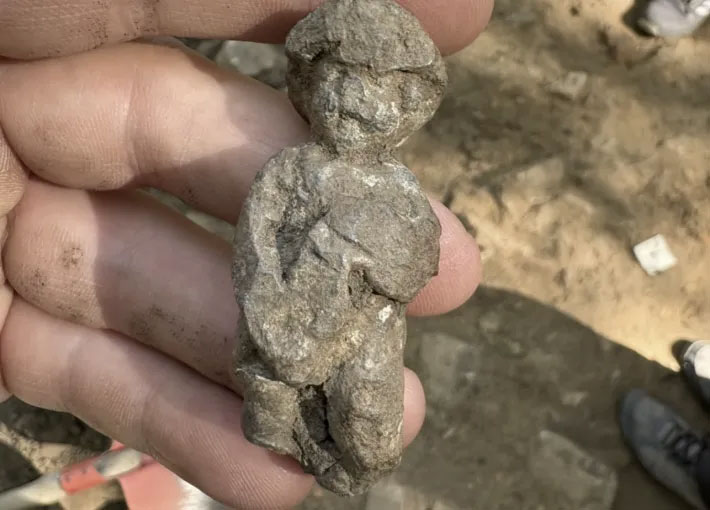
BUDAPEST, HUNGARY—According to the Greek Reporter, a lead figurine depicting Venus Pudica has been unearthed at a Roman settlement in Hungary. Bence Simon of Eötvös Loránd University said that the statue of the nude Venus covering her body with her hands is the first religious object uncovered at the site of Pilisszentiván-Hárs. The researchers also found a fragment of leaded bronze armor, iron tools, brooches, an iron tong, pottery, and coins. A structure next to an area paved with stone slabs may have been used for work-related activities. For more on Roman-era Hungary, go to "Off the Grid: Aquincum, Hungary."

Mesolithic Lumber Recovered in Germany’s Lake Arendsee

News October 2, 2026

LDA researchers recover the Mesolithic wooden post from Lake Arendsee, Germany
© State Office for Heritage Management and Archaeology Saxony-Anhalt, Juraj Lipták

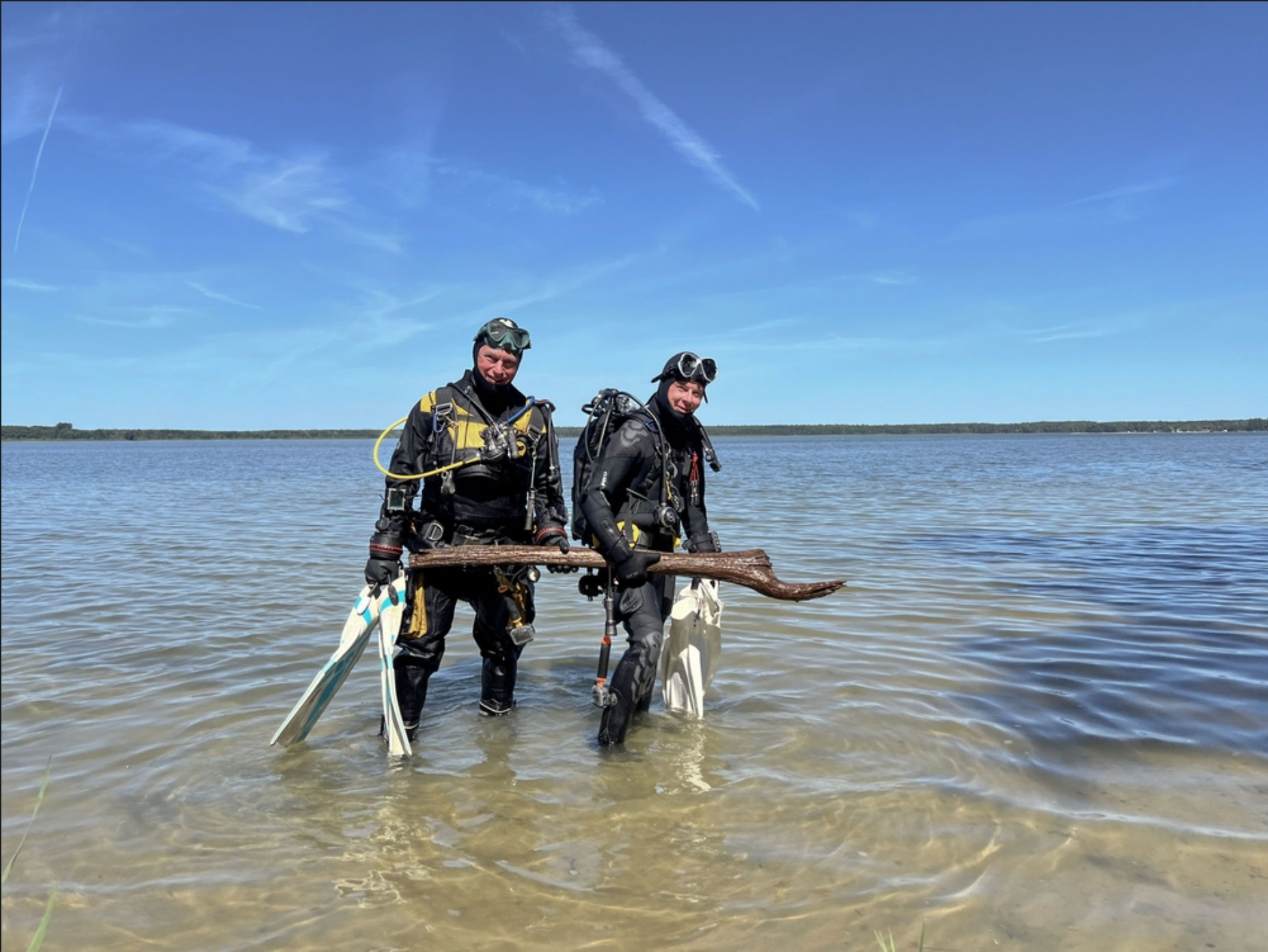
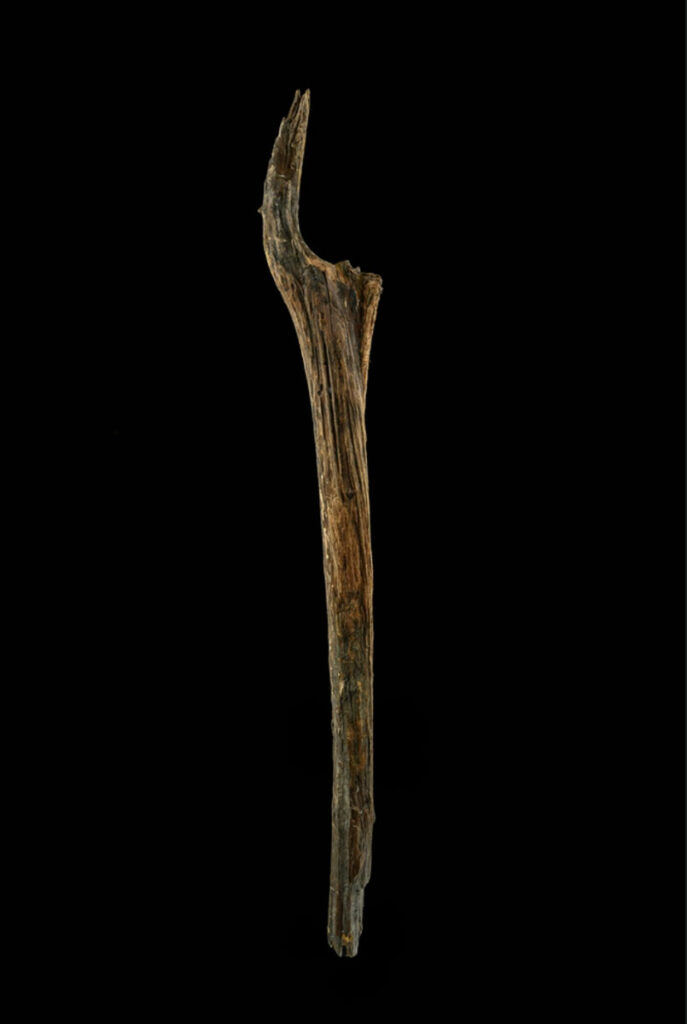
SAXONY-ANHALT, GERMANY—According to a statement released by the State Office for Heritage Management and Archaeology (LDA) Saxony-Anhalt, pieces of worked wood dated to some 10,500 years ago have been recovered from sediments in central Germany’s Lake Arendsee. “The finds shed a completely new light on the Mesolithic period, for which traces of buildings in central Germany have so far only been known in the form of soil discolorations,” said state archaeologist Harald Meller. The pieces of wood include a five-foot post bearing felling marks, and split boards measuring up to about four feet long. It is not yet known if the wood was used to build huts or an unknown structure. “If permanent buildings or intensively cultivated living spaces already existed 10,500 years ago—that is, 3,000 years before the arrival of the first farmers with their longhouses in Central Europe—this would have far-reaching consequences not only for our understanding of hunter-gatherers, but also for the origins of modern cultural landscapes,” explained Marcel Weiß of LDA Saxony-Anhalt. The researchers, working with Fraunhofer IOSB-AST, are now documenting the lake’s ancient shoreline with high-resolution sonar scanning in order to plan additional underwater investigations. For more on Germany's Mesolithic hunter-gatherers, go to "A Surprising Encounter."

20th-Century Railroad Worker Camp Found in Iowa

News October 2, 2026

Wooden structural elements in situ, Milwaukee Railroad Shops Historic District, Sioux City, Iowa
Courtesy Michael Betsinger, University of Iowa Office of the State Archaeologist

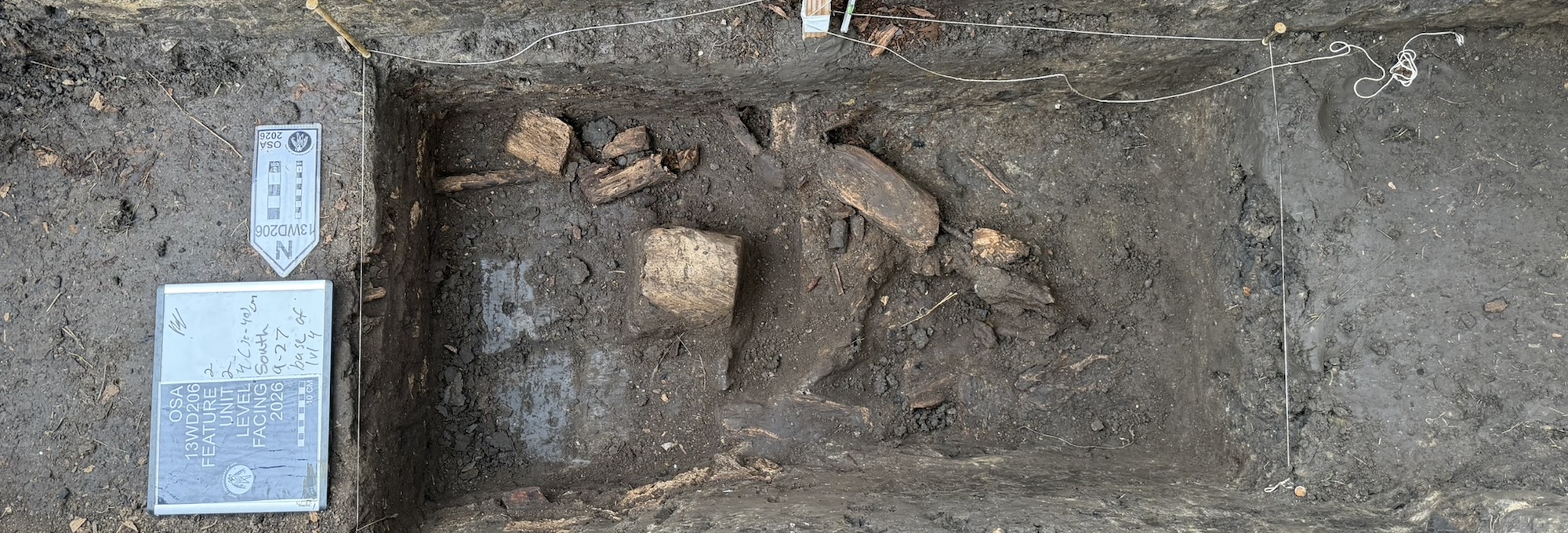
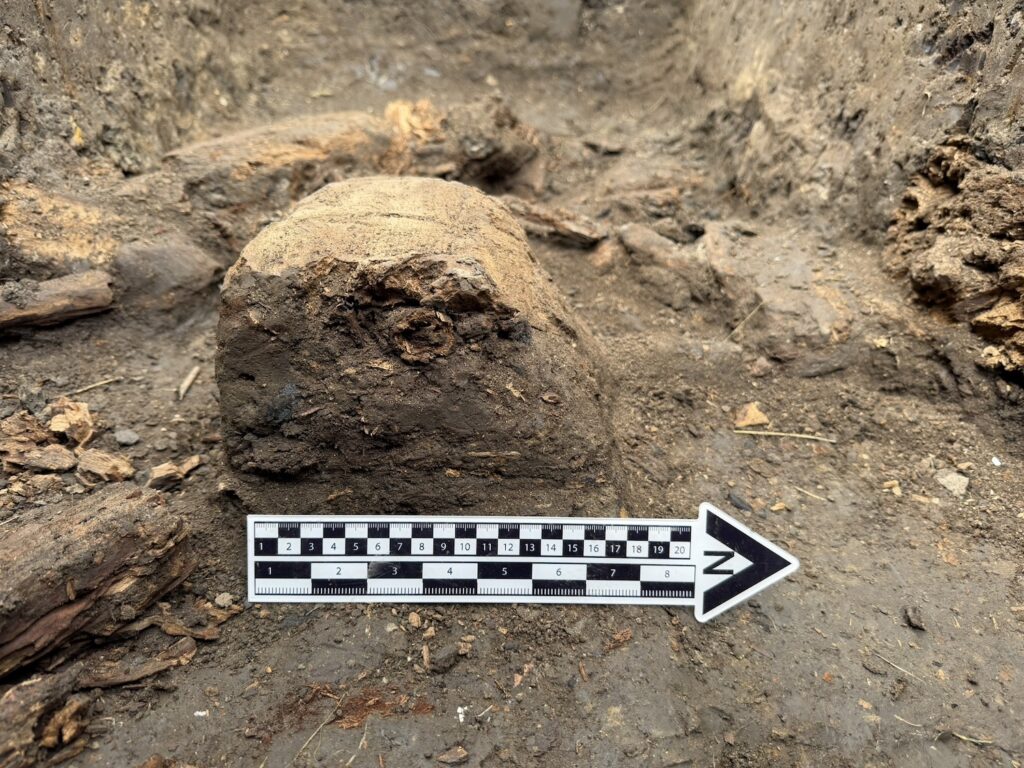
SIOUX CITY, IOWA—Siouxland Public Media reports that traces of a worker camp have been uncovered at the Sioux City Railroad Museum by a team led by Michael Betsinger of the University of Iowa Office of the State Archaeologist. Workers lived on site to build the Milwaukee Railroad Shops Terminal from 1916 to 1918. The repair shop terminal served the Chicago, Milwaukee, St. Paul and Pacific Railroad. More than 500 people were employed at the repair shop and its roundhouse of 30 stalls during World War II. But when the railroad began to use diesel engines in the 1950s, the repair shop became obsolete. The Siouxland Historical Railroad Association acquired the property in 1995 and reopened it as a museum. To read about immigrant railroad workers in the American West, go to "America's Chinatowns: Labor."

Scottish Early Medieval Monastery Studied

News October 2, 2026

Aerial photo of excavations at Lios Mor, Scotland
Ellis et al. 2026, Antiquity

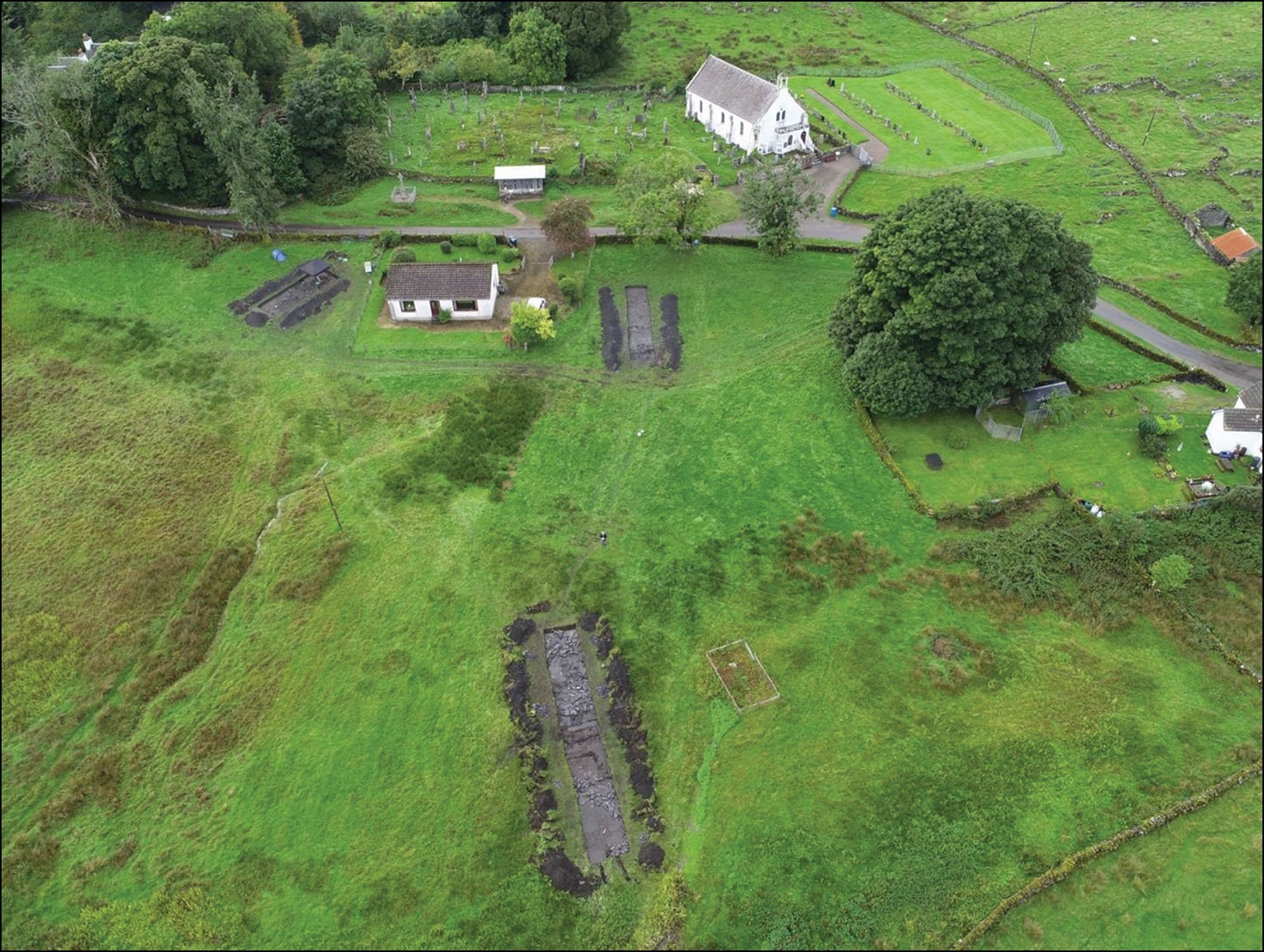
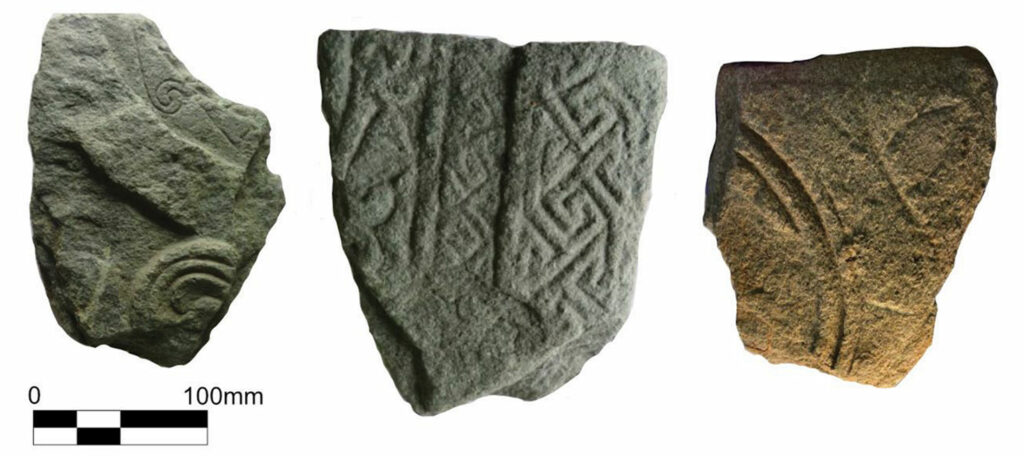
LISMORE, SCOTLAND—The Independent reports that traces of an early Christian monastery have been found on the small Scottish island of Lios Mòr, or Lismore, by a team of archaeologists and community volunteers. Local tradition, evidence from the place name, and historical records indicated that a monastery had been built on the island in the sixth century A.D. by Saint Mo Luóc. It was not clear, however, if a later cathedral had been constructed on the site of the early monastery, or if it was located somewhere else, said Clare Ellis of Argyll Archaeology. The researchers uncovered burials, craft workshops, early buildings, and signs of precious metal working, such as molds and crucibles for producing high-quality jewelry. “We can now see that it was a thriving center of worship, craftsmanship, and learning, whose importance may have rivaled some of the best-known monasteries in early medieval Britain,” said Gordon Noble of the University of Aberdeen. Future study will examine the site’s upper cemetery and the boundaries of the monastery. Read the original scholarly article about this research in Antiquity. To read about Scotland's monastery island of Iona, go to "Fit for a Saint."

Early South Korean Gunpowder Weapon Identified

News October 1, 2026

X-ray of gunpowder weapon
Korea Heritage Service

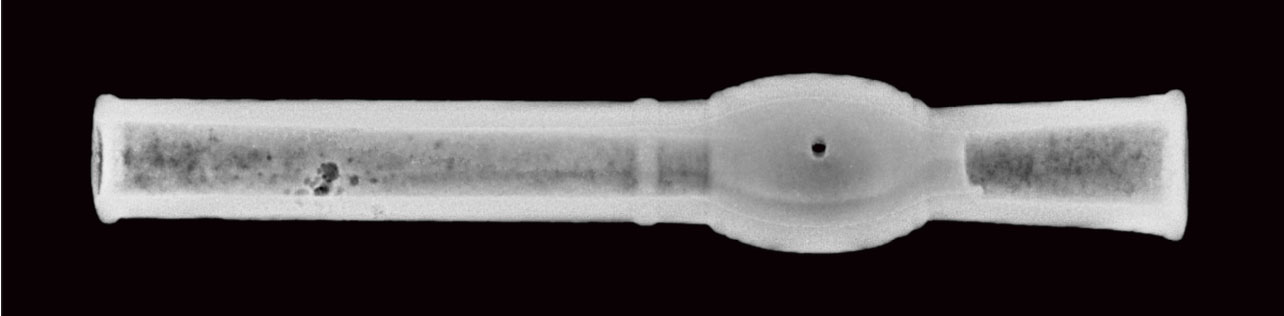
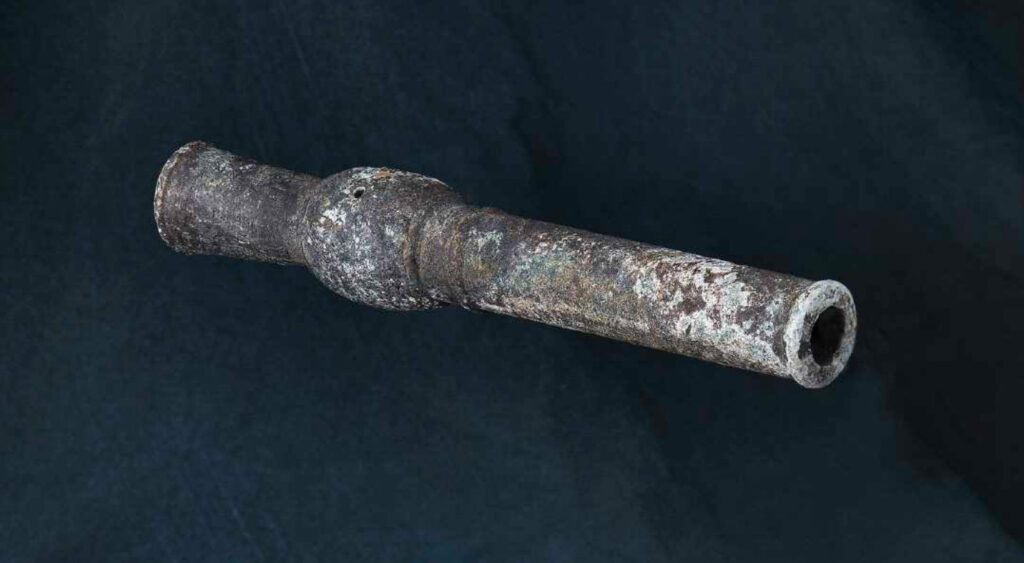
NAJU, SOUTH KOREA—A weapon discovered in 2023 on Mount Geumseong in southwestern South Korea has been identified by researchers from the Naju National Research Institute of Cultural Heritage as a Hwangja Hwatong, a handheld gunpowder weapon that fired arrows or pellets, ZME Science reports. The 600-year-old bronze weapon measures about nine inches long and weighs about two pounds. Engravings on the handle record the weapon’s name, weight, manufacturing supervisor, craftsman, and an incomplete date. When researchers compared the inscription with historic records of firearm production, they determined that this weapon was made in either 1377 or 1437. “It comes from a crucial transitional period between the late Goryeo and early Joseon dynasties, when physical artifacts of firearms are exceptionally rare,” said Cho Mi-soon of the Naju National Research Institute. Another character on the muzzle is thought to have been an inventory or production number—evidence of state-organized firearm production. To read about early guns from China, go to "Weapons of the Ancient World: Fire Lances and Cannons."

Cave Paintings May Have Been Part of Mesoamerican Writing System

News October 1, 2026

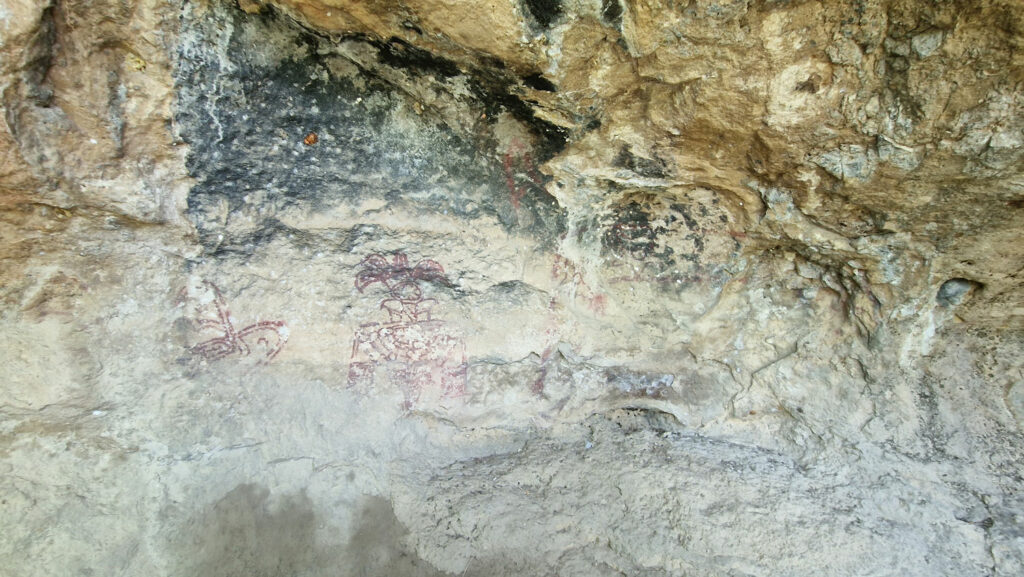
Painted glyphs in Cave 19, Chalcatzingo, Mexico
Photograph by Christophe Helmke

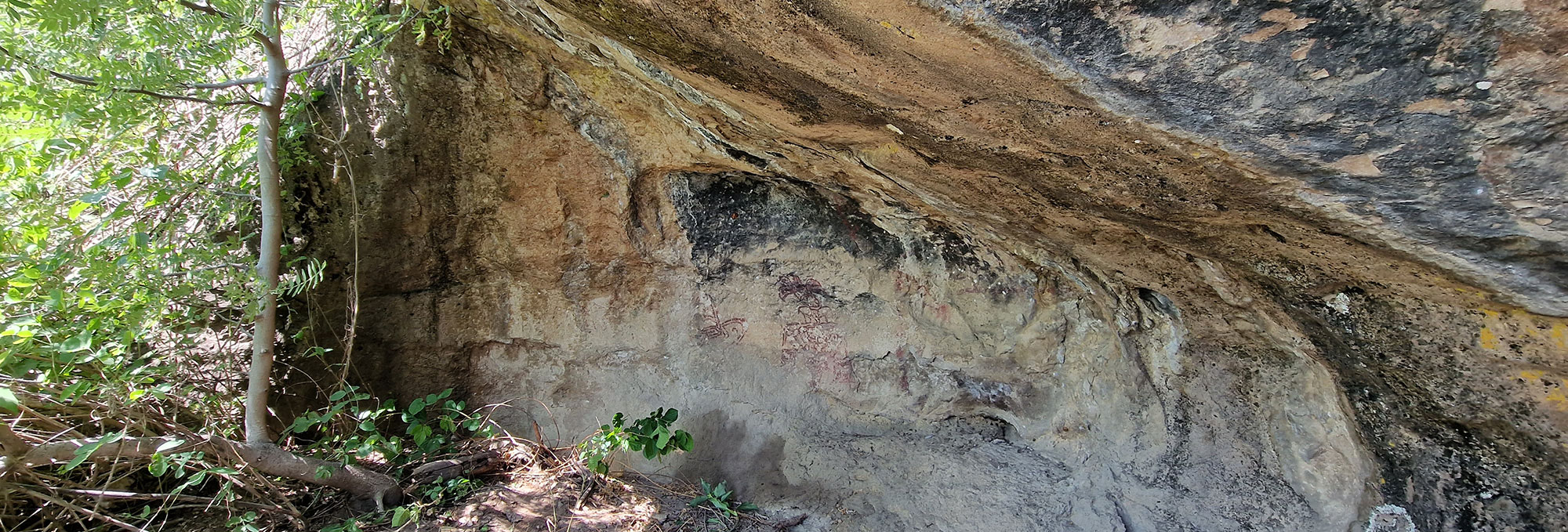
CHALCATZINGO, MEXICO—Phys.org reports that Christophe Helmke of the University of Copenhagen and his colleagues mapped a shallow cave on a cliff at the site of Chalcatzingo in south-central Mexico, where three glyphs were found in the 1980s. The red painted glyphs are thought to have been left by people from Teotihuacan who established settlements and carried out rituals in the region. The researchers also took detailed photographs of the glyphs and used digital photo enhancement software to get a better look at the paintings. Helmke said that one image features a stylized mountain flanked by speech scrolls, and may refer to a place name that means Singing Mountain. The same glyph appears in Teotihuacan, he added. The second glyph features items worn by Teotihuacan warriors, including a beaded necklace, a cloak, and a pointed dart. This glyph is therefore thought to refer to a warrior title. The third glyph, placed over a low bedrock shelf, consists of a rectangular frame with five-pointed stars. The cave walls and ceiling surrounding the shelf are blacked from fire, suggesting that incense or funerary bundles may have been burnt there. “We therefore hypothesize that this frame and the modified bedrock shelf served as the background and elevated base for a Teotihuacan pyrolytic ritual,” Helmke explained. The study of these three glyphs supports the idea that images found on buildings and pottery at Teotihuacan were part of a writing system, he concluded. “Teotihuacan writing can therefore no longer be dismissed or considered as a set of isolated or emblematic symbols,” he said. Read the original scholarly article about this research in Antiquity. To read more about the site, go to "Off the Grid: Chalcatzingo, Mexico."