

WROCŁAW, POLAND—Science in Poland reports that the bust of an elderly man and digital images of a young man and woman have been recreated from remains unearthed near the border between Germany and Poland some 100 years ago. It had been previously thought that the remains dated to the early medieval period, since they were found in an early medieval stronghold, but recent radiocarbon dating conducted by Barbara Kwiatkowska of Wrocław University and her colleagues revealed that the remains dated from the end of the fifteenth century to the beginning of the seventeenth century, long after the stronghold had been abandoned. “This is another example that it is worth it to re-analyze past archaeological discoveries with modern research tools,” commented team member Paweł Konczewski of Wrocław University. To read about a cemetery belonging to the Lusatian culture, go to "World Roundup: Poland."
Researchers Reconstruct Likenesses From 400-Year-Old Bones
News April 8, 2022
Recommended Articles
Digs & Discoveries March/April 2017
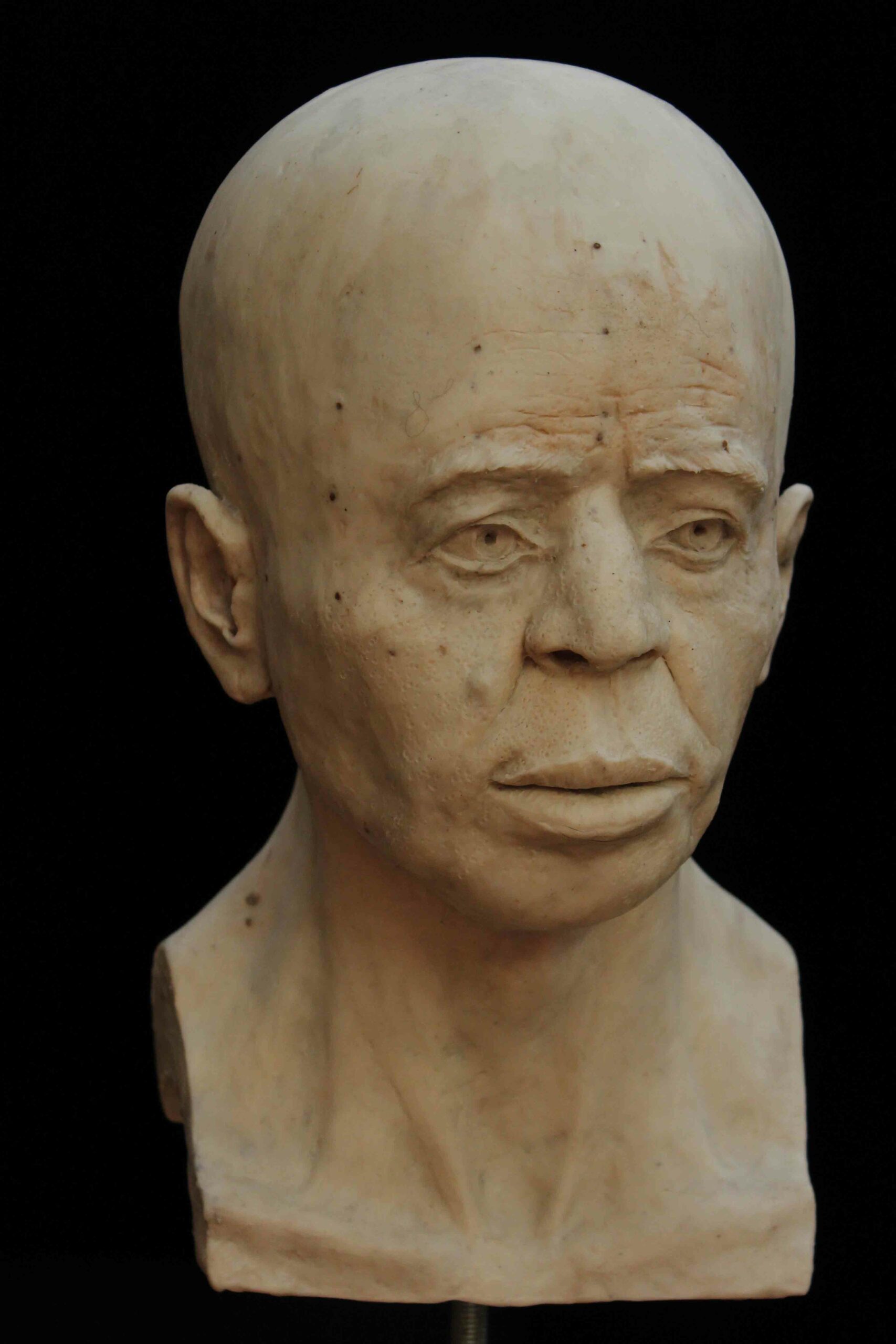
Neolithic FaceTime
Off the Grid September/October 2026
Xunantunich, Belize
Learning to draw monkeys at an ancient Maya art academy
Letter from Ireland September/October 2026
A War Between Friends
How IRA volunteers survived the Irish Civil War in a secret mountain hideout
Features September/October 2026
A Change in Fashion
Hoards of lavish gold and silver neck rings buried on an English hill reflect dramatic social change
More to Discover
Features March/April 2022
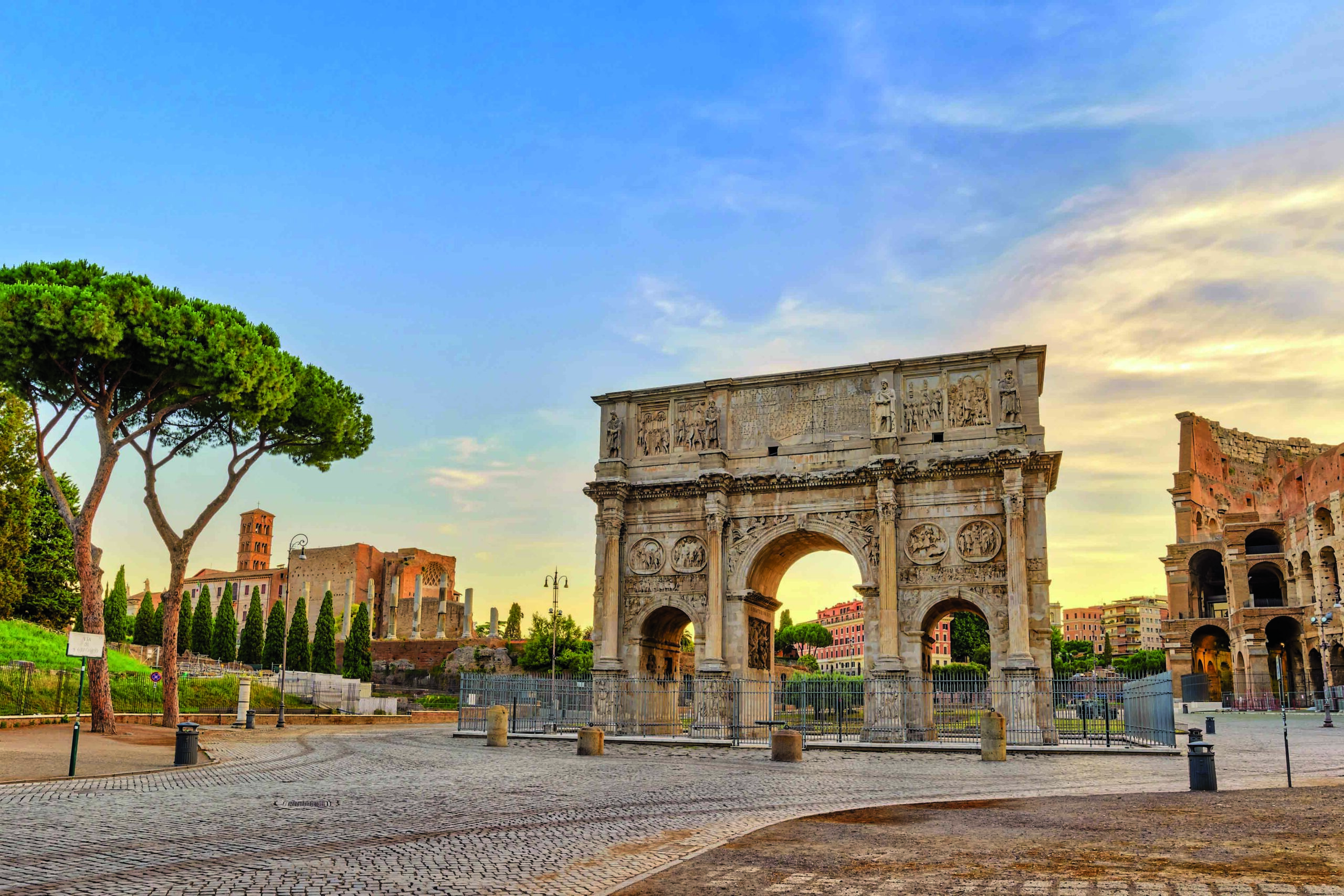
A Monumental Imperial Biography
How Constantine’s architects pieced together the past to create a new vision in the heart of Rome
-
Features March/April 2022
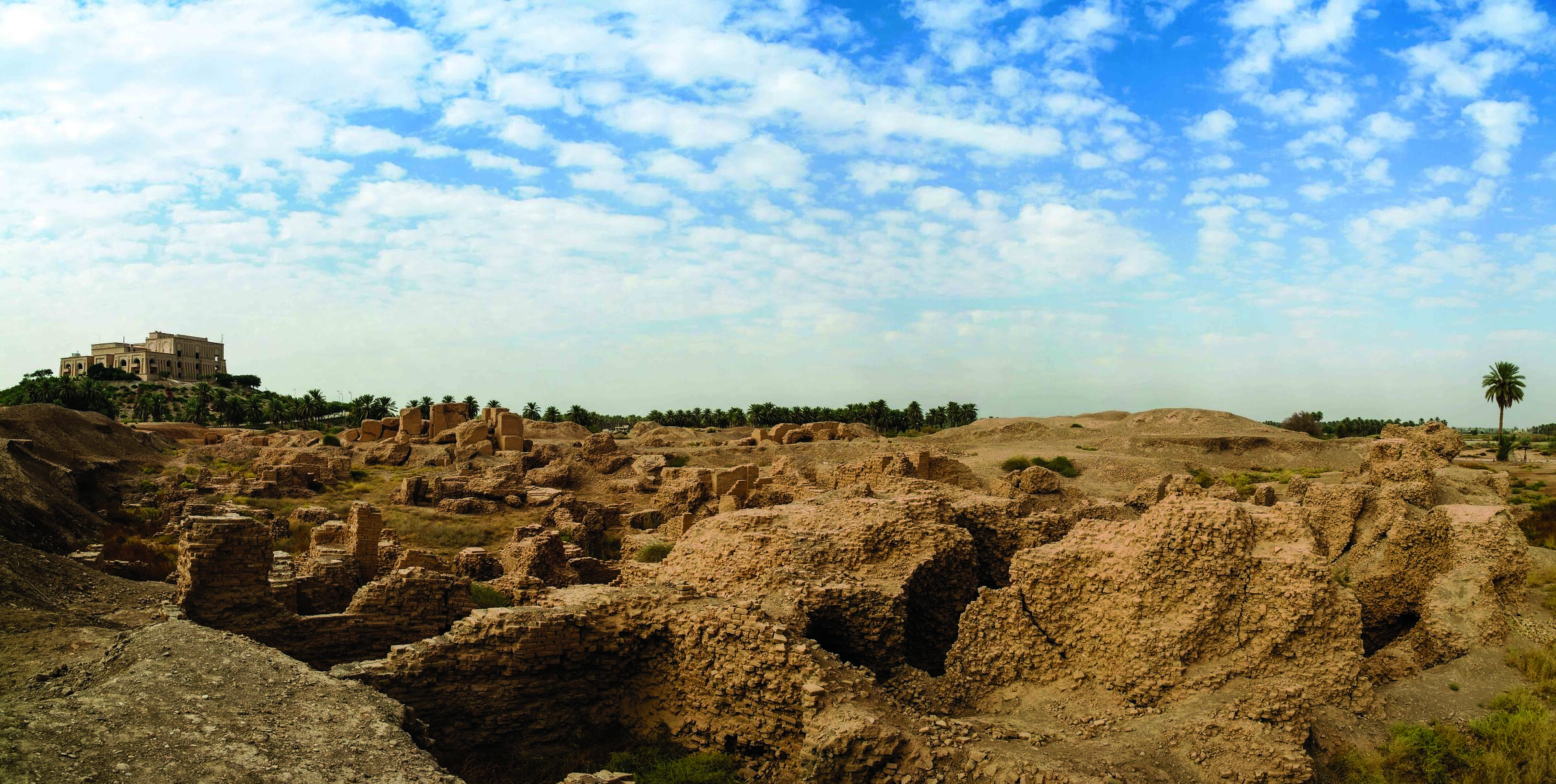
The Last King of Babylon
Investigating the reign of Mesopotamia’s most eccentric ruler
 (iStock/HomoCosmicos)
 -
Features March/April 2022
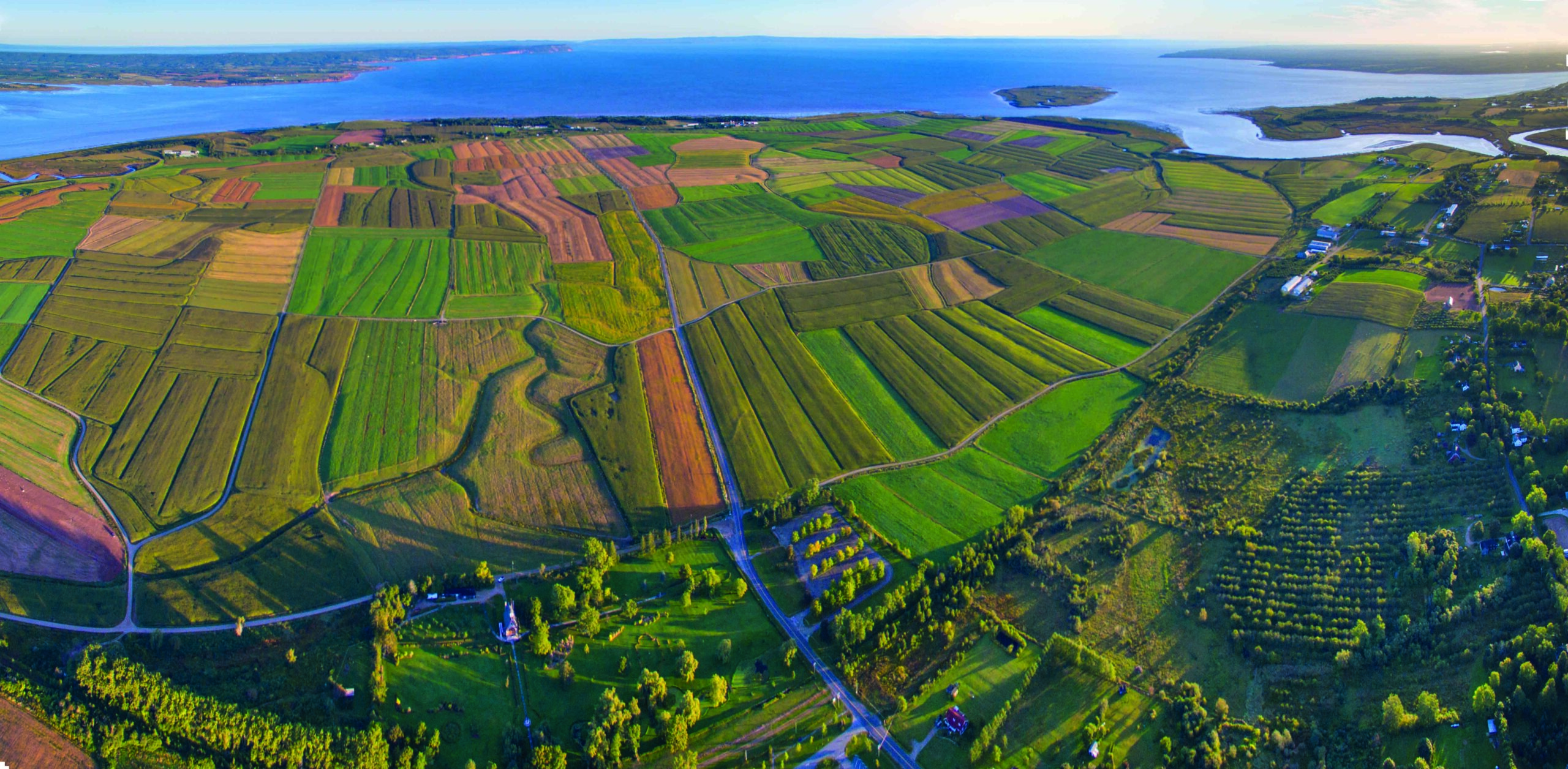
Paradise Lost
Archaeologists in Nova Scotia are uncovering evidence of thriving seventeenth-century French colonists and their brutal expulsion
 (© Jamie Robertson)
 -
Features March/April 2022
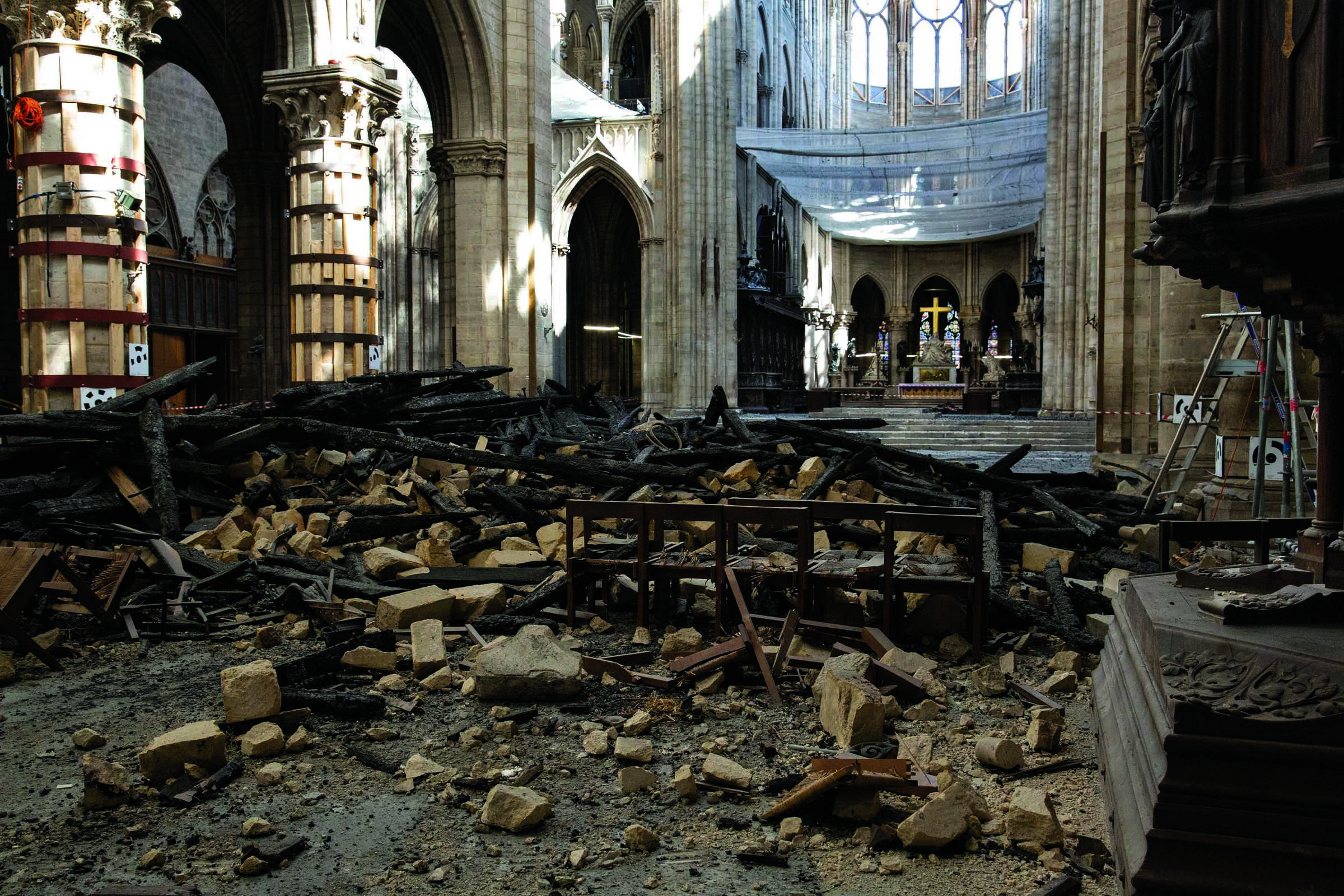
Exploring Notre Dame's Hidden Past
The devastating 2019 fire is providing an unprecedented look at the secrets of the great cathedral
 (Patrick Zachmann)
 -
Letter from Doggerland March/April 2022
Mapping a Vanished Landscape
Evidence of a lost Mesolithic world lies deep beneath the dark waters of the North Sea
 (M.J. Thomas)