

PARIS, FRANCE—The U.S. State and Interior Departments are advising members the Hopi Indians of Arizona in their effort to stop the auction of 70 Katsinam, or sacred masks, next week at the Néret-Minet auction house. Katsinam, or “friends,” are owned communally and are thought to embody divine spirits. Many of the items in the sale are more than 100 years old, and may have been taken from unattended shrines, confiscated by missionaries, or even sold by individual tribe members. “Sacred items like this should not have a commercial value. The bottom line is we believe they were taken illegally,” said Leigh J. Juwanwisiwma of the Hopi Cultural Preservation Office. The government has agreements with other nations to stop the sale of their antiquities in the U.S., but the U.S. does not have reciprocal agreements to protect American artifacts abroad.
Hopi Indians of Arizona Want to Halt Paris Sale of Artifacts
News April 5, 2013
Recommended Articles
Off the Grid September/October 2026
Xunantunich, Belize

Letter from Ireland September/October 2026
A War Between Friends
How IRA volunteers survived the Irish Civil War in a secret mountain hideout

Features September/October 2026
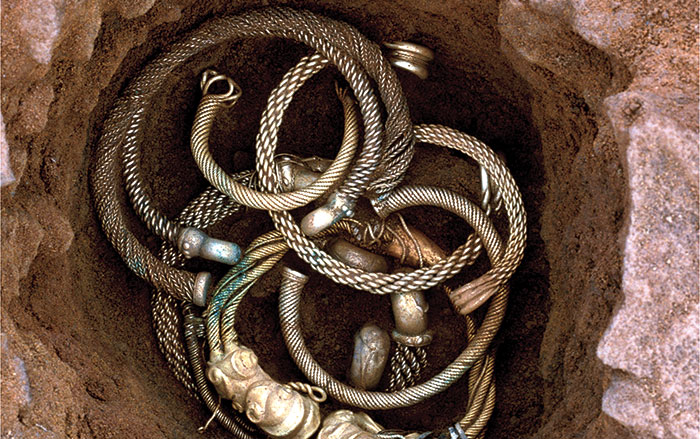
A Change in Fashion
Hoards of lavish gold and silver neck rings buried on an English hill reflect dramatic social change
Features September/October 2026
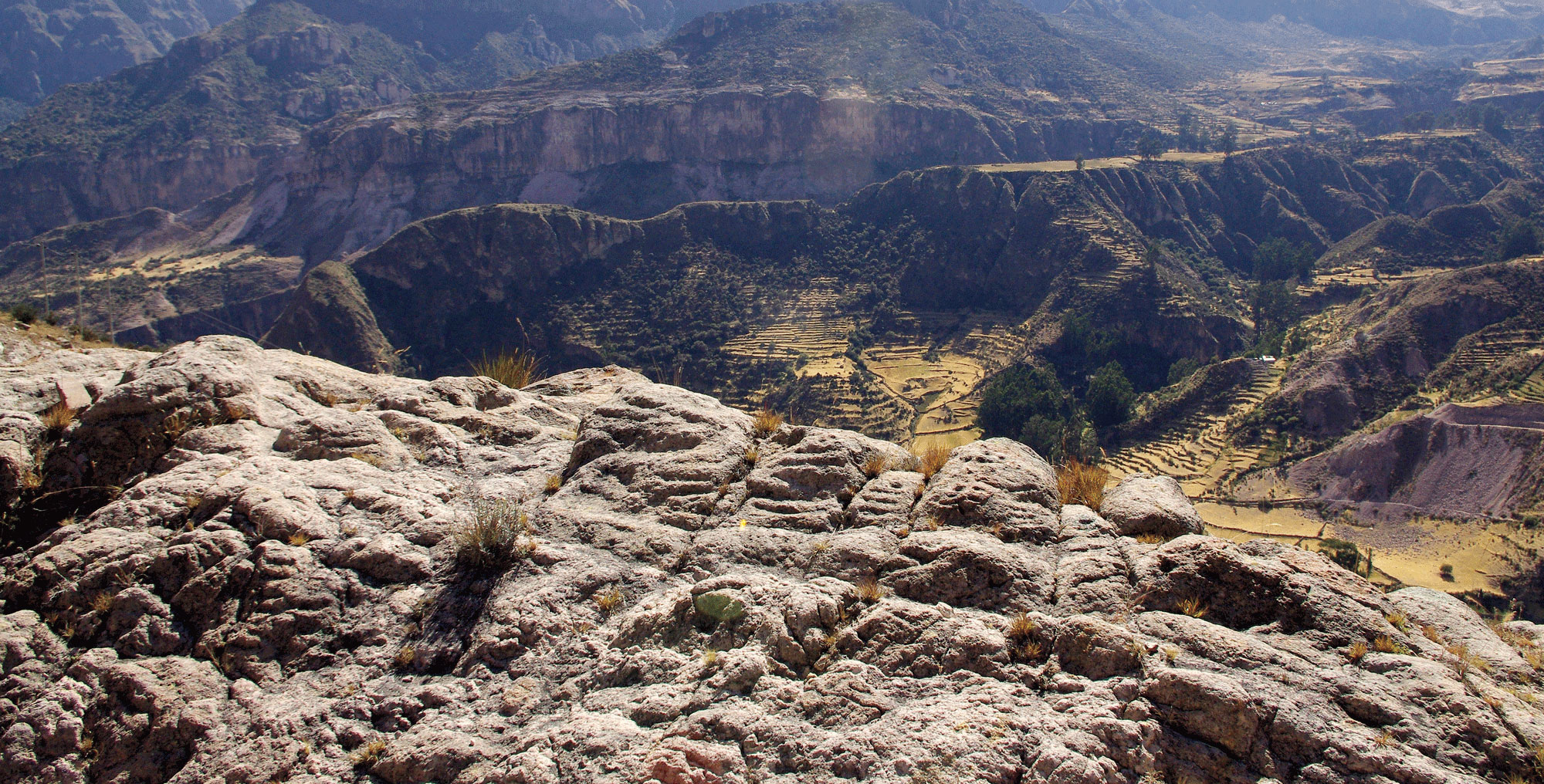
Cultivating Fields of Stone
Peru’s ancient farmers used intricate rock maps to plan for the future
More to Discover
Features March/April 2013
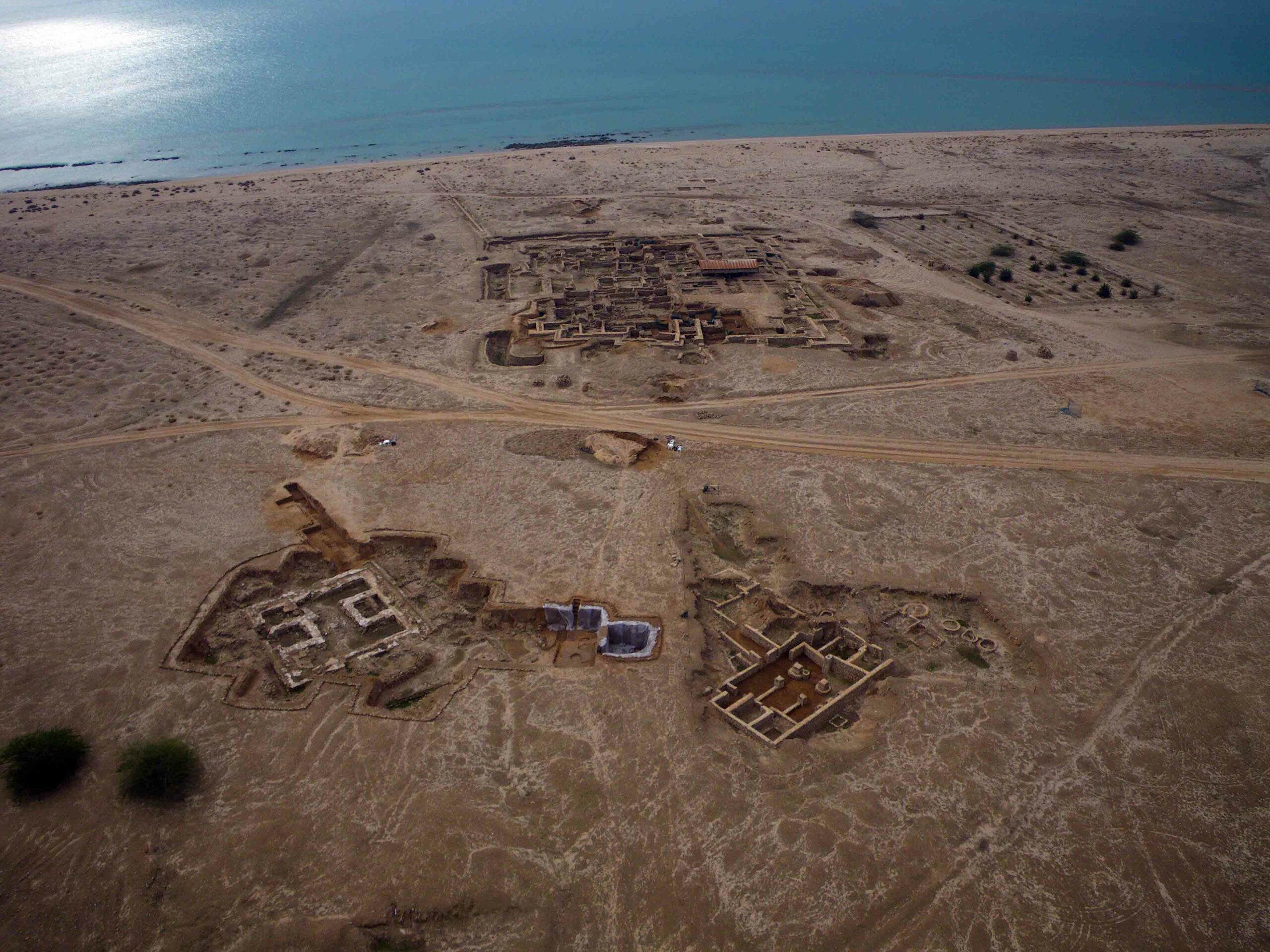
Archaeology Island
More than 4,000 years of history in only 16 square miles
-
Features March/April 2013
Pirates of the Original Panama Canal
Searching for the remains of Captain Henry Morgan's raid on Panama City
 (Courtesy Captain Morgan Rum Co.)
 -
Features March/April 2013
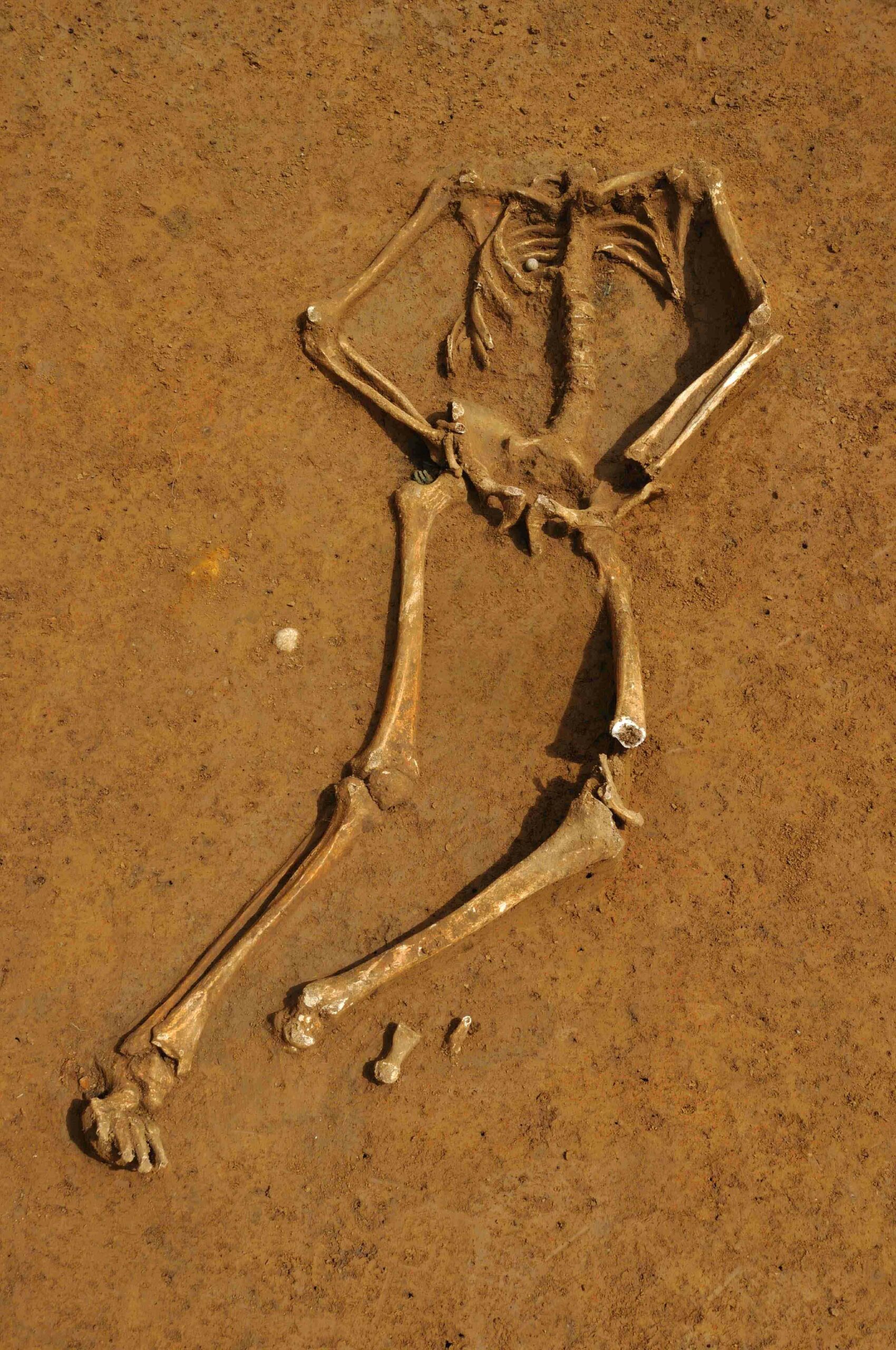
A Soldier's Story
The battle that changed European history, told through the lens of a young man’s remains
 (Courtesy Dominique Bosquet)
 -
Letter From Cambodia March/April 2013
The Battle Over Preah Vihear
A territorial dispute involving a 1,100-year-old Khmer temple on the Thai-Cambodian border turns violent
 (Masuru Goto)
 -
Artifacts March/April 2013
Pottery Cooking Balls
Scientific analyses and experimental ARCHAEOLOGY determine that mysterious, 1,000-year-old balls of clay found at Yucatán site were used in cooking
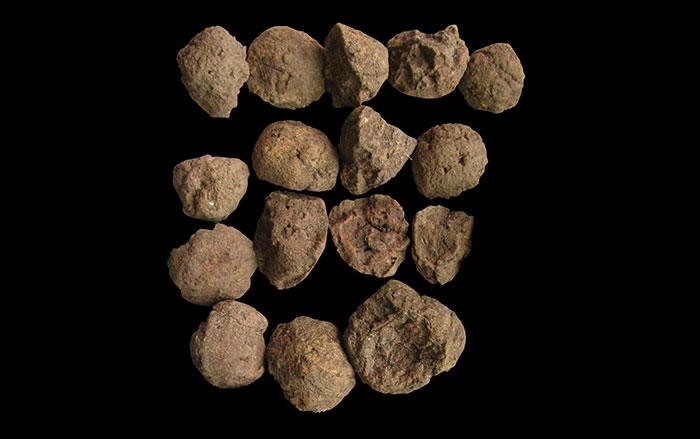 (Courtesy Bolonchen Regional Archaeological Project)