

NEW YORK CITY, NEW YORK—The Metropolitan Museum of Art has agreed to repatriate to Cambodia two life-size, tenth-century statues known as “The Kneeling Attendants,” based upon evidence suggesting that the statues had been looted from the Koh Ker temple complex during Cambodia’s civil war. Witnesses place the statues at the temple complex as late as 1970, and officials at the museum were presented with photographs of the statues’ broken-off bases, which remain in situ. The Met received the statues as two heads and two torsos as separate gifts between 1987 and 1992. “This is a case in which additional information regarding the Kneeling Attendants has led the museum to consider facts that were not known at the time of the acquisition and to take the action we are announcing today,” Thomas P. Campbell, director of the Metropolitan Museum, said last Friday.
Museum Will Return Khmer Statues to Cambodia
News May 6, 2013
Recommended Articles
Off the Grid November/December 2026
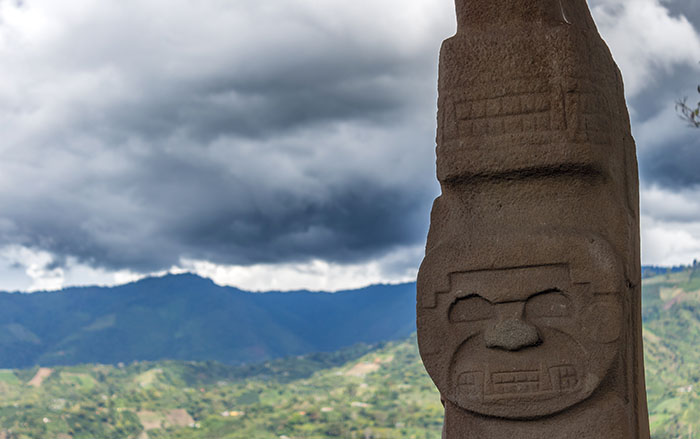
San Agustín, Colombia
Letter from Cape Canaveral November/December 2026
Dawn of the Space Age
Archaeologists have made surprising discoveries spanning 3,000 years at the birthplace of American space exploration

Features November/December 2026
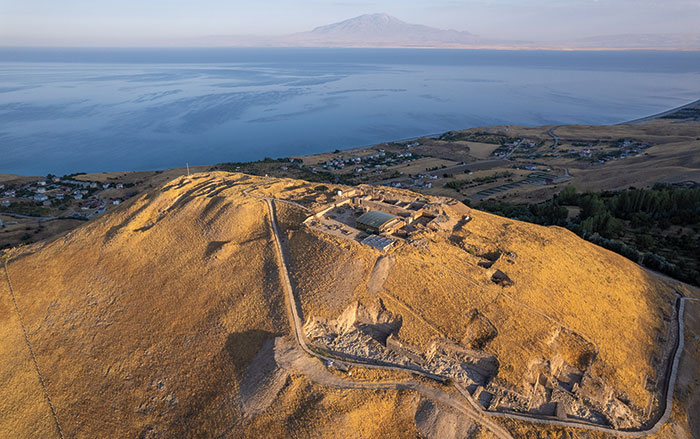
Kingdom of Fortresses
How diverse and far-flung Iron Age chiefdoms united to challenge the Assyrian Empire
Features November/December 2026
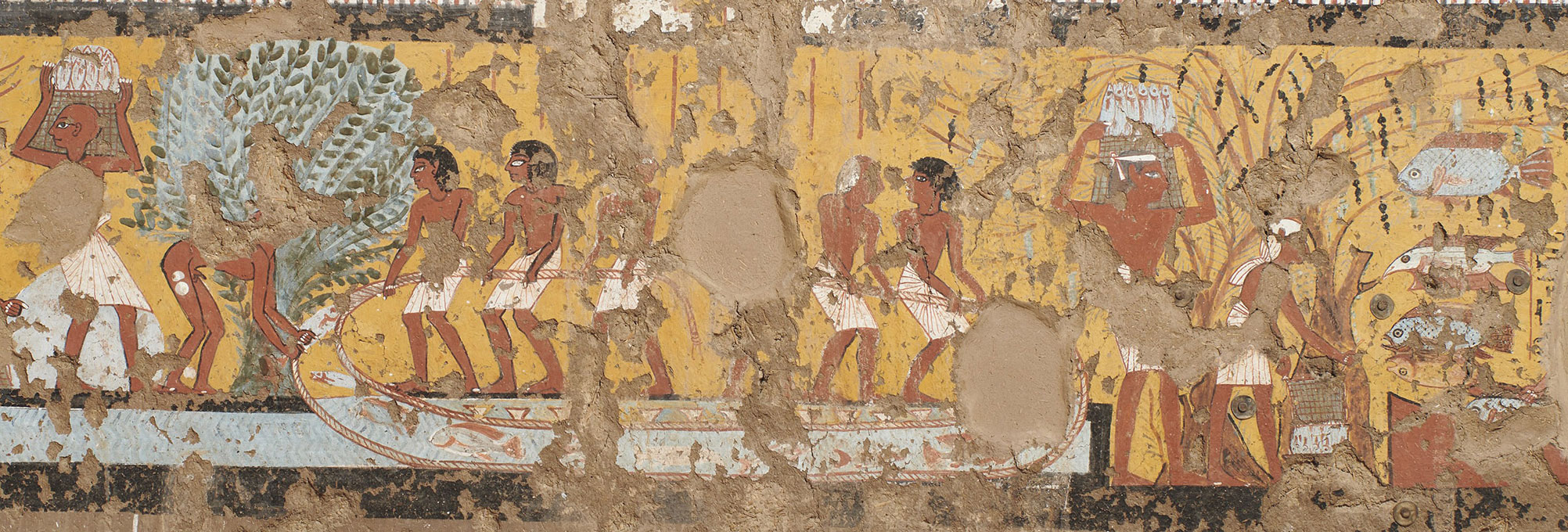
A Tomb of One's Own
Life behind the scenes in Egypt’s Valley of the Kings
More to Discover
Features March/April 2013
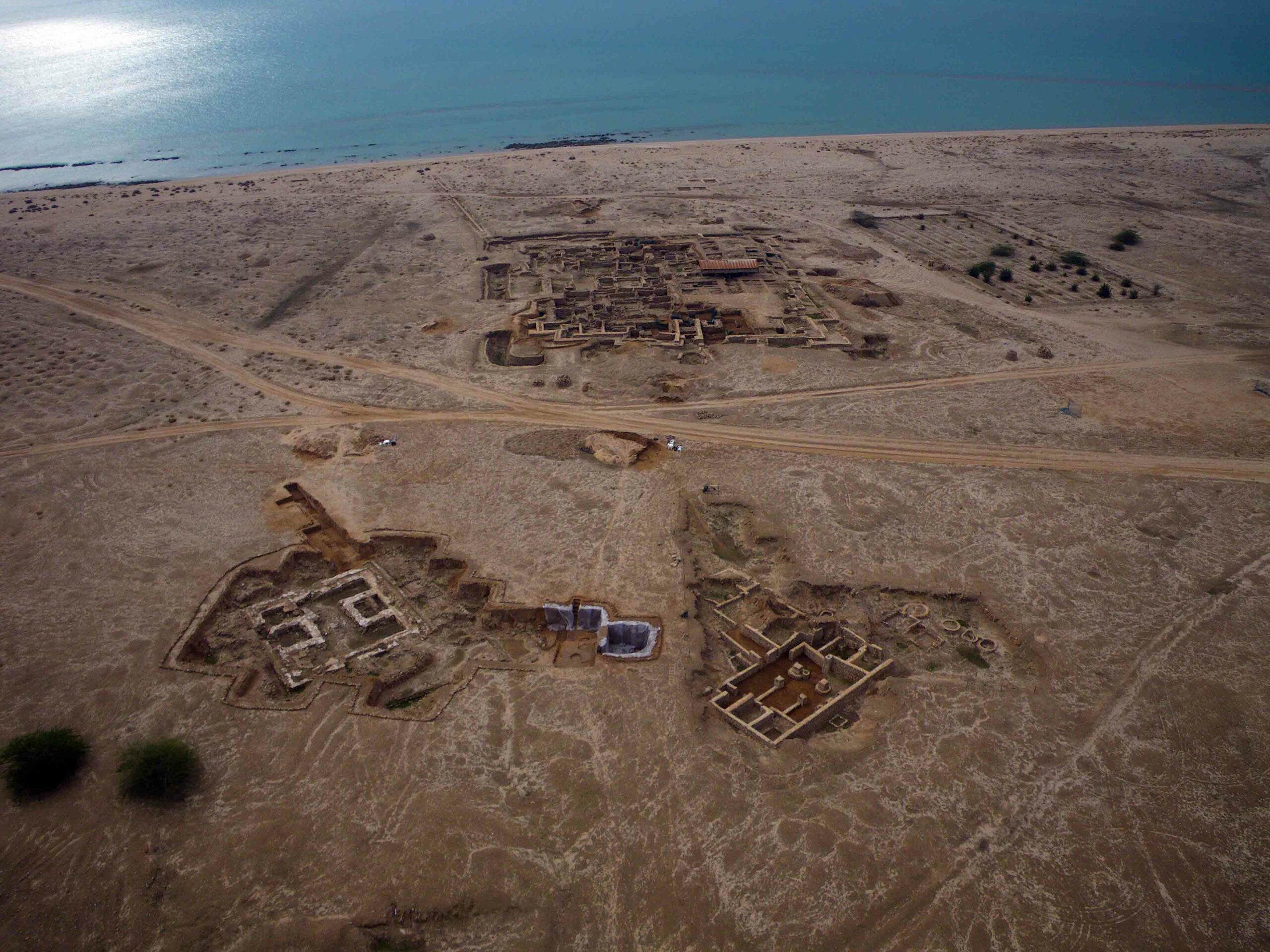
Archaeology Island
More than 4,000 years of history in only 16 square miles
-
Features March/April 2013
Pirates of the Original Panama Canal
Searching for the remains of Captain Henry Morgan's raid on Panama City
 (Courtesy Captain Morgan Rum Co.)
 -
Features March/April 2013
A Soldier's Story
The battle that changed European history, told through the lens of a young man’s remains
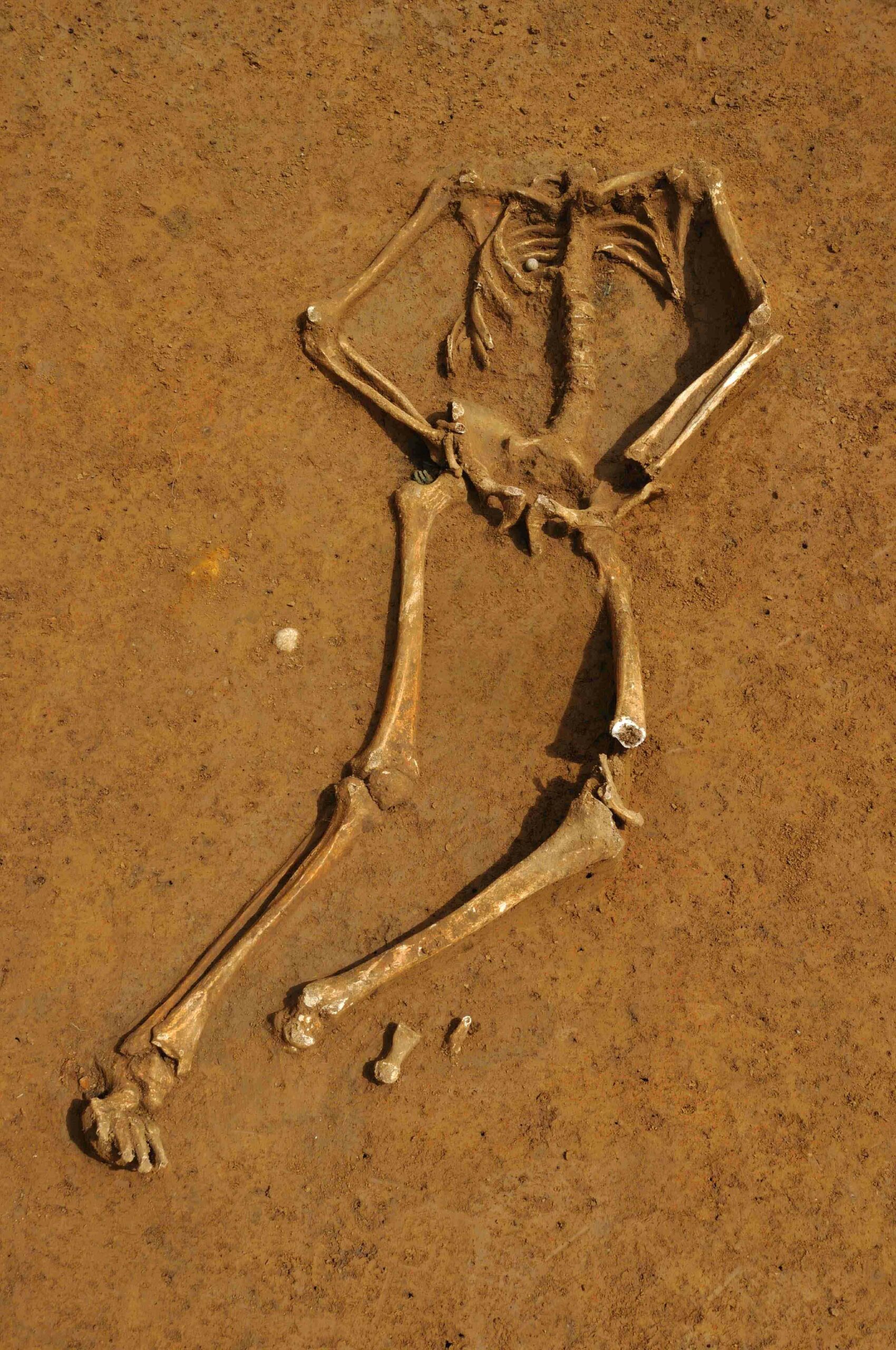 (Courtesy Dominique Bosquet)
 -
Letter From Cambodia March/April 2013
The Battle Over Preah Vihear
A territorial dispute involving a 1,100-year-old Khmer temple on the Thai-Cambodian border turns violent
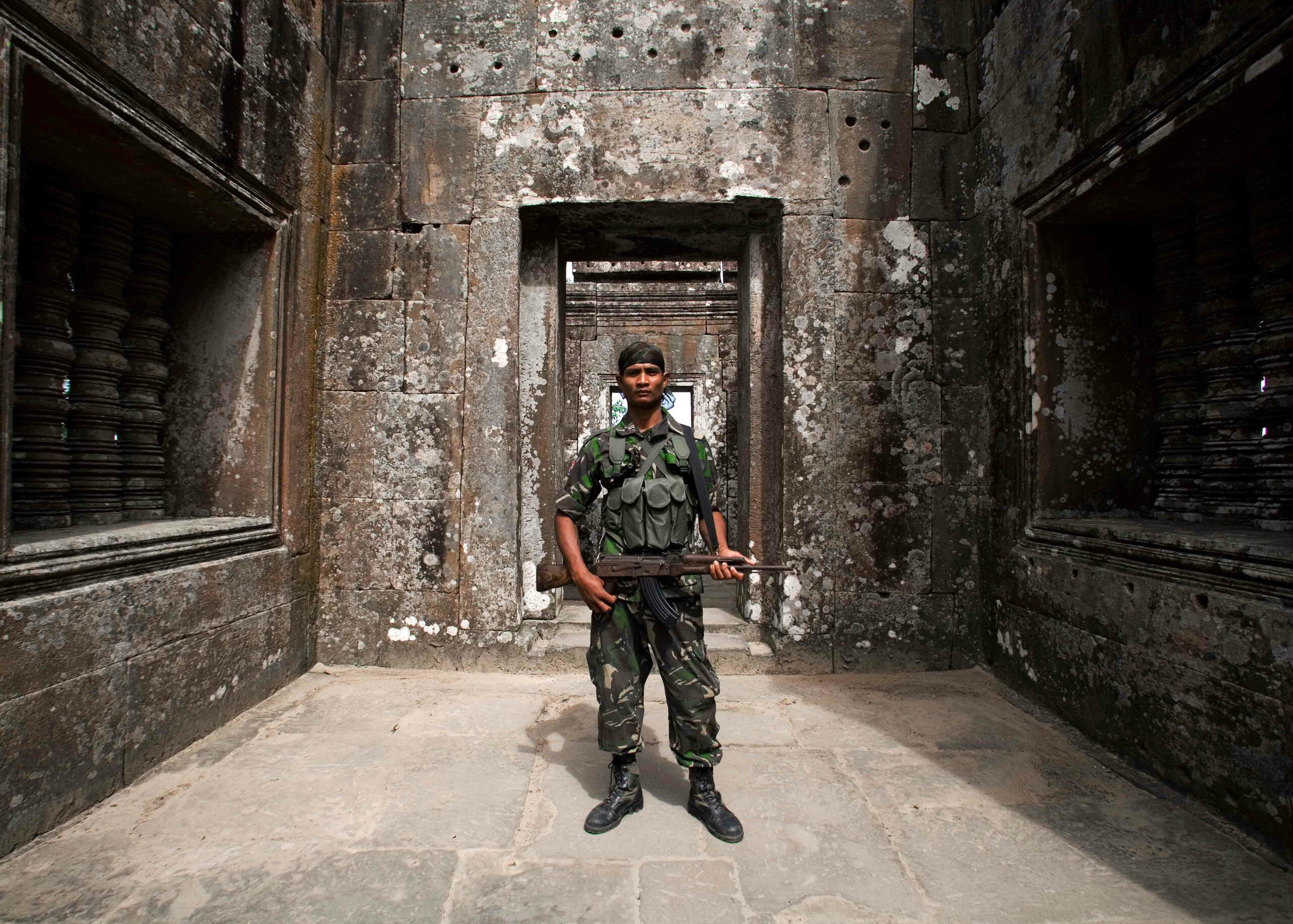 (Masuru Goto)
 -
Artifacts March/April 2013
Pottery Cooking Balls
Scientific analyses and experimental ARCHAEOLOGY determine that mysterious, 1,000-year-old balls of clay found at Yucatán site were used in cooking
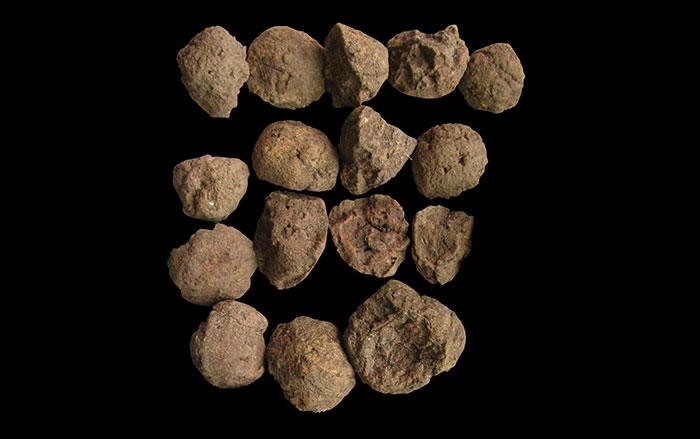 (Courtesy Bolonchen Regional Archaeological Project)