AKHMIM, EGYPT—Six years ago, a colossal sculpture of the head of Ramses II was unearthed in the cemetery of the town of Akhmim. Further investigation revealed that the area could be the site of a temple dedicated to Ramses II, which was described by the Greek historian Herodotus as being larger than the Karnak temple complex. The residents of Akhmim were ordered to stop burying their dead in the cemetery in order to protect the archaeological site, and some of the modern tombs were relocated, but since the revolution of 2011, the cemetery has become a garbage dump. Now, the Ministry of State of Antiquities has moved the sculpture and additional artifacts into storage for protection. Guards are also said to be patrolling the site.
Colossal Head of Ramses II Placed in Storage in Upper Egypt
News May 13, 2013
Recommended Articles
Features July/August 2026
Egypt's First Queen
How a trailblazing ruler pulled her realm back from the brink
Features July/August 2026
Secrets of the Serpent
Is a Native American origin story embedded in Ohio’s colossal earthwork?
Features July/August 2026
Slinging Insults
Greek and Roman soldiers fired pointed barbs at their enemies
Features July/August 2026
Inside Africa’s Houses of Stone
Archaeologists are rethinking how kings shared power beyond the great capitals of medieval Zimbabwe
-
Features March/April 2013
Pirates of the Original Panama Canal
Searching for the remains of Captain Henry Morgan's raid on Panama City
(Courtesy Captain Morgan Rum Co.) -
Features March/April 2013
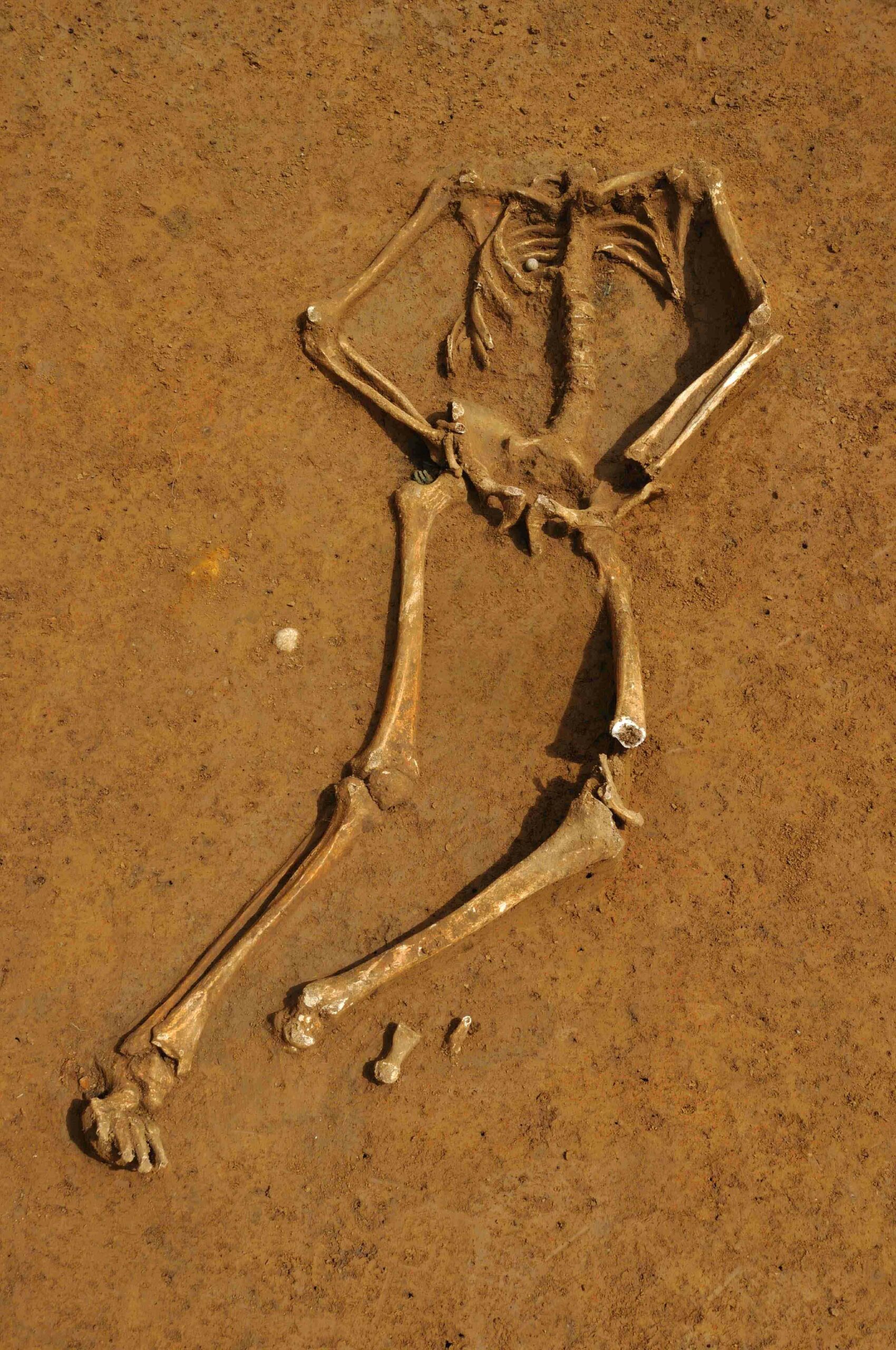
A Soldier's Story
The battle that changed European history, told through the lens of a young man’s remains
(Courtesy Dominique Bosquet) -
Letter From Cambodia March/April 2013
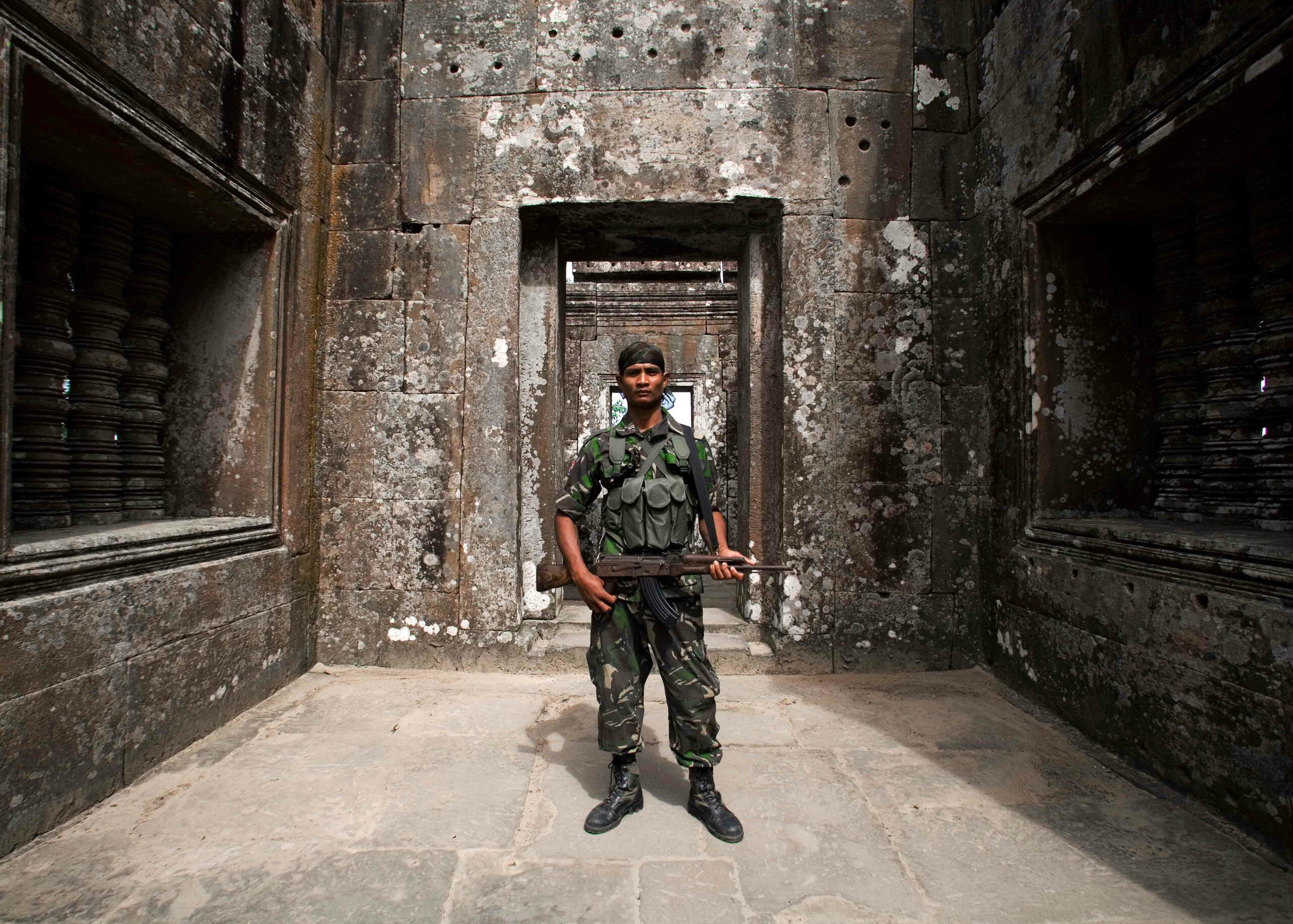
The Battle Over Preah Vihear
A territorial dispute involving a 1,100-year-old Khmer temple on the Thai-Cambodian border turns violent
(Masuru Goto) -
Artifacts March/April 2013
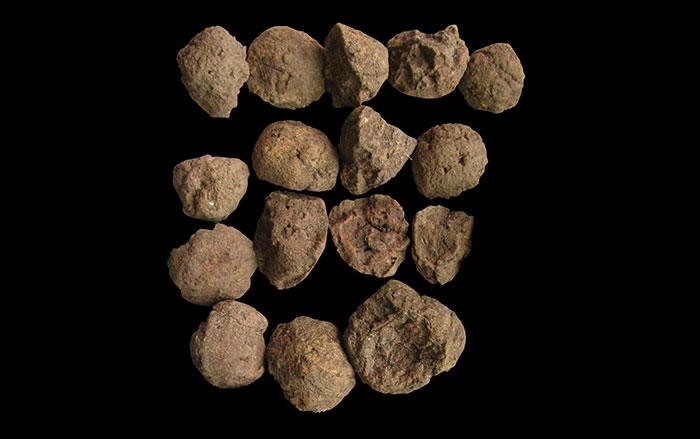
Pottery Cooking Balls
Scientific analyses and experimental ARCHAEOLOGY determine that mysterious, 1,000-year-old balls of clay found at Yucatán site were used in cooking
(Courtesy Bolonchen Regional Archaeological Project)