
QUEENSLAND, AUSTRALIA—Archaeologist Corey O’Driscoll has developed a method of determining if wounds on bones were made by spears thrown from a distance. Indirect evidence from examining stone point, suggests that humans living in Africa began hurling weapons as early as 500,000 years ago, but this evidence is often disputed. To solve this problem, O’Driscoll and a colleague knapped flint spear and arrow points modeled after Middle Stone Age technology from Africa. They then threw the replica spears and fired the replica arrows at lamb and cow carcasses, defleshed the bones, and compared the marks on the bones with a reference collection of butchered animal bones. O’Driscoll found that the butchering marks and the projectile impact marks have clear differences when viewed with a microscope, including traces of stone left in the projectile point wounds. He and Jessica Thompson of the University of Queensland then examined three animal bones from Pinnacle Point Cave in South Africa. Using the new diagnostic criteria, they identified projectile impact marks on all three bones, two of which are between 91,000 and 98,000 years old—the oldest direct evidence for the use of projectile weapons.
Direct Evidence: Projectiles are at Least 90,000 Years Old
News May 20, 2013
Recommended Articles
Off the Grid November/December 2026
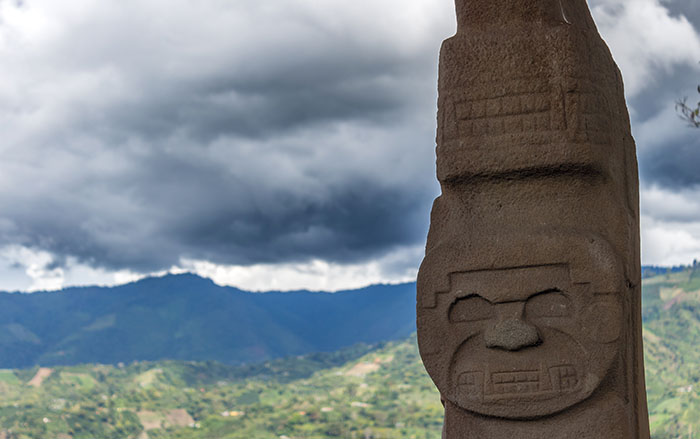
San Agustín, Colombia
Archaeologists are finally deciphering the mystery megaliths of a vanished Andean people
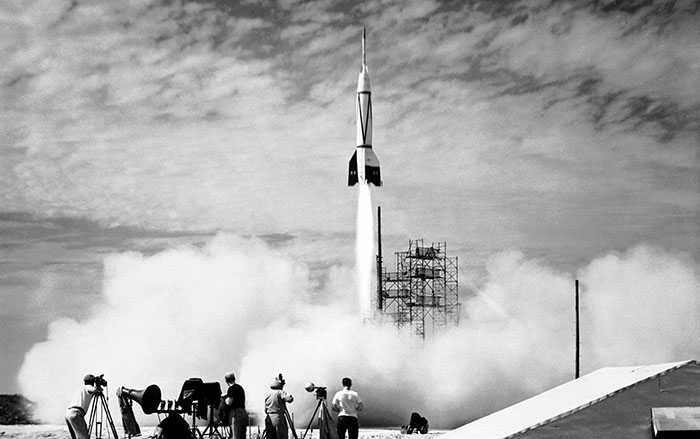
Letter from Cape Canaveral November/December 2026
Dawn of the Space Age
Archaeologists have made surprising discoveries spanning 3,000 years at the birthplace of American space exploration
Features November/December 2026
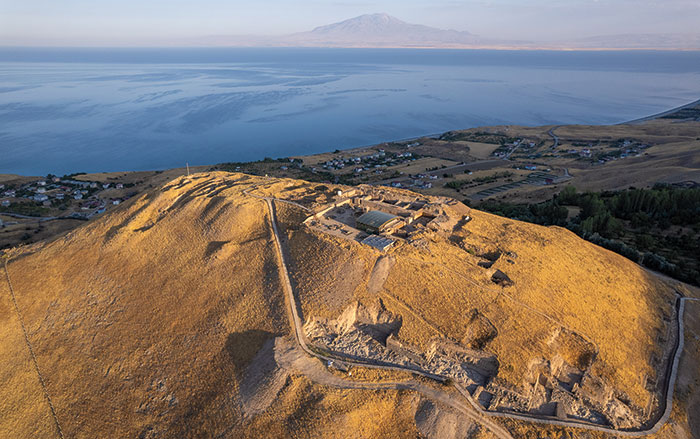
Kingdom of Fortresses
How diverse and far-flung Iron Age chiefdoms united to challenge the Assyrian Empire
Features November/December 2026
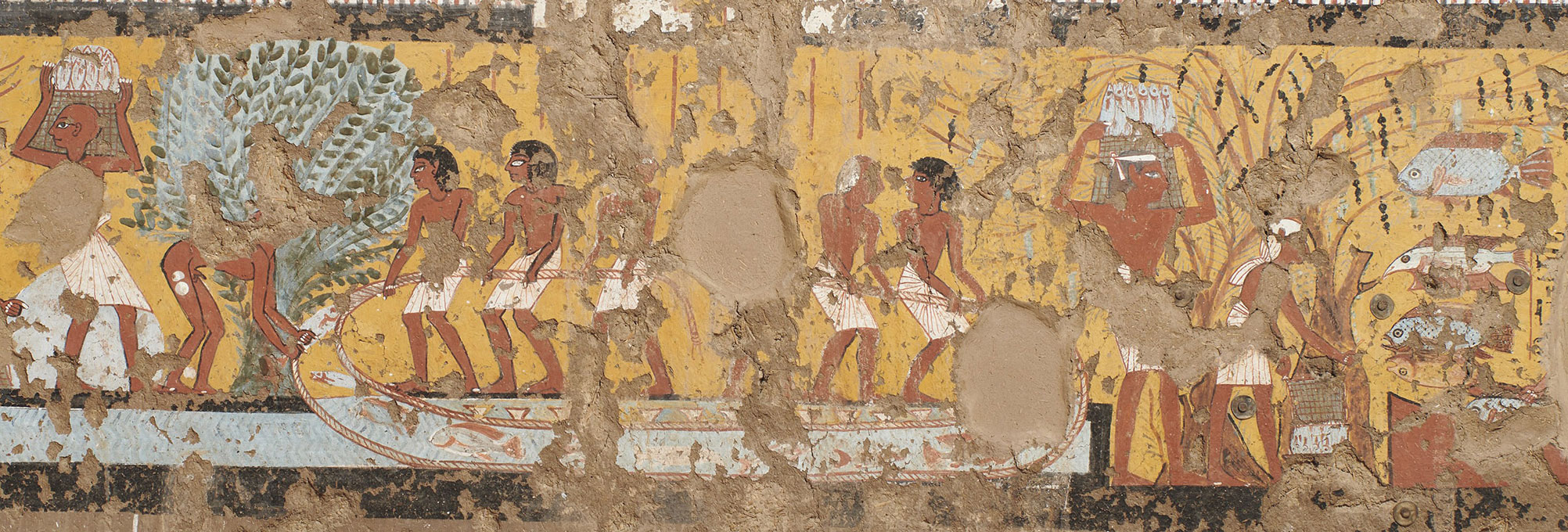
A Tomb of One’s Own
Life behind the scenes in Egypt’s Valley of the Kings
More to Discover
Features March/April 2013
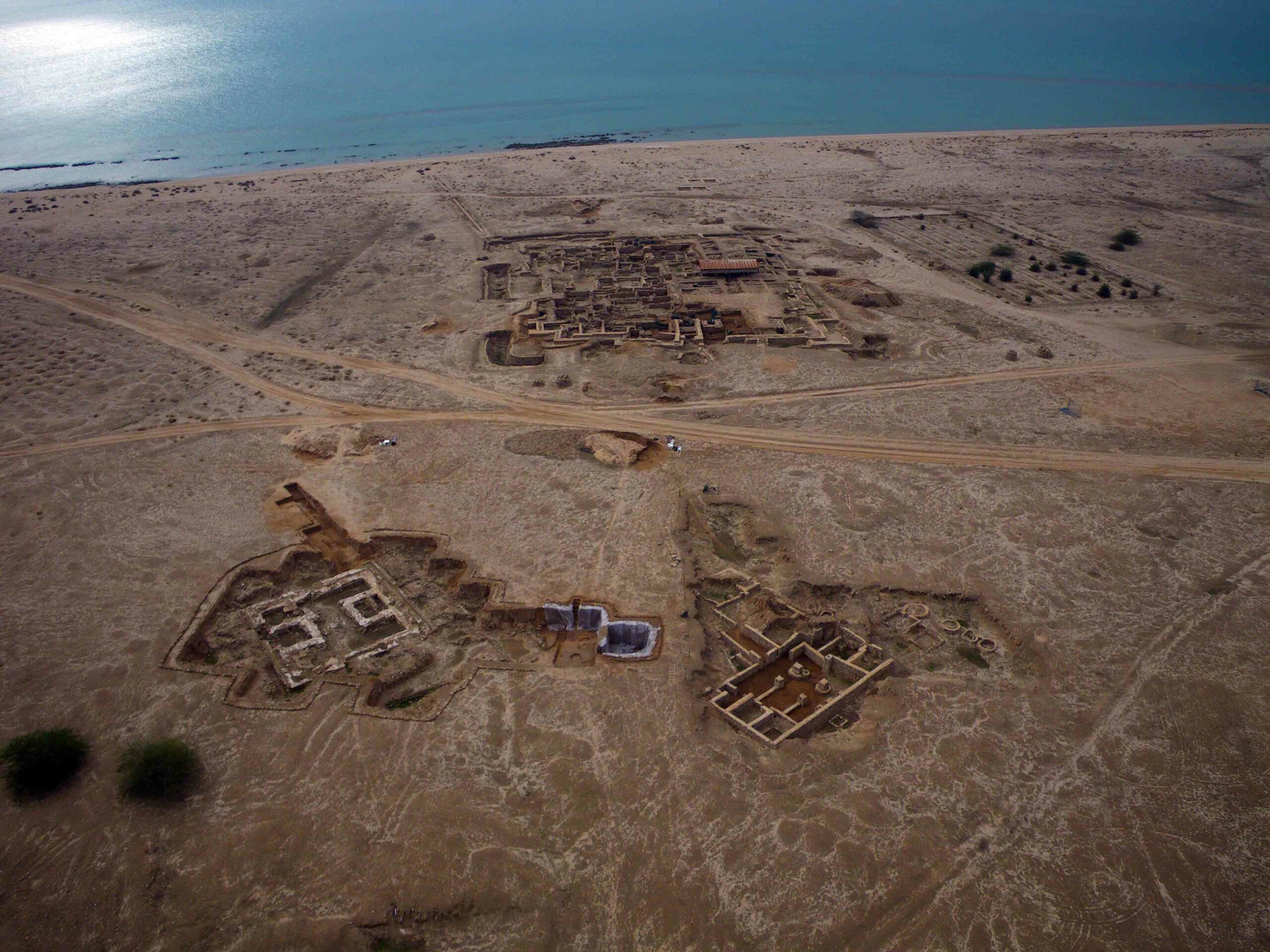
Archaeology Island
More than 4,000 years of history in only 16 square miles
-
Features March/April 2013
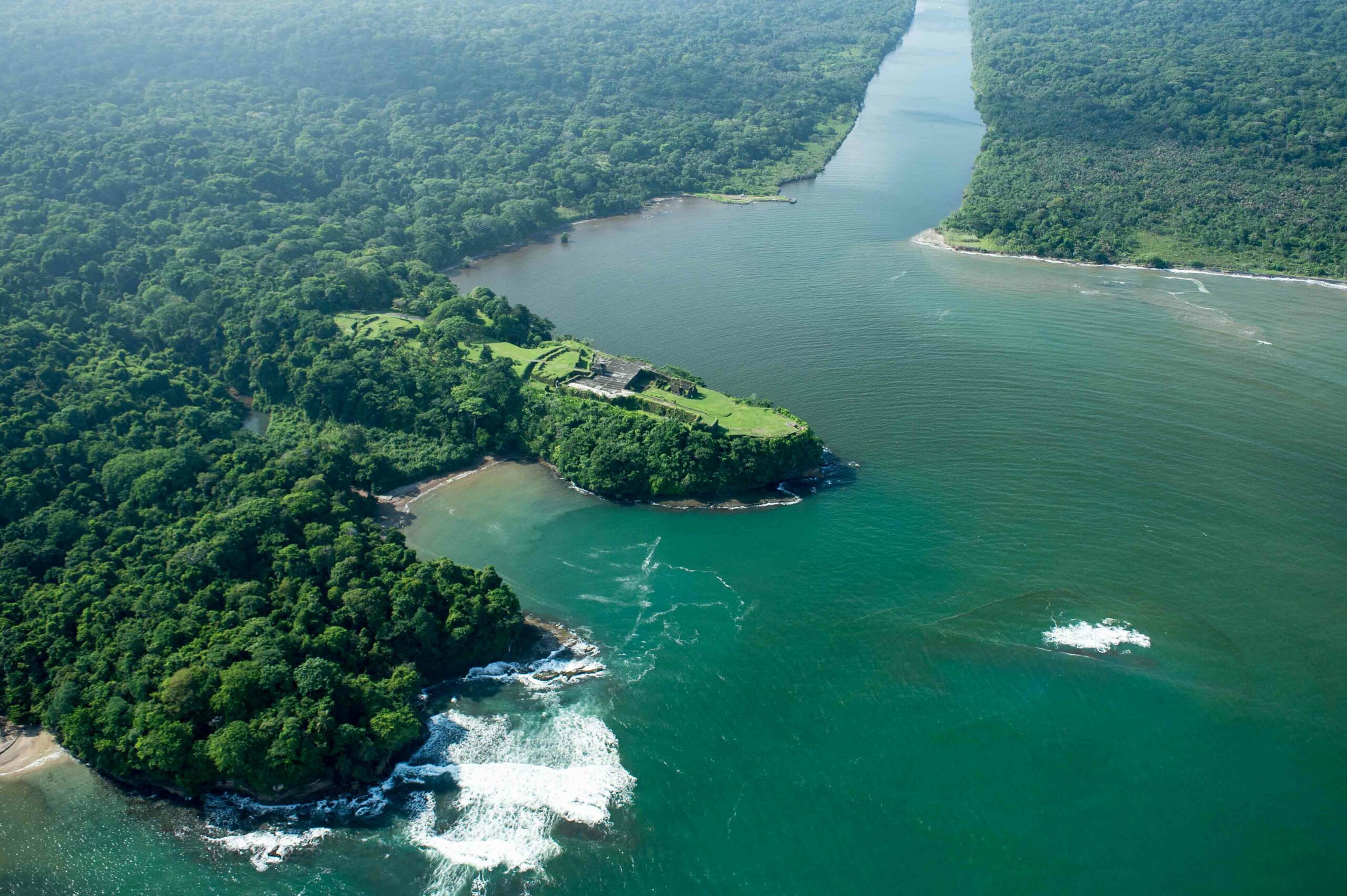
Pirates of the Original Panama Canal
Searching for the remains of Captain Henry Morgan's raid on Panama City
 (Courtesy Captain Morgan Rum Co.)
-
Features March/April 2013
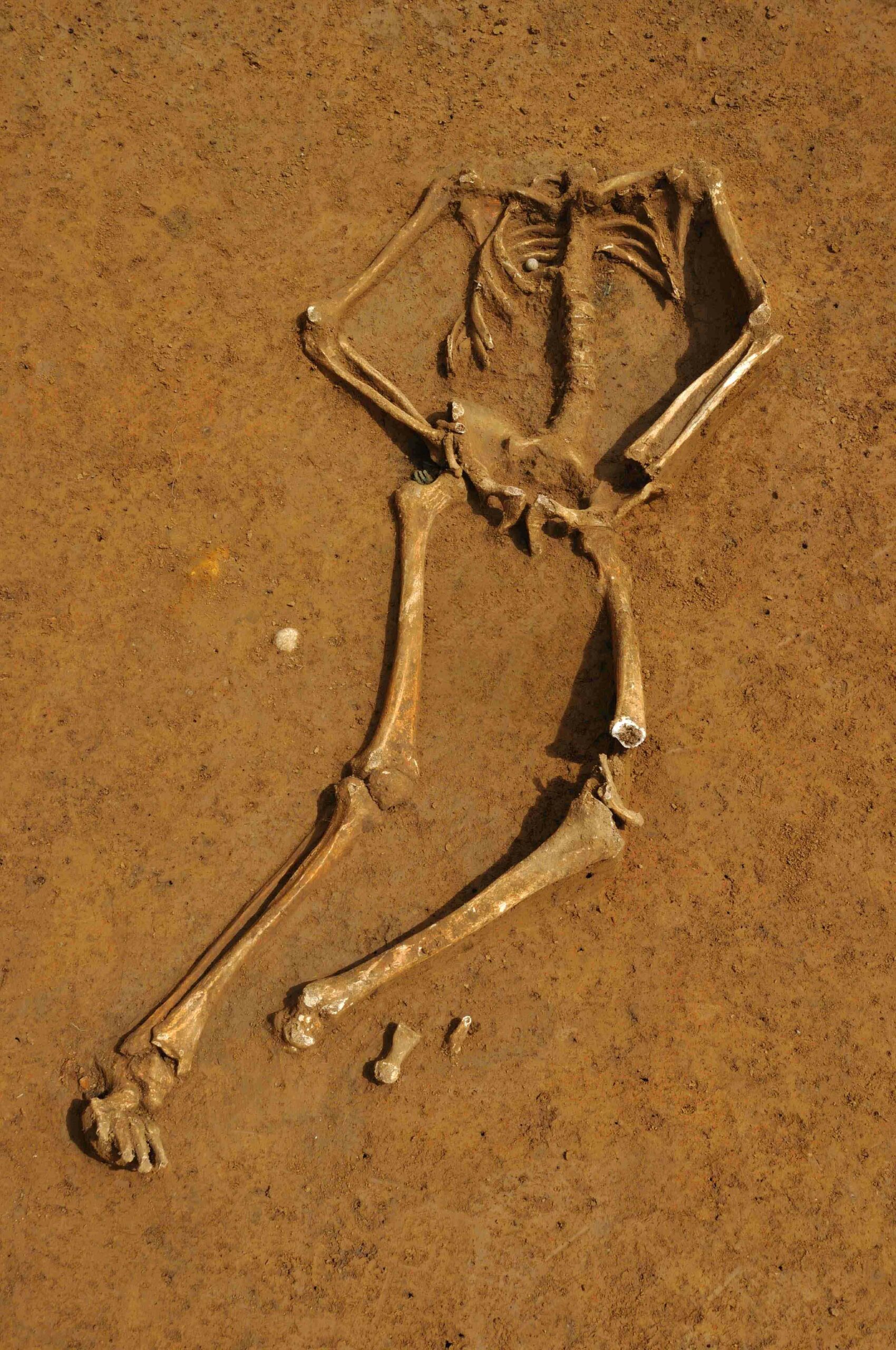
A Soldier's Story
The battle that changed European history, told through the lens of a young man’s remains
 (Courtesy Dominique Bosquet)
-
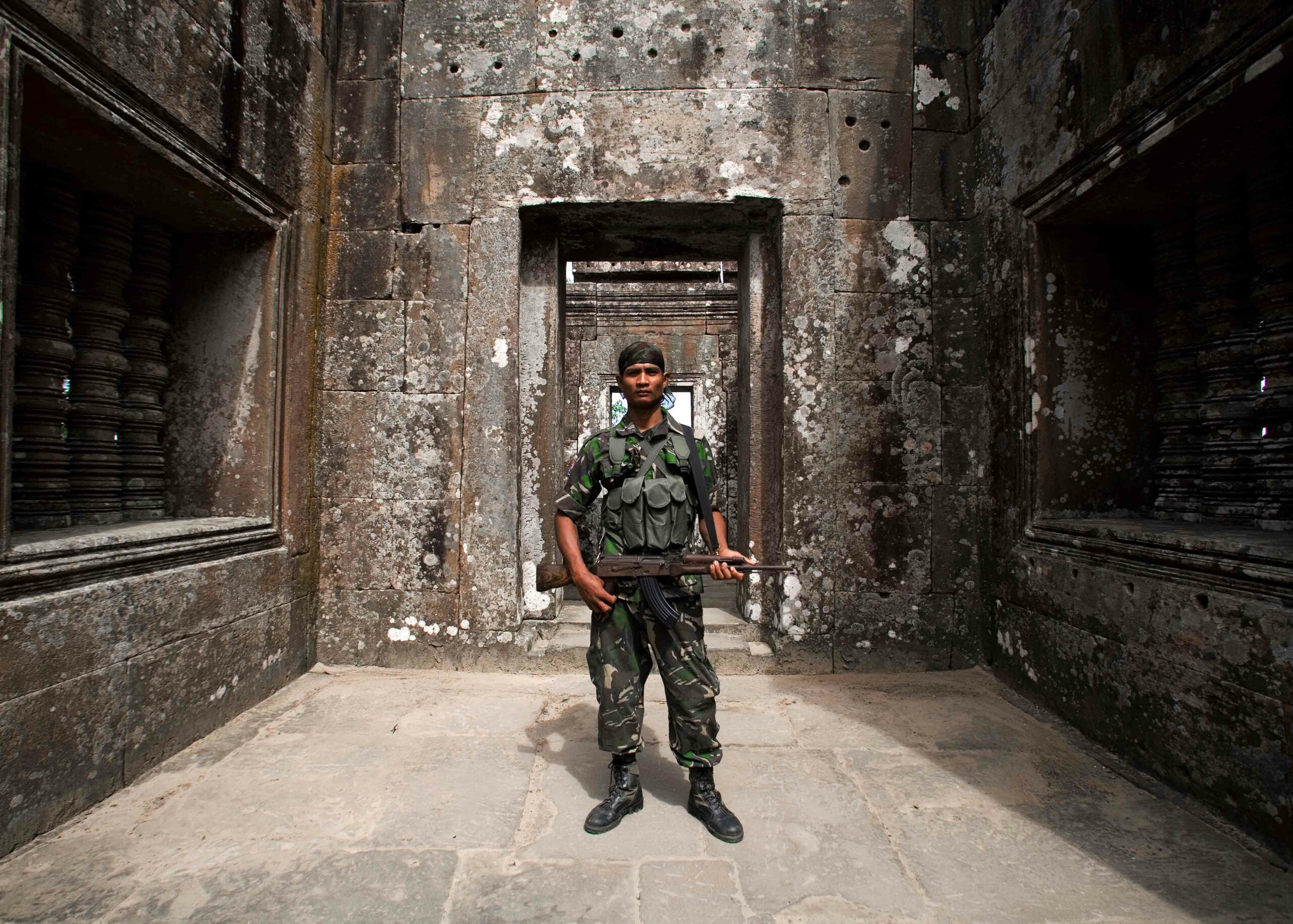
Letter From Cambodia March/April 2013
The Battle Over Preah Vihear
A territorial dispute involving a 1,100-year-old Khmer temple on the Thai-Cambodian border turns violent
 (Masuru Goto)
-
Artifacts March/April 2013
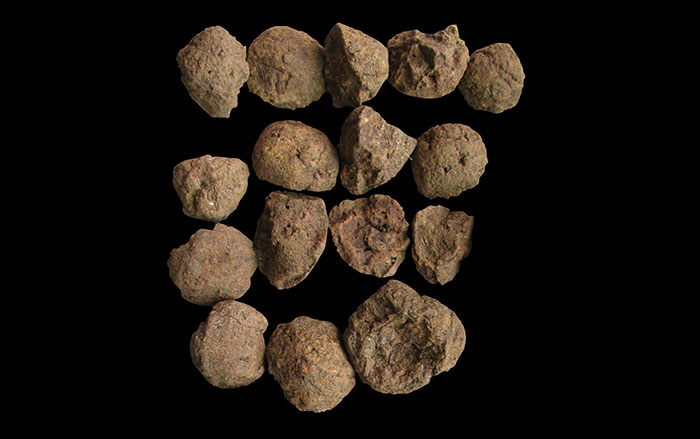
Pottery Cooking Balls
Scientific analyses and experimental ARCHAEOLOGY determine that mysterious, 1,000-year-old balls of clay found at Yucatán site were used in cooking
 (Courtesy Bolonchen Regional Archaeological Project)