STONY BROOK, NEW YORK—The invention of the bow and arrow triggered the growth of increased levels of social complexity wherever it was adopted, according to biologists Paul Bingham and Joanne Souza of Stony Brook University. They argue that the technological revolution of the bow and arrow gave social groups a safe and effective way to coerce uncooperative individuals into compliance, or to encourage them to leave. A review of archaeological data in North America by John Blitz and Eric Porth of the University of Alabama supports this “social-coercion hypothesis.” They say the invention of the bow made hunters and warriors more efficient, and eventually led to population increases and the metropolises of the Mississippian era.

How Bow & Arrow Technology Changed the World
News August 6, 2013
Recommended Articles
Off the Grid September/October 2026
Xunantunich, Belize
Letter from Ireland September/October 2026
A War Between Friends
How IRA volunteers survived the Irish Civil War in a secret mountain hideout
Features September/October 2026
A Change in Fashion
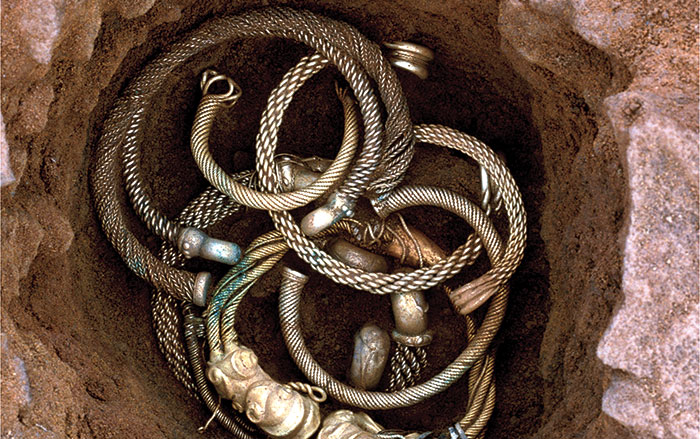
Hoards of lavish gold and silver neck rings buried on an English hill reflect dramatic social change
Features September/October 2026
Cultivating Fields of Stone
Peru’s ancient farmers used intricate rock maps to plan for the future
-
Features July/August 2013
The First Vikings
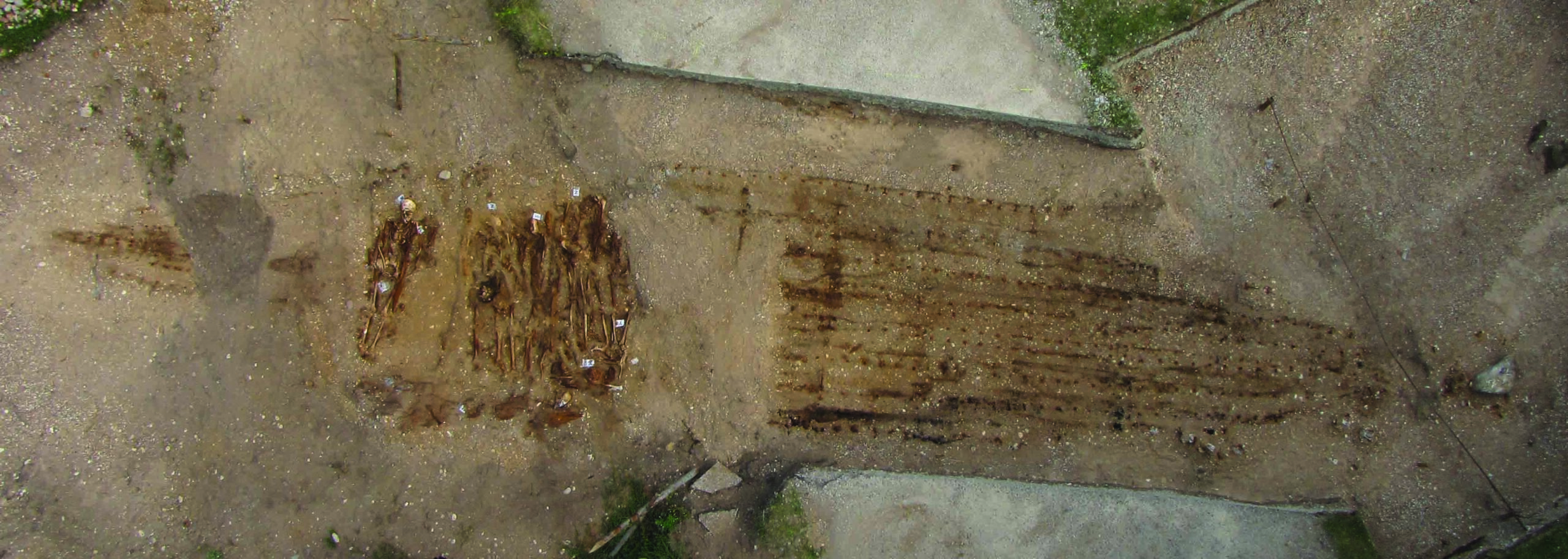
Two remarkable ships may show that the Viking storm was brewing long before their assault on England and the continent
Courtesy Liina Maldre, University of Tallinn -
Features July/August 2013
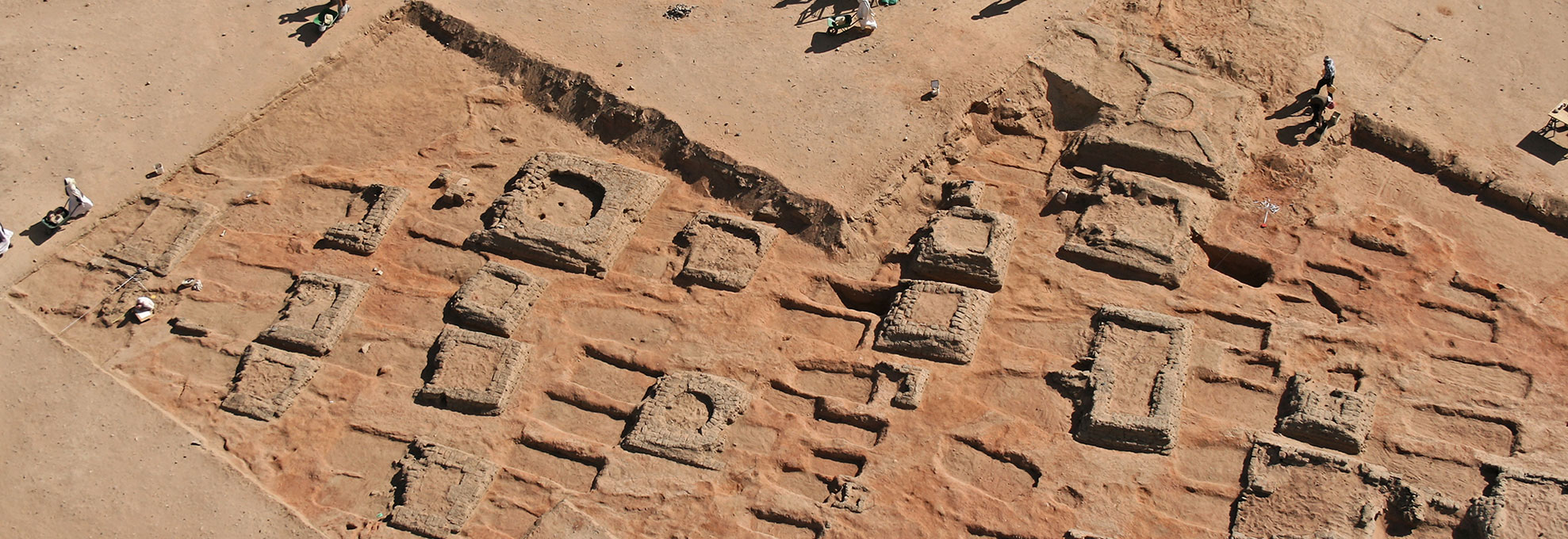
Miniature Pyramids of Sudan
Archaeologists excavating on the banks of the Nile have uncovered a necropolis where hundreds of small pyramids once stood
(Courtesy B-N Chagny, SEDAU/SFDAS) -
Letter from China July/August 2013
Tomb Raider Chronicles
Looting reaches across the centuries—and modern China’s economic strata
(Courtesy Lauren Hilgers, Photo: Anonymous) -
Artifacts July/August 2013
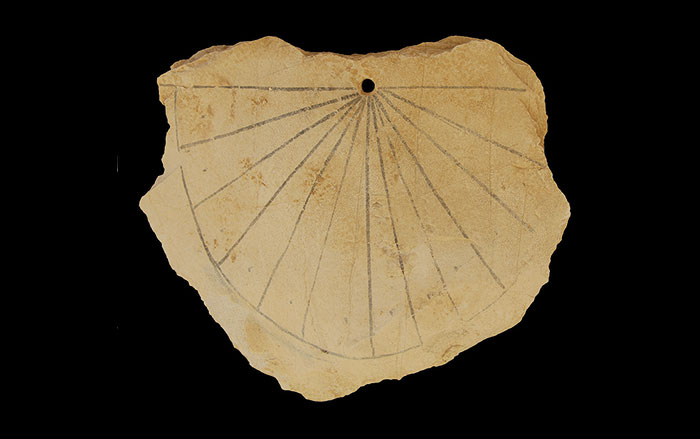
Ancient Egyptian Sundial
A 13th-century limestone sundial is one of the earliest timekeeping devices discovered in Egypt
(© The Trustees of the British Museum/Art Resource, NY)