

CAMBRIDGE, ENGLAND—Teams of scientists have been analyzing skeletal material of people who lived in the Sahara Desert and other parts of Africa as long as 8,000 years ago. Ronika Power and Marta Mirazon Lahr of the Leverhulme Center for Human Evolutionary Studies at Cambridge University, and Tamsin O’Connell from the McDonald Institute for Archaeological Research are focusing on individuals who lived in pre-Dynastic Egypt. David Mattingly of the University of Leicester is studying skeletons from the farmers and traders of the Garamantes civilization, who lived in the Sahara from 1000 B.C. to 1500 A.D. Isotope levels from tooth enamel indicate where an individual grew up, and isotopes from bones reveal where a person had been living in the last ten years before death. “Discontinuities between what the teeth tell us and what the bones tell us may provide evidence that the individual migrated. This in turn opens up questions about the interconnectedness of peoples—the movement of individuals, ideas, knowledge, and material culture at very early stages of civilization,” Power told Phys.org. “Did they adopt the customs of their hosts or did they maintain their immigrant identity?” she asked.
Human Remains Offer New Information on Ancient Lives
News March 27, 2014
Recommended Articles
Off the Grid September/October 2026
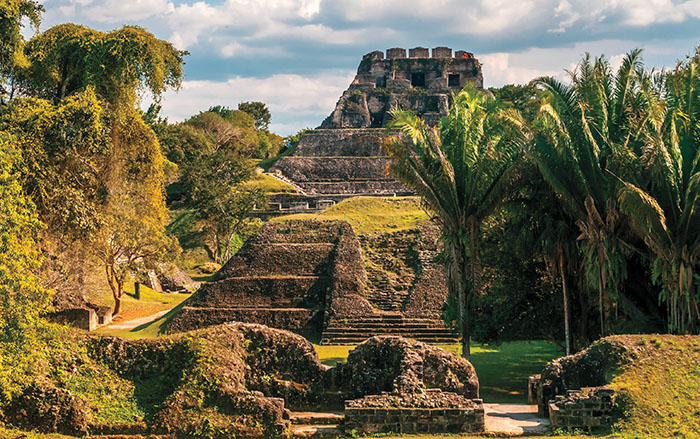
Xunantunich, Belize
Learning to draw monkeys at an ancient Maya art academy
Letter from Ireland September/October 2026
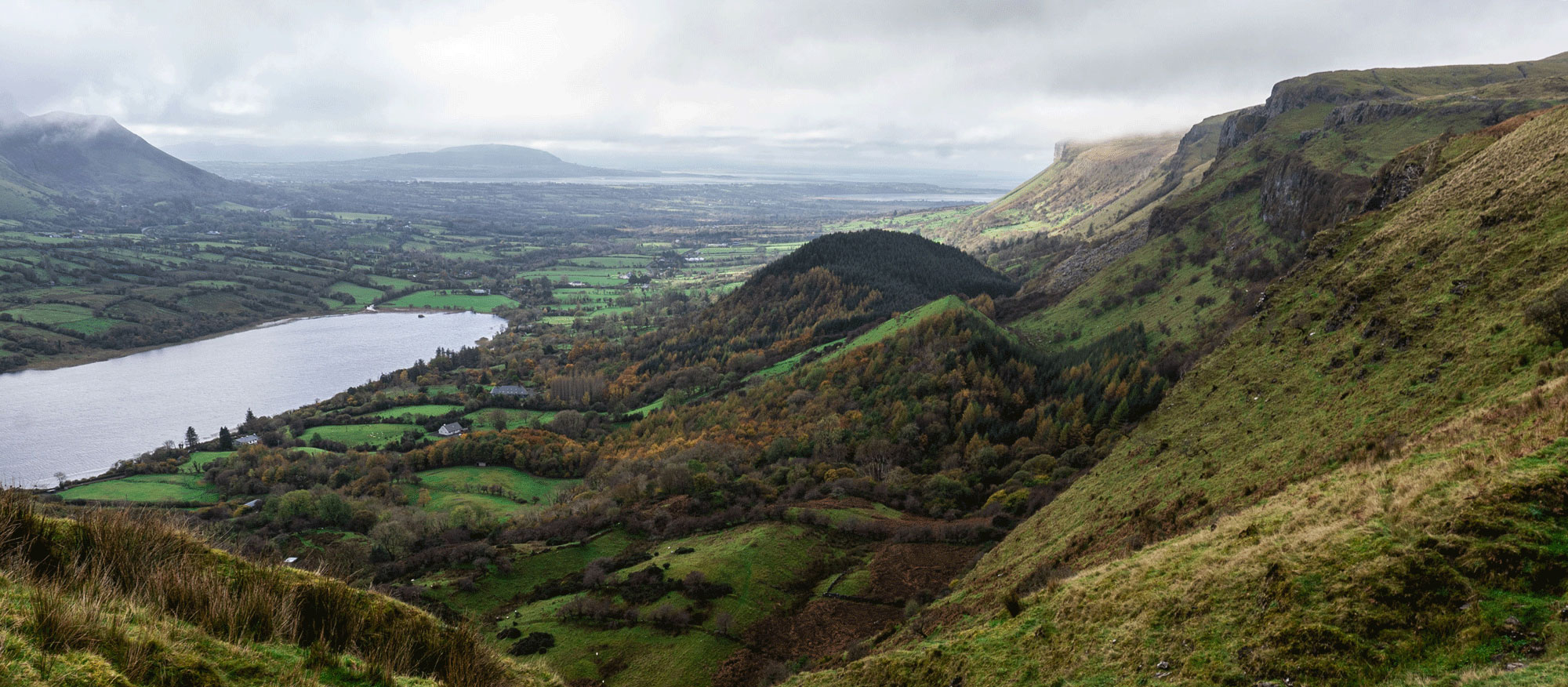
A War Between Friends
How IRA volunteers survived the Irish Civil War in a secret mountain hideout
Features September/October 2026
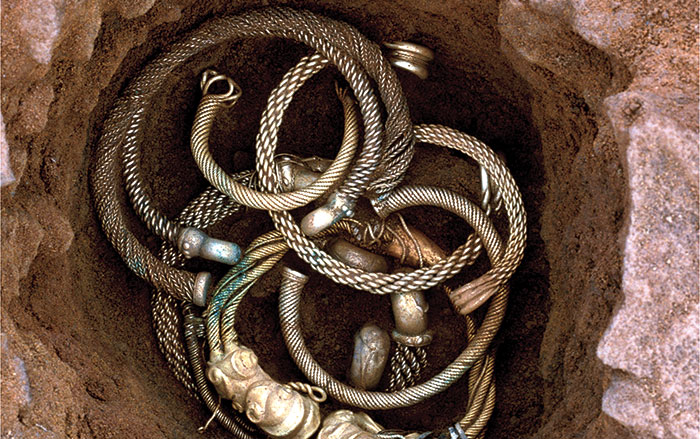
A Change in Fashion
Hoards of lavish gold and silver neck rings buried on an English hill reflect dramatic social change
Features September/October 2026
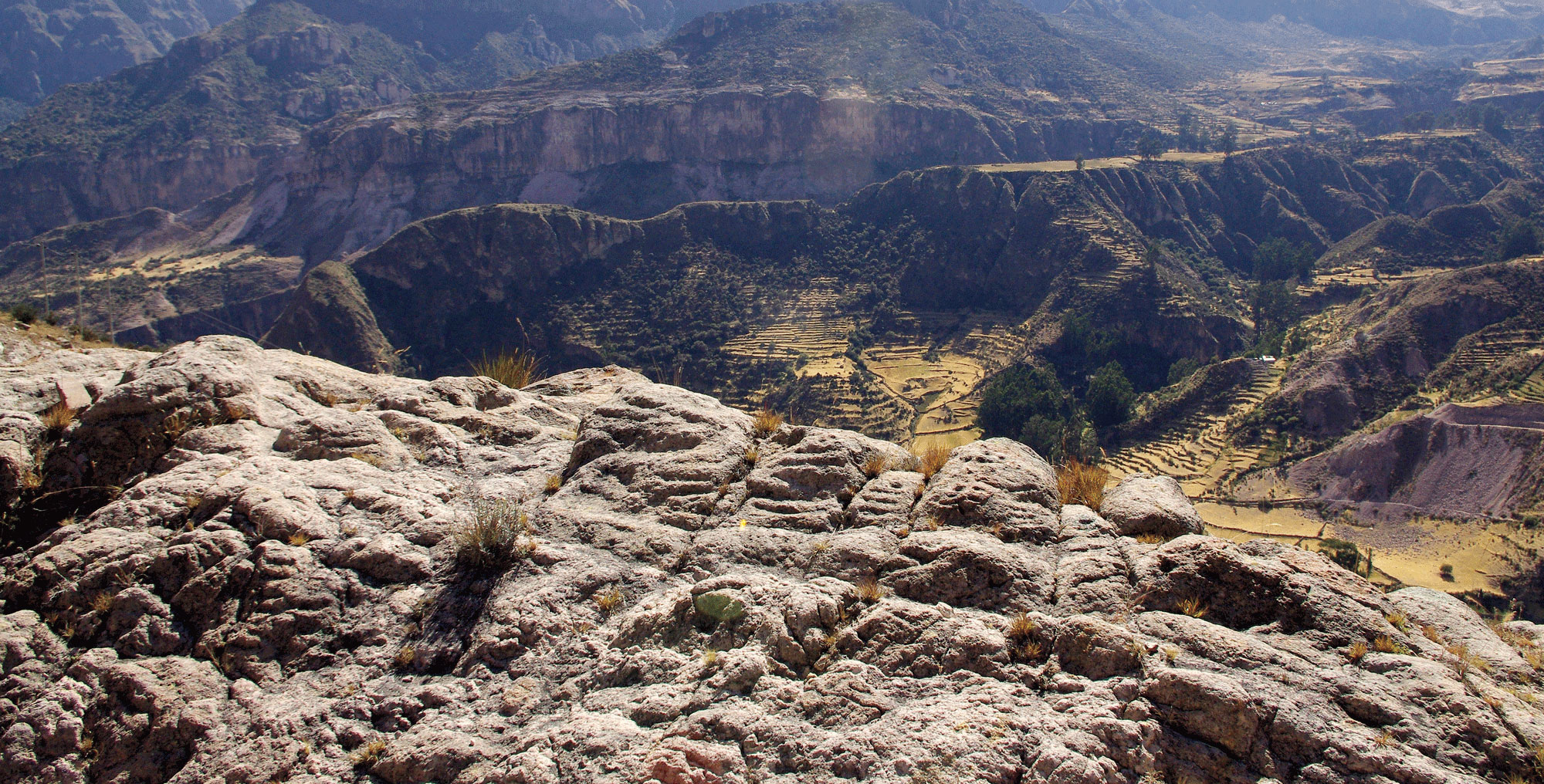
Cultivating Fields of Stone
Peru’s ancient farmers used intricate rock maps to plan for the future
-
Features January/February 2014
Stone Towns of the Swahili Coast
Along 2,000 miles of the East African coast, the sophisticated trading centers of the medieval Swahili reveal their origins and influences
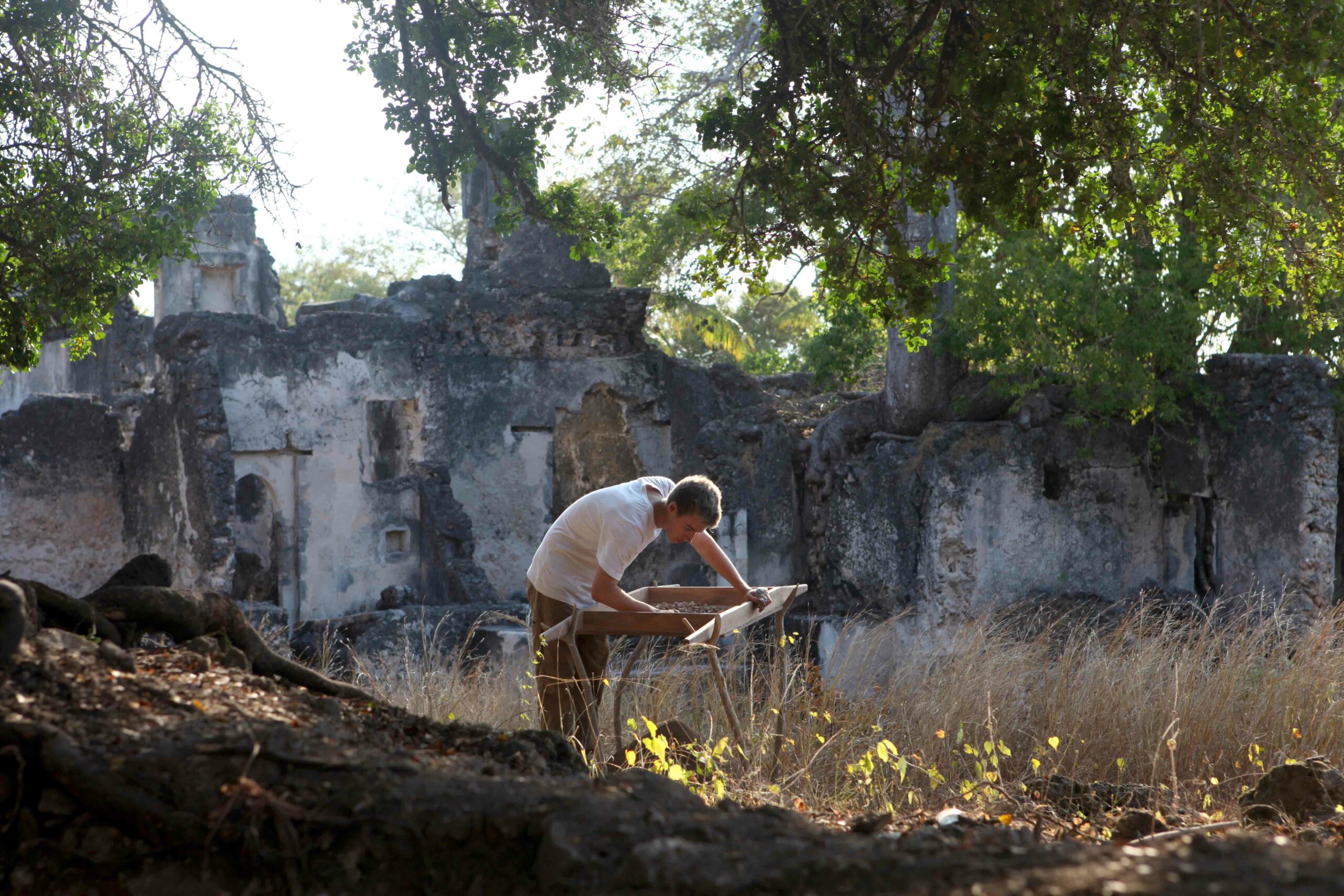 (Samir S. Patel)
 -
Letter from England January/February 2014
The Scientist's Garden
Excavations in an English garden reveal the evolution of the nation's culture across thousands of years
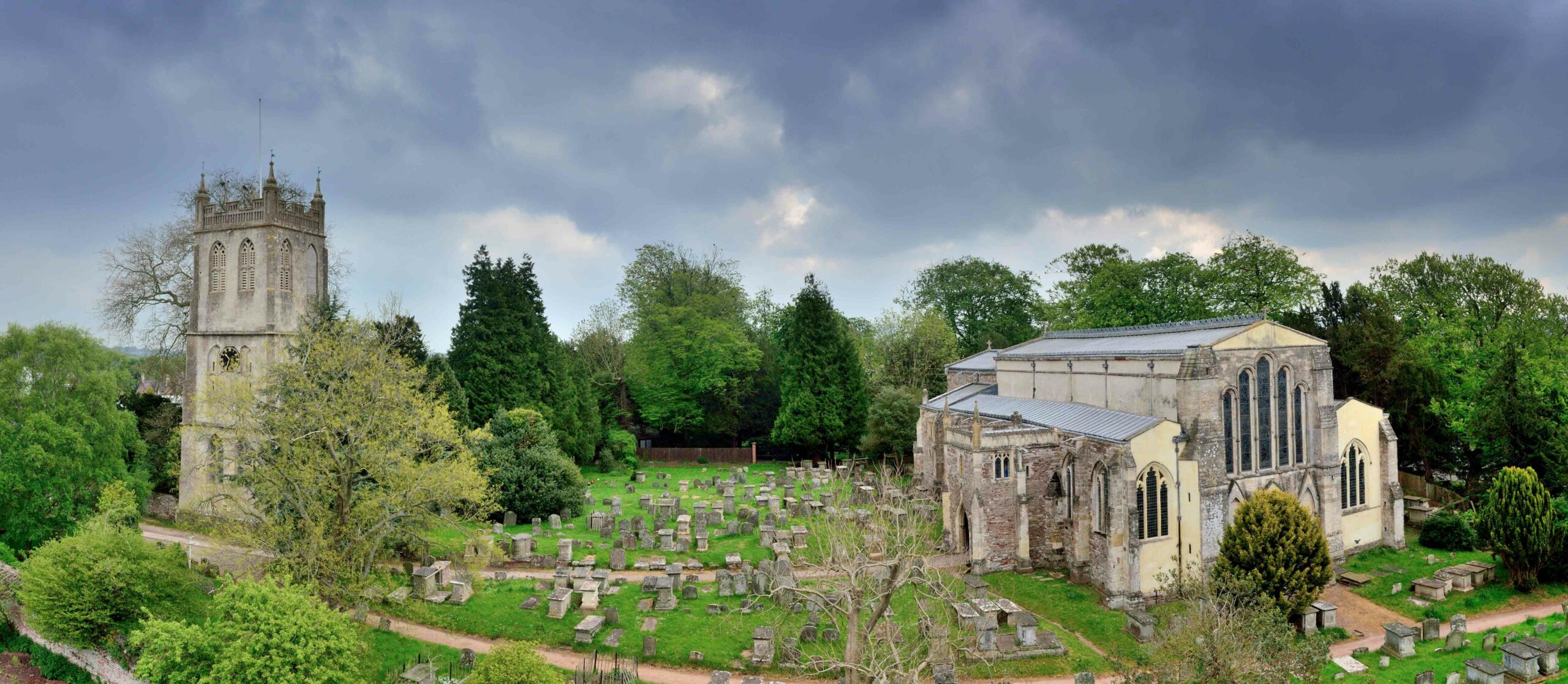 (Adam Stanford, Aerial-Cam)
 -
Artifacts January/February 2014
Limestone Eagle
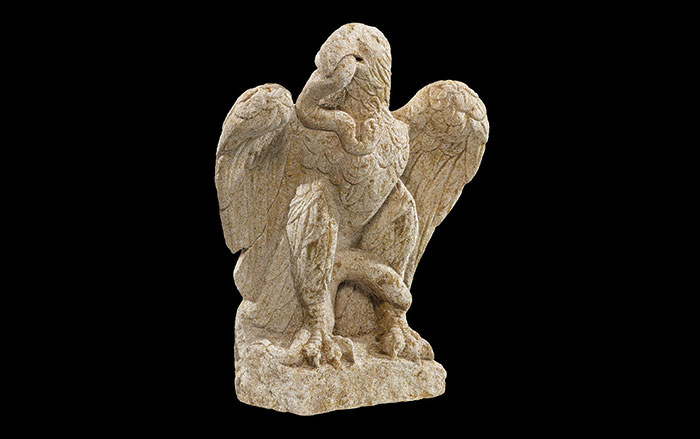 (Matthew Helmer)
 -
Digs & Discoveries January/February 2014
French Revolution Forgeries?
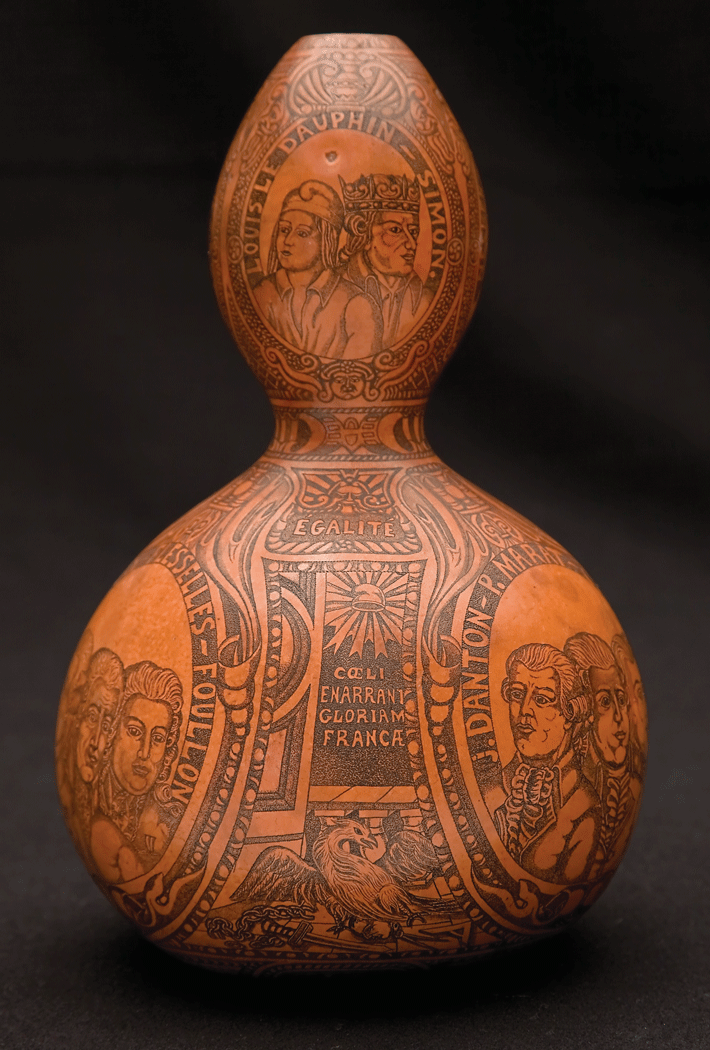 (Courtesy Davide Pettener/Paolo Garagnani)