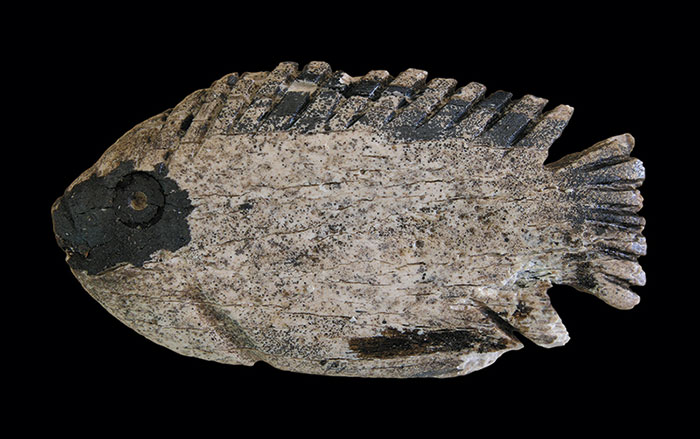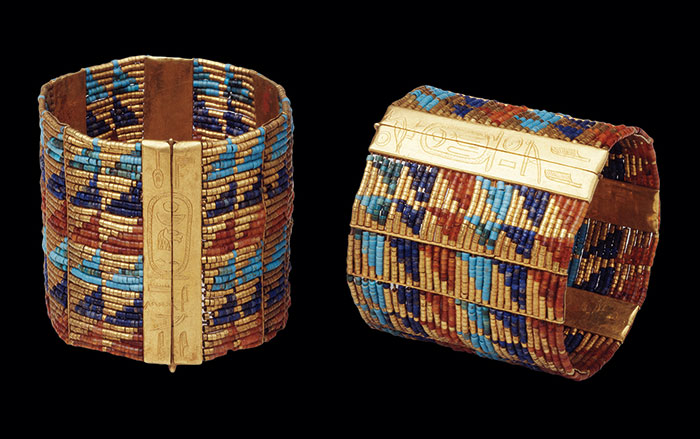
Just a one-and-a-half-hour drive south of Luxor lies El Kab, one of the oldest settlements in Upper Egypt and home of the vulture goddess Nekbet. Archaeologist Salima Ikram of the American University in Cairo calls the city, known as Nekheb in ancient times, a "jewel of a site."
The Site
Approaching El Kab from the Nile side, visitors first encounter the massive mud-brick walls that enclose a square area of roughly 125 acres. Inside this enclosure are the remains of various domestic buildings and two temples, one dedicated to Nekbet and another to Thoth, the god of wisdom. Both temples date to the New Kingdom period (1550–1069 B.C.).
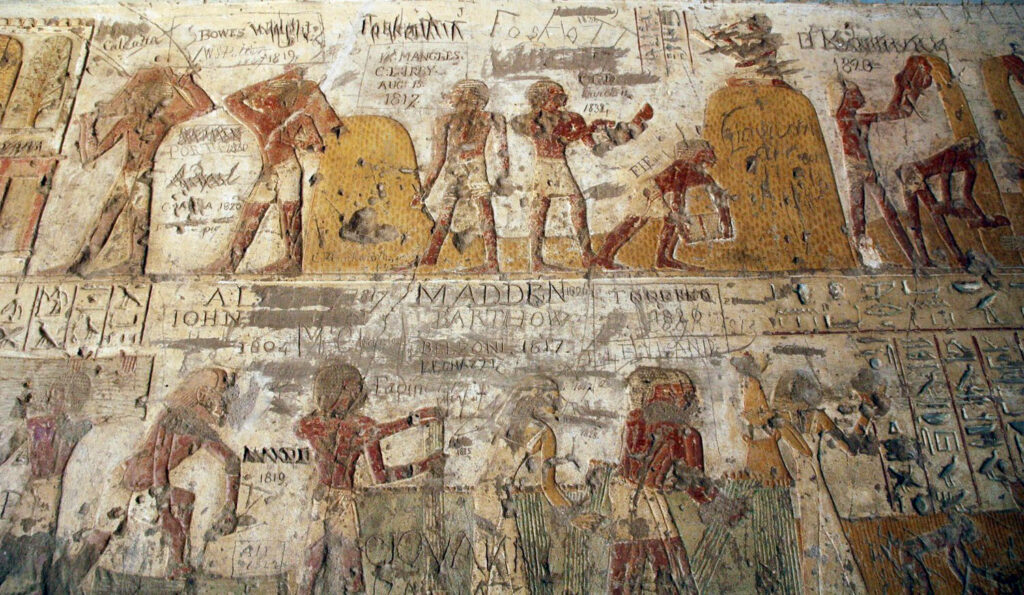
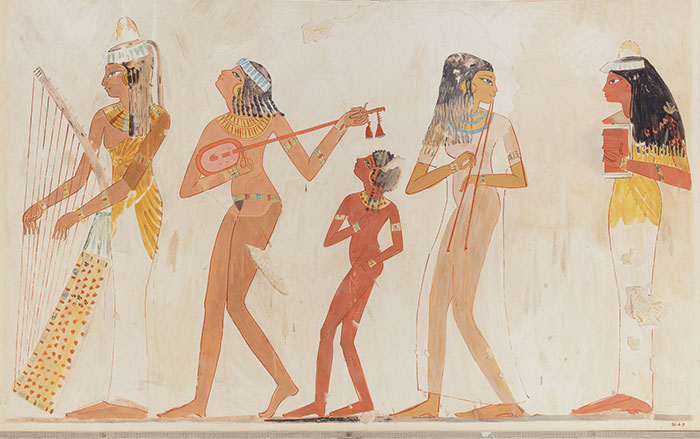
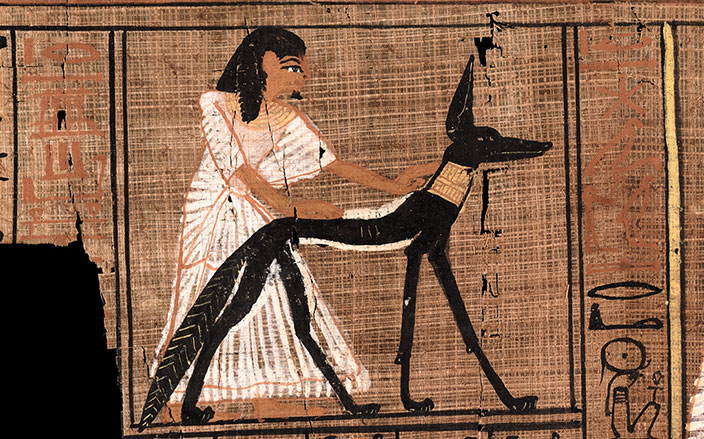
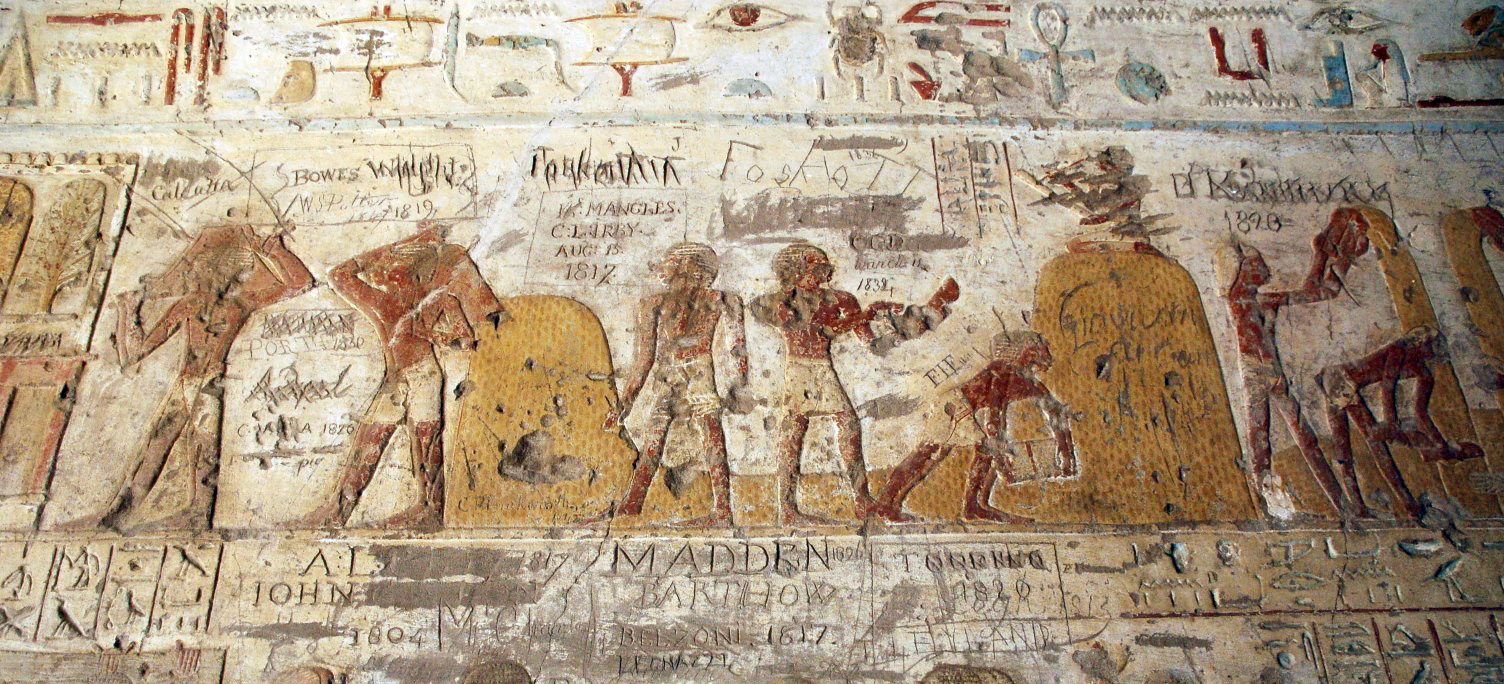
The tombs at El Kab are also interesting. They have walls carved with important texts referring to the naval battles on the Nile between Egyptian forces from the city of Thebes and the invading Hyksos armies from the Near East. Ikram's favorite place is the Tomb of Paheri, who was mayor of Nekheb during the 18th Dynasty (1550–1295 B.C.). In this tomb are well-preserved paintings of Paheri's funeral procession and images of pigs, rarely seen in Egyptian tombs.
Excavations
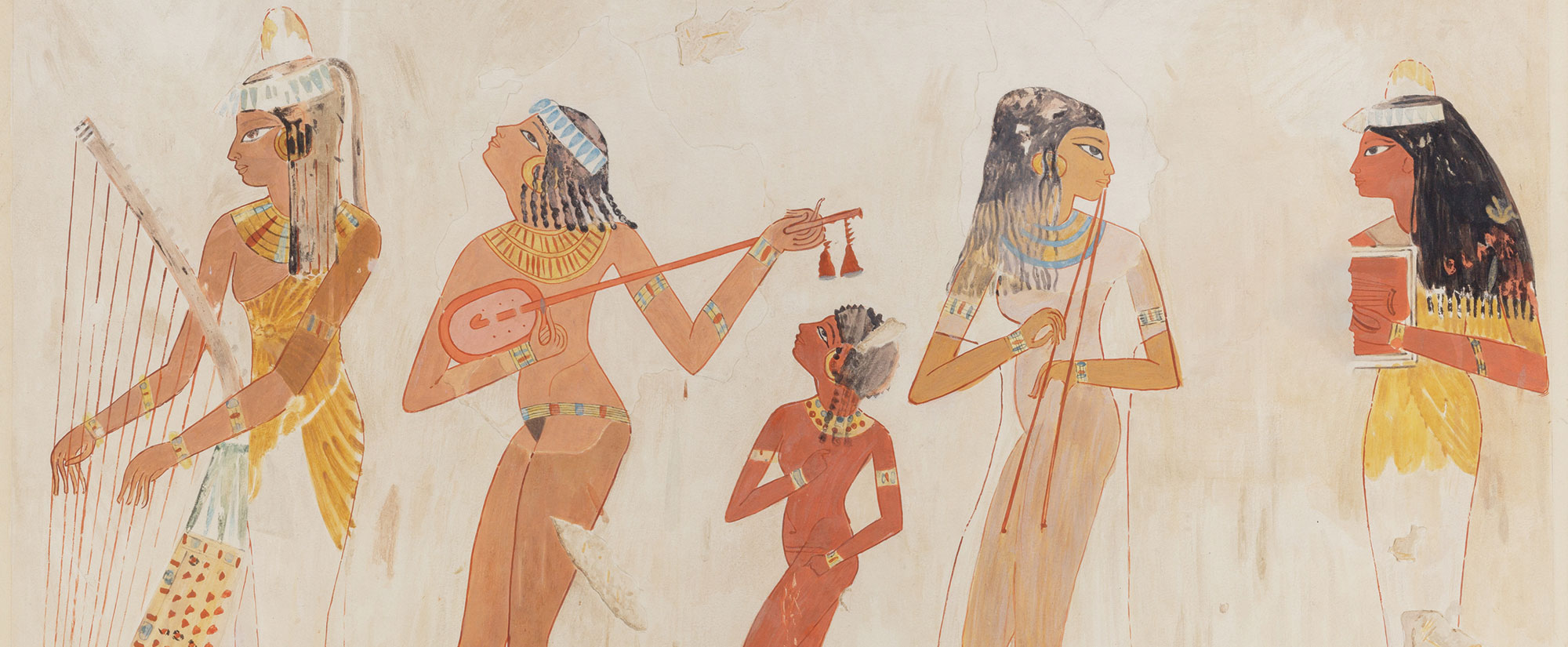
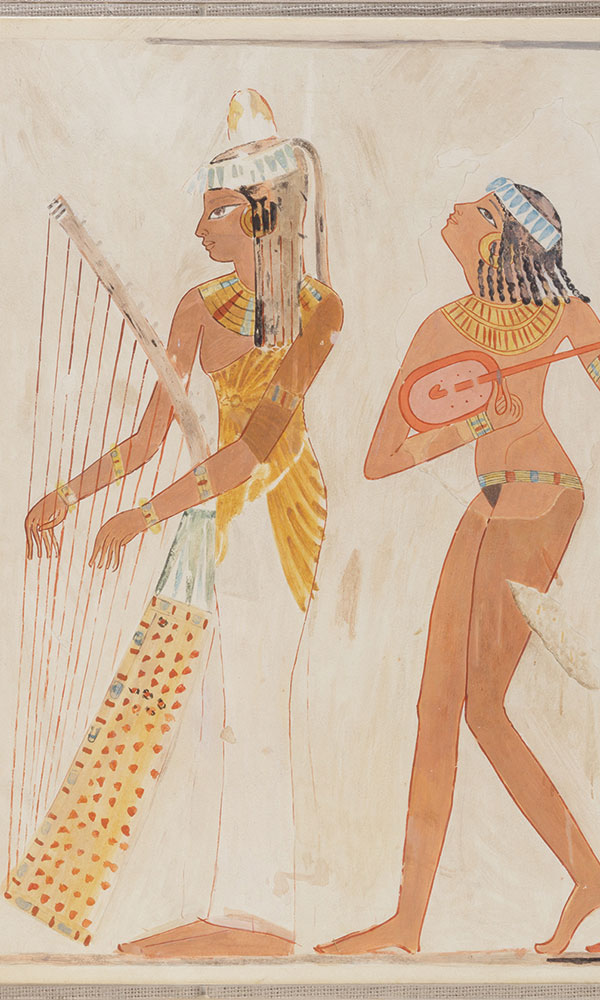
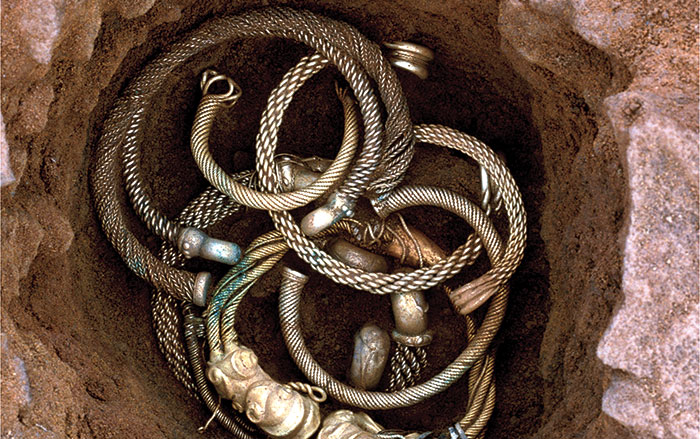
Currently, the British Museum's Vivian Davies is cleaning and conserving the tombs as well as making copies of the artwork and inscriptions. Ikram is working with Dirk Huyge of the Royal Museums of Art and History in Brussels to expose the Predynastic (3100–2686 B.C.) and Old Kingdom (2686–2181 B.C.) history of the area, looking for settlement sites and tombs.
Keep an eye out for the nineteenth-century graffiti on the tombs left there by passing travelers and explorers. But most of all, Ikram says, you should enjoy the quiet and peace, as well as the spectacular views of the sailboats on the Nile. It is one of the few unspoiled areas in Egypt with no shops or restaurants, where one can get a sense of what it may have been like in ancient times.