

NANJING, CHINA—Live Science reports that archaeologists Li Zebin, Chen Gang, and Sheng Zhihan of Nanjing Museum recovered an intact jade coffin and more than 10,000 artifacts from a mausoleum consisting of three main tombs, 11 attendant tombs, two pits containing five life-sized chariots, and two weaponry pits holding iron swords, spearheads, crossbow triggers, halberds, knives, and more than 20 models of chariots. Burial chambers belonging to Liu Fei, a king of Jiangdu who died in 128 B.C., held artifacts made of gold, silver, bronze, jade, and lacquer. He had been buried with musical instruments such as chime bells, zither bridges, and jade tuning pegs. More than 100,000 banliang coins, lamps, and a kitchen stocked with food and cooking utensils had been left behind by looters, who took the king’s remains. “Near the coffins many jade pieces and fragments, originally parts of the jade burial suit, were discovered. These pieces also indicate that the inner coffin, originally lacquered and inlaid with jade plaques, was exquisitely manufactured,” the research team wrote in an article that appears in translation in the journal Chinese Archaeology. The intact jade coffin was recovered from an adjacent tomb. “Although the central chamber was looted, the structure of the jade coffin is still intact, which is the only undamaged jade coffin discovered in the history of Chinese archaeology,” they added.
Rescue Excavation Uncovers Royal Chinese Tombs
News August 4, 2014
Recommended Articles
Features July/August 2026
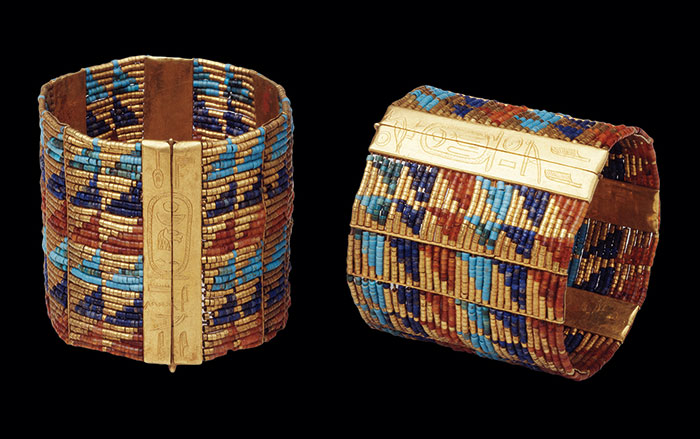
Egypt's First Queen
How a trailblazing ruler pulled her realm back from the brink
Features July/August 2026
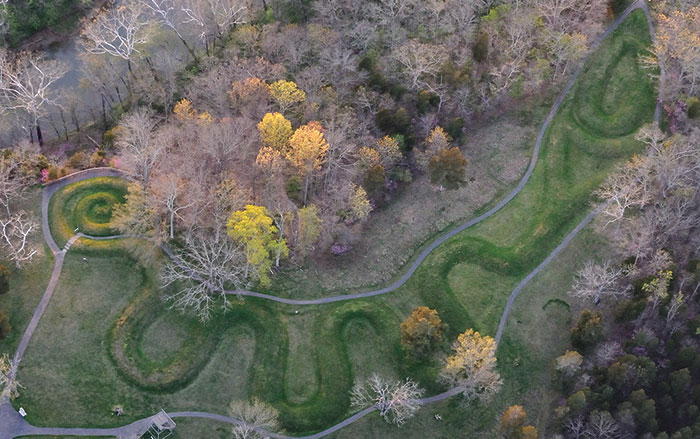
Secrets of the Serpent
Is a Native American origin story embedded in Ohio’s colossal earthwork?
Features July/August 2026
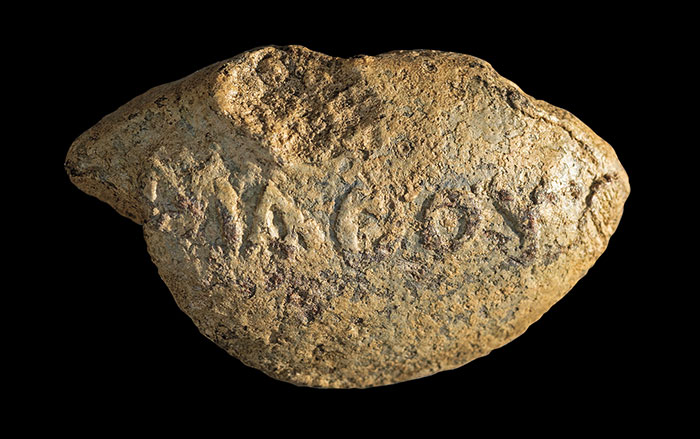
Slinging Insults
Greek and Roman soldiers fired pointed barbs at their enemies
Features July/August 2026
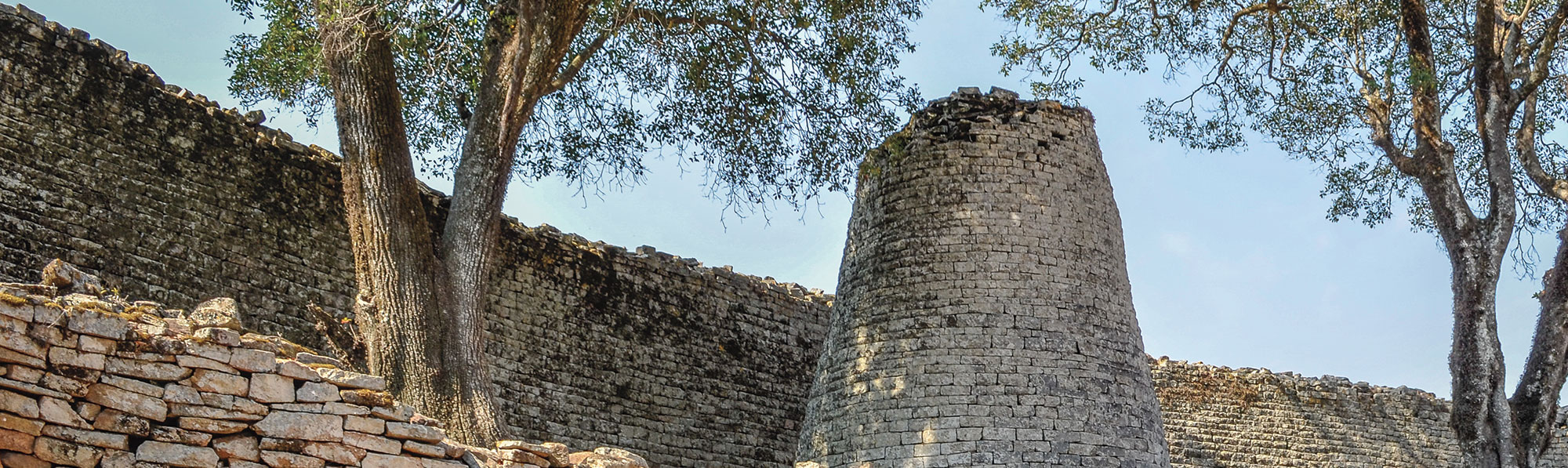
Inside Africa’s Houses of Stone
Archaeologists are rethinking how kings shared power beyond the great capitals of medieval Zimbabwe
More to Discover
Features July/August 2014
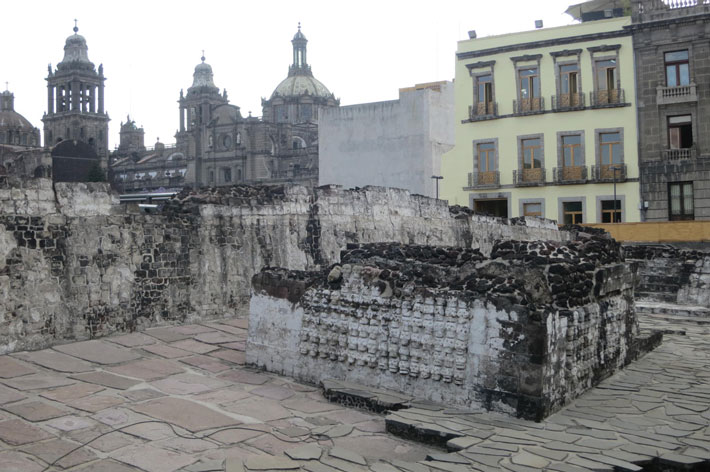
Under Mexico City
Beneath the capital's busy streets, archaeologists are discovering the buried world of the Aztecs
-
Features July/August 2014
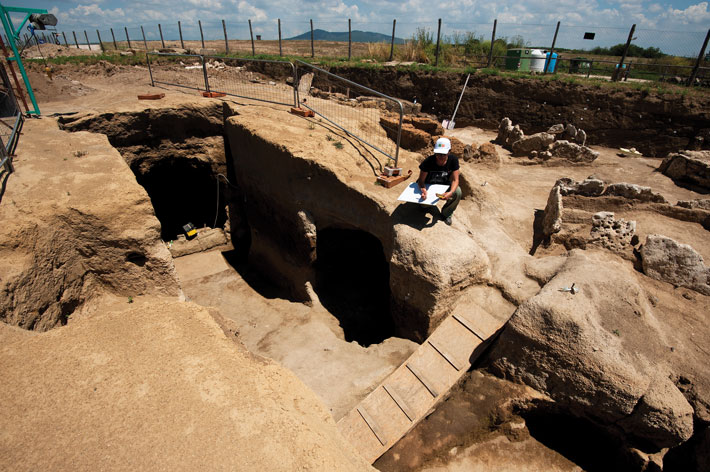
The Tomb of the Silver Hands
Long-buried evidence of an Etruscan noble family
 (Marco Merola)
 -
Features July/August 2014
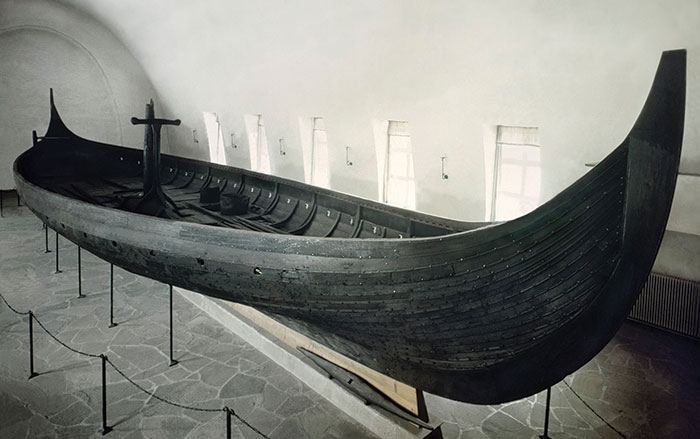
Revisiting the Gokstad
More than a century after Norway's Gokstad ship burial was first excavated, scientists are examining the remains of the VIking chieftain buried inside and learning the truth about how he lived and died
 (Courtesy Museum of Cultural History, University of Oslo, Norway)
 -
Letter From Scotland July/August 2014
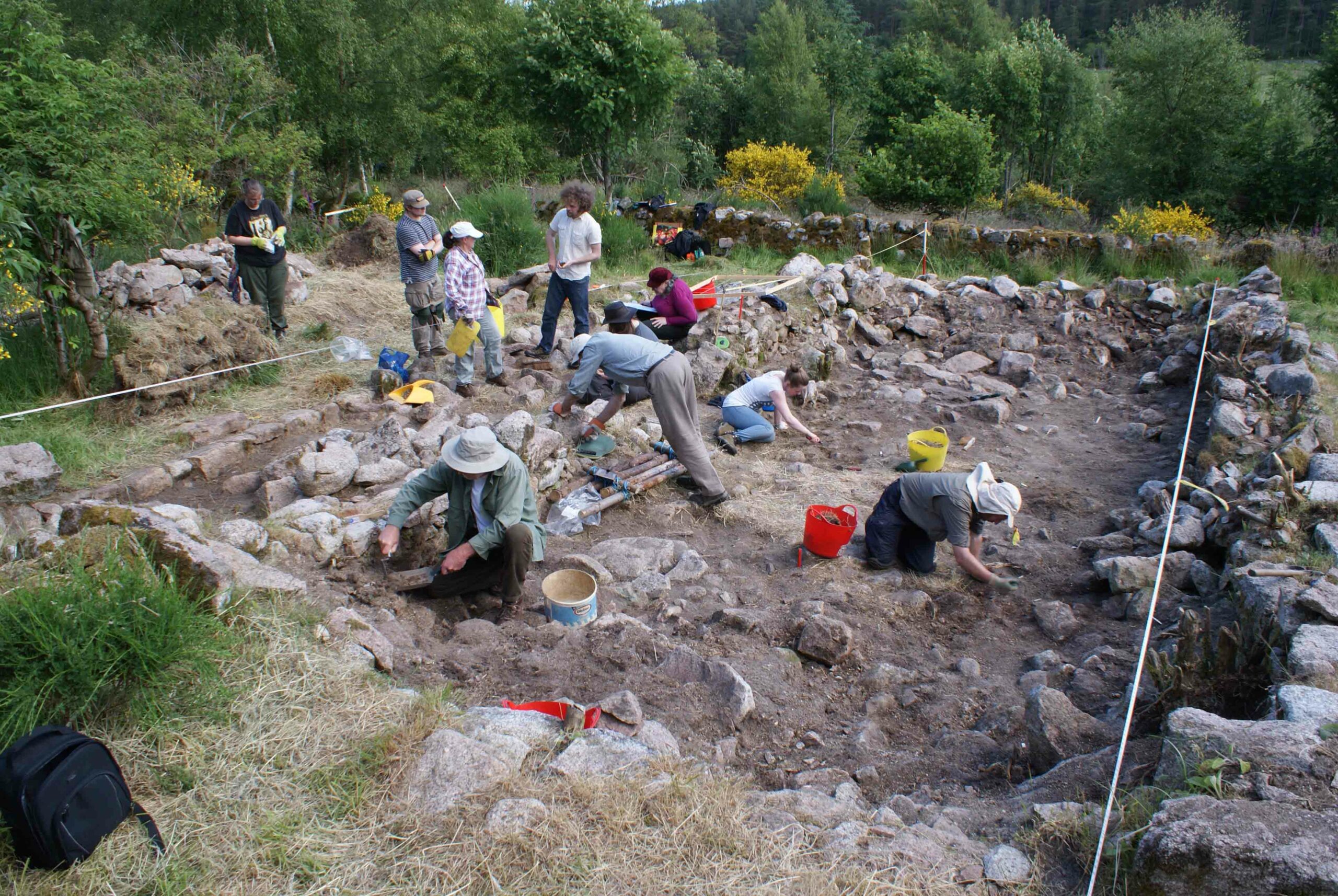
Living on the Edge
Were the residents of a Scottish hillside immoral squatters or hard-working farmers?
 (Jeff Oliver, University of Aberdeen)
 -
Artifacts July/August 2014
Neolithic Wand
 (Courtesy L.C. Tiera)